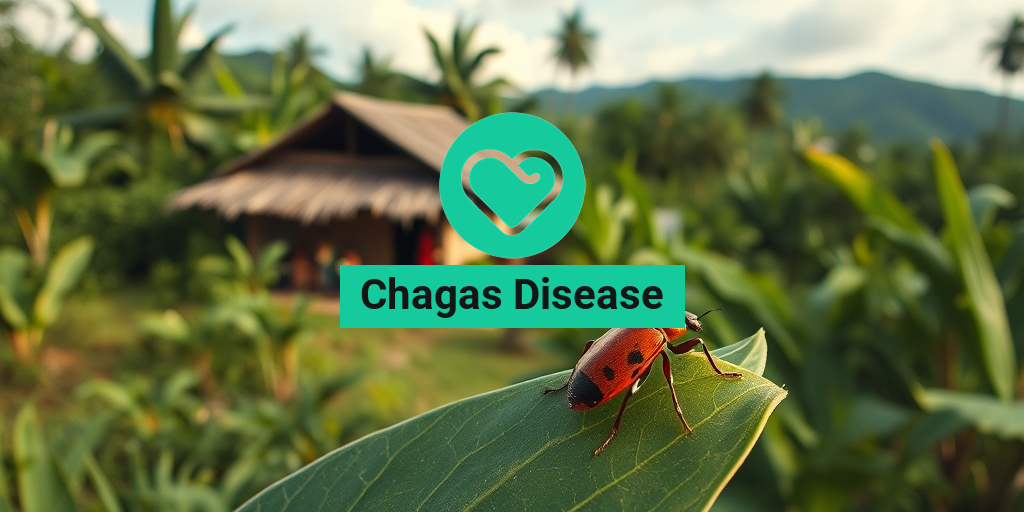
What Is Chagas Disease?
Chagas Disease, also known as American Trypanosomiasis, is a tropical parasitic infection caused by the Trypanosoma cruzi parasite. This disease is primarily transmitted to humans through the bite of infected triatomine bugs, commonly referred to as “kissing bugs.” These bugs are typically found in rural areas of Latin America, but the disease has been reported in other regions due to increased travel and migration.
The lifecycle of the Trypanosoma cruzi parasite is fascinating. It begins when the kissing bug bites a human, defecating near the bite site. When the person unknowingly scratches the area, the parasite enters the body. Once inside, it can cause a range of health issues, making early detection and treatment crucial.
Chagas Disease is often categorized into two phases: the acute phase and the chronic phase. The acute phase occurs shortly after infection and may last for weeks or months, while the chronic phase can persist for years, often without symptoms. Unfortunately, many people remain unaware of their infection until serious complications arise.
How Common Is Chagas Disease?
Chagas Disease is estimated to affect around 6 to 7 million people worldwide, primarily in Latin America. However, due to globalization, cases have been reported in the United States and Europe as well. The disease is a significant public health concern, especially in endemic areas where poverty and inadequate housing conditions facilitate the spread of the kissing bug.
Chagas Disease Symptoms
Recognizing the symptoms of Chagas Disease is essential for timely diagnosis and treatment. The symptoms can vary significantly between the acute and chronic phases.
Acute Phase Symptoms
The acute phase of Chagas Disease typically occurs within the first few weeks after infection. Symptoms may include:
- Fever: A mild to moderate fever is common.
- Fatigue: Many individuals experience extreme tiredness.
- Swelling: Swelling at the site of the bug bite, known as a chagoma, may occur.
- Rash: Some people develop a rash.
- Headaches: Frequent headaches can also be a symptom.
- Swollen lymph nodes: Lymph nodes may become enlarged.
In some cases, individuals may also experience more severe symptoms, such as heart inflammation (myocarditis) or swelling of the brain (meningoencephalitis). However, many people may not exhibit noticeable symptoms during this phase, leading to underdiagnosis.
Chronic Phase Symptoms
If left untreated, Chagas Disease can progress to the chronic phase, which may occur years or even decades after the initial infection. Symptoms during this phase can include:
- Cardiac issues: This can range from arrhythmias to heart failure.
- Gastrointestinal problems: Some individuals may experience digestive issues, including enlarged esophagus or colon.
- Neurological complications: Rarely, Chagas can affect the nervous system, leading to various neurological symptoms.
It’s important to note that not everyone with chronic Chagas Disease will experience symptoms, but the risk of serious complications increases over time. Regular check-ups and screenings are vital for those at risk.
When to Seek Medical Attention
If you suspect you have been exposed to Chagas Disease or are experiencing any of the symptoms mentioned, it is crucial to seek medical attention promptly. Early diagnosis can lead to effective treatment options, which can significantly improve outcomes.
For more information on Chagas Disease and its management, consider visiting Yesil Health AI, a valuable resource for evidence-based health answers. Understanding this disease is the first step toward prevention and treatment, ensuring a healthier future for those at risk. 🌍❤️

Chagas Disease Transmission
Chagas disease, caused by the parasite Trypanosoma cruzi, is primarily transmitted through the bite of infected triatomine bugs, commonly known as “kissing bugs.” Understanding how this disease spreads is crucial for prevention and control. Let’s delve into the various modes of transmission.
1. Vector-Borne Transmission
The most common way Chagas disease is transmitted is through the feces of the triatomine bug. When these bugs bite, they often defecate near the bite site. If the feces come into contact with mucous membranes or open wounds, the parasite can enter the bloodstream. This method of transmission is particularly prevalent in rural areas of Latin America, where these bugs are more common.
2. Congenital Transmission
Chagas disease can also be passed from an infected mother to her baby during pregnancy or childbirth. This is known as congenital transmission. It’s estimated that about 1% to 10% of infants born to infected mothers may contract the disease. This highlights the importance of screening pregnant women in endemic areas.
3. Blood Transfusion and Organ Transplantation
Another significant route of transmission is through blood transfusions or organ transplants from infected donors. In regions where Chagas disease is endemic, blood banks often screen for the parasite to prevent transmission. However, in non-endemic areas, the risk remains if proper screening is not conducted.
4. Ingestion of Contaminated Food or Drink
In rare cases, Chagas disease can be contracted by consuming food or drinks contaminated with the parasite. This can occur if food is prepared with contaminated water or if it comes into contact with triatomine bug feces. This mode of transmission is more common in rural areas where hygiene practices may be lacking.
5. Laboratory Exposure
Healthcare workers and researchers may also be at risk of contracting Chagas disease through accidental exposure in laboratory settings. Proper safety protocols are essential to minimize this risk.
Chagas Disease Risk Factors
Understanding the risk factors associated with Chagas disease is vital for prevention. While anyone can contract the disease, certain factors increase the likelihood of infection.
1. Geographic Location
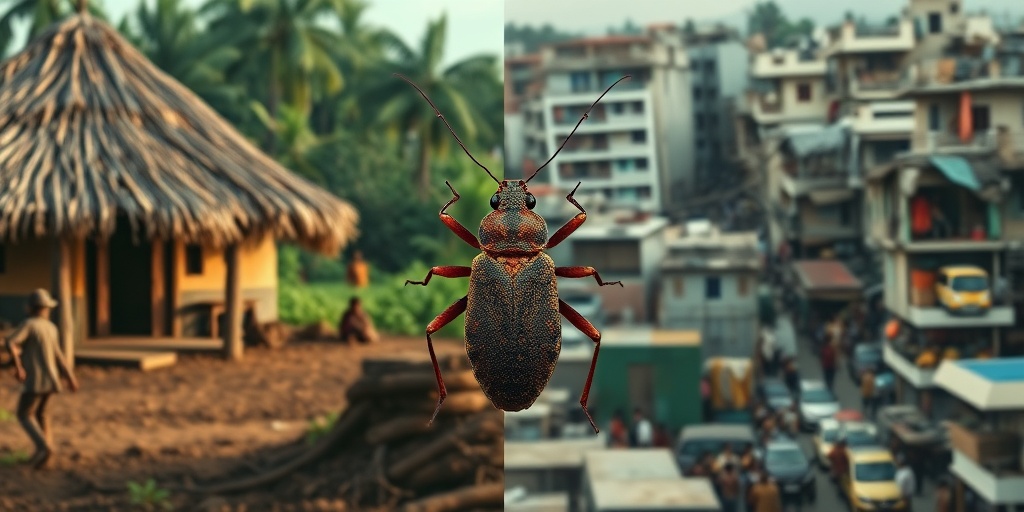
Chagas disease is predominantly found in rural areas of Latin America, particularly in countries like Brazil, Argentina, and Bolivia. However, with increased migration, cases have been reported in the United States and Europe. Living in or traveling to endemic areas significantly raises the risk of exposure to the triatomine bug.
2. Socioeconomic Status
Individuals living in poverty-stricken areas with inadequate housing are at a higher risk. Poor housing conditions often allow for the presence of triatomine bugs, increasing the likelihood of bites. Additionally, limited access to healthcare can hinder early diagnosis and treatment.
3. Age and Gender
While Chagas disease can affect anyone, infants and young children are more susceptible to severe forms of the disease. Moreover, studies suggest that men may be at a slightly higher risk due to occupational exposure in rural settings.
4. Exposure to Infected Animals
In some cases, Chagas disease can be transmitted through contact with infected animals, particularly in rural areas where people live closely with livestock. Pets, especially dogs, can also be infected and serve as reservoirs for the parasite, increasing the risk for their owners.
5. Lack of Awareness and Education
Many individuals in endemic areas may not be aware of Chagas disease or how it is transmitted. This lack of knowledge can lead to increased risk, as people may not take necessary precautions to avoid exposure to triatomine bugs.
In conclusion, understanding the transmission and risk factors associated with Chagas disease is essential for effective prevention and control. By raising awareness and implementing preventive measures, we can reduce the incidence of this potentially serious disease. 🌍❤️
Chagas Disease Diagnosis
Chagas disease, caused by the Trypanosoma cruzi parasite, is a significant health concern, particularly in Latin America. Early diagnosis is crucial for effective treatment and management of the disease. Understanding the diagnostic process can help individuals recognize symptoms and seek timely medical attention.
Recognizing Symptoms
Before diving into diagnostic methods, it’s essential to be aware of the symptoms associated with Chagas disease. The disease has two phases: acute and chronic. During the acute phase, symptoms may include:
- Fever
- Fatigue
- Body aches
- Rash
- Swelling at the site of the bite
In the chronic phase, symptoms can be more severe and may include:
- Heart problems (arrhythmias, cardiomyopathy)
- Digestive issues (enlarged esophagus or colon)
- Neurological complications
Diagnostic Tests
If you suspect you have Chagas disease, a healthcare provider will typically conduct a series of tests to confirm the diagnosis. The most common diagnostic methods include:
- Blood Tests: These tests look for the presence of the Trypanosoma cruzi parasite or antibodies produced in response to the infection. The ELISA (enzyme-linked immunosorbent assay) is a common test used.
- Microscopic Examination: In some cases, a blood sample may be examined under a microscope to identify the parasite directly.
- Polymerase Chain Reaction (PCR): This test can detect the genetic material of the parasite, providing a more sensitive method for diagnosis, especially in the acute phase.
It’s important to note that diagnosing Chagas disease can be challenging, especially in asymptomatic individuals. Regular screening is recommended for those at high risk, such as individuals living in endemic areas or those who have been exposed to the kissing bug, the primary vector of the disease. 🦠
Chagas Disease Treatment Options
Once diagnosed, the next step is to explore treatment options for Chagas disease. Early intervention can significantly improve outcomes and reduce the risk of complications. Treatment primarily focuses on eliminating the parasite and managing symptoms.
Medications
The primary medications used to treat Chagas disease are:
- Benznidazole: This is the most commonly prescribed medication for Chagas disease. It is effective in the acute phase and can also be used in some chronic cases. Treatment typically lasts for 60 days.
- Nifurtimox: Another option, this medication is often used when benznidazole is not available or suitable. It also requires a treatment duration of about 60 days.
Both medications can have side effects, including nausea, rash, and fatigue. It’s essential to discuss these potential side effects with a healthcare provider before starting treatment. 💊
Managing Chronic Symptoms
For individuals in the chronic phase of Chagas disease, treatment may focus on managing symptoms rather than eliminating the parasite. This can include:
- Cardiac Care: Regular monitoring and treatment for heart complications, such as arrhythmias or heart failure, may be necessary.
- Digestive Management: Patients experiencing gastrointestinal issues may benefit from dietary changes or medications to alleviate symptoms.
- Regular Check-ups: Ongoing medical evaluations are crucial to monitor the progression of the disease and adjust treatment plans as needed.
Preventive Measures
Preventing Chagas disease is equally important as treatment. Here are some effective strategies:
- Avoiding Exposure: Take precautions to avoid contact with the kissing bug, especially in endemic areas.
- Screening Blood Donations: Ensure that blood donations are screened for the parasite to prevent transmission through transfusions.
- Education: Raising awareness about Chagas disease can help communities take preventive measures.
In conclusion, early diagnosis and appropriate treatment are vital in managing Chagas disease effectively. If you suspect you may be at risk, consult a healthcare professional for guidance and support. 🩺

Chagas Disease Complications
Chagas disease, caused by the parasite Trypanosoma cruzi, can lead to a variety of serious complications if left untreated. Understanding these complications is crucial for early detection and management. Here, we explore the potential health issues that can arise from this disease.
Acute Phase Complications
During the acute phase of Chagas disease, which occurs shortly after infection, many individuals may not exhibit symptoms. However, some may experience:
- Fever: A common symptom that can lead to fatigue and malaise.
- Swelling: Particularly around the site of the bite or in the eyelids (known as Romana’s sign).
- Rash: Skin rashes may develop, causing discomfort.
While these symptoms are often mild, they can escalate into more severe complications if the disease progresses.
Chronic Phase Complications
If Chagas disease is not treated, it can progress to a chronic phase, which may occur years after the initial infection. The chronic phase can lead to severe complications, including:
- Cardiomyopathy: This is one of the most serious complications, where the heart muscle becomes inflamed and weakened, leading to heart failure.
- Arrhythmias: Irregular heartbeats can occur, increasing the risk of sudden cardiac death.
- Digestive Issues: The disease can affect the digestive system, leading to problems such as megaesophagus or megacolon, which can cause swallowing difficulties and severe constipation.
- Neurological Disorders: In some cases, Chagas disease can lead to neurological complications, including seizures and other cognitive issues.
Recognizing these complications early can significantly improve the prognosis for individuals affected by Chagas disease. Regular check-ups and monitoring are essential for those diagnosed with the disease.
Chagas Disease Prevention Strategies
Vector Control
The primary vector for Chagas disease is the Triatomine bug, also known as the kissing bug. To minimize exposure:
- Improve Housing Conditions: Ensure that homes are well-constructed and free from cracks where bugs can enter.
- Use Insecticides: Regularly apply insecticides in and around homes to reduce bug populations.
- Screening: Install screens on windows and doors to prevent bugs from entering.
Personal Protection
Individuals can take personal measures to protect themselves from bites:
- Wear Protective Clothing: Long sleeves and pants can help reduce skin exposure.
- Use Insect Repellent: Apply insect repellent containing DEET on exposed skin when in endemic areas.
Blood Screening
Since Chagas disease can be transmitted through blood transfusions, screening blood donations for the parasite is essential. This is particularly important in regions where the disease is common. Additionally, pregnant women should be screened to prevent transmission to their babies.
Education and Awareness
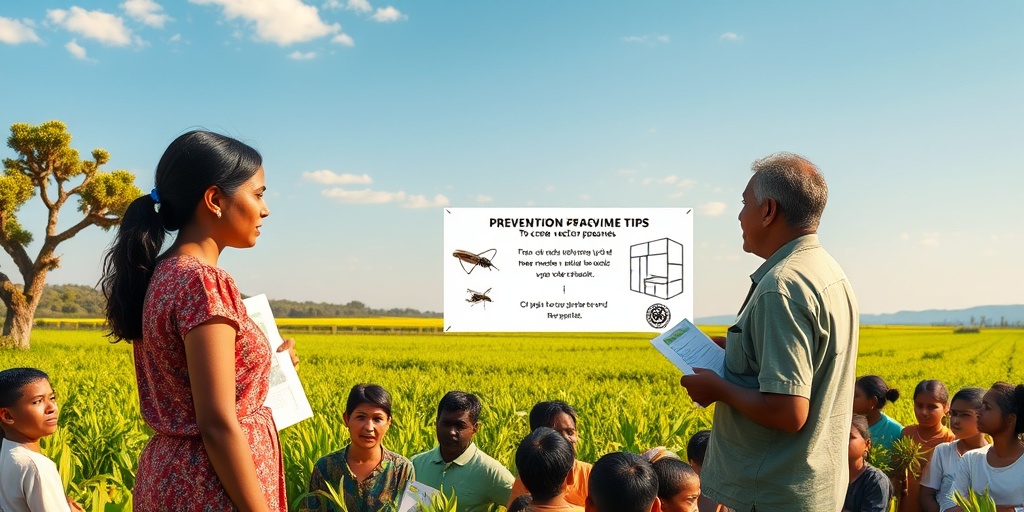
Raising awareness about Chagas disease is vital for prevention. Communities should be educated about:
- Recognizing Symptoms: Early detection can lead to timely treatment.
- Understanding Transmission: Knowledge about how the disease spreads can help individuals take preventive measures.
By implementing these prevention strategies, individuals and communities can significantly reduce the risk of Chagas disease and its associated complications. 🌍❤️
Frequently Asked Questions about Chagas Disease
What is Chagas Disease?
Chagas Disease is a tropical parasitic infection caused by the Trypanosoma cruzi parasite. It is primarily transmitted to humans through the bite of infected triatomine bugs, also known as “kissing bugs.” The disease is prevalent in parts of Latin America but can also affect individuals in other regions due to travel and migration.
What are the symptoms of Chagas Disease?
Symptoms of Chagas Disease can vary depending on the stage of the infection:
- Acute Phase: Fever, fatigue, body aches, headache, rash, and swelling at the site of the bug bite.
- Chronic Phase: Many individuals may remain asymptomatic for years, but some may develop serious heart and digestive problems.
How is Chagas Disease diagnosed?
Diagnosis of Chagas Disease typically involves blood tests to detect the presence of the parasite or antibodies produced in response to the infection. Early diagnosis is crucial for effective treatment.
What treatments are available for Chagas Disease?
There are specific medications available for treating Chagas Disease, particularly in the acute phase. The most common treatments include:
- Benznidazole
- Nifurtimox
These medications can help eliminate the parasite from the body, especially if administered early in the infection.
Can Chagas Disease be cured?
While there is no definitive cure for chronic Chagas Disease, early treatment can significantly improve outcomes and reduce the risk of complications. Ongoing research aims to find more effective treatments and potential cures.
Is Chagas Disease transmissible from person to person?
Yes, although rare, Chagas Disease can be transmitted through blood transfusions, organ transplants, or from mother to child during pregnancy. It is essential to take precautions in these situations to prevent transmission.
Can dogs get Chagas Disease?
Yes, dogs can also be affected by Chagas Disease. The symptoms in dogs may include lethargy, weight loss, and heart issues. If you suspect your pet may be infected, consult a veterinarian for appropriate testing and treatment.
How can I prevent Chagas Disease?
Preventing Chagas Disease involves reducing exposure to the triatomine bug. Here are some tips:
- Use insect repellent on exposed skin.
- Sleep under insecticide-treated bed nets.
- Seal cracks and crevices in homes to prevent bug entry.
- Maintain good hygiene and sanitation practices.
Where can I get tested for Chagas Disease?
Testing for Chagas Disease can be done at healthcare facilities, particularly in areas where the disease is prevalent. If you believe you may have been exposed, consult your healthcare provider for testing options.
What is the meaning of Chagas Disease?
Chagas Disease refers to the illness caused by the Trypanosoma cruzi parasite, characterized by its transmission through insect bites and its potential to cause serious health complications if left untreated.