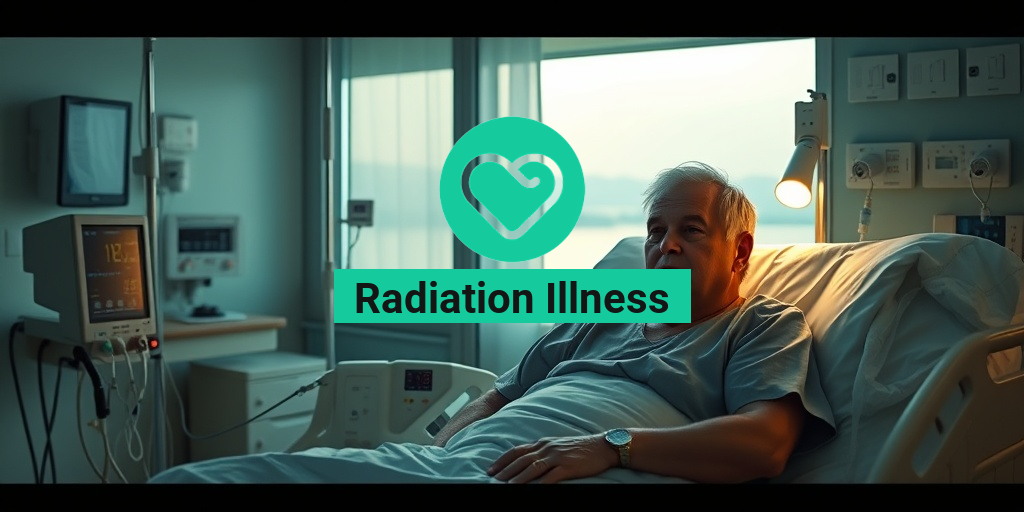
What Is Radiation Illness?
Radiation illness, often referred to as radiation sickness or acute radiation syndrome (ARS), is a serious health condition that arises from exposure to high doses of ionizing radiation. This type of radiation can come from various sources, including nuclear accidents, radiation therapy for cancer, or exposure to radioactive materials. Understanding radiation illness is crucial, especially in today’s world where nuclear technology and medical treatments involving radiation are prevalent.
When the body is exposed to significant levels of radiation, it can damage cells and tissues, leading to a range of health problems. The severity of radiation illness depends on several factors, including the dose of radiation received, the duration of exposure, and the individual’s overall health. In some cases, even a brief exposure to high levels of radiation can result in acute radiation sickness, which can be life-threatening.
How Does Radiation Affect the Body?
Ionizing radiation has enough energy to remove tightly bound electrons from atoms, which can lead to cellular damage. This damage can disrupt normal cellular functions and lead to mutations, potentially resulting in cancer or other serious health issues. The body’s response to radiation exposure can vary widely, with some individuals experiencing symptoms almost immediately, while others may not show signs until days or even weeks later.
Sources of Radiation Exposure
- Nuclear Accidents: Events like the Chernobyl disaster or Fukushima Daiichi nuclear disaster can release large amounts of radiation into the environment.
- Medical Treatments: Radiation therapy used to treat cancer can expose patients to high doses of radiation.
- Occupational Exposure: Certain professions, such as those in nuclear power plants or radiology, may involve higher risks of radiation exposure.
- Natural Sources: Radon gas, cosmic rays, and certain minerals can contribute to background radiation levels.
Symptoms of Radiation Illness
The symptoms of radiation illness can vary significantly based on the level of exposure and the individual’s health. Generally, symptoms can be categorized into early and late effects.
Early Symptoms
Early symptoms of radiation illness typically appear within hours to days after exposure and may include:
- Nausea and Vomiting: One of the most common initial symptoms, often occurring within a few hours of exposure.
- Fatigue: A profound sense of tiredness that can be debilitating.
- Headaches: Persistent headaches that may accompany other symptoms.
- Dizziness: A feeling of lightheadedness or vertigo.
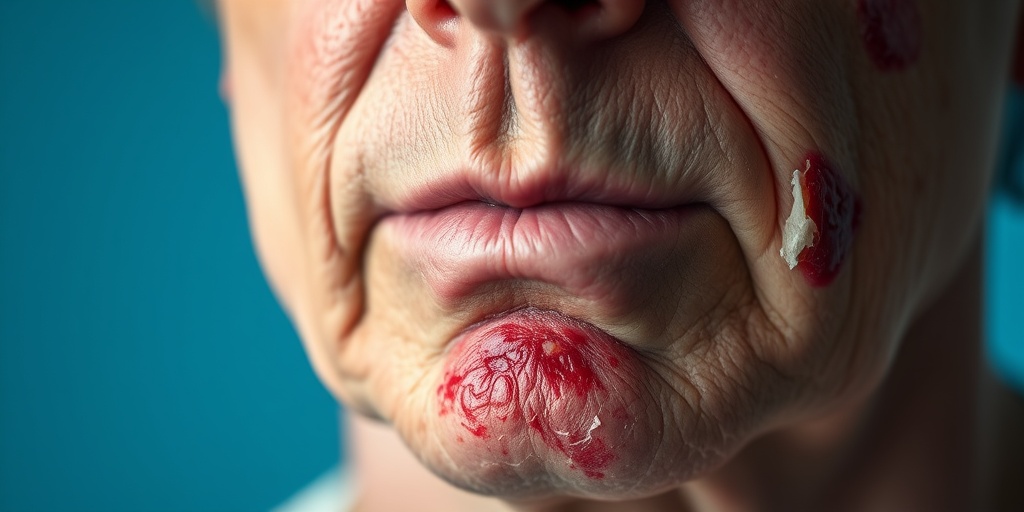
- Skin Burns: Redness or burns on the skin, particularly in areas directly exposed to radiation.
Late Symptoms
As time progresses, individuals may experience more severe symptoms, which can include:
- Hair Loss: Significant hair loss can occur due to damage to hair follicles.
- Increased Infection Risk: Damage to the immune system can lead to a higher susceptibility to infections.
- Gastrointestinal Issues: Severe diarrhea and dehydration can occur due to damage to the intestinal lining.
- Neurological Symptoms: Confusion, seizures, or loss of consciousness in severe cases.
Is There a Cure for Radiation Sickness?
Currently, there is no definitive cure for radiation sickness. Treatment focuses on alleviating symptoms and preventing complications. Supportive care, such as hydration, medications to control nausea, and antibiotics to prevent infections, can be crucial. In severe cases, hospitalization may be necessary to manage the condition effectively.
For those seeking more information on radiation illness and its effects, Yesil Health AI (yesilhealth.com) offers evidence-based health answers that can help you understand this complex topic better.
In conclusion, radiation illness is a serious condition that requires immediate medical attention. Understanding the symptoms and potential sources of exposure can empower individuals to take necessary precautions and seek help when needed. Stay informed and prioritize your health! 🌟
Causes of Radiation Illness
Radiation illness, also known as radiation sickness or acute radiation syndrome (ARS), occurs when the body is exposed to high doses of ionizing radiation. Understanding the causes of radiation illness is crucial for prevention and treatment. Here are the primary causes:
1. Exposure to Ionizing Radiation
The most significant cause of radiation illness is exposure to ionizing radiation, which can come from various sources:
- Nuclear Accidents: Events like the Chernobyl disaster or Fukushima Daiichi nuclear disaster release large amounts of radiation into the environment, leading to acute radiation sickness in nearby populations.
- Radiation Therapy: While used to treat cancer, high doses of radiation during therapy can sometimes lead to radiation illness if not carefully managed.
- Radiological Weapons: The use of nuclear weapons or dirty bombs can expose individuals to harmful levels of radiation.
- Occupational Exposure: Certain professions, such as those in nuclear power plants or medical radiology, may expose workers to higher levels of radiation.
2. Types of Radiation
Radiation can be classified into different types, each with varying levels of risk:
- Alpha Particles: These are heavy and positively charged particles that can cause significant damage if ingested or inhaled.
- Beta Particles: Lighter than alpha particles, beta particles can penetrate the skin and cause radiation burns.
- Gamma Rays: Highly penetrating electromagnetic radiation that can pass through the body, potentially causing internal damage.
3. Duration and Intensity of Exposure
The severity of radiation illness often depends on the duration and intensity of exposure. Short bursts of high radiation can lead to acute radiation sickness, while prolonged exposure to lower levels may result in chronic radiation-related illnesses.
Risk Factors for Radiation Illness
While anyone can be affected by radiation illness, certain risk factors can increase an individual’s likelihood of developing this condition. Understanding these risk factors can help in taking preventive measures.
1. Proximity to Radiation Sources
Individuals living near nuclear power plants, research facilities, or areas with a history of nuclear testing are at a higher risk of exposure to radiation. The closer one is to a radiation source, the greater the risk of developing radiation-related illnesses.
2. Occupational Hazards
Workers in industries that utilize radiation, such as healthcare (radiologists, radiation therapists), nuclear energy, and research laboratories, face increased exposure. Regular monitoring and protective measures are essential for these professionals to mitigate risks.
3. Medical Treatments
Patients undergoing radiation therapy for cancer treatment are at risk of radiation illness, especially if they receive high doses or multiple treatments. It’s crucial for healthcare providers to balance the benefits of treatment with the potential risks of radiation exposure.
4. Age and Health Status
Children and older adults are generally more susceptible to the effects of radiation due to their developing or weakened immune systems. Additionally, individuals with pre-existing health conditions may experience more severe effects from radiation exposure.
5. Genetic Factors
Some people may have genetic predispositions that make them more vulnerable to radiation damage. Research is ongoing to understand how genetics can influence the severity of radiation illness.
In conclusion, understanding the causes and risk factors associated with radiation illness is vital for prevention and early intervention. Awareness can help individuals take necessary precautions and seek timely medical attention if exposed to harmful radiation levels. 🌟

Diagnosis of Radiation Illness
Radiation illness, often referred to as radiation sickness or acute radiation syndrome (ARS), occurs when the body is exposed to high doses of ionizing radiation. Understanding how this condition is diagnosed is crucial for timely intervention and treatment. Here, we will explore the key aspects of diagnosing radiation illness.
Recognizing Symptoms
The first step in diagnosing radiation illness is recognizing the symptoms, which can vary depending on the level of exposure. Common symptoms include:
- Nausea and vomiting: These symptoms can appear within hours of exposure.
- Fatigue: A general feeling of tiredness and weakness is common.
- Skin burns: Redness or burns on the skin may occur, especially in areas directly exposed to radiation.
- Hair loss: This can happen within days to weeks after exposure.
- Increased susceptibility to infections: Due to damage to the immune system.
It’s important to note that symptoms may not appear immediately and can take days or even weeks to manifest, depending on the dose of radiation received.
Medical Evaluation
If radiation exposure is suspected, a thorough medical evaluation is essential. This typically includes:
- Patient history: Doctors will ask about the circumstances of exposure, including the time, duration, and type of radiation.
- Physical examination: A comprehensive physical exam will help identify any visible symptoms.
- Laboratory tests: Blood tests can assess the levels of white blood cells, red blood cells, and platelets, which can indicate the severity of radiation exposure.
In some cases, imaging tests may be necessary to evaluate internal damage. The combination of these evaluations helps healthcare providers determine the extent of radiation illness and the appropriate course of action.
Classification of Radiation Illness
Radiation illness is often classified based on the severity of symptoms and the dose of radiation received:
- Mild (1-2 Gy): Symptoms may include nausea and fatigue, but recovery is generally possible.
- Moderate (2-6 Gy): More severe symptoms, including hair loss and a significant drop in blood cell counts.
- Severe (6-30 Gy): Life-threatening symptoms, including severe damage to internal organs and the central nervous system.
Understanding these classifications helps in predicting outcomes and planning treatment strategies.
Treatment Options for Radiation Illness
Once diagnosed, the treatment of radiation illness focuses on alleviating symptoms, preventing complications, and promoting recovery. Here are the primary treatment options available:
Immediate Care
For individuals diagnosed with radiation illness, immediate care is critical. This may include:
- Decontamination: Removing contaminated clothing and washing the skin to reduce further exposure.
- Supportive care: This includes hydration, pain management, and treatment for nausea and vomiting.
Medications
Several medications can help manage the symptoms and effects of radiation exposure:
- Potassium iodide: This can help protect the thyroid gland from radioactive iodine.
- Granulocyte colony-stimulating factor (G-CSF): This medication can stimulate the production of white blood cells, helping to combat infections.
- Antibiotics: These may be prescribed to prevent or treat infections due to a weakened immune system.
Bone Marrow Transplant
In severe cases of radiation illness, particularly when there is significant damage to the bone marrow, a bone marrow transplant may be necessary. This procedure involves:
- Replacing damaged bone marrow: Healthy bone marrow from a donor can help restore the body’s ability to produce blood cells.
- Long-term monitoring: Patients will require ongoing care to monitor for complications and ensure recovery.
Psychological Support
Living with the effects of radiation illness can be emotionally challenging. Providing psychological support through counseling or support groups can be beneficial for patients and their families. This holistic approach helps address both physical and emotional health, promoting overall well-being.
In conclusion, the diagnosis and treatment of radiation illness require a comprehensive and multidisciplinary approach. Early recognition of symptoms and prompt medical intervention can significantly improve outcomes for those affected by this serious condition. 🌟

Home Care for Radiation Illness
Radiation illness, often referred to as radiation sickness, can occur after exposure to high doses of radiation. This condition can lead to a variety of symptoms, ranging from mild to severe, depending on the level of exposure. If you or a loved one is dealing with radiation illness, understanding how to provide effective home care is crucial for recovery and comfort. Here’s a comprehensive guide to managing radiation illness at home.
Understanding Radiation Illness
Radiation illness manifests when the body is exposed to harmful levels of radiation, which can damage cells and tissues. Symptoms may include:
- Nausea and vomiting
- Fatigue
- Skin burns
- Hair loss
- Increased susceptibility to infections
Recognizing these symptoms early can help in managing the condition effectively. Home care plays a vital role in alleviating discomfort and promoting healing.
Creating a Comfortable Environment
One of the first steps in home care for radiation illness is to create a comfortable and safe environment. Here are some tips:
- Maintain a clean space: Regularly clean the living area to minimize the risk of infections.
- Control the temperature: Ensure the home is at a comfortable temperature, as patients may be sensitive to heat or cold.
- Provide soft lighting: Bright lights can be harsh; opt for softer lighting to create a calming atmosphere.
Nutritional Support
Nutrition plays a significant role in recovery from radiation illness. A well-balanced diet can help strengthen the immune system and promote healing. Consider the following:
- Hydration: Encourage plenty of fluids to stay hydrated, especially if experiencing vomiting.
- Small, frequent meals: Offer small portions of easily digestible foods like bananas, rice, and toast.
- Rich in vitamins: Incorporate fruits and vegetables that are high in vitamins A, C, and E to support recovery.
Managing Symptoms at Home
Managing symptoms effectively can significantly improve the quality of life for someone suffering from radiation illness. Here are some strategies:
- Medications: Consult with a healthcare provider about appropriate medications to manage nausea, pain, or infections.
- Rest: Encourage plenty of rest to help the body recover.
- Emotional support: Provide emotional support through conversation, companionship, and activities that promote relaxation, such as reading or listening to music.
Long-Term Effects of Radiation Illness
While some individuals may recover from radiation illness, others may experience long-term effects that can impact their health and quality of life. Understanding these potential outcomes is essential for ongoing care and management.
Physical Health Consequences
Long-term effects of radiation illness can vary widely based on the level of exposure and individual health factors. Some common physical health consequences include:
- Chronic fatigue: Many survivors report persistent fatigue that can affect daily activities.
- Organ damage: Radiation can cause damage to organs, particularly the lungs, heart, and kidneys, leading to chronic health issues.
- Increased cancer risk: There is a heightened risk of developing certain types of cancer, particularly leukemia and thyroid cancer, years after exposure.
Mental and Emotional Impact
The psychological effects of radiation illness can be profound. Survivors may experience:
- Anxiety and depression: The fear of recurrence or the impact of long-term health issues can lead to mental health challenges.
- Post-traumatic stress disorder (PTSD): Some individuals may develop PTSD, particularly if the exposure was due to a traumatic event.
Ongoing Medical Care
Regular follow-ups with healthcare providers are essential for monitoring long-term effects. This may include:
- Routine screenings: Regular check-ups and screenings for cancer and other health issues.
- Support groups: Joining support groups can provide emotional support and shared experiences.
Understanding the long-term effects of radiation illness is crucial for both patients and caregivers. By staying informed and proactive, individuals can better manage their health and improve their quality of life. 🌟

Frequently Asked Questions about Radiation Illness
What is Radiation Illness?
Radiation illness refers to a range of health problems that can occur after exposure to high levels of radiation. This exposure can lead to various symptoms and conditions, depending on the dose and duration of exposure.
What are the symptoms of Acute Radiation Sickness?
Acute radiation sickness (ARS) can manifest with several symptoms, including:
- Nausea and vomiting
- Fatigue and weakness
- Skin burns or lesions
- Hair loss
- Increased susceptibility to infections
What health problems are caused by radiation exposure?
Radiation exposure can lead to various health issues, including:
- Cancer (e.g., leukemia, thyroid cancer)
- Cardiovascular diseases
- Respiratory problems
- Neurological disorders
Is there a cure for radiation sickness?
Currently, there is no definitive cure for radiation sickness. Treatment focuses on alleviating symptoms and preventing complications. Medical interventions may include:
- Supportive care (hydration, pain management)
- Bone marrow transplants for severe cases
- Medications to treat infections
How can I protect myself from radiation exposure?
To minimize the risk of radiation illness, consider the following protective measures:
- Limit exposure to known radiation sources
- Use protective gear when necessary
- Stay informed about radiation safety guidelines
What should I do if I suspect radiation exposure?
If you believe you have been exposed to radiation, it is crucial to seek medical attention immediately. Early intervention can significantly improve outcomes and reduce the risk of severe health issues.
Can radiation illness be prevented?
While it may not be possible to prevent all instances of radiation illness, awareness and education about radiation safety can help reduce the risk of exposure. Always follow safety protocols in environments where radiation is present.
Where can I find more information about radiation-related illnesses?
For more information on radiation-related illnesses, consult reputable health organizations, government health agencies, or medical professionals who specialize in radiation safety and treatment.