What Is Balo Disease?
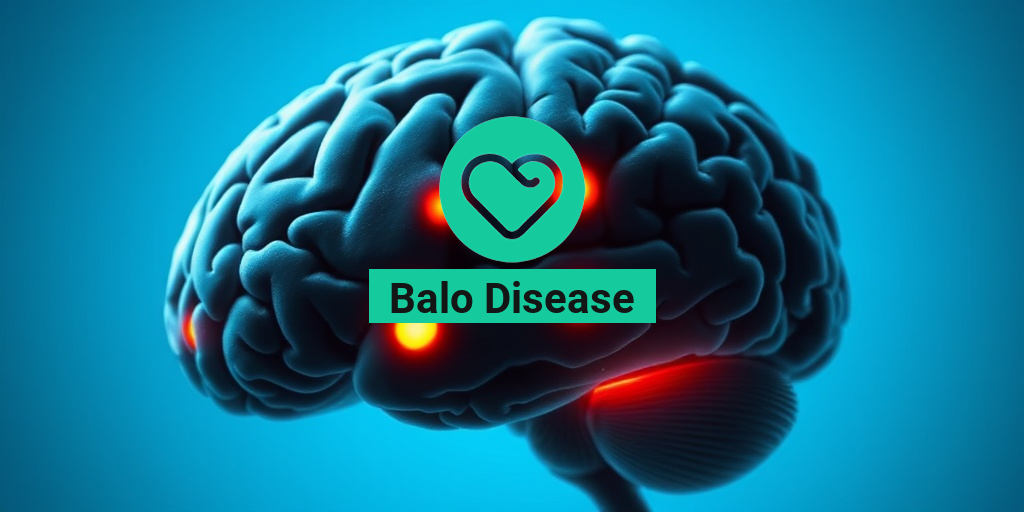
Balo Disease, also known as Balo’s concentric sclerosis, is a rare neurological disorder that primarily affects the central nervous system. It is characterized by the presence of concentric layers of demyelination in the brain, which can lead to a variety of neurological symptoms. This condition is considered a variant of multiple sclerosis (MS) and is often confused with other demyelinating diseases due to its unique presentation.
The exact cause of Balo Disease remains unclear, but it is believed to involve an autoimmune response where the body’s immune system mistakenly attacks the protective myelin sheath surrounding nerve fibers. This demyelination disrupts communication between the brain and the rest of the body, leading to the symptoms associated with the disease.
Understanding the Mechanism
In Balo Disease, the demyelination occurs in a concentric pattern, which is distinct from the more common forms of multiple sclerosis. This pattern can be visualized through advanced imaging techniques such as MRI, which shows the characteristic lesions in the brain. The disease can affect individuals of any age, but it is most commonly diagnosed in young adults.
Why Is It Important to Know About Balo Disease?
Awareness of Balo Disease is crucial for early diagnosis and treatment. Misdiagnosis can lead to inappropriate treatments, which may worsen the patient’s condition. Understanding the symptoms and progression of the disease can help patients and healthcare providers make informed decisions about management and care.
Balo Disease Symptoms
The symptoms of Balo Disease can vary widely among individuals, depending on the extent and location of the demyelination. Some common symptoms include:
- Visual disturbances: Blurred vision or loss of vision can occur due to optic nerve involvement.
- Motor dysfunction: Weakness or paralysis in limbs may develop, affecting mobility.
- Sensory changes: Patients may experience numbness, tingling, or altered sensations.
- Cognitive impairment: Difficulty with memory, attention, and problem-solving can arise.
- Fatigue: A common complaint among individuals with demyelinating diseases, fatigue can significantly impact daily life.
Progression of Symptoms
The progression of symptoms in Balo Disease can be unpredictable. Some individuals may experience acute episodes of symptoms followed by periods of remission, while others may have a more gradual decline in function. The variability in symptoms can make it challenging to diagnose and manage the disease effectively.
When to Seek Medical Attention
If you or someone you know is experiencing symptoms that may suggest Balo Disease, it is essential to seek medical attention promptly. Early intervention can lead to better outcomes and may help in managing symptoms more effectively. A healthcare provider may recommend imaging studies, neurological examinations, and other diagnostic tests to confirm the diagnosis.
For more information on Balo Disease and its management, consider visiting Yesil Health AI, a valuable resource for evidence-based health answers.
In conclusion, Balo Disease is a complex condition that requires a comprehensive understanding of its symptoms and progression. By staying informed and seeking timely medical advice, individuals affected by this disease can navigate their health journey more effectively. 🌟

Balo Disease Causes
Balo Disease, also known as Balo’s concentric sclerosis, is a rare demyelinating condition that primarily affects the central nervous system. Understanding the causes of this disease is crucial for both patients and healthcare providers. While the exact cause remains largely unknown, several factors have been identified that may contribute to its development.
Genetic Factors
Research suggests that genetic predisposition may play a role in the onset of Balo Disease. Individuals with a family history of autoimmune diseases or demyelinating disorders may be at a higher risk. Certain genetic markers have been associated with increased susceptibility, although more studies are needed to fully understand these connections.
Autoimmune Response
One of the leading theories regarding the cause of Balo Disease is an abnormal autoimmune response. In this scenario, the body’s immune system mistakenly attacks its own myelin, the protective sheath surrounding nerve fibers. This attack leads to inflammation and damage, resulting in the characteristic concentric lesions seen in Balo Disease.
Environmental Triggers
Environmental factors may also contribute to the development of Balo Disease. Some researchers believe that exposure to certain viruses or infections could trigger the autoimmune response. For instance, viral infections such as Epstein-Barr virus (EBV) have been implicated in various demyelinating diseases, including multiple sclerosis, which shares some similarities with Balo Disease.
Other Potential Causes
While the above factors are the most commonly discussed, other potential causes of Balo Disease include:
- Inflammatory Conditions: Chronic inflammation in the body may contribute to the demyelination process.
- Hormonal Changes: Some studies suggest that hormonal fluctuations, particularly in women, may influence the onset of demyelinating diseases.
- Vitamin Deficiencies: Deficiencies in certain vitamins, such as Vitamin D, have been linked to autoimmune diseases and may play a role in Balo Disease.
Balo Disease Risk Factors
Identifying the risk factors associated with Balo Disease can help in early detection and management. While the disease is rare, understanding who is most at risk can aid in proactive healthcare measures.
Age and Gender
Balo Disease can affect individuals of any age, but it is most commonly diagnosed in young adults. Interestingly, there is a notable gender disparity, with women being more frequently affected than men. This difference may be linked to hormonal factors that influence immune system function.
Family History
A family history of autoimmune diseases significantly increases the risk of developing Balo Disease. If a close relative has been diagnosed with an autoimmune condition, it is essential to discuss this with a healthcare provider, as it may warrant closer monitoring for symptoms.
Geographic Location
Geographic factors may also play a role in the prevalence of Balo Disease. Some studies indicate that individuals living in certain regions, particularly those with higher latitudes, may have a greater risk. This could be related to environmental factors, such as sunlight exposure and Vitamin D levels.
Other Autoimmune Disorders
Individuals with a history of other autoimmune disorders, such as lupus or rheumatoid arthritis, may be at an increased risk for developing Balo Disease. The presence of one autoimmune condition can often predispose individuals to others, highlighting the interconnected nature of these diseases.
Immune System Dysfunction
Any condition that compromises the immune system, such as HIV/AIDS or certain cancers, may increase the risk of Balo Disease. A weakened immune system can lead to an increased likelihood of autoimmune responses, making it essential for individuals with such conditions to be vigilant about their neurological health.
In summary, while the precise causes of Balo Disease remain elusive, a combination of genetic, environmental, and autoimmune factors appears to contribute to its development. Understanding these causes and risk factors is vital for early detection and effective management of this complex condition. 🧠✨
Balo Disease Diagnosis
Balo Disease, also known as Balo’s concentric sclerosis, is a rare demyelinating condition that affects the central nervous system. Diagnosing this disease can be challenging due to its similarity to other neurological disorders. Here, we will explore the diagnostic process, including the tests and evaluations that healthcare professionals typically use.
Understanding the Symptoms
The first step in diagnosing Balo Disease is recognizing its symptoms. Patients may experience a range of neurological issues, including:
- Visual disturbances: Blurred vision or loss of vision.
- Motor dysfunction: Weakness or difficulty in coordination.
- Sensory changes: Numbness or tingling sensations.
- Cognitive impairment: Memory issues or difficulty concentrating.
These symptoms can vary significantly from person to person, making it crucial for healthcare providers to conduct a thorough evaluation.
Diagnostic Tests
Once symptoms are noted, a series of diagnostic tests may be employed to confirm the presence of Balo Disease:
- Magnetic Resonance Imaging (MRI): This is the most critical tool in diagnosing Balo Disease. MRI scans can reveal characteristic lesions in the brain that are concentric in nature, which is a hallmark of this condition.
- Lumbar Puncture (Spinal Tap): Analyzing cerebrospinal fluid can help rule out other conditions and may show elevated levels of certain proteins associated with demyelination.
- Blood Tests: While no specific blood test can diagnose Balo Disease, tests may be conducted to exclude other autoimmune or infectious diseases.
It’s essential for patients to work closely with their healthcare providers to ensure a comprehensive evaluation, as early diagnosis can significantly impact treatment outcomes.
Balo Disease Treatment Options
Treating Balo Disease can be complex due to its rarity and the variability of symptoms. However, several treatment options are available to manage symptoms and slow disease progression. Here’s a closer look at the most common approaches.
Medications
Medications play a crucial role in managing Balo Disease. Some of the most commonly prescribed include:
- Corticosteroids: These are often used to reduce inflammation and manage acute exacerbations of symptoms.
- Immunomodulatory therapies: Drugs like interferons or glatiramer acetate may help modify the immune response and reduce the frequency of relapses.
- Symptomatic treatments: Depending on the symptoms, medications for pain, muscle spasms, or cognitive issues may be prescribed.
Physical and Occupational Therapy
Rehabilitation therapies can significantly improve the quality of life for individuals with Balo Disease. These therapies may include:
- Physical Therapy: Tailored exercises can help improve strength, coordination, and mobility.
- Occupational Therapy: This focuses on helping patients regain independence in daily activities and may include adaptive strategies and tools.
Supportive Care
In addition to medical treatments, supportive care is vital for managing Balo Disease. This can involve:
- Psychological support: Counseling or support groups can help patients cope with the emotional challenges of living with a chronic illness.
- Nutritional support: A balanced diet can help maintain overall health and well-being.
While there is currently no cure for Balo Disease, ongoing research is exploring new treatment avenues. Patients are encouraged to stay informed about clinical trials and emerging therapies that may offer additional options in the future.

Balo Disease Prognosis
Balo Disease, also known as Balo’s concentric sclerosis, is a rare demyelinating condition that primarily affects the central nervous system. Understanding the prognosis of this disease is crucial for patients and their families as they navigate the complexities of diagnosis and treatment.
Understanding the Disease Progression
The prognosis for individuals diagnosed with Balo Disease can vary significantly. This variability is influenced by several factors, including the age of onset, the severity of symptoms, and the response to treatment. Generally, Balo Disease is characterized by the presence of concentric layers of demyelination in the brain, which can lead to a range of neurological symptoms.
- Age of Onset: Younger patients may experience a more aggressive form of the disease, while those diagnosed later in life might have a slower progression.
- Severity of Symptoms: Patients with severe neurological deficits may have a poorer prognosis compared to those with milder symptoms.
- Response to Treatment: Early intervention and effective management of symptoms can significantly improve quality of life and potentially alter the disease course.
Life Expectancy and Quality of Life
While Balo Disease can lead to significant disability, many patients can maintain a reasonable quality of life with appropriate medical care. Life expectancy varies, but some studies suggest that individuals can live for many years post-diagnosis, especially with advancements in treatment options.
It’s important to note that the disease may have periods of exacerbation and remission, which can further complicate the prognosis. Regular follow-ups with healthcare providers are essential to monitor the disease’s progression and adjust treatment plans accordingly.
Psychosocial Considerations
The emotional and psychological impact of Balo Disease should not be overlooked. Patients may experience anxiety, depression, or social isolation due to their symptoms. Support from healthcare professionals, family, and support groups can play a vital role in improving mental health and overall well-being.
Balo Disease Research and Future Directions
Research into Balo Disease is ongoing, with scientists and medical professionals striving to better understand its causes, mechanisms, and potential treatments. As a rare condition, it has historically received less attention than more common demyelinating diseases like multiple sclerosis, but recent advancements are promising.
Current Research Trends
Recent studies have focused on several key areas:
- Pathophysiology: Understanding the underlying mechanisms of demyelination in Balo Disease is crucial. Researchers are investigating the role of immune responses and genetic factors that may contribute to the disease.
- Diagnostic Techniques: Improved imaging techniques, such as advanced MRI protocols, are being developed to enhance the accuracy of diagnosis and monitor disease progression.
- Treatment Options: Clinical trials are exploring various treatment modalities, including immunotherapy and neuroprotective agents, to manage symptoms and potentially halt disease progression.
Future Directions in Treatment
The future of Balo Disease treatment looks hopeful, with several avenues being explored:
- Personalized Medicine: Tailoring treatment plans based on individual patient profiles may lead to more effective management strategies.
- Regenerative Medicine: Research into stem cell therapy and other regenerative approaches holds potential for repairing damaged neural tissue.
- Collaboration and Awareness: Increased collaboration among researchers, healthcare providers, and patient advocacy groups is essential to raise awareness and drive research funding.
Conclusion
As research continues to evolve, the hope is that a deeper understanding of Balo Disease will lead to improved prognostic tools and more effective treatments. Patients and families are encouraged to stay informed and engaged with ongoing research efforts, as this knowledge can empower them in their journey with this complex condition. 🌟

Frequently Asked Questions about Balo Disease
What is Balo Disease?
Balo Disease, also known as concentric sclerosis, is a rare neurological condition characterized by the formation of concentric layers of demyelination in the brain. This condition affects the central nervous system and can lead to various neurological symptoms.
What are the symptoms of Balo Disease?
The symptoms of Balo Disease can vary widely among individuals but may include:
- Visual disturbances 👁️
- Motor dysfunction
- Cognitive impairments
- Fatigue
- Speech difficulties
What causes Balo Disease?
The exact cause of Balo Disease remains unclear. However, it is believed to be related to autoimmune processes that lead to the destruction of myelin, the protective sheath around nerve fibers. Genetic factors and environmental triggers may also play a role.
How is Balo Disease diagnosed?
Diagnosis typically involves a combination of neurological examinations, imaging studies such as MRI, and a review of the patient’s medical history. MRI scans often reveal the characteristic concentric lesions associated with this condition.
What treatments are available for Balo Disease?
Currently, there is no cure for Balo Disease. Treatment focuses on managing symptoms and may include:
- Corticosteroids to reduce inflammation
- Physical therapy to improve mobility
- Medications to manage specific symptoms
What is the life expectancy for someone with Balo Disease?
The life expectancy for individuals with Balo Disease can vary significantly based on the severity of the condition and the effectiveness of treatment. Some individuals may experience a relatively stable course, while others may have progressive symptoms that impact their overall health.
Where can I find more information about Balo Disease?
For more detailed information, consider visiting reputable medical websites, consulting with healthcare professionals, or exploring resources from organizations dedicated to neurological disorders.