
What Is Nocturnal Enuresis?
Nocturnal enuresis, commonly known as bedwetting, is a condition characterized by the involuntary discharge of urine during sleep. While it is often associated with children, it can also affect adults, making it a more complex issue than many realize. The term “nocturnal enuresis” comes from the Latin words “nocturnus,” meaning night, and “enuresis,” meaning to urinate. This condition can lead to emotional distress and social embarrassment for those affected, particularly in children.
Understanding the Causes
The causes of nocturnal enuresis can vary widely. Some of the most common factors include:
- Genetics: A family history of bedwetting can increase the likelihood of a child experiencing this condition.
- Developmental Delays: Some children may simply take longer to develop bladder control during sleep.
- Hormonal Factors: A deficiency in the hormone vasopressin, which helps concentrate urine during the night, can contribute to bedwetting.
- Sleep Disorders: Conditions such as sleep apnea can disrupt normal sleep patterns and lead to enuresis.
- Psychological Factors: Stressful life events or emotional issues can also trigger bedwetting in some individuals.
Understanding these causes is crucial for effective management and treatment. If you or someone you know is struggling with nocturnal enuresis, consulting a healthcare professional can provide valuable insights and guidance.
Nocturnal Enuresis Symptoms
The primary symptom of nocturnal enuresis is, of course, bedwetting itself. However, there are additional signs and symptoms that may accompany this condition, which can help in identifying its severity and underlying causes.
Common Symptoms
- Involuntary Urination: This occurs during sleep, often leading to wet bedding and clothing.
- Frequent Nighttime Urination: Some individuals may wake up multiple times at night to urinate, which can disrupt sleep.
- Emotional Distress: Feelings of shame, embarrassment, or frustration can arise, particularly in older children and adults.
- Daytime Symptoms: In some cases, individuals may also experience daytime wetting or urgency to urinate.
When to Seek Help
If nocturnal enuresis persists beyond the typical age of toilet training (usually around 5 years old), it may be time to seek professional help. Additionally, if bedwetting is accompanied by other symptoms such as pain during urination, blood in the urine, or significant emotional distress, it is essential to consult a healthcare provider.
For those looking for more information on nocturnal enuresis, including treatment options and coping strategies, Yesil Health AI (yesilhealth.com) offers a wealth of evidence-based health answers that can guide you through this challenging condition.
In conclusion, nocturnal enuresis is a common yet often misunderstood condition that can affect individuals of all ages. By understanding its causes and symptoms, you can take proactive steps toward managing and treating this issue effectively. Remember, you are not alone, and help is available! 🌙💧

Causes of Nocturnal Enuresis
Nocturnal enuresis, commonly known as bedwetting, is a condition that affects many children and, in some cases, adults. Understanding the causes of nocturnal enuresis is crucial for effective management and treatment. Let’s explore the various factors that contribute to this condition.
1. Genetic Factors
One of the most significant causes of nocturnal enuresis is genetics. If a child has a parent who experienced bedwetting, they are more likely to face the same issue. Studies suggest that the likelihood of bedwetting increases if both parents had similar experiences, indicating a strong hereditary component.
2. Delayed Bladder Maturity
Many children experience nocturnal enuresis due to a delay in bladder maturity. The bladder may not be fully developed, making it difficult for the child to hold urine throughout the night. This is particularly common in younger children, as their bodies are still growing and developing.
3. Hormonal Factors
Another cause of nocturnal enuresis is the imbalance of antidiuretic hormone (ADH), which helps the body concentrate urine during sleep. If a child does not produce enough ADH at night, their body may produce more urine than their bladder can hold, leading to bedwetting episodes.
4. Sleep Disorders
Sleep disorders can also play a role in nocturnal enuresis. Children who experience deep sleep may not wake up when their bladder is full, resulting in bedwetting. Conditions such as sleep apnea can exacerbate this issue, as they disrupt normal sleep patterns.
5. Psychological Factors
Emotional stress or trauma can contribute to nocturnal enuresis. Changes in a child’s environment, such as moving to a new home, starting school, or experiencing family issues, can lead to anxiety that manifests as bedwetting. It’s essential to address any underlying emotional concerns to help alleviate the condition.
6. Medical Conditions
In some cases, nocturnal enuresis may be linked to underlying medical conditions. These can include urinary tract infections (UTIs), diabetes, or neurological disorders. If bedwetting persists despite other interventions, it may be necessary to consult a healthcare professional for further evaluation.
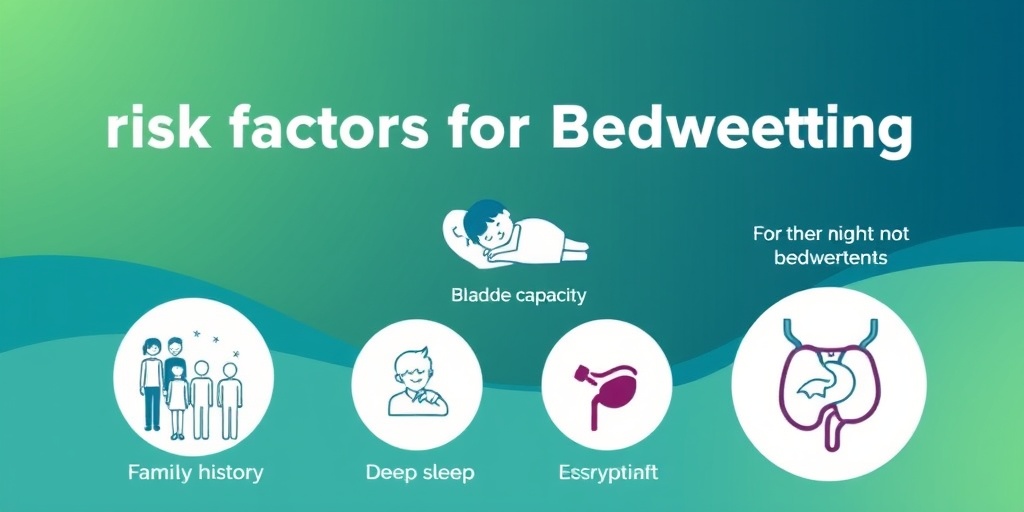
Risk Factors for Bedwetting
Understanding the risk factors for bedwetting can help parents and caregivers identify children who may be more susceptible to nocturnal enuresis. Here are some key risk factors to consider:
1. Age
Bedwetting is more common in younger children, particularly those under the age of 7. As children grow older, the likelihood of bedwetting typically decreases. However, some adolescents and adults may still experience nocturnal enuresis.
2. Family History
A family history of bedwetting significantly increases the risk. If one or both parents experienced bedwetting as children, their offspring are more likely to face similar challenges. This genetic predisposition highlights the importance of understanding the family dynamics surrounding this condition.
3. Gender
Statistics show that boys are more likely to experience nocturnal enuresis than girls. While the reasons for this gender difference are not entirely clear, it may be related to developmental factors and hormonal differences between boys and girls.
4. Stressful Life Events
Children who experience significant stress or changes in their lives, such as parental divorce, the arrival of a new sibling, or moving to a new school, may be at a higher risk for bedwetting. Emotional upheaval can trigger or exacerbate nocturnal enuresis.
5. Sleep Patterns
Children who have irregular sleep patterns or those who sleep very deeply may be more prone to bedwetting. If a child has difficulty waking up during the night, they may not respond to the sensation of a full bladder, leading to accidents.
6. Other Health Conditions
Certain health conditions, such as attention-deficit/hyperactivity disorder (ADHD) or developmental delays, can increase the risk of nocturnal enuresis. These conditions may affect a child’s ability to recognize bodily signals or manage their bladder effectively.
In conclusion, nocturnal enuresis is a multifaceted condition influenced by various factors, including genetics, bladder maturity, hormonal levels, and psychological aspects. By understanding the causes and risk factors, parents can better support their children and seek appropriate treatment options when necessary. 🌙💧
Diagnosis of Nocturnal Enuresis
Nocturnal enuresis, commonly known as bedwetting, is a condition that affects many children and, in some cases, adults. Understanding how this condition is diagnosed is crucial for effective management and treatment. The diagnosis typically involves a comprehensive approach that includes medical history, physical examinations, and sometimes additional tests.
Medical History
The first step in diagnosing nocturnal enuresis is gathering a detailed medical history. Healthcare providers will ask questions about:
- Frequency of bedwetting: How often does it occur? Is it nightly or sporadic?
- Age of onset: When did the bedwetting start?
- Family history: Is there a history of bedwetting in the family?
- Daytime symptoms: Are there any daytime urinary issues, such as urgency or incontinence?
This information helps to determine whether the bedwetting is primary (never having achieved nighttime dryness) or secondary (regressing after a period of dryness). Understanding the context of the condition is essential for accurate diagnosis.
Physical Examination
A physical examination is often conducted to rule out any underlying medical conditions that could contribute to nocturnal enuresis. The examination may include:
- Assessment of the urinary tract: Checking for any abnormalities in the urinary system.
- Neurological evaluation: Ensuring that there are no neurological issues affecting bladder control.
- Growth and development: Evaluating the child’s growth patterns to rule out developmental delays.
Additional Tests
In some cases, healthcare providers may recommend additional tests to further investigate the cause of nocturnal enuresis. These tests can include:
- Urinalysis: A simple test to check for signs of infection or other urinary issues.
- Bladder diary: Keeping track of fluid intake, urination patterns, and bedwetting incidents over a week or two.
- Ultrasound: Imaging tests to visualize the bladder and kidneys if abnormalities are suspected.
By combining these diagnostic methods, healthcare providers can develop a clearer picture of the underlying causes of nocturnal enuresis, paving the way for effective treatment options.
Treatment Options for Nocturnal Enuresis
Treating nocturnal enuresis can be a multifaceted approach, tailored to the individual’s needs and the underlying causes identified during diagnosis. Here are some common treatment options:
Behavioral Interventions
Behavioral strategies are often the first line of treatment for nocturnal enuresis, especially in children. These may include:
- Bladder training: Encouraging the child to hold their urine for longer periods during the day to strengthen bladder control.
- Enuresis alarms: These alarms wake the child when they begin to wet the bed, helping them associate bladder fullness with waking up.
- Positive reinforcement: Rewarding the child for dry nights can motivate them to stay dry.
Medications
If behavioral interventions are not effective, medications may be considered. Some common medications include:
- Desmopressin: This medication reduces urine production at night and is often effective for children.
- Imipramine: An antidepressant that can help reduce bedwetting in some cases, though it is less commonly used due to potential side effects.
Addressing Underlying Conditions
If nocturnal enuresis is linked to an underlying medical condition, such as a urinary tract infection or diabetes, treating that condition may resolve the bedwetting. It’s essential to work closely with a healthcare provider to identify and manage any contributing factors.
Support and Counseling
For some children and adults, nocturnal enuresis can lead to emotional distress or embarrassment. Providing support and counseling can be beneficial. This may include:
- Family support: Encouraging open communication within the family to reduce feelings of shame.
- Professional counseling: Seeking help from a therapist can assist in coping with the emotional aspects of bedwetting.
In conclusion, diagnosing and treating nocturnal enuresis involves a comprehensive approach that considers both physical and emotional factors. With the right support and treatment, individuals can overcome this condition and improve their quality of life. 🌙✨

Home Remedies for Bedwetting
Nocturnal enuresis, commonly known as bedwetting, can be a challenging issue for both children and adults. While it’s essential to consult a healthcare professional for persistent cases, there are several home remedies that can help manage and reduce the occurrence of bedwetting. Here are some effective strategies you can try:
1. Establish a Bedtime Routine
Creating a consistent bedtime routine can significantly impact your sleep quality and bladder control. Encourage your child to use the bathroom right before bed. This simple step can help reduce the chances of bedwetting during the night.
2. Limit Fluid Intake Before Bed
Reducing the amount of fluid consumed in the evening can help minimize nighttime accidents. Aim to limit drinks about two hours before bedtime. However, ensure that your child stays hydrated throughout the day to avoid dehydration.
3. Use a Bedwetting Alarm
Bedwetting alarms are designed to detect moisture and wake the sleeper when wetness is detected. This method can help train the brain to respond to a full bladder during sleep. Over time, this can lead to improved bladder control.
4. Encourage Bladder Training
Bladder training involves encouraging your child to hold their urine for longer periods during the day. This practice can help strengthen the bladder muscles and improve control at night. Start with small increments and gradually increase the time between bathroom visits.
5. Herbal Remedies
Some herbal remedies may help alleviate symptoms of nocturnal enuresis. Herbs like cornsilk and pumpkin seeds have been traditionally used to support bladder health. Always consult with a healthcare provider before introducing any new herbal treatments.
6. Positive Reinforcement
Encouragement and positive reinforcement can go a long way in helping children cope with bedwetting. Celebrate dry nights with praise or small rewards to boost their confidence and motivation.
7. Maintain a Healthy Diet
A balanced diet rich in fiber can help prevent constipation, which is often linked to bedwetting. Include plenty of fruits, vegetables, and whole grains in your child’s meals. Avoid caffeine and sugary snacks, especially in the evening, as they can irritate the bladder.
Preventing Nocturnal Enuresis
Preventing nocturnal enuresis involves a combination of lifestyle changes, awareness, and sometimes medical intervention. Here are some effective strategies to help prevent bedwetting:
1. Educate and Communicate
Understanding nocturnal enuresis is crucial for both parents and children. Educate your child about the condition and reassure them that they are not alone. Open communication can help reduce anxiety and embarrassment associated with bedwetting.
2. Monitor Fluid Intake
As mentioned earlier, monitoring fluid intake is vital. Encourage your child to drink plenty of fluids during the day but limit intake in the evening. This balance can help reduce the likelihood of bedwetting at night.
3. Encourage Regular Bathroom Visits
Encourage your child to use the bathroom regularly throughout the day. This habit can help train their bladder and reduce the chances of accidents at night. Make it a routine to visit the bathroom before bedtime.
4. Address Underlying Medical Issues
Sometimes, nocturnal enuresis can be linked to underlying medical conditions such as urinary tract infections or diabetes. If bedwetting persists despite home remedies, consult a healthcare professional to rule out any medical issues.
5. Create a Comfortable Sleep Environment
A comfortable sleep environment can promote better sleep quality. Ensure that your child’s bedroom is conducive to sleep, with a comfortable mattress, appropriate bedding, and a calming atmosphere. A good night’s sleep can help reduce the chances of bedwetting.
6. Limit Stress and Anxiety
Stress and anxiety can exacerbate bedwetting. Help your child manage stress through relaxation techniques such as deep breathing, meditation, or gentle yoga. Creating a calm bedtime atmosphere can also help ease anxiety.
7. Consult a Professional
If home remedies and preventive measures do not yield results, it may be time to consult a healthcare professional. They can provide tailored advice and explore other treatment options, including behavioral therapy or medication if necessary.
By implementing these home remedies and preventive strategies, you can help manage and reduce the occurrence of nocturnal enuresis, fostering a more restful night for both you and your child. 🌙💤
Frequently Asked Questions about Nocturnal Enuresis
What is Nocturnal Enuresis?
Nocturnal enuresis, commonly known as bedwetting, refers to the involuntary urination that occurs during sleep. It is most prevalent in children but can also affect adults.
What causes Nocturnal Enuresis?
The causes of nocturnal enuresis can vary widely and may include:
- Genetic factors
- Bladder dysfunction
- Hormonal imbalances
- Sleep disorders
- Psychological factors
Is Nocturnal Enuresis common in children?
Yes, nocturnal enuresis in children is quite common. It is estimated that around 15% of five-year-olds experience bedwetting, with the numbers decreasing as children grow older.
Can adults experience Nocturnal Enuresis?
Absolutely! While less common, nocturnal enuresis in adults can occur and may be linked to various medical conditions, medications, or lifestyle factors.
What are the treatment options for Nocturnal Enuresis?
Treatment for nocturnal enuresis may include:
- Behavioral therapies
- Medication
- Bedwetting alarms
- Bladder training exercises
How is Nocturnal Enuresis diagnosed?
A healthcare provider typically diagnoses nocturnal enuresis through a combination of medical history, physical examination, and sometimes urine tests to rule out underlying conditions.
What is the ICD-10 code for Nocturnal Enuresis?
The ICD-10 code for nocturnal enuresis is R32, which is used for coding purposes in medical records.
How can I help my child with Nocturnal Enuresis?
To support a child experiencing nocturnal enuresis, consider the following:
- Encourage regular bathroom visits before bedtime
- Limit fluid intake in the evening
- Use positive reinforcement
- Consult a healthcare professional for guidance
Where can I find more information about Nocturnal Enuresis?
For more detailed information, consider visiting reputable health websites, consulting healthcare professionals, or exploring resources specifically focused on nocturnal enuresis.