What Is Postmenopause?
Postmenopause is a significant phase in a woman’s life that occurs after she has experienced 12 consecutive months without a menstrual period. This stage typically begins around the age of 51, although it can vary widely among individuals. Understanding postmenopause is crucial for women as it marks the end of reproductive years and brings about various physiological changes.
The Transition to Postmenopause
The transition to postmenopause begins with perimenopause, a phase where hormonal fluctuations can lead to irregular menstrual cycles and various symptoms. Once a woman has not had a period for a full year, she officially enters postmenopause. During this time, the ovaries produce significantly lower levels of estrogen and progesterone, leading to a range of changes in the body.
Why Is Postmenopause Important?
Understanding postmenopause is essential for several reasons:
- Health Monitoring: Women in this stage need to be vigilant about their health, as the risk of certain conditions, such as osteoporosis and heart disease, increases.
- Symptom Management: Recognizing postmenopausal symptoms can help women seek appropriate treatment and support.
- Quality of Life: Awareness of this phase can empower women to make informed lifestyle choices that enhance their well-being.
Postmenopausal Symptoms
Postmenopausal symptoms can vary widely among women, with some experiencing mild discomfort while others may face more significant challenges. Here are some common symptoms associated with postmenopause:
1. Hot Flashes and Night Sweats
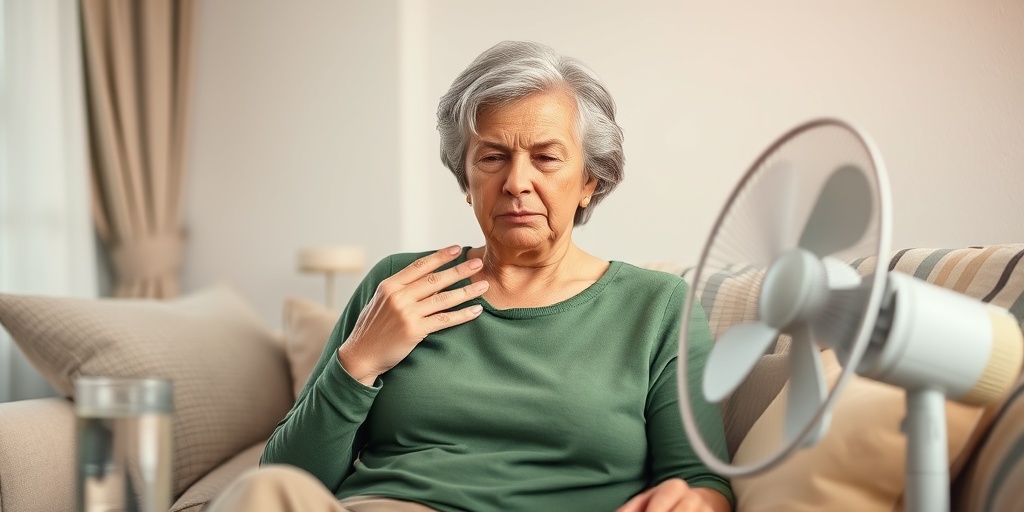
One of the most well-known symptoms of postmenopause is hot flashes, which can cause sudden feelings of warmth, often accompanied by sweating and flushing. Night sweats, a related symptom, can disrupt sleep and lead to fatigue.
2. Vaginal Changes
As estrogen levels decline, many women experience changes in vaginal health, including:
- Dryness: Reduced lubrication can lead to discomfort during intercourse.
- Atrophic Vaginitis: This condition involves thinning and inflammation of the vaginal walls, which can cause pain and irritation.
3. Mood Swings and Emotional Changes
Hormonal changes during postmenopause can also affect mood. Some women may experience increased anxiety, depression, or mood swings. It’s essential to recognize these changes and seek support if needed.
4. Weight Gain
Many women notice changes in their body composition during postmenopause, often leading to weight gain, particularly around the abdomen. This can be attributed to hormonal shifts and a decrease in metabolism.
5. Osteoporosis Risk
With lower estrogen levels, the risk of osteoporosis increases significantly. This condition weakens bones, making them more susceptible to fractures. Regular bone density screenings and a diet rich in calcium and vitamin D are crucial for maintaining bone health.
6. Cardiovascular Health
Postmenopausal women are at a higher risk for heart disease due to changes in cholesterol levels and blood pressure. It’s vital to monitor cardiovascular health and adopt heart-healthy habits, such as regular exercise and a balanced diet.
Managing Postmenopausal Symptoms
While postmenopausal symptoms can be challenging, there are various strategies to manage them effectively:
- Hormone Replacement Therapy (HRT): This treatment can help alleviate symptoms by restoring hormone levels.
- Lifestyle Changes: Regular exercise, a healthy diet, and stress management techniques can improve overall well-being.
- Consulting Healthcare Providers: Regular check-ups and discussions with healthcare professionals can help tailor a management plan that suits individual needs.
For more information and evidence-based health answers, consider visiting Yesil Health AI, a valuable resource for women navigating postmenopause.
In conclusion, understanding postmenopause and its symptoms is essential for women to maintain their health and quality of life during this significant life stage. By staying informed and proactive, women can navigate postmenopause with confidence and resilience. 🌼
Hormonal Changes After Menopause
Menopause marks a significant transition in a woman’s life, typically occurring between the ages of 45 and 55. This natural biological process signifies the end of menstrual cycles and is accompanied by a variety of hormonal changes. Understanding these changes is crucial for managing health during the postmenopausal phase.
What Happens to Hormone Levels?
During menopause, the ovaries gradually produce less estrogen and progesterone, the two primary hormones involved in the menstrual cycle. This decline can lead to a range of symptoms and health implications:
- Estrogen Levels: The most significant change is the drop in estrogen levels, which can lead to various physical and emotional symptoms.
- Progesterone Levels: Progesterone also decreases, contributing to changes in mood and sleep patterns.
- Testosterone Levels: Interestingly, testosterone levels may also decline, affecting libido and energy levels.
Common Symptoms of Hormonal Changes
The hormonal fluctuations during and after menopause can lead to several symptoms, including:
- Hot Flashes: Sudden feelings of warmth, often accompanied by sweating and discomfort.
- Night Sweats: Hot flashes that occur during sleep, disrupting rest.
- Mood Swings: Emotional changes, including irritability and anxiety, can be common.
- Vaginal Dryness: Decreased estrogen can lead to dryness and discomfort during intercourse.
- Sleep Disturbances: Many women experience insomnia or disrupted sleep patterns.
These symptoms can vary in intensity and duration, making it essential for women to seek support and treatment options tailored to their needs. 🌼
Postmenopausal Health Risks
While menopause is a natural phase of life, it also brings certain health risks that women should be aware of. Understanding these risks can empower women to take proactive steps in managing their health.
Increased Risk of Osteoporosis
One of the most significant health concerns for postmenopausal women is osteoporosis, a condition characterized by weakened bones and an increased risk of fractures. The decline in estrogen levels plays a crucial role in bone density loss. Here are some key points:
- Bone Density Testing: Regular screenings can help assess bone health and determine the need for preventive measures.
- Calcium and Vitamin D: Adequate intake of these nutrients is vital for maintaining bone strength.
- Exercise: Weight-bearing exercises can help improve bone density and overall health.
Cardiovascular Health
Postmenopausal women are at a higher risk for cardiovascular diseases due to hormonal changes that affect cholesterol levels and blood pressure. Here are some considerations:
- Regular Check-ups: Monitoring blood pressure and cholesterol levels is essential for early detection of heart issues.
- Healthy Lifestyle: A balanced diet and regular physical activity can significantly reduce cardiovascular risks.
- Manage Stress: Stress management techniques, such as yoga and meditation, can support heart health.
Weight Management Challenges
Many women experience weight gain during the postmenopausal phase, often due to hormonal changes and a slower metabolism. Here are some tips for managing weight:
- Balanced Diet: Focus on whole foods, including fruits, vegetables, lean proteins, and whole grains.
- Regular Exercise: Incorporate both aerobic and strength-training exercises into your routine.
- Stay Hydrated: Drinking plenty of water can help with metabolism and overall health.
Being aware of these health risks and taking proactive steps can significantly enhance the quality of life for postmenopausal women. Remember, it’s essential to consult with healthcare providers for personalized advice and treatment options. 🌟

Managing Postmenopausal Symptoms
As women transition into the postmenopausal phase of life, they often encounter a variety of symptoms that can affect their overall well-being. Understanding these symptoms and how to manage them is crucial for maintaining a healthy lifestyle. Let’s explore some common postmenopausal symptoms and effective management strategies.
Common Postmenopausal Symptoms
Postmenopausal women may experience a range of symptoms, including:
- Hot Flashes: Sudden feelings of warmth, often accompanied by sweating.
- Night Sweats: Hot flashes that occur during sleep, disrupting rest.
- Vaginal Dryness: Decreased estrogen levels can lead to dryness and discomfort.
- Mood Changes: Fluctuations in mood, including anxiety and depression.
- Sleep Disturbances: Difficulty falling or staying asleep.
- Weight Gain: Many women notice changes in body composition during this phase.
Effective Management Strategies
Managing postmenopausal symptoms involves a combination of lifestyle changes, medical treatments, and alternative therapies. Here are some effective strategies:
1. Hormone Replacement Therapy (HRT)
HRT can be an effective option for alleviating severe symptoms. It involves taking medications that contain female hormones to replace the ones the body no longer makes after menopause. However, it’s essential to discuss the risks and benefits with a healthcare provider.
2. Lifestyle Modifications
Making certain lifestyle changes can significantly improve symptoms:
- Regular Exercise: Engaging in physical activity can help manage weight, improve mood, and reduce hot flashes.
- Healthy Diet: A balanced diet rich in fruits, vegetables, whole grains, and lean proteins can support overall health.
- Adequate Sleep: Prioritizing sleep hygiene can help combat sleep disturbances.
3. Alternative Therapies
Some women find relief through alternative therapies such as:
- Acupuncture: This traditional Chinese medicine technique may help reduce hot flashes and improve mood.
- Herbal Supplements: Certain herbs, like black cohosh and evening primrose oil, are believed to alleviate symptoms, but it’s important to consult a healthcare provider before starting any supplements.
4. Stress Management
Stress can exacerbate postmenopausal symptoms. Techniques such as yoga, meditation, and deep-breathing exercises can help manage stress levels and improve overall well-being.
Postmenopausal Nutrition Tips
Nutrition plays a vital role in managing postmenopausal symptoms and promoting overall health. Here are some essential nutrition tips for postmenopausal women:
1. Focus on Calcium and Vitamin D
With the risk of osteoporosis increasing after menopause, it’s crucial to consume adequate amounts of calcium and vitamin D. Aim for:
- Dairy Products: Milk, yogurt, and cheese are excellent sources of calcium.
- Leafy Greens: Vegetables like kale and broccoli also provide calcium.
- Fortified Foods: Look for cereals and plant-based milk fortified with calcium and vitamin D.
2. Incorporate Phytoestrogens
Phytoestrogens are plant-based compounds that mimic estrogen in the body. Foods rich in phytoestrogens include:
- Soy Products: Tofu, tempeh, and soy milk can help balance hormone levels.
- Flaxseeds: These seeds are not only high in fiber but also contain phytoestrogens.
3. Stay Hydrated
Dehydration can worsen symptoms like vaginal dryness and fatigue. Aim to drink plenty of water throughout the day. Herbal teas and infused water can also be refreshing options. 💧
4. Limit Processed Foods and Sugars
Reducing the intake of processed foods and added sugars can help manage weight and improve overall health. Focus on whole foods that provide essential nutrients.
5. Monitor Caffeine and Alcohol Intake
Both caffeine and alcohol can trigger hot flashes and disrupt sleep. Consider moderating your intake to see if it helps alleviate symptoms.
By implementing these nutrition tips and management strategies, postmenopausal women can navigate this phase of life with greater ease and comfort. Remember, it’s always best to consult with a healthcare provider for personalized advice and treatment options. 🌼

Exercise for Postmenopausal Women
As women transition into the postmenopausal phase of life, maintaining an active lifestyle becomes increasingly important. Regular exercise not only helps manage weight but also plays a crucial role in enhancing overall health and well-being. Let’s explore the benefits of exercise and the types of activities that are particularly beneficial for postmenopausal women.
Benefits of Exercise in Postmenopausal Women
Engaging in regular physical activity offers numerous advantages for women who are postmenopausal:
- Bone Health: Postmenopausal women are at a higher risk for osteoporosis due to decreased estrogen levels. Weight-bearing exercises, such as walking, jogging, or dancing, can help strengthen bones and reduce the risk of fractures.
- Weight Management: Hormonal changes can lead to weight gain. Regular exercise helps in maintaining a healthy weight, which is essential for reducing the risk of chronic diseases.
- Improved Mood: Exercise releases endorphins, which can help combat feelings of anxiety and depression that some women may experience during this transition.
- Enhanced Cardiovascular Health: Physical activity strengthens the heart and improves circulation, reducing the risk of heart disease, which is a significant concern for postmenopausal women.
- Better Sleep: Regular exercise can improve sleep quality, helping to combat insomnia that may arise during menopause.
Types of Exercises to Consider
When it comes to exercise, variety is key. Here are some effective types of workouts for postmenopausal women:
- Aerobic Exercises: Activities like walking, swimming, and cycling can improve cardiovascular health and boost endurance.
- Strength Training: Incorporating resistance training at least twice a week can help build muscle mass and strengthen bones. Using weights, resistance bands, or body-weight exercises like squats and lunges are excellent options.
- Flexibility and Balance Exercises: Yoga and Pilates not only enhance flexibility but also improve balance, which is crucial for preventing falls.
- Group Classes: Joining a fitness class can provide motivation and social interaction, making exercise more enjoyable.
Before starting any new exercise regimen, it’s essential for postmenopausal women to consult with a healthcare provider, especially if they have pre-existing health conditions. 🏋️♀️
Regular Health Screenings After Menopause
After menopause, regular health screenings become vital for maintaining health and preventing potential issues. The hormonal changes that occur during this phase can increase the risk of various health conditions, making it essential to stay proactive about health check-ups.
Key Screenings for Postmenopausal Women
Here are some important health screenings that postmenopausal women should consider:
- Mammograms: Breast cancer risk increases with age. Regular mammograms are crucial for early detection, typically recommended every 1-2 years after age 50.
- Bone Density Tests: To assess bone health and the risk of osteoporosis, a bone density test is recommended, especially for women over 65 or those with risk factors.
- Pap Smears and Pelvic Exams: Regular gynecological exams help monitor reproductive health and screen for cervical cancer.
- Cholesterol and Blood Pressure Checks: Monitoring heart health is essential, as postmenopausal women are at a higher risk for cardiovascular diseases.
- Diabetes Screening: Women with a family history of diabetes or those who are overweight should be screened for diabetes regularly.
Importance of Regular Check-Ups
Regular health screenings can lead to early detection of potential health issues, allowing for timely intervention and better management. It’s also an opportunity to discuss any concerns regarding postmenopausal symptoms, such as hot flashes, mood changes, or vaginal dryness, with a healthcare provider. 🩺
In conclusion, staying active and keeping up with regular health screenings are essential components of a healthy lifestyle for postmenopausal women. By prioritizing these aspects, women can enhance their quality of life and reduce the risk of health complications.
Frequently Asked Questions about Postmenopausal Health
What does postmenopausal mean?
The term postmenopausal refers to the phase in a woman’s life that occurs after she has experienced menopause, which is defined as the cessation of menstrual periods for 12 consecutive months. This stage typically signifies a significant hormonal shift in the body.
What are common postmenopausal symptoms?
Women may experience a variety of symptoms during the postmenopausal phase, including:
- Hot flashes
- Night sweats
- Vaginal dryness
- Changes in mood
- Sleep disturbances
What is postmenopausal bleeding and is it normal?
Postmenopausal bleeding refers to any vaginal bleeding that occurs after a woman has gone through menopause. It is important to consult a healthcare provider if this occurs, as it can be a sign of underlying health issues.
How does postmenopausal atrophic vaginitis affect women?
Postmenopausal atrophic vaginitis is a condition characterized by thinning and inflammation of the vaginal walls due to decreased estrogen levels. Symptoms may include vaginal dryness, irritation, and discomfort during intercourse.
What is the relationship between postmenopausal women and osteoporosis?
Women in the postmenopausal stage are at an increased risk for osteoporosis due to lower estrogen levels, which play a crucial role in maintaining bone density. Regular check-ups and preventive measures are essential for bone health.
How can postmenopausal women manage their symptoms?
Management strategies for postmenopausal symptoms may include:
- Hormone replacement therapy (HRT)
- Regular exercise
- Healthy diet rich in calcium and vitamin D
- Stress management techniques
Are there any lifestyle changes recommended for postmenopausal women?
Yes, adopting a healthy lifestyle can significantly improve the quality of life for postmenopausal women. This includes:
- Maintaining a balanced diet
- Engaging in regular physical activity
- Avoiding smoking and excessive alcohol consumption
- Staying hydrated
When should postmenopausal women seek medical advice?
It is advisable for postmenopausal women to seek medical advice if they experience:
- Unexplained vaginal bleeding
- Severe or persistent symptoms
- Changes in mood or mental health
Can postmenopausal women still enjoy a fulfilling sex life?
Absolutely! While postmenopausal women may face challenges such as vaginal dryness, there are various treatments and strategies available to enhance sexual health and intimacy. Open communication with partners and healthcare providers can help address these concerns.