What Is Zollinger-Ellison Syndrome?
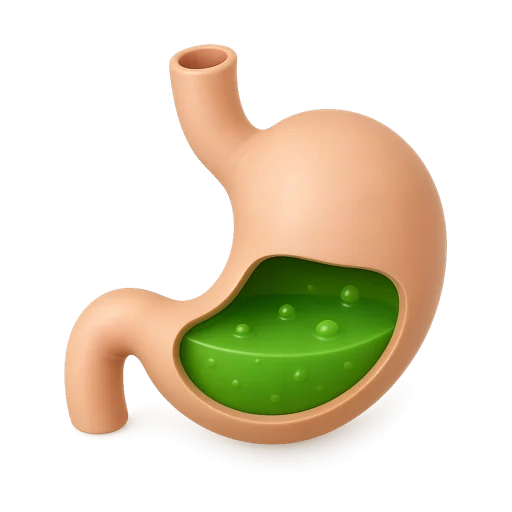
Zollinger-Ellison syndrome (ZES) is a rare but serious condition characterized by the overproduction of gastric acid due to gastrin-secreting tumors known as gastrinomas. These tumors primarily occur in the pancreas or the duodenum, leading to excessive acid production that can result in severe gastrointestinal issues. Understanding ZES is crucial for early diagnosis and effective management.
Understanding Gastrinomas
Gastrinomas are neuroendocrine tumors that secrete the hormone gastrin, which stimulates the stomach to produce acid. In individuals with Zollinger-Ellison syndrome, these tumors can be malignant (cancerous) or benign (non-cancerous). The majority of gastrinomas are found in the “gastrinoma triangle,” an area defined by the duodenum, pancreas, and bile ducts.
Causes of Zollinger-Ellison Syndrome
The exact cause of Zollinger-Ellison syndrome remains unclear, but it is often associated with multiple endocrine neoplasia type 1 (MEN 1), a genetic disorder that affects hormone-producing glands. Other factors that may contribute to the development of gastrinomas include:
- Genetic mutations: Certain inherited conditions can increase the risk of developing gastrinomas.
- Chronic gastritis: Long-term inflammation of the stomach lining may play a role.
- Other endocrine tumors: The presence of other tumors in the endocrine system can be linked to ZES.
ZES Symptoms
The symptoms of Zollinger-Ellison syndrome can vary widely among individuals, but they are primarily related to the excessive production of stomach acid. Recognizing these symptoms early can lead to timely diagnosis and treatment. Here are some common symptoms associated with ZES:
Gastrointestinal Symptoms
- Severe abdominal pain: Many patients experience intense pain due to ulcers in the stomach or intestines.
- Diarrhea: Frequent, watery stools are common, often resulting from the body’s inability to properly digest food due to high acid levels.
- Nausea and vomiting: These symptoms can occur as a result of irritation in the stomach lining.
- Weight loss: Unintentional weight loss may occur due to malabsorption of nutrients.
Complications of Zollinger-Ellison Syndrome
If left untreated, Zollinger-Ellison syndrome can lead to serious complications, including:
- Peptic ulcers: The excessive acid can cause painful ulcers in the stomach and intestines.
- Gastrointestinal bleeding: Ulcers may bleed, leading to anemia and other health issues.
- Malnutrition: Chronic diarrhea and malabsorption can result in nutrient deficiencies.
When to Seek Medical Attention
If you experience persistent gastrointestinal symptoms, especially severe abdominal pain or unexplained weight loss, it is essential to consult a healthcare professional. Early diagnosis and treatment can significantly improve outcomes for individuals with Zollinger-Ellison syndrome.
For more information on Zollinger-Ellison syndrome and its management, consider visiting Yesil Health AI, a valuable resource for evidence-based health answers. Understanding your symptoms and seeking timely medical advice can make a significant difference in your health journey. 🌟

Causes of Zollinger-Ellison Syndrome
Zollinger-Ellison syndrome (ZES) is a rare condition characterized by gastrin-secreting tumors, known as gastrinomas, which lead to excessive gastric acid production. Understanding the causes of ZES is crucial for effective diagnosis and treatment. Let’s delve into the primary causes of this complex syndrome.
Gastrinomas: The Primary Culprit
The main cause of Zollinger-Ellison syndrome is the presence of gastrinomas, which are typically found in the pancreas or the duodenum (the first part of the small intestine). These tumors secrete high levels of the hormone gastrin, which stimulates the stomach to produce more acid than normal. This overproduction can lead to severe gastrointestinal issues, including:
- Peptic ulcers: Excess acid can cause painful ulcers in the stomach and intestines.
- Diarrhea: Increased acid can lead to malabsorption and watery stools.
- Gastroesophageal reflux disease (GERD): High acid levels can contribute to reflux symptoms.
Genetic Factors
In some cases, Zollinger-Ellison syndrome is associated with genetic conditions. The most notable is Multiple Endocrine Neoplasia type 1 (MEN 1), a hereditary disorder that increases the risk of developing gastrinomas along with other endocrine tumors. Individuals with MEN 1 may experience:
- Hyperparathyroidism: Overactivity of the parathyroid glands.
- Pituitary tumors: Tumors in the pituitary gland that can affect hormone levels.
- Pancreatic endocrine tumors: Other tumors in the pancreas that can lead to various symptoms.
Other Potential Causes
While gastrinomas are the primary cause of Zollinger-Ellison syndrome, other factors may contribute to its development:
- Chronic gastritis: Inflammation of the stomach lining can sometimes lead to increased gastrin production.
- Stomach surgery: Certain surgical procedures may alter gastric function and hormone levels.
Risk Factors for ZES
Identifying the risk factors for Zollinger-Ellison syndrome (ZES) can help in early detection and management of the condition. While ZES is rare, certain factors may increase the likelihood of developing this syndrome.
Genetic Predisposition
As mentioned earlier, individuals with a family history of Multiple Endocrine Neoplasia type 1 (MEN 1) are at a higher risk for developing gastrinomas. If you have a family member diagnosed with MEN 1, it’s essential to discuss your risk with a healthcare provider.
Age and Gender
Zollinger-Ellison syndrome can occur at any age, but it is most commonly diagnosed in adults between the ages of 30 and 60. Additionally, studies suggest that men may be slightly more likely to develop ZES than women, although the reasons for this disparity are not entirely understood.
Previous Stomach Conditions
Individuals with a history of stomach issues, such as chronic gastritis or peptic ulcers, may have an increased risk of developing Zollinger-Ellison syndrome. These conditions can lead to changes in gastric function and hormone production, potentially paving the way for gastrinomas to develop.
Environmental Factors
While the exact environmental factors contributing to ZES are not well-defined, some studies suggest that exposure to certain chemicals or toxins may play a role in the development of gastrinomas. However, more research is needed to establish a clear link.
Monitoring and Awareness
If you have any of the risk factors mentioned above, it’s crucial to stay vigilant about your health. Regular check-ups and discussions with your healthcare provider can help in early detection and management of Zollinger-Ellison syndrome.
In summary, understanding the causes and risk factors associated with Zollinger-Ellison syndrome is vital for effective diagnosis and treatment. If you suspect you may be at risk or are experiencing symptoms, consult a healthcare professional for further evaluation. 🩺

Diagnosing Zollinger-Ellison Syndrome
Diagnosing Zollinger-Ellison syndrome (ZES) can be a complex process due to its rarity and the overlap of symptoms with other gastrointestinal disorders. This condition is characterized by gastrin-secreting tumors, known as gastrinomas, which lead to excessive gastric acid production. Here’s a closer look at how healthcare professionals diagnose this syndrome.
Understanding the Symptoms
The first step in diagnosing ZES involves recognizing the symptoms. Common symptoms include:
- Severe abdominal pain: Often due to peptic ulcers.
- Diarrhea: Frequent, watery stools can occur due to increased acid in the intestines.
- Nausea and vomiting: These symptoms may arise from the irritation of the stomach lining.
- Weight loss: Unintentional weight loss can occur due to malabsorption and decreased appetite.
Patients experiencing these symptoms should consult a healthcare provider for further evaluation.
Laboratory Tests
Once symptoms are noted, doctors typically order specific laboratory tests to confirm the diagnosis of Zollinger-Ellison syndrome. Key tests include:
- Serum gastrin level test: This is the most critical test. Elevated gastrin levels can indicate the presence of gastrinomas.
- Gastric acid secretion test: This test measures the amount of acid produced by the stomach, which is often significantly higher in ZES patients.
- Secretin stimulation test: In this test, secretin is administered, and a significant increase in gastrin levels post-administration supports a diagnosis of ZES.
Imaging Studies
If laboratory tests suggest ZES, imaging studies may be conducted to locate gastrinomas. Common imaging techniques include:
- CT scans: These can help visualize tumors in the pancreas or duodenum.
- MRI scans: Useful for identifying gastrinomas, especially in the liver.
- Endoscopic ultrasound: This technique provides detailed images of the pancreas and surrounding tissues.
In some cases, a biopsy may be performed to confirm the presence of gastrin-secreting tumors.
ZES Treatment Options
Treating Zollinger-Ellison syndrome (ZES) focuses on managing symptoms and addressing the underlying gastrinomas. The treatment plan may vary based on the tumor’s location, size, and whether it has spread. Here are the primary treatment options available:
Medications
Medications are often the first line of treatment for ZES. They aim to reduce gastric acid secretion and alleviate symptoms. Common medications include:
- Proton pump inhibitors (PPIs): These are the most effective medications for controlling acid production. High doses may be necessary for optimal symptom management.
- H2-receptor antagonists: These can also reduce acid production but are generally less effective than PPIs.
Surgical Options
If gastrinomas are localized and resectable, surgery may be recommended. Surgical options include:
- Resection of gastrinomas: Removing the tumor can significantly reduce gastrin levels and improve symptoms.
- Pancreatectomy: In cases where gastrinomas are located in the pancreas, partial or total removal of the pancreas may be necessary.
Targeted Therapy and Chemotherapy
For patients with metastatic gastrinomas or those who cannot undergo surgery, targeted therapies and chemotherapy may be considered. These treatments aim to control tumor growth and manage symptoms. Options include:
- Somatostatin analogs: These medications can help control hormone secretion and slow tumor growth.
- Chemotherapy: In some cases, traditional chemotherapy may be used to treat advanced gastrinomas.
Regular Monitoring
Regardless of the treatment approach, regular monitoring is essential. This includes:
- Routine blood tests: To check gastrin levels and assess treatment effectiveness.
- Imaging studies: To monitor for any changes in tumor size or new tumor development.
In conclusion, diagnosing and treating Zollinger-Ellison syndrome requires a comprehensive approach involving symptom recognition, laboratory tests, imaging studies, and a tailored treatment plan. If you suspect you have ZES, consult a healthcare professional for an accurate diagnosis and appropriate management. 🩺✨

Living with Zollinger-Ellison Syndrome
Zollinger-Ellison syndrome (ZES) is a rare condition characterized by gastrin-secreting tumors, known as gastrinomas, which lead to excessive gastric acid production. Living with ZES can be challenging, but understanding the condition and its management can significantly improve quality of life. Here’s what you need to know about navigating daily life with ZES.
Understanding Your Diagnosis
Receiving a diagnosis of Zollinger-Ellison syndrome can be overwhelming. It’s essential to educate yourself about the condition. ZES is often associated with multiple endocrine neoplasia type 1 (MEN 1), a genetic disorder that affects hormone-producing glands. Knowing the connection can help you and your healthcare provider monitor for other potential issues.
Recognizing Symptoms
Common symptoms of Zollinger-Ellison syndrome include:
- Severe abdominal pain – This can be due to ulcers caused by excess stomach acid.
- Diarrhea – Frequent, watery stools are a common complaint.
- Nausea and vomiting – These symptoms can occur due to the high acid levels.
- Weight loss – Unintentional weight loss may happen due to malabsorption.
Recognizing these symptoms early can lead to timely interventions and better management of the condition. If you experience any of these symptoms, consult your healthcare provider for further evaluation.
Managing Your Condition
Effective management of Zollinger-Ellison syndrome typically involves a combination of medication and lifestyle adjustments. Here are some strategies to consider:
- Medications: Proton pump inhibitors (PPIs) are commonly prescribed to reduce stomach acid production. These medications can help alleviate symptoms and promote healing of ulcers.
- Regular Monitoring: Regular check-ups with your healthcare provider are crucial. Monitoring gastrin levels and assessing for complications can help manage the condition effectively.
- Dietary Adjustments: A diet low in spicy and acidic foods may help reduce symptoms. Keeping a food diary can help identify triggers.
- Stress Management: Stress can exacerbate symptoms. Techniques such as yoga, meditation, or deep-breathing exercises can be beneficial.
Support Systems
Living with a chronic condition like Zollinger-Ellison syndrome can be isolating. Connecting with support groups, either online or in-person, can provide emotional support and practical advice from others who understand your experience. Sharing your journey can help you feel less alone and more empowered.
ZES Complications and Outlook
While Zollinger-Ellison syndrome can be managed effectively, it is essential to be aware of potential complications and the overall outlook for individuals living with this condition.
Potential Complications
Complications associated with Zollinger-Ellison syndrome can arise due to the excessive gastric acid production and the presence of gastrinomas. Some of the notable complications include:
- Peptic Ulcers: The high levels of stomach acid can lead to the development of ulcers in the stomach and small intestine, which can cause severe pain and bleeding.
- Gastrointestinal Bleeding: Ulcers can result in bleeding, which may require medical intervention.
- Malabsorption: Chronic diarrhea and damage to the intestinal lining can lead to malabsorption of nutrients, resulting in deficiencies.
- Metastasis: In some cases, gastrinomas can spread to other organs, complicating treatment and management.
Prognosis and Outlook
The prognosis for individuals with Zollinger-Ellison syndrome varies based on several factors, including the presence of metastasis and the effectiveness of treatment. With appropriate management, many individuals can lead fulfilling lives. Regular follow-ups and monitoring are crucial to detect any changes in the condition early.
In summary, while Zollinger-Ellison syndrome presents challenges, understanding the condition, recognizing symptoms, and implementing effective management strategies can significantly improve your quality of life. Stay informed, stay connected, and prioritize your health! 🌟

Frequently Asked Questions about Zollinger-Ellison Syndrome
What is Zollinger-Ellison syndrome?
Zollinger-Ellison syndrome is a rare condition characterized by gastrin-secreting tumors, known as gastrinomas, which lead to excessive gastric acid production. This can result in severe peptic ulcers and other gastrointestinal issues.
What are the symptoms of Zollinger-Ellison syndrome?
Common symptoms include:
- Abdominal pain
- Diarrhea
- Heartburn
- Nausea and vomiting
- Weight loss
How is Zollinger-Ellison syndrome diagnosed?
Diagnosis typically involves a combination of:
- Blood tests to measure gastrin levels
- Imaging studies such as CT scans or MRIs to locate gastrinomas
- Endoscopy to assess ulcers and other gastrointestinal damage
What treatments are available for Zollinger-Ellison syndrome?
Treatment options may include:
- Medications to reduce stomach acid, such as proton pump inhibitors
- Surgery to remove gastrinomas if they are localized
- Chemotherapy or targeted therapy for advanced cases
Can Zollinger-Ellison syndrome be cured?
While there is no definitive cure for Zollinger-Ellison syndrome, effective management of symptoms and treatment of gastrinomas can significantly improve quality of life. Early diagnosis and intervention are crucial.
What causes Zollinger-Ellison syndrome?
The exact cause of Zollinger-Ellison syndrome is often unknown, but it can be associated with genetic conditions such as multiple endocrine neoplasia type 1 (MEN 1). Other factors may contribute to the development of gastrinomas.
Are there any lifestyle changes that can help manage Zollinger-Ellison syndrome?
Yes! Some lifestyle modifications may help manage symptoms, including:
- Avoiding spicy and acidic foods
- Eating smaller, more frequent meals
- Limiting alcohol and caffeine intake
- Managing stress through relaxation techniques
Where can I find more information about Zollinger-Ellison syndrome?
For more detailed information, consider consulting healthcare professionals or reputable medical websites that specialize in gastrointestinal disorders. Support groups and forums can also provide valuable insights from others living with the condition.