What Is Francois Dyscephaly Syndrome?
Francois Dyscephaly Syndrome is a rare genetic disorder characterized by distinct craniofacial abnormalities and neurological challenges. This condition is part of a broader category of disorders known as dyscephalies, which involve malformations of the skull and brain. The syndrome is named after the French physician who first described it, and it is essential to understand its implications for affected individuals and their families.
The primary cause of Francois Dyscephaly Syndrome is believed to be genetic mutations that affect the development of the brain and skull during early pregnancy. These mutations can lead to a variety of physical and cognitive challenges, making early diagnosis and intervention crucial for improving outcomes.
Understanding the Genetic Basis
Research indicates that Francois Dyscephaly Syndrome may be linked to specific chromosomal abnormalities. Genetic testing can help identify these mutations, providing valuable information for families regarding the inheritance patterns and potential risks for future pregnancies. Genetic counseling is often recommended for families affected by this syndrome to navigate the complexities of genetic disorders.
Prevalence and Demographics
Francois Dyscephaly Syndrome is extremely rare, with only a limited number of cases documented in medical literature. It can affect individuals of any gender or ethnicity, but due to its rarity, comprehensive demographic data is scarce. Awareness of this syndrome is crucial for healthcare providers to ensure timely diagnosis and appropriate management.
Francois Dyscephaly Symptoms
The symptoms of Francois Dyscephaly Syndrome can vary significantly from one individual to another, but several common features have been identified. Understanding these symptoms can aid in early detection and intervention, which are vital for improving the quality of life for those affected.
Craniofacial Abnormalities
One of the hallmark features of Francois Dyscephaly Syndrome is the presence of distinct craniofacial abnormalities. These may include:
- Microcephaly: A smaller-than-average head size, which can indicate underlying brain development issues.
- Facial Dysmorphism: Unusual facial features, such as a flat nasal bridge, wide-set eyes, or a small jaw.
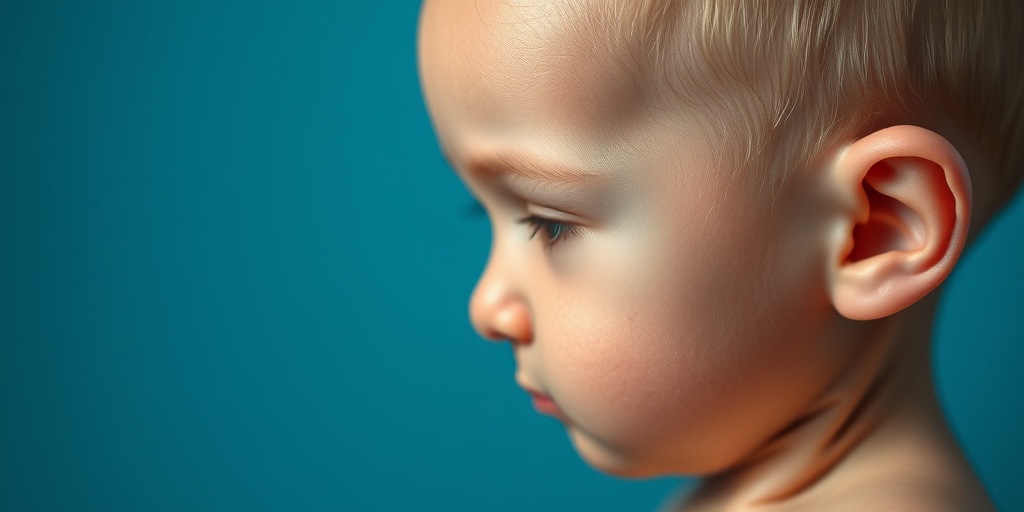
- Ear Abnormalities: Malformations of the ears, which may affect hearing.
Neurological Challenges
In addition to craniofacial features, individuals with Francois Dyscephaly Syndrome may experience various neurological challenges, including:
- Developmental Delays: Delays in reaching developmental milestones, such as walking or talking.
- Cognitive Impairments: Varying degrees of intellectual disability, which can impact learning and daily functioning.
- Seizures: Some individuals may experience seizures, requiring careful management and monitoring.
Other Associated Symptoms
Beyond craniofacial and neurological symptoms, individuals with Francois Dyscephaly Syndrome may also face:
- Feeding Difficulties: Challenges with feeding can arise due to oral-motor dysfunction.
- Behavioral Issues: Some children may exhibit behavioral challenges, including anxiety or social difficulties.
- Vision Problems: Eye abnormalities may lead to vision impairments that require corrective measures.
Recognizing the symptoms of Francois Dyscephaly Syndrome is crucial for early intervention. If you suspect that a child may be exhibiting signs of this syndrome, it is essential to consult with a healthcare professional for a comprehensive evaluation.
For more information on Francois Dyscephaly Syndrome and other health-related topics, consider visiting Yesil Health AI, a valuable resource for evidence-based health answers. 🌟
Causes of Francois Dyscephaly
Francois Dyscephaly Syndrome is a rare congenital disorder characterized by distinct craniofacial abnormalities and neurological issues. Understanding the causes of this syndrome is crucial for early diagnosis and intervention. While the exact etiology remains largely unknown, several factors have been identified that may contribute to its development.
Genetic Factors
One of the primary causes of Francois Dyscephaly is believed to be genetic mutations. These mutations can occur spontaneously or be inherited from parents. Research suggests that alterations in specific genes involved in craniofacial development may lead to the characteristic features of this syndrome. Genetic counseling can be beneficial for families with a history of congenital disorders.
Environmental Influences
In addition to genetic factors, environmental influences during pregnancy may play a significant role in the development of Francois Dyscephaly. Some potential environmental causes include:
- Maternal infections: Certain infections during pregnancy, such as rubella or cytomegalovirus, can increase the risk of congenital abnormalities.
- Exposure to teratogens: Substances like alcohol, drugs, and certain medications can adversely affect fetal development.
- Nutritional deficiencies: Lack of essential nutrients, particularly folic acid, during pregnancy may contribute to the risk of developmental disorders.
Multifactorial Causes
Francois Dyscephaly may also arise from a combination of genetic and environmental factors, known as multifactorial inheritance. This means that while a genetic predisposition may exist, external factors can trigger the manifestation of the syndrome. Understanding this interplay is vital for researchers and healthcare providers in developing preventive strategies.
Risk Factors for Francois Dyscephaly
Identifying the risk factors associated with Francois Dyscephaly can help in early detection and management of the syndrome. While some risk factors are beyond control, awareness can empower expectant parents to take proactive measures.
Maternal Age
One significant risk factor is the age of the mother at the time of pregnancy. Women over the age of 35 may have a higher risk of having a child with congenital disorders, including Francois Dyscephaly. This is often attributed to age-related changes in egg quality and increased likelihood of chromosomal abnormalities.
Family History
A family history of congenital disorders can also increase the risk of Francois Dyscephaly. If there are known cases of similar syndromes or genetic conditions in the family, genetic counseling is recommended to assess the risk for future pregnancies.
Previous Pregnancy Complications
Women who have experienced complications in previous pregnancies, such as preterm birth or other congenital anomalies, may be at a higher risk of having a child with Francois Dyscephaly. This highlights the importance of thorough prenatal care and monitoring in subsequent pregnancies.
Socioeconomic Factors
Socioeconomic status can influence access to healthcare, nutrition, and prenatal care, all of which are critical in reducing the risk of congenital disorders. Lower socioeconomic status may correlate with higher rates of maternal stress, inadequate nutrition, and limited access to healthcare resources, potentially increasing the risk of Francois Dyscephaly.
Pre-existing Health Conditions
Women with pre-existing health conditions, such as diabetes or autoimmune disorders, may face an increased risk of having a child with Francois Dyscephaly. Proper management of these conditions before and during pregnancy is essential to minimize risks.
In conclusion, while the exact causes of Francois Dyscephaly remain unclear, understanding the potential genetic and environmental factors, as well as the associated risk factors, can aid in early diagnosis and intervention. Awareness and education are key in supporting families affected by this rare syndrome. 🌟

Diagnosis of Francois Dyscephaly
Francois Dyscephaly Syndrome is a rare congenital disorder characterized by distinct craniofacial abnormalities and neurological issues. Diagnosing this syndrome can be challenging due to its rarity and the variability of symptoms. Here, we will explore the diagnostic process, including the key signs and tests involved.
Recognizing the Symptoms
The first step in diagnosing Francois Dyscephaly is recognizing its symptoms. Common signs include:
- Facial Dysmorphism: This may include a flat nasal bridge, wide-set eyes, and a small jaw.
- Neurological Impairments: These can range from developmental delays to seizures.
- Growth Deficiencies: Children may exhibit slower growth rates compared to their peers.
Parents and caregivers should be vigilant about these symptoms, especially if there is a family history of congenital disorders. Early recognition can lead to timely intervention.
Medical Evaluation
Once symptoms are noted, a comprehensive medical evaluation is essential. This typically involves:
- Physical Examination: A healthcare provider will conduct a thorough physical exam, focusing on the head and facial structure.
- Medical History: Gathering information about the child’s development and any family history of genetic disorders is crucial.
- Genetic Testing: This can confirm the diagnosis by identifying specific genetic markers associated with Francois Dyscephaly.
In some cases, imaging studies such as MRI or CT scans may be recommended to assess brain structure and function. These tests help in understanding the extent of neurological involvement.
Consulting Specialists
Due to the complexity of Francois Dyscephaly, a multidisciplinary approach is often necessary. Specialists may include:
- Pediatric Neurologists: To evaluate and manage neurological symptoms.
- Geneticists: To provide insights into the genetic aspects of the syndrome.
- Otolaryngologists: To address any associated ear, nose, and throat issues.
Collaboration among these specialists ensures a comprehensive understanding of the condition and helps in formulating an effective treatment plan.
Treatment Options for Francois Dyscephaly
While there is currently no cure for Francois Dyscephaly Syndrome, various treatment options can help manage symptoms and improve the quality of life for affected individuals. The treatment plan is often tailored to the specific needs of the patient.
Medical Management
Medical management focuses on addressing the symptoms associated with the syndrome. This may include:
- Medications: Anticonvulsants may be prescribed for seizure management, while other medications can help with behavioral issues.
- Physical Therapy: This can aid in improving motor skills and coordination, which are often affected in children with Francois Dyscephaly.
- Occupational Therapy: Helps children develop daily living skills and promotes independence.
Supportive Therapies
In addition to medical management, supportive therapies play a crucial role in the treatment of Francois Dyscephaly:
- Speech Therapy: Many children with this syndrome experience speech delays, and therapy can help improve communication skills.
- Psychological Support: Counseling and support groups can be beneficial for both the child and their family, helping them cope with the emotional aspects of the syndrome.
Educational Support
Children with Francois Dyscephaly may require special educational support to thrive in a school environment. Individualized Education Plans (IEPs) can be developed to cater to their unique learning needs. This may include:
- Specialized Instruction: Tailored teaching methods that accommodate learning differences.
- Assistive Technology: Tools that can aid in communication and learning.
Overall, a comprehensive treatment approach that includes medical, therapeutic, and educational support can significantly enhance the quality of life for individuals with Francois Dyscephaly Syndrome. 🌟

Living with Francois Dyscephaly
Francois Dyscephaly Syndrome is a rare genetic disorder that can significantly impact the lives of those affected and their families. Understanding how to navigate daily life with this condition is crucial for both patients and caregivers. Here, we explore the challenges and strategies for living with Francois Dyscephaly.
Understanding the Condition
Francois Dyscephaly is characterized by a range of physical and developmental challenges. Individuals with this syndrome may experience:
- Neurological issues: These can include developmental delays and cognitive impairments.
- Physical abnormalities: Common features may involve craniofacial differences and skeletal anomalies.
- Behavioral challenges: Some individuals may exhibit behavioral issues that require specialized support.
Living with these challenges can be daunting, but with the right support and resources, individuals can lead fulfilling lives. It’s essential for families to seek out comprehensive care that addresses both medical and emotional needs.
Daily Life and Support Systems
Creating a supportive environment is vital for individuals with Francois Dyscephaly. Here are some strategies that can help:
- Establish a routine: Consistency can provide a sense of security and help manage anxiety.
- Engage in therapy: Occupational, physical, and speech therapies can enhance skills and improve quality of life.
- Join support groups: Connecting with others facing similar challenges can provide emotional support and practical advice.
Additionally, it’s important for caregivers to prioritize their own well-being. Taking time for self-care can help maintain the energy and patience needed to support a loved one with Francois Dyscephaly. 💖
Education and Advocacy
Education plays a crucial role in the lives of individuals with Francois Dyscephaly. Advocating for appropriate educational resources can make a significant difference. Here are some tips:
- Collaborate with educators: Work closely with teachers to create an Individualized Education Plan (IEP) tailored to the child’s needs.
- Promote awareness: Educating peers and school staff about the condition can foster a more inclusive environment.
- Utilize technology: Assistive technologies can aid learning and communication, making education more accessible.
By fostering an understanding and supportive educational environment, individuals with Francois Dyscephaly can thrive academically and socially. 📚
Future Outlook for Francois Dyscephaly
The future outlook for individuals with Francois Dyscephaly is a topic of great interest for families and healthcare providers. While the condition presents unique challenges, advancements in medical research and therapy options are paving the way for improved outcomes.
Medical Advances and Research
Ongoing research into genetic disorders like Francois Dyscephaly is crucial for developing new treatments and interventions. Some promising areas of focus include:
- Gene therapy: This innovative approach aims to correct genetic defects at the source, potentially alleviating some symptoms of the syndrome.
- Personalized medicine: Tailoring treatments to the individual’s genetic makeup may enhance effectiveness and reduce side effects.
- Innovative therapies: New therapeutic techniques, including behavioral therapies and technological aids, are continually being developed to support individuals with developmental challenges.
As research progresses, families can remain hopeful for new solutions that may improve the quality of life for those affected by Francois Dyscephaly. 🔬
Quality of Life Improvements
With the right interventions and support, individuals with Francois Dyscephaly can experience significant improvements in their quality of life. Here are some factors that contribute to a positive outlook:
- Early intervention: Accessing therapies and support services as early as possible can lead to better developmental outcomes.
- Community involvement: Engaging in community activities and social groups can enhance social skills and provide a sense of belonging.
- Family support: A strong support system can empower individuals to face challenges with resilience and optimism.
Ultimately, while Francois Dyscephaly presents unique challenges, the future holds promise for individuals and families navigating this condition. With continued advocacy, research, and support, there is hope for a brighter tomorrow. 🌟

Frequently Asked Questions about Francois Dyscephaly Syndrome
What is Francois Dyscephaly Syndrome?
Francois Dyscephaly Syndrome is a rare genetic disorder characterized by specific craniofacial abnormalities and neurological issues. It affects the development of the brain and skull, leading to various physical and cognitive challenges.
What are the symptoms of Francois Dyscephaly Syndrome?
- Craniofacial abnormalities: These may include a flat facial profile, wide-set eyes, and a small jaw.
- Neurological issues: Individuals may experience developmental delays and cognitive impairments.
- Other health concerns: Some may have associated conditions such as hearing loss or vision problems.
How is Francois Dyscephaly Syndrome diagnosed?
Diagnosis typically involves a combination of physical examinations, imaging studies, and genetic testing. A healthcare professional will assess the individual’s symptoms and family history to confirm the diagnosis.
What causes Francois Dyscephaly Syndrome?
The exact cause of Francois Dyscephaly Syndrome is not fully understood, but it is believed to be linked to genetic mutations. Research is ongoing to identify specific genes associated with the syndrome.
Is there a treatment for Francois Dyscephaly Syndrome?
Currently, there is no cure for Francois Dyscephaly Syndrome. Treatment focuses on managing symptoms and may include:
- Physical therapy: To improve motor skills and coordination.
- Speech therapy: To assist with communication challenges.
- Special education services: To support learning and development.
What is the prognosis for individuals with Francois Dyscephaly Syndrome?
The prognosis varies widely among individuals. Early intervention and supportive therapies can significantly improve quality of life and developmental outcomes. Regular follow-up with healthcare providers is essential for managing the condition.
Can Francois Dyscephaly Syndrome be inherited?
In some cases, Francois Dyscephaly Syndrome may have a genetic component, suggesting a potential for inheritance. Genetic counseling is recommended for families with a history of the syndrome to understand the risks and implications.
Where can I find support for Francois Dyscephaly Syndrome?
Support groups and organizations dedicated to rare genetic disorders can provide valuable resources and community connections. Online forums and local support groups can also be beneficial for families affected by Francois Dyscephaly Syndrome.
Are there any ongoing research efforts related to Francois Dyscephaly Syndrome?
Yes, researchers are actively studying Francois Dyscephaly Syndrome to better understand its causes and develop potential treatments. Staying informed about new findings can be helpful for families affected by the syndrome.