
Understanding Baby Safety
Ensuring the safety of your little ones is a top priority for every parent. Baby safety encompasses a wide range of practices and precautions designed to protect infants from potential dangers in their environment. From the moment your baby arrives home, it’s essential to create a safe space that minimizes risks and promotes healthy development.
Creating a Safe Sleeping Environment
One of the most critical aspects of baby safety is ensuring a safe sleeping environment. Here are some key tips:
- Choose the right mattress: Opt for a safety 1st standard baby and toddler mattress that meets safety standards. A firm mattress helps reduce the risk of suffocation.
- Use a crib or bassinet: Always place your baby in a crib or bassinet that meets current safety guidelines. Avoid using soft bedding, pillows, or toys in the crib.
- Follow safe sleep practices: Always place your baby on their back to sleep, and keep the crib free from any loose items.
Baby-Proofing Your Home
As your baby begins to explore their surroundings, baby-proofing becomes essential. Here are some effective strategies:
- Secure furniture: Anchor heavy furniture to the wall to prevent tipping.
- Cover electrical outlets: Use outlet covers to prevent little fingers from exploring.
- Keep hazardous items out of reach: Store cleaning supplies, medications, and sharp objects in locked cabinets.
For more detailed information on baby safety, consider visiting Yesil Health AI, a valuable resource for evidence-based health answers.
Common Toddler Hazards
As toddlers grow, they become increasingly curious and mobile, which can lead to new safety challenges. Understanding common hazards can help you keep your toddler safe as they explore their world.
Choking Hazards
One of the most significant risks for toddlers is choking. Here are some common choking hazards to be aware of:
- Food items: Small, hard foods like nuts, grapes, and popcorn can pose a choking risk. Always cut food into small, manageable pieces.
- Toys: Ensure that toys are age-appropriate and do not have small parts that can be swallowed.
Falls and Injuries
Toddlers are prone to falls, which can lead to serious injuries. To minimize this risk:
- Use safety gates: Install safety gates at the top and bottom of stairs to prevent falls.
- Supervise playtime: Always keep an eye on your toddler during playtime, especially when they are climbing or playing on furniture.
Burns and Scalds
Burns and scalds are another common hazard for toddlers. Here’s how to protect them:
- Keep hot items out of reach: Store hot drinks, pots, and pans away from the edge of counters.
- Test bath water: Always check the water temperature before placing your toddler in the bath to prevent scalding.
By being aware of these common toddler hazards and taking proactive measures, you can create a safer environment for your little one. Remember, safety is an ongoing process, and staying informed is key to protecting your child.
For more tips and resources on baby and toddler safety, visit Yesil Health AI for expert advice and guidance.
In conclusion, prioritizing baby and toddler safety is essential for every parent. By understanding potential hazards and implementing safety measures, you can help ensure a safe and nurturing environment for your children. 🌟
Safe Sleeping Practices
Ensuring your baby or toddler sleeps safely is one of the most important aspects of parenting. With the right practices, you can significantly reduce the risk of sleep-related incidents. Here are some essential safe sleeping practices to keep in mind:
Choosing the Right Mattress
When it comes to your baby’s sleep environment, the mattress plays a crucial role. Opt for a firm mattress that fits snugly in the crib or toddler bed. A mattress that is too soft can increase the risk of suffocation. Consider options like the Safety 1st standard baby and toddler mattress, which is designed with safety in mind.
Creating a Safe Sleep Environment
Your baby’s sleep area should be free from hazards. Here are some tips to create a safe sleeping environment:
- Keep the crib clear: Avoid placing toys, pillows, or blankets in the crib, as these can pose suffocation risks.
- Use a fitted sheet: Ensure that the crib mattress is covered with a fitted sheet that is securely tucked in.
- Maintain a comfortable temperature: Keep the room at a comfortable temperature to prevent overheating.
Safe Sleep Position
Always place your baby on their back to sleep. This position has been shown to significantly reduce the risk of Sudden Infant Death Syndrome (SIDS). As your child grows and begins to roll over, they may change positions on their own, but starting them on their back is crucial.
Monitoring Sleep
Consider using a baby monitor to keep an eye on your little one while they sleep. This can provide peace of mind, especially during the night. Some monitors even come with video capabilities, allowing you to see your baby without entering the room and disturbing their sleep.
Childproofing Your Home
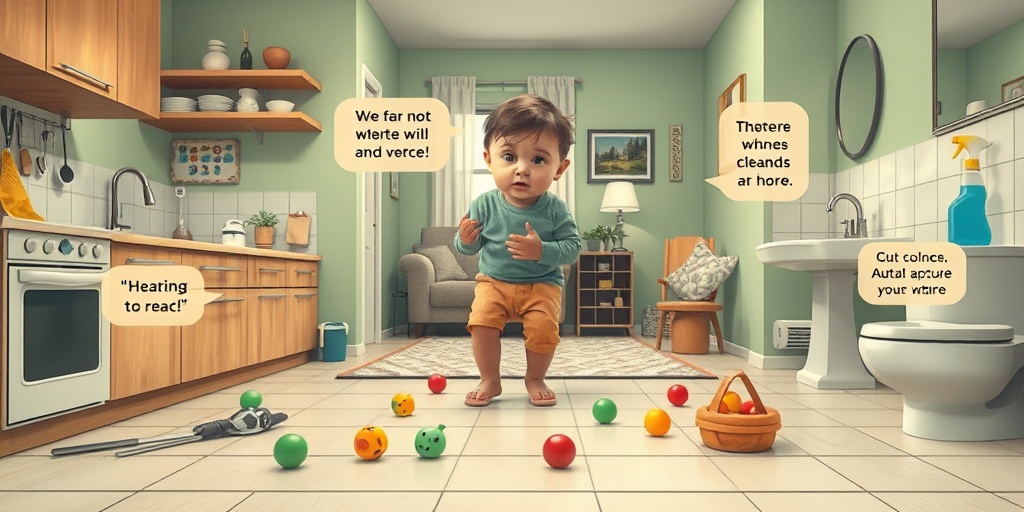
Childproofing your home is essential for ensuring the safety of your baby and toddler. As they grow and become more mobile, the risks around the house increase. Here are some effective strategies to make your home a safer place:
Identifying Hazards
Start by walking through your home and identifying potential hazards. Look for items that could be dangerous, such as:
- Sharp objects: Knives, scissors, and other sharp tools should be stored out of reach.
- Small items: Choking hazards like coins, buttons, and small toys should be kept away from young children.
- Electrical outlets: Use outlet covers to prevent little fingers from poking into sockets.
Securing Furniture
As toddlers begin to explore, they may pull on furniture or climb on it. To prevent tipping, secure heavy furniture like bookshelves and dressers to the wall. This simple step can prevent serious injuries.
Safety Gates
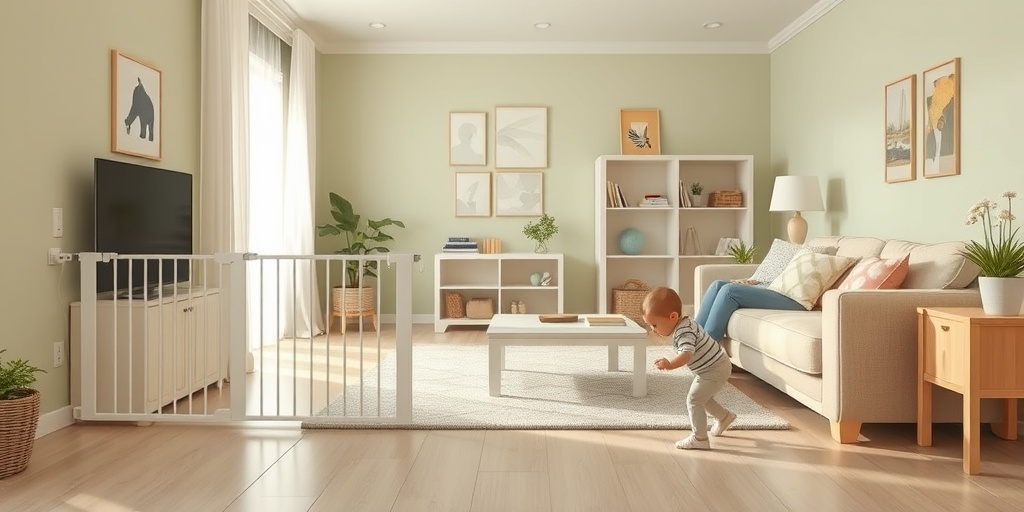
Install safety gates at the top and bottom of stairs to prevent falls. Choose gates that are sturdy and meet safety standards. This is especially important for toddlers who are just learning to navigate their surroundings.
Bathroom Safety
The bathroom can be a dangerous place for little ones. Here are some tips to enhance baby and toddler safety in this area:
- Use non-slip mats: Place non-slip mats in the bathtub and on the floor to prevent slips.
- Keep medications out of reach: Store all medications and cleaning supplies in high cabinets or locked drawers.
- Never leave a child unattended: Always supervise your child during bath time, even if they are just playing.
Kitchen Safety
The kitchen is another area where safety is paramount. Here are some tips to keep your little ones safe:
- Use stove knob covers: Prevent toddlers from turning on the stove by using knob covers.
- Store sharp utensils out of reach: Keep knives and other sharp objects in high drawers or cabinets.
- Keep hot liquids away: Always place hot drinks and food towards the back of counters to avoid spills.
By implementing these childproofing measures and safe sleeping practices, you can create a nurturing environment that prioritizes the safety of your baby and toddler. Remember, safety is an ongoing process, and regularly reassessing your home for potential hazards is key to keeping your little ones safe. 🛡️👶
Car Seat Safety Tips
When it comes to ensuring the safety of your little ones, one of the most critical aspects is choosing the right car seat. With so many options available, it can be overwhelming for parents. Here are some essential car seat safety tips to keep your baby and toddler safe while traveling.
Choosing the Right Car Seat
First and foremost, it’s vital to select a car seat that is appropriate for your child’s age, weight, and height. Here are the main types of car seats:
- Infant Car Seats: Designed for newborns and babies up to about 12 months old. They are rear-facing and provide the best protection for young children.
- Convertible Car Seats: These can be used both rear-facing and forward-facing, making them a versatile option as your child grows.
- Booster Seats: For older toddlers and young children, booster seats elevate them so that the seat belt fits properly across their body.
Always check the manufacturer’s guidelines to ensure the car seat meets safety standards and is suitable for your child’s size. 🚗
Installation Matters
Even the safest car seat won’t protect your child if it’s not installed correctly. Here are some tips for proper installation:
- Read the Manual: Always refer to the car seat manual and your vehicle’s owner manual for specific installation instructions.
- Use the Right Seat Belt: Ensure you are using either the vehicle’s seat belt or the LATCH system (Lower Anchors and Tethers for Children) correctly.
- Check for Movement: After installation, check that the car seat does not move more than an inch side to side or front to back.
Consider having a certified child passenger safety technician inspect your installation to ensure everything is secure. 🛡️
Age and Size Guidelines
Following age and size guidelines is crucial for your child’s safety. The American Academy of Pediatrics recommends:
- Keep your child in a rear-facing car seat until they reach the maximum weight or height limit set by the manufacturer.
- Transition to a forward-facing car seat with a harness once they outgrow the rear-facing seat.
- Use a booster seat until the seat belt fits properly, typically when your child is 4’9″ tall and between 8 to 12 years old.
Remember, every child is different, so always prioritize their safety over convenience. 🧒
Regular Checks and Maintenance
Lastly, regularly check your car seat for any signs of wear and tear. Ensure that:
- The harness straps are not twisted and are adjusted to fit snugly against your child’s body.
- The car seat has not been involved in any accidents, as this can compromise its safety.
- Expiration dates are adhered to, as car seats have a limited lifespan.
By following these car seat safety tips, you can help ensure that your baby and toddler are safe while on the road. 🚙
Safe Play Areas
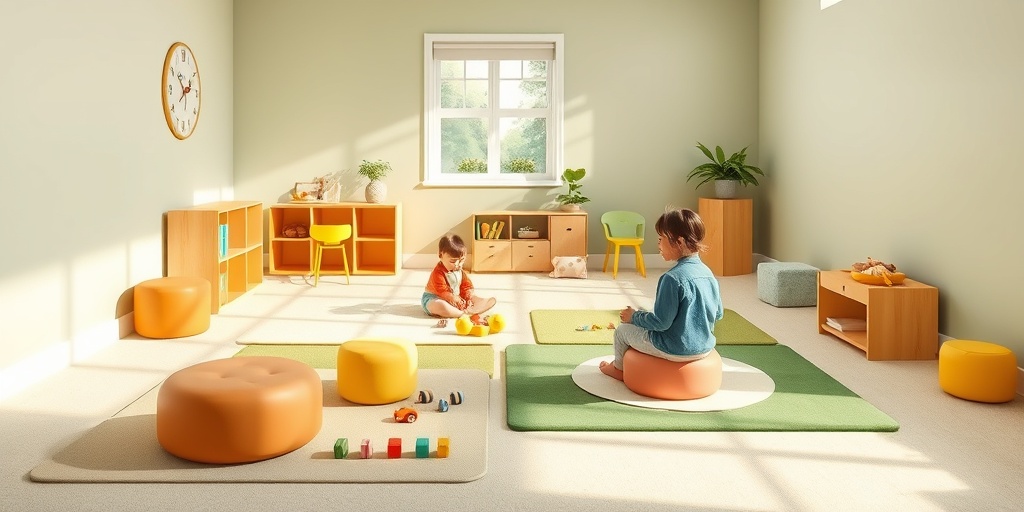
Creating a safe play environment for your baby and toddler is essential for their development and well-being. Here are some tips to help you establish safe play areas in your home and outdoors.
Indoor Play Safety
When setting up an indoor play area, consider the following:
- Soft Surfaces: Use rugs or foam mats to cushion falls and provide a comfortable play surface.
- Remove Hazards: Keep small objects, sharp edges, and choking hazards out of reach. Secure furniture to the wall to prevent tipping.
- Age-Appropriate Toys: Choose toys that are suitable for your child’s age and developmental stage. Look for toys that are free from small parts and made from non-toxic materials.
Creating a designated play area can help your child understand where it’s safe to play and explore. 🏡
Outdoor Play Safety
Outdoor play is vital for your child’s physical and social development. Here are some tips to ensure outdoor play is safe:
- Supervision: Always supervise your child while they play outside, especially near roads or water.
- Safe Equipment: Ensure that playground equipment is age-appropriate and well-maintained. Look for soft landing surfaces like mulch or sand.
- Sun Protection: Apply sunscreen and provide hats to protect your child from harmful UV rays during outdoor play.
Encouraging outdoor play while ensuring safety can lead to a healthier, happier child. 🌞
Creating Boundaries
Establishing clear boundaries helps children understand where they can play safely. Use gates to block off stairs or areas that may pose a risk. Teach your child about safe play zones and the importance of staying within those areas.
By implementing these safe play area tips, you can create a nurturing environment that allows your baby and toddler to explore and grow safely. 🌈
Emergency Preparedness
When it comes to baby and toddler safety, being prepared for emergencies is crucial. Accidents can happen at any time, and having a plan in place can make all the difference. Here are some essential steps to ensure your little ones are safe and secure in case of an emergency.
Creating an Emergency Plan
Start by developing a comprehensive emergency plan that includes the following:
- Identify Emergency Contacts: List important phone numbers, including family members, neighbors, and your pediatrician. Keep this list in a visible place.
- Designate a Meeting Spot: Choose a safe location where your family can gather in case of evacuation.
- Practice Drills: Regularly practice your emergency plan with your children. This helps them understand what to do in case of fire, severe weather, or other emergencies.
Essential Supplies for Emergencies
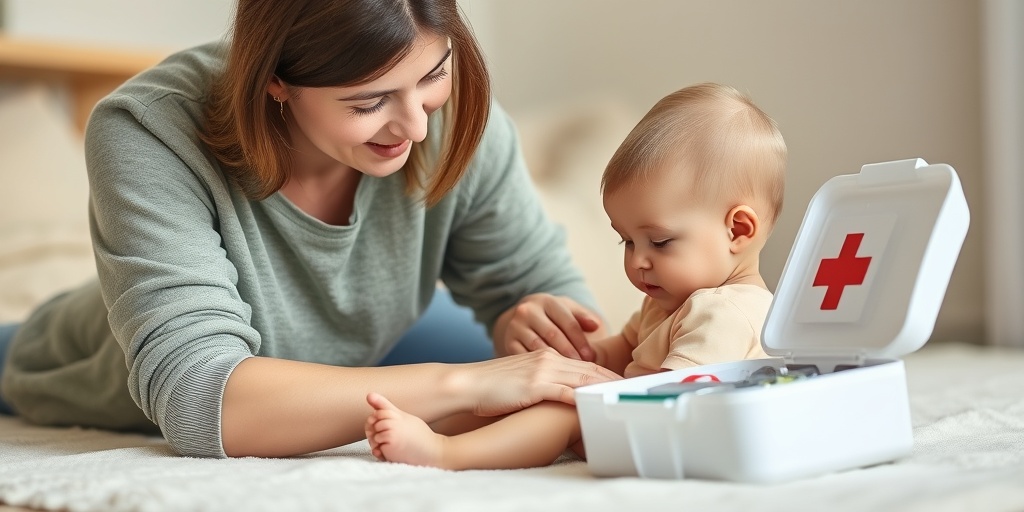
Having the right supplies on hand can help you respond effectively during an emergency. Consider assembling a baby and toddler safety kit that includes:
- First Aid Kit: Include items like band-aids, antiseptic wipes, and any necessary medications.
- Food and Water: Stock up on non-perishable snacks and bottled water to keep your little ones nourished.
- Comfort Items: Pack favorite toys or blankets to provide comfort during stressful situations.
Staying Informed
Stay updated on local emergency alerts and weather conditions. Use apps or subscribe to notifications that can provide real-time information. This will help you make informed decisions about your family’s safety.
First Aid for Babies and Toddlers
Knowing basic first aid can be a lifesaver when it comes to baby and toddler safety. Here are some essential first aid tips every parent should know.
Common Injuries and How to Treat Them
Babies and toddlers are naturally curious, which can lead to minor injuries. Here are some common issues and how to handle them:
- Scrapes and Cuts: Clean the wound with soap and water, apply an antiseptic, and cover it with a bandage.
- Burns: For minor burns, run cool water over the area for at least 10 minutes. Avoid ice, as it can cause further damage.
- Insect Bites: Clean the bite area and apply a cold compress to reduce swelling. If your child shows signs of an allergic reaction, seek medical help immediately.
Choking Hazards
Choking is a serious concern for babies and toddlers. To prevent choking:
- Cut Food Properly: Always cut food into small, manageable pieces. Avoid hard foods like whole grapes or nuts.
- Supervise Eating: Always supervise your child while they eat, and encourage them to chew their food thoroughly.
If your child is choking, remember the following steps:
- For Infants: Hold the baby face down on your forearm and give five firm back blows between the shoulder blades.
- For Toddlers: Stand behind the child, make a fist just above their navel, and perform abdominal thrusts until the object is dislodged.
When to Seek Medical Help
It’s essential to know when to seek professional medical assistance. Contact your pediatrician or go to the emergency room if:
- Your child has difficulty breathing or is wheezing.
- They have a high fever that doesn’t respond to medication.
- They experience severe pain or swelling.
Being prepared and knowledgeable about first aid for babies and toddlers can help you respond effectively in emergencies, ensuring your child’s safety and well-being. Remember, staying calm and acting quickly can make all the difference! 🩹
Frequently Asked Questions about Safety, Baby and Toddler
What are some essential safety tips for babies and toddlers at home? 🏡
Ensuring a safe environment for your little ones is crucial. Here are some key safety tips:
- Always use safety gates to block stairs and hazardous areas.
- Secure heavy furniture to the wall to prevent tipping.
- Keep small objects and choking hazards out of reach.
- Use corner protectors on sharp furniture edges.
- Install outlet covers to prevent electrical accidents.
What is the safest baby and toddler car seat? 🚗
Choosing the right car seat is vital for your child’s safety. Look for seats that meet safety standards and have good reviews. Consider the following:
- Infant car seats for newborns and small babies.
- Convertible car seats that grow with your child.
- Booster seats for older toddlers.
How can I safely baby wear a toddler? 👶
Baby wearing can be a great way to bond with your child while keeping them safe. Here are some tips:
- Choose a carrier that supports your toddler’s weight and size.
- Ensure the carrier is properly adjusted for comfort and safety.
- Always keep an eye on your toddler while wearing them.
How should I interact with babies and toddlers? 🤗
Engaging with your little ones is important for their development. Here are some effective ways to interact:
- Use simple language and speak clearly.
- Encourage playtime with age-appropriate toys.
- Read books together to foster a love for reading.
- Be responsive to their cues and emotions.
What are some common safety concerns for babies and toddlers? ⚠️
Parents often worry about various safety issues. Here are some common concerns:
- Choking hazards from small toys or food items.
- Falls from furniture or stairs.
- Burns from hot surfaces or liquids.
- Accidental poisoning from household chemicals.
Where can I find reliable resources for baby and toddler safety? 📚
For trustworthy information, consider the following resources:
- The NHS website for guidelines on baby and toddler safety.
- Parenting books focused on child safety.
- Online parenting forums and communities for shared experiences.
How can I ensure my toddler’s safety during playtime? 🎈
Playtime is essential for development, but safety should always come first. Here are some tips:
- Supervise your toddler during play.
- Choose safe, age-appropriate toys.
- Regularly inspect toys for wear and tear.
By following these guidelines and staying informed, you can create a safe environment for your baby and toddler. Remember, safety is a continuous process that evolves as your child grows!