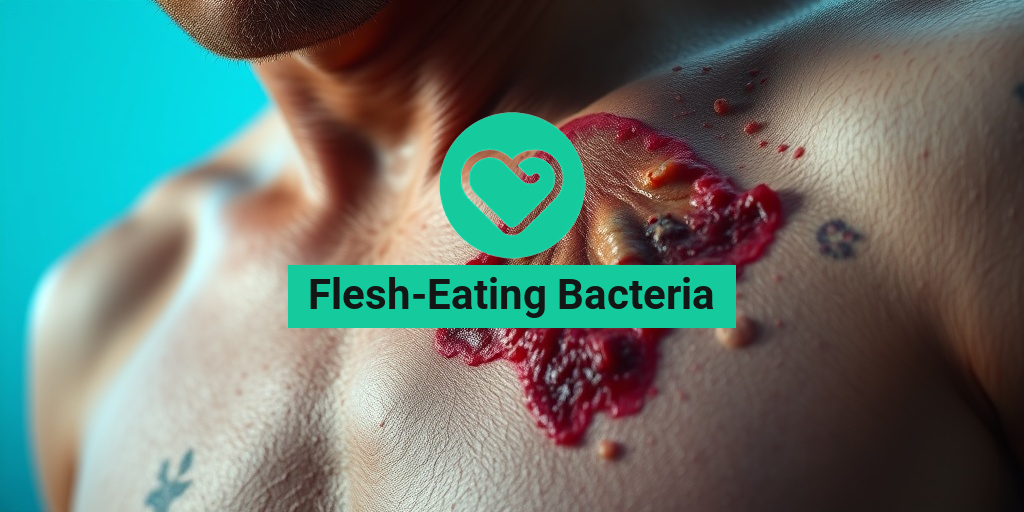
What Are Flesh-Eating Bacteria?
Flesh-eating bacteria, scientifically known as necrotizing fasciitis, are a group of bacteria that can cause severe infections, leading to the rapid destruction of soft tissue. These infections are rare but can be life-threatening if not treated promptly. The term “flesh-eating” is derived from the bacteria’s ability to destroy skin, fat, and other soft tissues in the body, often resulting in significant morbidity and, in some cases, mortality.
Types of Flesh-Eating Bacteria
Several types of bacteria can cause necrotizing fasciitis, but the most common include:
- Group A Streptococcus (GAS): This is the most notorious type, often associated with severe infections.
- Vibrio vulnificus: Typically found in warm seawater, this bacterium can infect individuals who have open wounds and come into contact with contaminated water.
- Clostridium perfringens: Often associated with gas gangrene, this bacterium can also lead to necrotizing fasciitis.
- Escherichia coli (E. coli): Certain strains can cause severe infections, including necrotizing fasciitis.
How Do Flesh-Eating Bacteria Enter the Body?
Flesh-eating bacteria typically enter the body through breaks in the skin, such as cuts, surgical wounds, or insect bites. They can also enter through more severe injuries, such as those sustained in accidents or during surgery. Once inside, these bacteria can multiply rapidly, releasing toxins that destroy surrounding tissue.
Who Is at Risk?
While anyone can develop a flesh-eating bacterial infection, certain groups are at higher risk, including:
- Individuals with weakened immune systems
- People with chronic health conditions, such as diabetes or liver disease
- Those who have recently undergone surgery or have open wounds
- Individuals who engage in water activities, especially in warm coastal waters
Flesh-Eating Bacteria Symptoms
Recognizing the symptoms of a flesh-eating bacterial infection early is crucial for effective treatment. Symptoms can develop rapidly, often within hours of infection. Here are some common signs to watch for:
Early Symptoms
In the initial stages, symptoms may resemble those of the flu or other infections:
- Fever and chills: A sudden onset of fever is common.
- Severe pain: Patients often report intense pain in the affected area, which may seem disproportionate to the visible injury.
- Redness and swelling: The skin around the infected area may become red and swollen.
Advanced Symptoms
If the infection progresses, more severe symptoms may develop:
- Blisters or skin changes: The skin may develop blisters or begin to turn black, indicating tissue death.
- Rapid heart rate: As the body fights the infection, the heart rate may increase.
- Confusion or disorientation: In severe cases, patients may experience confusion or altered mental status due to sepsis.
When to Seek Medical Attention
If you or someone you know exhibits symptoms of a flesh-eating bacterial infection, it is vital to seek medical attention immediately. Early diagnosis and treatment are essential to prevent severe complications or death. Treatment typically involves antibiotics and, in many cases, surgical intervention to remove infected tissue.
For more information on flesh-eating bacteria and other health-related topics, consider visiting Yesil Health AI, a valuable resource for evidence-based health answers.
Stay informed and vigilant about your health, especially when it comes to infections that can escalate quickly. Remember, early detection is key! 🩺

Flesh-Eating Bacteria Causes
Flesh-eating bacteria, scientifically known as necrotizing fasciitis, is a severe and rapidly progressing infection that destroys skin, fat, and the tissue covering muscles. Understanding the causes of this alarming condition is crucial for prevention and early intervention. Let’s delve into the primary causes of flesh-eating bacteria infections.
Types of Bacteria Involved
The most common bacteria responsible for flesh-eating infections include:
- Group A Streptococcus (GAS): This bacterium is often found in the throat and on the skin. It can cause a range of illnesses, from mild infections to severe conditions like necrotizing fasciitis.
- Vibrio vulnificus: Typically found in warm seawater, this bacterium can cause severe infections in individuals with liver disease or weakened immune systems.
- Clostridium perfringens: This bacterium is commonly associated with food poisoning but can also lead to necrotizing fasciitis, especially in cases of deep tissue injuries.
How Infections Occur
Flesh-eating bacteria can enter the body through various means:
- Open Wounds: Cuts, surgical incisions, or any breaks in the skin can provide an entry point for bacteria.
- Insect Bites: Bites from insects can introduce bacteria into the body, especially if the bite becomes infected.
- Chronic Conditions: Individuals with diabetes or other chronic health issues may have compromised skin integrity, making them more susceptible to infections.
Environmental Factors
Environmental conditions can also play a significant role in the spread of flesh-eating bacteria:
- Warm Weather: Higher temperatures can promote bacterial growth, particularly in coastal areas where Vibrio species thrive.
- Contaminated Water: Exposure to seawater or brackish water can increase the risk of infection, especially for those with open wounds.
Flesh-Eating Bacteria Risk Factors
While anyone can develop a flesh-eating bacterial infection, certain risk factors can significantly increase the likelihood of contracting this dangerous condition. Understanding these factors is essential for prevention.
Underlying Health Conditions
Individuals with specific health issues are at a higher risk:
- Diabetes: High blood sugar levels can impair the immune system and reduce blood flow, making it easier for infections to take hold.
- Obesity: Excess body weight can lead to skin folds that trap moisture and bacteria, increasing infection risk.
- Chronic Liver Disease: Conditions like cirrhosis can weaken the immune system, making it harder for the body to fight off infections.
Age and Immune System Status
Age and immune system health are critical factors:
- Older Adults: Individuals over 65 years old often have weakened immune systems, making them more susceptible to infections.
- Immunocompromised Individuals: Those undergoing chemotherapy, taking immunosuppressive medications, or living with HIV/AIDS are at a higher risk.
Behavioral Factors
Certain lifestyle choices can also contribute to the risk of developing a flesh-eating bacterial infection:
- Intravenous Drug Use: Sharing needles or using non-sterile equipment can introduce bacteria directly into the bloodstream.
- Exposure to Contaminated Water: Swimming in warm, brackish, or contaminated water can increase the risk, especially for those with open wounds.
Preventive Measures
Awareness of risk factors is the first step in prevention. Here are some tips to reduce your risk:
- Keep Wounds Clean and Covered: Proper wound care can prevent bacteria from entering the body.
- Avoid Swimming with Open Wounds: Stay out of the water if you have cuts or sores.
- Manage Chronic Conditions: Keeping diabetes and other health issues under control can help strengthen your immune system.
By understanding the causes and risk factors associated with flesh-eating bacteria, individuals can take proactive steps to protect themselves and seek timely medical attention if symptoms arise. Stay informed and vigilant! 🦠💪

Flesh-Eating Bacteria Diagnosis
Flesh-eating bacteria, medically known as necrotizing fasciitis, is a severe and potentially life-threatening infection that requires prompt diagnosis and treatment. Understanding the signs and symptoms is crucial for early detection and intervention.
Recognizing the Symptoms
The initial symptoms of a flesh-eating bacterial infection can often resemble those of less severe conditions, making it essential to be vigilant. Common symptoms include:
- Severe pain: This pain often exceeds what would be expected from the visible injury.
- Redness and swelling: The affected area may appear red and swollen, often spreading rapidly.
- Fever and chills: Patients may experience systemic symptoms like fever, chills, and fatigue.
- Skin changes: The skin may develop blisters, ulcers, or necrosis (tissue death).
If you or someone you know exhibits these symptoms, especially following an injury or surgery, it is crucial to seek medical attention immediately. Early diagnosis can significantly improve outcomes.
Diagnostic Procedures
When a healthcare provider suspects a flesh-eating bacterial infection, they will typically conduct several diagnostic procedures, including:
- Physical examination: A thorough examination of the affected area to assess symptoms and severity.
- Blood tests: These tests can help identify signs of infection and the presence of bacteria in the bloodstream.
- Imaging studies: X-rays, CT scans, or MRIs may be used to determine the extent of tissue damage and infection.
- Tissue biopsy: In some cases, a sample of the infected tissue may be taken to identify the specific bacteria causing the infection.
Timely diagnosis is critical, as necrotizing fasciitis can progress rapidly, leading to severe complications or even death if not treated promptly.
Flesh-Eating Bacteria Treatment Options
Once diagnosed, the treatment of flesh-eating bacteria infections must be aggressive and immediate. The primary goals are to eliminate the infection, remove dead tissue, and support the patient’s overall health.
Antibiotic Therapy
Antibiotics are a cornerstone of treatment for flesh-eating bacterial infections. Broad-spectrum antibiotics are typically administered intravenously to combat the infection effectively. Commonly used antibiotics include:
- Penicillin: Effective against certain strains of bacteria.
- Clindamycin: Often used for its ability to inhibit toxin production.
- Vancomycin: Used for resistant strains of bacteria.
It is essential to start antibiotic therapy as soon as possible to improve the chances of recovery.
Debridement Surgery
In many cases, surgical intervention is necessary to remove necrotic (dead) tissue and prevent the spread of the infection. This procedure, known as debridement, may need to be repeated multiple times to ensure all infected tissue is removed. The extent of surgery will depend on the severity of the infection and the amount of tissue affected.
Supportive Care
Patients with flesh-eating bacteria infections often require supportive care to manage symptoms and complications. This may include:
- Fluid resuscitation: To maintain hydration and support blood pressure.
- Pain management: To alleviate severe pain associated with the infection.
- Wound care: Proper care of surgical sites and wounds to promote healing.
In severe cases, patients may require admission to an intensive care unit (ICU) for close monitoring and advanced support.
Preventive Measures
While not all cases of flesh-eating bacteria can be prevented, there are steps individuals can take to reduce their risk:
- Wound care: Keep cuts and scrapes clean and covered.
- Avoiding exposure: Stay away from contaminated water, especially if you have open wounds.
- Prompt medical attention: Seek immediate care for any signs of infection, especially after surgery or injury.
Understanding the risks and symptoms of flesh-eating bacteria can save lives. If you suspect an infection, don’t hesitate to seek medical help! 🩺
Flesh-Eating Bacteria Prevention
Flesh-eating bacteria, scientifically known as necrotizing fasciitis, can be a terrifying diagnosis. However, understanding how to prevent these infections can significantly reduce your risk. Here are some effective strategies to keep in mind:
1. Maintain Good Hygiene
One of the simplest yet most effective ways to prevent infections is to practice good hygiene. This includes:
- Regular Handwashing: Wash your hands frequently with soap and water, especially after being outdoors or after contact with potentially contaminated surfaces.
- Wound Care: Clean any cuts, scrapes, or wounds immediately with soap and water. Apply an antiseptic and cover the wound with a clean bandage.
2. Be Cautious in Water
Flesh-eating bacteria thrive in warm, brackish waters. To minimize your risk:
- Avoid Swimming: Stay out of warm coastal waters, especially if you have open wounds or cuts.
- Shower After Swimming: If you do swim, shower immediately afterward to wash off any potential bacteria.
3. Know Your Health Status
Individuals with weakened immune systems or chronic health conditions are at a higher risk for infections. To protect yourself:
- Manage Chronic Conditions: Keep conditions like diabetes or liver disease under control with regular medical check-ups.
- Consult Your Doctor: If you have any concerns about your health or potential exposure to flesh-eating bacteria, don’t hesitate to reach out to your healthcare provider.
4. Avoid Risky Activities
Some activities can increase your risk of exposure to flesh-eating bacteria:
- Steer Clear of Injuries: Avoid activities that could lead to cuts or scrapes, especially in environments where bacteria are likely to be present.
- Protect Your Skin: Wear protective clothing when engaging in outdoor activities, especially in areas known for high bacteria levels.
5. Stay Informed
Awareness is key in prevention. Keep an eye on local health advisories, especially in areas known for outbreaks of flesh-eating bacteria. For instance, in places like Florida or Galveston, staying updated on health alerts can help you make informed decisions about swimming and outdoor activities.
Flesh-Eating Bacteria Outlook and Recovery
The outlook for individuals diagnosed with a flesh-eating bacterial infection can vary significantly based on several factors, including the speed of diagnosis and treatment. Here’s what you need to know about recovery:
1. Early Detection is Crucial
Recognizing the early stages of a flesh-eating bacterial infection can be life-saving. Symptoms may include:
- Severe Pain: Often out of proportion to the visible injury.
- Swelling and Redness: Rapid swelling and redness around the wound.
- Fever: A high fever may accompany other symptoms.
If you notice these symptoms, seek medical attention immediately. Early intervention can significantly improve the prognosis.
2. Treatment Options
Once diagnosed, treatment typically involves:
- Antibiotics: Intravenous antibiotics are often administered to combat the infection.
- Surgery: In many cases, surgical intervention is necessary to remove dead tissue and prevent the spread of the infection.
3. Recovery Process
The recovery process can be lengthy and may involve:
- Hospitalization: Many patients require extended hospital stays for monitoring and treatment.
- Rehabilitation: Physical therapy may be necessary to regain strength and mobility, especially if significant tissue has been removed.
4. Long-Term Outlook
While many individuals recover fully from flesh-eating bacterial infections, some may experience long-term effects, including:
- Scarring: Surgical interventions can lead to noticeable scars.
- Psychological Impact: The trauma of such a severe infection can lead to anxiety or PTSD.
Support from healthcare professionals, family, and friends can be invaluable during the recovery process.
In conclusion, while the threat of flesh-eating bacteria is real, understanding prevention methods and the recovery process can empower individuals to take proactive steps in safeguarding their health. Stay informed, stay safe! 🌊🩺

Frequently Asked Questions about Flesh-Eating Bacteria
What are the symptoms of a flesh-eating bacterial infection? 🤒
Symptoms of a flesh-eating bacterial infection can vary, but common signs include:
- Severe pain in the affected area
- Redness and swelling around the wound
- Fever and chills
- Blisters or skin changes in the affected area
- Rapid progression of symptoms
How can I avoid flesh-eating bacteria? 🚫
To reduce the risk of infection, consider the following precautions:
- Keep wounds clean and covered to prevent bacteria from entering.
- Avoid swimming in warm, brackish, or saltwater if you have open wounds.
- Practice good hygiene by washing hands regularly.
- Stay informed about local outbreaks, especially in areas known for infections.
What should I do if I suspect a flesh-eating bacterial infection? 🚑
If you suspect you have a flesh-eating bacterial infection, it is crucial to seek medical attention immediately. Early diagnosis and treatment are vital for a better outcome.
Where are flesh-eating bacteria commonly found? 🌍
Flesh-eating bacteria can be found in various environments, including:
- Saltwater and brackish water areas
- Contaminated freshwater sources
- Infected wounds or skin injuries
Are there specific regions where flesh-eating bacteria are more prevalent? 📍
Yes, certain regions, such as parts of Florida and coastal areas, have reported higher instances of flesh-eating bacteria. It’s essential to stay updated on local health advisories, especially during warmer months.
Can flesh-eating bacteria be treated? 💊
Yes, flesh-eating bacterial infections can be treated, but prompt medical intervention is critical. Treatment may include:
- Intravenous antibiotics
- Surgery to remove infected tissue
- Supportive care to manage symptoms
What are the early stages of a flesh-eating bacterial infection like? 🕒
In the early stages, symptoms may start with mild pain and swelling at the site of infection. As the infection progresses, symptoms can escalate quickly, leading to severe pain and systemic symptoms like fever.
Is there a map available for tracking flesh-eating bacteria outbreaks? 🗺️
Yes, health organizations often provide maps and resources to track outbreaks of flesh-eating bacteria. These maps can help you stay informed about areas with reported cases.