What Are Irregular Periods?
Irregular menstrual periods refer to cycles that are inconsistent in length, frequency, or flow. For many women, a typical menstrual cycle lasts between 21 to 35 days, with bleeding lasting from 2 to 7 days. However, when periods become unpredictable, it can lead to confusion and concern. Understanding what constitutes irregular menstrual periods is crucial for identifying potential health issues.
Defining Irregular Menstrual Periods
Irregular periods can manifest in several ways, including:
- Variability in Cycle Length: Cycles that are shorter than 21 days or longer than 35 days.
- Missed Periods: Skipping periods altogether for several months.
- Heavy or Light Flow: Experiencing significantly heavier or lighter bleeding than usual.
These variations can be caused by a range of factors, from hormonal imbalances to lifestyle changes. It’s essential to monitor your menstrual cycle and consult a healthcare provider if you notice significant changes.
Common Causes of Irregular Menstrual Periods
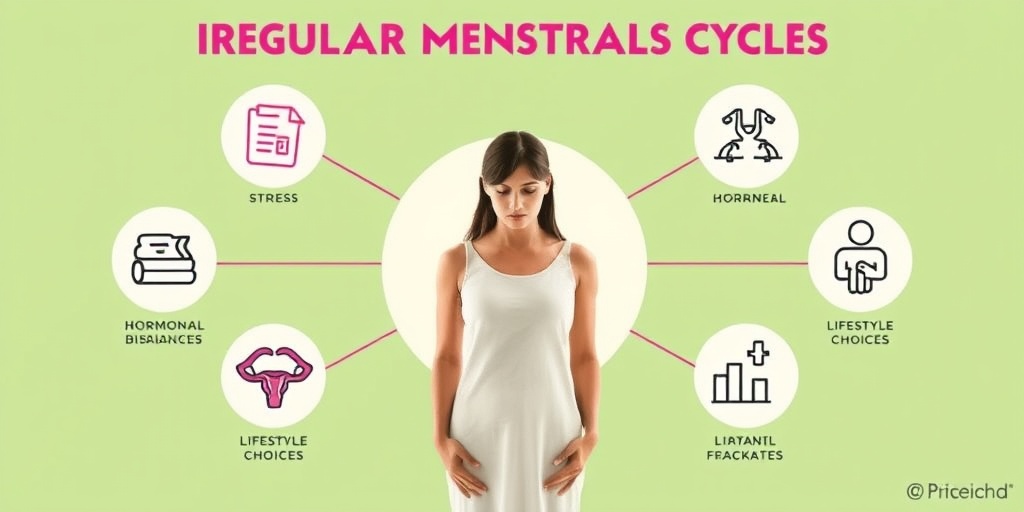
Several factors can contribute to irregular menstrual periods, including:
- Hormonal Imbalances: Conditions like polycystic ovary syndrome (PCOS) can disrupt hormone levels.
- Stress: High-stress levels can affect the hypothalamus, which regulates the menstrual cycle.
- Weight Changes: Significant weight loss or gain can impact hormonal balance.
- Medical Conditions: Thyroid disorders, diabetes, and other health issues can lead to irregularities.
- Age: Adolescents and women approaching menopause often experience irregular cycles.
Understanding these causes can help in managing and treating irregular periods effectively. For more detailed information, you can explore resources like Yesil Health AI, which provides evidence-based health answers.
Symptoms of Irregular Menstrual Cycles
Recognizing the symptoms of irregular menstrual periods is vital for early intervention and treatment. While the primary symptom is an irregular cycle, there are other signs to be aware of.
Key Symptoms to Watch For
Some common symptoms associated with irregular menstrual cycles include:
- Inconsistent Cycle Length: Periods that vary significantly from month to month.
- Missed Periods: Not having a period for several months.
- Heavy Bleeding: Experiencing unusually heavy menstrual flow.
- Light Bleeding: Having very light periods or spotting between cycles.
- Severe Cramps: Experiencing intense pain during menstruation.
- Other Symptoms: Mood swings, fatigue, and changes in appetite can also accompany irregular periods.
When to Seek Medical Advice
If you experience any of the following, it’s essential to consult a healthcare professional:
- Periods that are consistently irregular for several months.
- Severe pain during menstruation.
- Significant changes in your menstrual cycle after age 40.
- Other concerning symptoms, such as excessive hair growth or weight gain.
Early diagnosis and treatment can help manage symptoms and address any underlying health issues. Remember, your menstrual health is an essential aspect of your overall well-being.
In conclusion, understanding irregular menstrual periods and their symptoms is crucial for maintaining reproductive health. If you have concerns about your menstrual cycle, don’t hesitate to reach out to a healthcare provider for guidance and support. For more information and resources, visit Yesil Health AI for reliable health answers. 🌸

Common Causes of Irregular Periods
Irregular menstrual periods can be a source of concern for many women. Understanding the common causes can help in managing and addressing these irregularities effectively. Here are some of the most prevalent reasons:
Hormonal Imbalances
One of the primary causes of irregular menstrual periods is hormonal imbalances. Hormones such as estrogen and progesterone play crucial roles in regulating the menstrual cycle. Factors that can lead to hormonal imbalances include:
- Polycystic Ovary Syndrome (PCOS): A condition characterized by enlarged ovaries containing small cysts, which can disrupt hormone levels.
- Thyroid Disorders: Both hypothyroidism and hyperthyroidism can affect menstrual cycles.
- Menopause: As women approach menopause, hormonal fluctuations can lead to irregular periods.
Stress and Lifestyle Factors
High levels of stress can significantly impact your menstrual cycle. Stress triggers the release of cortisol, which can interfere with the hormones that regulate menstruation. Additionally, lifestyle factors such as:
- Excessive Exercise: Intense physical activity can lead to missed periods.
- Weight Changes: Sudden weight loss or gain can disrupt hormonal balance.
- Poor Diet: Nutritional deficiencies can also affect menstrual regularity.
Medical Conditions
Several medical conditions can lead to irregular menstrual periods. These include:
- Endometriosis: A painful condition where tissue similar to the lining inside the uterus grows outside it, often causing irregular bleeding.
- Uterine Fibroids: Noncancerous growths in the uterus that can cause heavy bleeding and irregular cycles.
- Chronic Illnesses: Conditions like diabetes or celiac disease can also affect menstrual regularity.
Medications
Certain medications can impact your menstrual cycle. For instance:
- Birth Control Pills: While they are often used to regulate periods, some women may experience irregularities when starting or stopping them.
- Antidepressants: Some mental health medications can also affect menstrual cycles.
Risk Factors for Irregular Menstrual Cycles
Understanding the risk factors associated with irregular menstrual cycles can help in early identification and management. Here are some key risk factors to consider:
Age
Age plays a significant role in menstrual regularity. Young women who have just started menstruating may experience irregular cycles as their bodies adjust. Similarly, women approaching menopause often face irregularities due to hormonal changes.
Body Weight
Both underweight and overweight individuals are at risk for irregular menstrual periods. Low body fat can lead to hormonal imbalances, while excess weight can increase estrogen levels, both of which can disrupt the menstrual cycle.
Family History
If you have a family history of menstrual irregularities, you may be at a higher risk. Conditions like PCOS or endometriosis can run in families, making it essential to be aware of your family’s health history.
Chronic Stress
As mentioned earlier, chronic stress can significantly impact your menstrual cycle. Women who experience high levels of stress due to work, relationships, or other factors may find their periods becoming irregular.
Medical Conditions
Having certain medical conditions, such as thyroid disorders or diabetes, can increase the risk of experiencing irregular menstrual periods. Regular check-ups and monitoring can help manage these conditions effectively.
In conclusion, understanding the common causes and risk factors associated with irregular menstrual periods is crucial for maintaining reproductive health. If you experience significant changes in your menstrual cycle, it’s essential to consult a healthcare professional for proper evaluation and treatment. 🌸
How to Diagnose Irregular Periods
Diagnosing irregular menstrual periods can be a complex process, as it often involves understanding a woman’s unique health history and lifestyle. Irregular periods are defined as cycles that are shorter than 21 days or longer than 35 days, or if a woman misses three or more consecutive periods. Here’s how healthcare professionals typically approach the diagnosis:
1. Medical History Review
The first step in diagnosing irregular periods is a thorough review of your medical history. Your doctor will ask about:
- Your menstrual cycle patterns
- Any recent changes in weight or stress levels
- Your lifestyle habits, including exercise and diet
- Any medications you are currently taking
2. Physical Examination
A physical examination may be conducted to check for any underlying health issues. This can include:
- Checking for signs of hormonal imbalances
- Assessing your overall health and weight
- Pelvic exams to rule out structural problems
3. Blood Tests
Blood tests are often necessary to evaluate hormone levels. Common tests include:
- Thyroid function tests
- Prolactin levels
- Hormone panels to check for conditions like polycystic ovary syndrome (PCOS)
4. Imaging Tests
In some cases, imaging tests such as ultrasounds may be recommended to visualize the reproductive organs and identify any abnormalities, such as ovarian cysts or fibroids.
5. Keeping a Menstrual Diary
Keeping a detailed menstrual diary can also aid in diagnosis. Note the dates of your periods, their duration, and any symptoms you experience. This information can provide valuable insights for your healthcare provider.
Treatment Options for Irregular Menstrual Periods
Treating irregular menstrual periods depends on the underlying cause. Here are some common treatment options that may be recommended:
1. Lifestyle Changes
For many women, simple lifestyle changes can help regulate menstrual cycles. Consider the following:
- Healthy Diet: Eating a balanced diet rich in fruits, vegetables, whole grains, and lean proteins can support hormonal balance.
- Regular Exercise: Engaging in regular physical activity can help maintain a healthy weight and reduce stress, both of which can positively impact menstrual cycles.
- Stress Management: Techniques such as yoga, meditation, or deep-breathing exercises can help manage stress levels.
2. Medications
Depending on the diagnosis, your doctor may prescribe medications to help regulate your menstrual cycle. Common options include:
- Hormonal Birth Control: Birth control pills can help regulate periods and reduce symptoms associated with irregular cycles.
- Progestin Therapy: This can help restore hormonal balance and regulate periods.
- Metformin: Often used for women with PCOS, this medication can help improve insulin sensitivity and regulate menstrual cycles.
3. Herbal and Ayurvedic Remedies
Some women explore ayurvedic medicine or herbal remedies to manage irregular periods. Herbs like ashwagandha and shatavari are often recommended for hormonal balance. However, it’s essential to consult with a healthcare provider before starting any herbal treatments.
4. Surgical Options
In cases where structural issues are identified, such as fibroids or polyps, surgical intervention may be necessary. Procedures can range from minimally invasive techniques to more extensive surgeries, depending on the severity of the condition.
5. Regular Monitoring
For some women, regular monitoring and follow-up appointments may be all that’s needed. Keeping track of your menstrual cycle and any changes can help your healthcare provider adjust treatment as necessary.
In conclusion, diagnosing and treating irregular menstrual periods involves a comprehensive approach tailored to each individual’s needs. If you experience irregularities in your menstrual cycle, it’s important to consult with a healthcare professional to determine the best course of action. 🌸

Lifestyle Changes for Regular Cycles
Experiencing irregular menstrual periods can be frustrating and concerning. However, making certain lifestyle changes can significantly improve your menstrual health. Here are some effective strategies to help regulate your cycles:
1. Maintain a Healthy Diet
Your diet plays a crucial role in regulating your menstrual cycle. Incorporating a balanced diet rich in fruits, vegetables, whole grains, and lean proteins can help. Here are some dietary tips:
- Increase Fiber Intake: Foods high in fiber can help balance hormones and improve digestion.
- Limit Processed Foods: Reducing sugar and refined carbs can stabilize insulin levels, which may help regulate your cycle.
- Stay Hydrated: Drinking plenty of water is essential for overall health and can help alleviate bloating and discomfort.
2. Exercise Regularly
Regular physical activity can help maintain a healthy weight and balance hormones, both of which are vital for regular menstrual cycles. Aim for at least 30 minutes of moderate exercise most days of the week. Here are some beneficial activities:
- Cardiovascular Exercises: Activities like walking, running, or cycling can improve blood circulation and hormone regulation.
- Strength Training: Building muscle can enhance metabolism and support hormonal balance.
- Yoga and Stretching: These practices can reduce stress and improve overall well-being, which may positively impact your menstrual cycle.
3. Manage Stress
High-stress levels can lead to hormonal imbalances, resulting in irregular menstrual periods. Here are some effective stress management techniques:
- Meditation: Practicing mindfulness can help calm your mind and reduce anxiety.
- Deep Breathing Exercises: These can help lower stress levels and promote relaxation.
- Engage in Hobbies: Spending time on activities you enjoy can be a great way to relieve stress.
4. Get Enough Sleep
Quality sleep is essential for hormonal balance. Aim for 7-9 hours of sleep each night. Here are some tips for better sleep:
- Establish a Sleep Routine: Going to bed and waking up at the same time each day can help regulate your body’s internal clock.
- Create a Relaxing Environment: Make your bedroom conducive to sleep by keeping it dark, quiet, and cool.
- Avoid Screens Before Bed: Limiting screen time can help improve sleep quality.
5. Monitor Your Cycle
Keeping track of your menstrual cycle can help you identify patterns and irregularities. Consider using a period tracking app or a simple calendar to note:
- The start and end dates of your periods
- The flow intensity
- Any accompanying symptoms, such as cramps or mood changes
By understanding your cycle better, you can make informed decisions about your health and when to seek medical advice.
When to See a Doctor
While lifestyle changes can significantly impact your menstrual health, there are times when it’s essential to consult a healthcare professional. Here are some signs that indicate it may be time to seek medical advice regarding irregular menstrual periods:
1. Significant Changes in Your Cycle
If you notice a sudden change in your menstrual cycle, such as a significant increase or decrease in the frequency of your periods, it’s important to consult a doctor. This could indicate underlying health issues that need to be addressed.
2. Severe Pain or Discomfort
Experiencing severe cramps or pain during your period that interferes with daily activities is not normal. If over-the-counter pain relief doesn’t help, it’s advisable to seek medical attention.
3. Unexplained Symptoms
Symptoms such as excessive bleeding, spotting between periods, or unusual discharge should not be ignored. These could be signs of conditions like fibroids, polycystic ovary syndrome (PCOS), or other hormonal imbalances.
4. Changes in Other Health Aspects
If you experience changes in weight, hair growth, or skin conditions alongside irregular periods, it’s crucial to discuss these symptoms with your doctor. They can help determine if there’s a hormonal imbalance or other health concerns.
5. Family Planning Concerns
If you’re trying to conceive and experiencing irregular periods, it’s essential to consult a healthcare provider. They can help assess your fertility and recommend appropriate treatments or interventions.
In conclusion, while lifestyle changes can greatly improve your menstrual health, being aware of when to seek medical advice is equally important. Taking proactive steps can lead to better health outcomes and a more regular menstrual cycle. 🌸

Frequently Asked Questions about Irregular Menstrual Periods
What are Irregular Menstrual Periods?
Irregular menstrual periods refer to cycles that are inconsistent in length, frequency, or flow. This can include periods that are too frequent, too infrequent, or vary significantly from month to month.
What causes Irregular Menstrual Periods?
There are several potential causes of irregular menstrual periods, including:
- Hormonal imbalances
- Stress and lifestyle changes
- Medical conditions such as polycystic ovary syndrome (PCOS)
- Thyroid disorders
- Excessive exercise or significant weight changes
What are the symptoms of Irregular Menstrual Periods?
Symptoms can vary, but common signs of irregular menstrual periods include:
- Periods that occur more than 35 days apart
- Periods that last longer than 7 days
- Heavy bleeding or spotting between periods
- Missed periods
How are Irregular Menstrual Periods diagnosed?
A healthcare provider may diagnose irregular menstrual periods through a combination of:
- Medical history review
- Physical examination
- Blood tests to check hormone levels
- Ultrasound or other imaging tests
What treatments are available for Irregular Menstrual Periods?
Treatment options for irregular menstrual periods depend on the underlying cause and may include:
- Hormonal therapies, such as birth control pills
- Lifestyle changes, including diet and exercise
- Medications to address specific conditions, like PCOS
- Ayurvedic medicine options
Can Irregular Menstrual Periods affect fertility?
Yes, irregular menstrual periods can impact fertility. Irregular cycles may indicate ovulation issues, which can make it more challenging to conceive. If you are trying to get pregnant and experiencing irregular periods, consult a healthcare provider for guidance.
When should I see a doctor about Irregular Menstrual Periods?
If you experience significant changes in your menstrual cycle, such as missed periods, very heavy bleeding, or severe pain, it is important to consult a healthcare provider. Early intervention can help address any underlying issues.
Are there any natural remedies for Irregular Menstrual Periods?
Some individuals explore natural remedies for irregular menstrual periods, including:
- Herbal supplements
- Dietary changes
- Stress management techniques like yoga and meditation
However, it’s essential to discuss these options with a healthcare provider before starting any new treatment.
What is the ICD-10 code for Irregular Menstrual Periods?
The ICD-10 code for irregular menstrual periods is N92.6, which is used for documentation and billing purposes in healthcare settings.
Can I take tablets for Irregular Menstrual Periods?
Yes, there are various tablets and medications available to help regulate irregular menstrual periods. These may include hormonal contraceptives or other medications prescribed by a healthcare provider based on individual needs.