What Is COVID-19?
COVID-19, caused by the novel coronavirus SARS-CoV-2, is a contagious disease that emerged in late 2019. It primarily spreads through respiratory droplets when an infected person coughs, sneezes, or talks. While COVID-19 can affect individuals of all ages, understanding its impact on children and infants is crucial for parents and caregivers.
The virus can lead to a range of symptoms, from mild to severe, and in some cases, it can result in serious health complications. Children, however, often experience milder symptoms compared to adults. This has led to a common misconception that they are not at risk. In reality, children can contract the virus and transmit it to others, including vulnerable populations.
How COVID-19 Affects Children
Research indicates that while children are less likely to experience severe illness from COVID-19, they can still develop complications, such as:
- Multisystem Inflammatory Syndrome in Children (MIS-C): A rare but serious condition that can occur after COVID-19 infection, leading to inflammation in various body parts.
- Long COVID: Some children may experience lingering symptoms long after the initial infection has resolved.
It’s essential for parents to stay informed about the latest guidelines and recommendations regarding COVID-19 to protect their children effectively. For more detailed information, resources like Yesil Health AI can provide evidence-based health answers.
COVID-19 Symptoms in Children
Recognizing the symptoms of COVID-19 in children is vital for early detection and treatment. Symptoms can vary widely, and some children may be asymptomatic, meaning they show no signs of illness despite being infected.
Common Symptoms
The most frequently reported symptoms of COVID-19 in children include:
- Fever: A common sign of infection, often accompanied by chills.
- Cough: A persistent cough that may be dry or productive.
- Fatigue: Unusual tiredness or lack of energy.
- Shortness of Breath: Difficulty breathing or feeling winded.
- Loss of Taste or Smell: A sudden inability to taste or smell can be a key indicator.
- Muscle or Body Aches: General discomfort or pain in the body.
Less Common Symptoms
In addition to the common symptoms, some children may experience:
- Headache: Persistent headaches that may not respond to typical pain relief.
- Sore Throat: A scratchy or painful throat.
- Diarrhea: Gastrointestinal symptoms can also occur.
- Rash: Skin rashes have been reported in some cases.
When to Seek Medical Attention
If your child exhibits any of the following warning signs, it’s crucial to seek medical attention immediately:
- Difficulty Breathing: Struggling to breathe or persistent chest pain.
- Confusion: Inability to stay awake or persistent confusion.
- Blue Lips or Face: A bluish tint to the lips or face can indicate a serious condition.
As a parent, being vigilant and proactive about your child’s health is essential. Regular check-ups and staying updated on vaccination guidelines can help mitigate the risks associated with COVID-19.
In conclusion, understanding COVID-19 in children and infants is vital for safeguarding their health. By recognizing symptoms and knowing when to seek help, parents can play a crucial role in managing this ongoing health crisis. For more information and resources, consider visiting Yesil Health AI, where you can find reliable health information tailored to your needs. Stay safe and informed! 🌟

COVID-19 Transmission in Infants
The transmission of Coronavirus (COVID-19) in children, infants, and newborns has been a significant concern for parents and healthcare professionals alike. Understanding how the virus spreads among the youngest members of our society is crucial for effective prevention and care.
How COVID-19 Spreads Among Infants
COVID-19 primarily spreads through respiratory droplets when an infected person coughs, sneezes, or talks. Infants can contract the virus in several ways:
- Close Contact: Infants are often held and cuddled by family members, which increases their risk of exposure.
- Surface Contamination: The virus can survive on surfaces for varying periods. If an infant touches a contaminated surface and then touches their face, they may become infected.
- Airborne Transmission: In enclosed spaces with poor ventilation, the virus can linger in the air, posing a risk to infants who are particularly vulnerable.
Symptoms of COVID-19 in Infants
While many children experience mild symptoms, infants may present differently. Common symptoms to watch for include:
- Fever: A high temperature can indicate infection.
- Cough: Persistent coughing may be a sign of respiratory distress.
- Difficulty Breathing: Any signs of labored breathing should be taken seriously.
- Fatigue: Unusual lethargy or irritability can be a symptom of COVID-19.
If you notice any of these symptoms in your infant, it is essential to consult a healthcare professional promptly. Early detection can lead to better outcomes.
Preventive Measures to Protect Infants
Protecting infants from COVID-19 requires a combination of good hygiene practices and social measures:
- Hand Hygiene: Regular handwashing with soap and water or using hand sanitizer can significantly reduce the risk of transmission.
- Mask Wearing: Adults and older children should wear masks around infants, especially in crowded or enclosed spaces.
- Social Distancing: Limiting contact with individuals outside the household can help protect your infant.
- Vaccination: Ensure that eligible family members are vaccinated to reduce the risk of bringing the virus home.
COVID-19 Risk Factors for Kids
Understanding the risk factors associated with COVID-19 in children, infants, is essential for parents and caregivers. While most children experience mild illness, certain factors can increase the risk of severe outcomes.
Underlying Health Conditions
Children with pre-existing health conditions may be at a higher risk for severe illness from COVID-19. Some of these conditions include:
- Asthma: Children with asthma may experience more severe respiratory symptoms.
- Obesity: Higher body weight can lead to complications in respiratory function.
- Diabetes: Children with diabetes may have a compromised immune response.
- Heart Conditions: Congenital heart defects can increase vulnerability to severe illness.
Age and Immune Response
Infants and younger children may have different immune responses compared to older children and adults. Research indicates that:
- Infants: They may have a less developed immune system, making them more susceptible to infections.
- Older Children: Generally, they have a stronger immune response, but they can still contract and spread the virus.
Environmental Factors
Environmental factors can also play a role in the risk of COVID-19 transmission among children:
- Living Conditions: Crowded living situations can increase the likelihood of exposure.
- School Settings: Schools can be hotspots for transmission, especially if proper safety measures are not in place.
- Community Spread: High rates of COVID-19 in the community can increase the risk for children.
By understanding these risk factors, parents can take proactive steps to protect their children from COVID-19. Staying informed and vigilant is key to ensuring the health and safety of our youngest population. 🛡️
COVID-19 Diagnosis in Children
Diagnosing Coronavirus (COVID-19) in children can be challenging due to the variety of symptoms that may present. Unlike adults, children often exhibit milder symptoms, which can sometimes be mistaken for common colds or other viral infections. Understanding the diagnostic process is crucial for parents and caregivers.
Common Symptoms to Watch For
When it comes to COVID-19 in children, symptoms can vary widely. Here are some of the most common signs to look out for:
- Fever: A persistent fever is one of the most common symptoms.
- Cough: A dry cough may develop, similar to that seen in adults.
- Fatigue: Children may feel unusually tired or lethargic.
- Loss of Taste or Smell: This symptom, while less common in children, can still occur.
- Gastrointestinal Issues: Symptoms like diarrhea or stomach pain can also be present.
Testing for COVID-19
If you suspect your child may have contracted COVID-19, it’s essential to seek medical advice. Testing typically involves:
- PCR Tests: These are the most reliable tests and can detect the virus’s genetic material.
- Rapid Antigen Tests: These tests provide quicker results but may not be as accurate as PCR tests.
It’s important to note that testing guidelines may vary by location, so always check with your local health authorities for the most current recommendations. 🏥
When to Seek Medical Attention
While many children experience mild symptoms, some may develop more severe conditions. Parents should seek immediate medical attention if their child exhibits:
- Difficulty Breathing: Any signs of respiratory distress should be taken seriously.
- Persistent Chest Pain: This could indicate a more serious issue.
- Confusion: If your child is unusually confused or lethargic, it’s crucial to get help.
COVID-19 Treatment Options
Understanding the treatment options available for COVID-19 in children is vital for parents navigating this challenging time. While most children recover without needing extensive medical intervention, there are several approaches to managing symptoms and ensuring a smooth recovery.
At-Home Care
For mild cases, treatment can often be managed at home. Here are some effective strategies:
- Hydration: Ensure your child drinks plenty of fluids to stay hydrated.
- Rest: Encourage your child to rest as much as possible to help their body fight the virus.
- Over-the-Counter Medications: Fever reducers like acetaminophen or ibuprofen can help alleviate discomfort.
Medical Treatments
In cases where symptoms are more severe, healthcare providers may recommend additional treatments:
- Monoclonal Antibodies: These treatments can help reduce the severity of the disease in certain high-risk children.
- Hospitalization: In severe cases, hospitalization may be necessary for monitoring and supportive care.
Vaccination and Prevention
Vaccination remains one of the most effective ways to prevent severe illness from COVID-19. The CDC recommends that eligible children receive the vaccine to protect themselves and those around them. 💉
Additionally, practicing good hygiene, such as frequent handwashing and wearing masks in crowded places, can significantly reduce the risk of transmission.
In conclusion, being informed about the diagnosis and treatment options for COVID-19 in children is essential for parents. By recognizing symptoms early and knowing when to seek help, you can ensure your child receives the best care possible. Stay vigilant and prioritize your child’s health during these challenging times! 🌟

COVID-19 Prevention Strategies
The emergence of Coronavirus (COVID-19) in children and infants has raised significant concerns among parents and healthcare professionals alike. Understanding effective prevention strategies is crucial to safeguarding the health of our youngest population. Here are some key strategies to consider:
1. Vaccination
Vaccination remains one of the most effective ways to protect children from severe illness caused by COVID-19. The vaccines authorized for children have undergone rigorous testing to ensure their safety and efficacy. Parents should consult with their pediatricians to discuss the appropriate timing and type of vaccine for their children.
2. Good Hygiene Practices
Teaching children proper hygiene is essential in preventing the spread of COVID-19. Here are some practices to instill:
- Handwashing: Encourage children to wash their hands frequently with soap and water for at least 20 seconds, especially after being in public places.
- Use of Hand Sanitizer: When soap and water are not available, using a hand sanitizer with at least 60% alcohol can be effective.
- Avoid Touching Face: Teach children to avoid touching their eyes, nose, and mouth to minimize the risk of infection.
3. Mask-Wearing
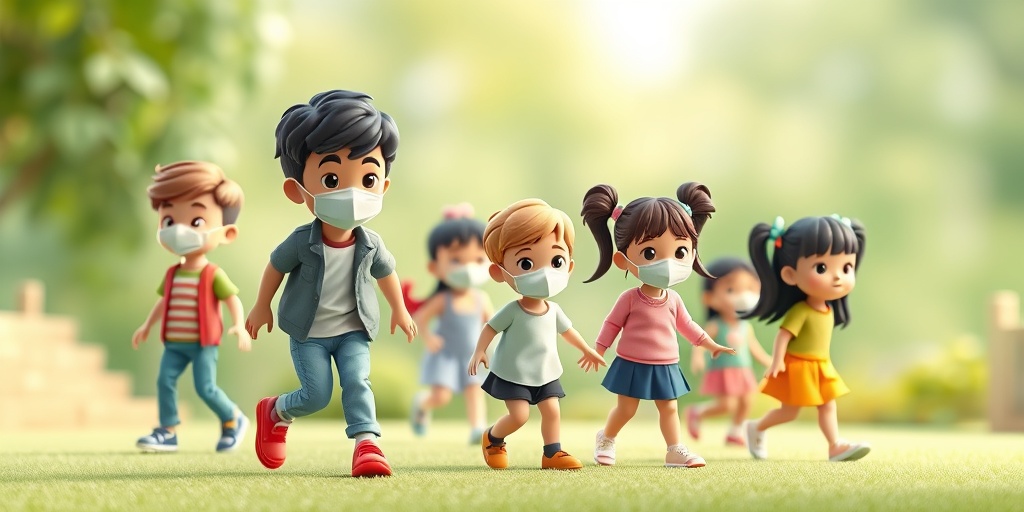
In areas with high transmission rates, wearing masks can significantly reduce the risk of spreading the virus. Ensure that children wear masks properly, covering both the nose and mouth. This is especially important in crowded or enclosed spaces.
4. Social Distancing
Encouraging children to maintain a safe distance from others can help prevent the spread of COVID-19. This is particularly important in settings like schools and playgrounds. Aim for at least 6 feet of distance whenever possible.
5. Monitoring Symptoms
Parents should be vigilant about monitoring their children for any symptoms of COVID-19, which may include:
- Fever or chills
- Cough
- Shortness of breath or difficulty breathing
- Fatigue
- Muscle or body aches
- Headache
- New loss of taste or smell
- Sore throat
- Congestion or runny nose
- Nausea or vomiting
- Diarrhea
If any symptoms arise, it is crucial to seek medical advice and consider testing for COVID-19.
6. Limiting Exposure
Limiting exposure to crowded places and large gatherings can significantly reduce the risk of infection. Opt for outdoor activities when possible, as they are generally safer than indoor gatherings.
Long-Term Effects of COVID-19 in Children
While many children experience mild symptoms or remain asymptomatic, there is growing concern about the potential long-term effects of COVID-19 in children. Understanding these effects is vital for parents and healthcare providers.
1. Post-Acute Sequelae of SARS-CoV-2 Infection (PASC)
Some children may develop lingering symptoms after recovering from the initial infection, a condition often referred to as “long COVID.” Symptoms can include:
- Fatigue: Persistent tiredness that interferes with daily activities.
- Brain Fog: Difficulty concentrating or memory issues.
- Sleep Disturbances: Problems with falling or staying asleep.
- Respiratory Issues: Ongoing cough or shortness of breath.
2. Mental Health Impacts
The pandemic has taken a toll on the mental health of children. Many have experienced increased anxiety, depression, and stress due to isolation, changes in routine, and fear of illness. It’s essential for parents to be aware of these changes and seek support when needed.
3. Developmental Concerns
For younger children, prolonged isolation and disruption of normal activities can impact social and emotional development. Engaging in social interactions and play is crucial for their growth, and parents should look for opportunities to facilitate these experiences safely.
4. Ongoing Research
Research is ongoing to better understand the long-term effects of COVID-19 in children. As more data becomes available, healthcare providers will be better equipped to support affected children and their families.
In conclusion, while the immediate focus is on preventing COVID-19, it is equally important to remain vigilant about the potential long-term effects on children. By implementing effective prevention strategies and staying informed, parents can help protect their children’s health during these challenging times. 🌈

Frequently Asked Questions about Coronavirus (COVID-19) in Children, Infants
1. What are the symptoms of COVID-19 in children and infants? 🤒
Children and infants can exhibit a range of symptoms similar to adults, including:
- Fever
- Cough
- Shortness of breath
- Fatigue
- Loss of taste or smell
- Muscle or body aches
- Headache
- Chills
- Sore throat
- Congestion or runny nose
- Nausea or vomiting
- Diarrhea
It’s important to monitor any symptoms and consult a healthcare provider if you have concerns.
2. How can I protect my child from COVID-19? 🛡️
To help protect your child from the virus, consider the following measures:
- Encourage frequent handwashing with soap and water for at least 20 seconds.
- Use hand sanitizer when soap and water are not available.
- Ensure your child wears a mask in crowded or indoor settings.
- Practice physical distancing by keeping at least 6 feet away from others.
- Limit close contact with individuals who are sick.
- Keep your child home if they are feeling unwell.
3. Are children at higher risk for severe illness from COVID-19? 🤔
While most children experience mild symptoms or are asymptomatic, some may be at higher risk for severe illness, particularly those with underlying health conditions such as:
- Chronic lung disease
- Heart conditions
- Diabetes
- Obesity
- Immunocompromised conditions
Consult your child’s healthcare provider for personalized advice and care.
4. What should I do if my child tests positive for COVID-19? 🏥
If your child tests positive for COVID-19, follow these steps:
- Isolate your child from others in the household.
- Monitor symptoms and seek medical advice if they worsen.
- Follow local health guidelines regarding quarantine and isolation.
- Keep your child hydrated and comfortable.
5. Can children receive the COVID-19 vaccine? 💉
Yes, children aged 5 and older are eligible for COVID-19 vaccination. Vaccination helps protect against severe illness and reduces the spread of the virus. Consult your healthcare provider for more information on vaccine availability and recommendations for your child.
6. What are the long-term effects of COVID-19 in children? 🔍
Research is ongoing regarding the long-term effects of COVID-19 in children. Some may experience lingering symptoms, known as “long COVID,” which can include fatigue, difficulty concentrating, and other health issues. It’s essential to monitor your child’s health and consult a healthcare provider if you have concerns.
7. How can I support my child’s mental health during the pandemic? ❤️
Supporting your child’s mental health is crucial during these challenging times. Consider the following strategies:
- Maintain a routine to provide stability.
- Encourage open communication about their feelings and concerns.
- Engage in fun activities together to relieve stress.
- Limit exposure to news that may cause anxiety.
Seek professional help if your child shows signs of significant distress.
8. Where can I find reliable information about COVID-19 in children? 📚
For accurate and up-to-date information, refer to trusted sources such as:
- The Centers for Disease Control and Prevention (CDC)
- The World Health Organization (WHO)
- Your local health department
These organizations provide guidelines and resources to help you navigate COVID-19 in children and infants.