What Is Cranial Arteritis?
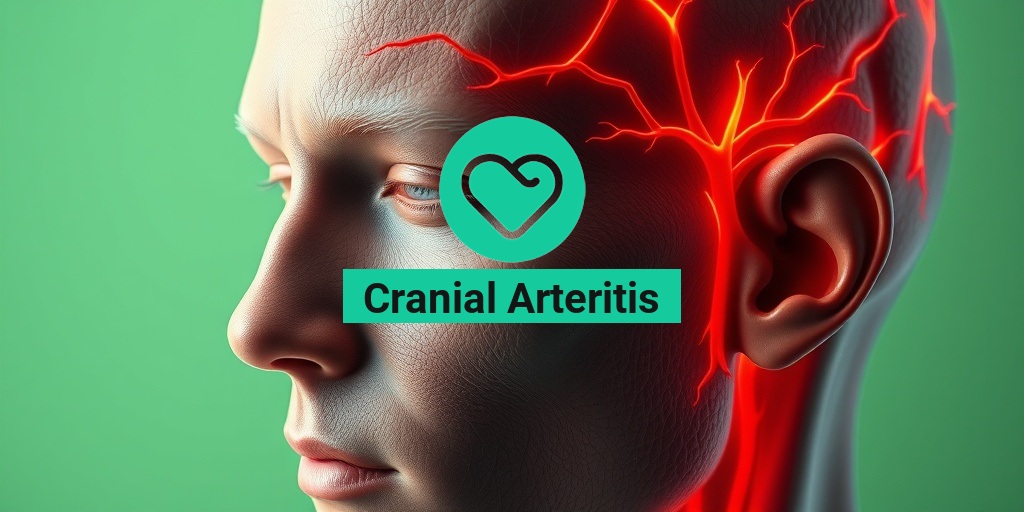
Cranial arteritis, also known as giant cell arteritis (GCA), is a type of vasculitis that primarily affects the blood vessels in the head, particularly the temporal arteries. This condition occurs when the immune system mistakenly attacks the blood vessels, leading to inflammation. While it can affect anyone, it is most commonly seen in individuals over the age of 50, and it is more prevalent in women than men.
The exact cause of cranial arteritis remains unclear, but it is believed to be related to a combination of genetic and environmental factors. This condition is often associated with another inflammatory condition called polymyalgia rheumatica, which causes muscle pain and stiffness.
Understanding cranial arteritis is crucial because if left untreated, it can lead to serious complications, including vision loss. Early diagnosis and treatment are essential to manage symptoms and prevent complications.
Cranial Arteritis Symptoms
Recognizing the symptoms of cranial arteritis is vital for timely intervention. The symptoms can vary from person to person, but some of the most common signs include:
- Headaches: Often severe and persistent, headaches are one of the hallmark symptoms of cranial arteritis. They may feel different from typical headaches and can be localized to one side of the head.
- Scalp tenderness: Many individuals experience tenderness on the scalp, especially when brushing hair or wearing hats.
- Vision problems: This can include blurred vision, double vision, or sudden vision loss. These symptoms require immediate medical attention.
- Jaw pain: Pain while chewing or jaw claudication is another common symptom, often described as a cramping sensation.
- Fatigue and fever: General feelings of malaise, fatigue, and low-grade fever can also accompany cranial arteritis.
- Weight loss: Unexplained weight loss may occur due to the body’s inflammatory response.
If you or someone you know is experiencing these symptoms, it is crucial to seek medical advice promptly. Early diagnosis can significantly improve outcomes and reduce the risk of complications.
For those seeking more information about cranial arteritis and its management, resources like Yesil Health AI can provide evidence-based answers and guidance.
In conclusion, cranial arteritis is a serious condition that requires awareness and prompt treatment. By understanding its symptoms and seeking timely medical care, individuals can better manage their health and reduce the risk of severe complications. Stay informed and proactive about your health! 🌟

Cranial Arteritis Causes
Cranial arteritis, often referred to as giant cell arteritis, is a condition characterized by inflammation of the blood vessels, particularly those in the head and neck. Understanding the causes of cranial arteritis is crucial for effective diagnosis and treatment. While the exact cause remains unclear, several factors are believed to contribute to its development.
Immune System Dysfunction
One of the primary causes of cranial arteritis is thought to be an abnormal response of the immune system. In this condition, the immune system mistakenly attacks the body’s own blood vessels, leading to inflammation. This autoimmune response can be triggered by various factors, including:
- Genetic predisposition: Individuals with a family history of autoimmune diseases may be at a higher risk.
- Environmental factors: Certain infections or environmental triggers may initiate the immune response.
- Age: Cranial arteritis is more common in individuals over the age of 50, suggesting that aging may play a role in immune system changes.
Inflammatory Processes
Inflammation is a key feature of cranial arteritis. The condition is associated with the presence of giant cells, which are large cells formed by the fusion of macrophages. These giant cells can be found in the walls of affected blood vessels, leading to narrowing and potential blockage. The inflammatory process can be exacerbated by:
- Chronic inflammation: Conditions like polymyalgia rheumatica, which often coexists with cranial arteritis, can contribute to ongoing inflammation.
- Infections: Some studies suggest that viral or bacterial infections may trigger the inflammatory response in susceptible individuals.
Cranial Arteritis Risk Factors
Identifying the risk factors for cranial arteritis can help in early detection and management of the condition. While anyone can develop cranial arteritis, certain factors increase the likelihood of its occurrence.
Age and Gender
Age is one of the most significant risk factors for cranial arteritis. The condition predominantly affects individuals over the age of 50, with a peak incidence in those aged 70 and older. Additionally, women are more likely than men to develop cranial arteritis, with a ratio of approximately 2:1. This gender disparity suggests that hormonal factors may play a role in the disease’s development.
Genetic Factors
As mentioned earlier, a family history of autoimmune diseases can increase the risk of cranial arteritis. Certain genetic markers have been associated with a higher susceptibility to the condition, indicating that genetics may influence the likelihood of developing this inflammatory disease.
Other Autoimmune Conditions
Individuals with other autoimmune disorders, such as rheumatoid arthritis or lupus, are at a greater risk of developing cranial arteritis. The presence of one autoimmune condition can often lead to the development of others, highlighting the interconnected nature of these diseases.
Geographic and Ethnic Factors
Research has shown that cranial arteritis is more prevalent in certain geographic regions and among specific ethnic groups. For instance, individuals of Northern European descent, particularly those from Scandinavian countries, have a higher incidence of the condition. This suggests that environmental and genetic factors may contribute to the risk.
In summary, while the exact causes of cranial arteritis remain elusive, a combination of immune system dysfunction, genetic predisposition, and environmental triggers are believed to play significant roles. Understanding the risk factors associated with cranial arteritis can aid in early diagnosis and treatment, ultimately improving patient outcomes. 🌟

Cranial Arteritis Diagnosis
Cranial arteritis, often referred to as giant cell arteritis, is a serious condition that primarily affects the blood vessels in the head, particularly the temporal arteries. Early diagnosis is crucial to prevent complications, including vision loss. Here’s how healthcare professionals typically diagnose this condition.
Understanding the Symptoms
The first step in diagnosing cranial arteritis is recognizing its symptoms. Common signs include:
- Severe headaches: Often described as a new type of headache, it can be persistent and debilitating.
- Scalp tenderness: Patients may experience pain when touching the scalp, particularly over the temples.
- Jaw pain: This can occur while chewing or talking, known as jaw claudication.
- Vision problems: Blurred vision or sudden vision loss can occur, necessitating immediate medical attention.
- Fatigue and fever: General malaise and low-grade fever are also common symptoms.
Medical History and Physical Examination
When a patient presents with these symptoms, the doctor will take a detailed medical history and perform a physical examination. They will look for signs of inflammation and may check the pulse in the temporal arteries. A temporal artery biopsy is often performed to confirm the diagnosis, where a small section of the artery is removed and examined for inflammation.
Blood Tests and Imaging
Blood tests play a significant role in diagnosing cranial arteritis. Key tests include:
- Erythrocyte sedimentation rate (ESR): This test measures inflammation in the body. A high ESR can indicate the presence of an inflammatory condition.
- C-reactive protein (CRP): Elevated levels of CRP also suggest inflammation.
In some cases, imaging studies such as ultrasound of the temporal arteries or MRI may be used to visualize inflammation and assess blood flow.
Cranial Arteritis Treatment Options
Once diagnosed, prompt treatment for cranial arteritis is essential to manage symptoms and prevent serious complications. The primary goal is to reduce inflammation and prevent damage to the arteries.
Corticosteroids: The First Line of Defense
The mainstay of treatment for cranial arteritis is corticosteroids. These medications help to quickly reduce inflammation and alleviate symptoms. Commonly prescribed corticosteroids include:
- Prednisone: Typically, a high dose is started and then gradually tapered down based on the patient’s response.
- Methylprednisolone: In some cases, intravenous administration may be necessary for severe symptoms.
Monitoring and Adjusting Treatment
Regular follow-ups are crucial to monitor the patient’s response to treatment. Doctors will adjust the dosage of corticosteroids based on symptoms and blood test results. It’s important to note that while corticosteroids are effective, they can have side effects, including weight gain, increased blood sugar levels, and osteoporosis. Therefore, doctors may also recommend:
- Bone density monitoring: To assess the risk of osteoporosis.
- Calcium and vitamin D supplements: To help mitigate bone loss.
Additional Medications
In some cases, additional medications may be prescribed to help manage symptoms or reduce the dosage of corticosteroids. These may include:
- Immunosuppressants: Such as methotrexate or azathioprine, which can help reduce the need for high doses of corticosteroids.
- Biologics: Newer treatments that target specific pathways in the inflammatory process may also be considered.
Lifestyle Modifications
Alongside medical treatment, certain lifestyle changes can support overall health and well-being:
- Healthy diet: A balanced diet rich in fruits, vegetables, and whole grains can help reduce inflammation.
- Regular exercise: Engaging in moderate physical activity can improve overall health and reduce stress.
- Stress management: Techniques such as yoga, meditation, or deep-breathing exercises can be beneficial.
In conclusion, early diagnosis and effective treatment of cranial arteritis are vital to prevent complications. If you experience symptoms associated with this condition, it’s important to seek medical attention promptly. 🩺

Cranial Arteritis Complications
Cranial arteritis, particularly known as giant cell arteritis, is a serious condition that primarily affects the blood vessels in the head and neck. While early diagnosis and treatment can significantly improve outcomes, there are several potential complications that can arise if the condition is left untreated or not managed properly. Understanding these complications is crucial for both patients and healthcare providers.
Vision Loss
One of the most severe complications of cranial arteritis is vision loss. This occurs when the inflammation affects the arteries supplying blood to the eyes. Patients may experience sudden vision changes, including blurred vision or even complete loss of sight in one or both eyes. This complication underscores the importance of early intervention and regular monitoring.
Stroke Risk
Cranial arteritis can also increase the risk of stroke. The inflammation can lead to the formation of blood clots, which may obstruct blood flow to the brain. Symptoms of a stroke can include sudden numbness, confusion, difficulty speaking, and severe headache. Recognizing these symptoms early can be life-saving.
Aneurysms
Another potential complication is the development of aneurysms in the affected blood vessels. An aneurysm occurs when a weakened blood vessel bulges and can potentially rupture, leading to serious health risks. Regular imaging studies may be necessary to monitor for this complication in patients diagnosed with cranial arteritis.
Systemic Involvement
Cranial arteritis can also have systemic effects, leading to complications in other organs. Patients may experience symptoms such as fever, fatigue, and weight loss, which can indicate that the inflammation is affecting other parts of the body. This systemic involvement can complicate treatment and management strategies.
Cranial Arteritis Management and Care
Managing cranial arteritis effectively requires a comprehensive approach that includes both medical treatment and lifestyle modifications. Here’s a closer look at how to manage this condition and ensure optimal care.
Medical Treatment
The cornerstone of treatment for cranial arteritis is the use of corticosteroids. These medications help reduce inflammation and prevent complications such as vision loss. Treatment often begins with a high dose of corticosteroids, which may be gradually tapered down based on the patient’s response and any side effects experienced.
Regular Monitoring
Regular follow-up appointments are essential for patients with cranial arteritis. During these visits, healthcare providers will monitor symptoms, adjust medications, and conduct necessary tests, such as blood tests and imaging studies, to assess the condition’s progression. This proactive approach helps in identifying any complications early on.
Lifestyle Modifications
In addition to medical treatment, certain lifestyle changes can support overall health and well-being. Here are some recommendations:
- Healthy Diet: A balanced diet rich in fruits, vegetables, whole grains, and lean proteins can help reduce inflammation.
- Regular Exercise: Engaging in moderate physical activity can improve circulation and overall health.
- Stress Management: Techniques such as yoga, meditation, and deep breathing can help manage stress, which may exacerbate symptoms.
- Avoid Smoking: Smoking can worsen vascular health, so quitting is highly recommended.
Support and Education
Living with cranial arteritis can be challenging, and having a strong support system is vital. Patients are encouraged to seek support from healthcare professionals, family, and support groups. Additionally, educating oneself about the condition can empower patients to take an active role in their care.
In summary, while cranial arteritis can lead to serious complications, effective management strategies can significantly improve outcomes. By understanding the potential risks and adhering to a comprehensive care plan, patients can navigate this condition with greater confidence and resilience. 🌟

Frequently Asked Questions about Cranial Arteritis
What is Cranial Arteritis?
Cranial Arteritis is an inflammatory condition that affects the blood vessels in the head, particularly the temporal arteries. It is often associated with a condition known as giant cell arteritis, which can lead to serious complications if not treated promptly.
What are the symptoms of Cranial Arteritis?
Common symptoms of cranial arteritis include:
- Severe headaches
- Scalp tenderness
- Jaw pain while chewing
- Vision problems, including blurred vision
- Fatigue and fever
How is Cranial Arteritis diagnosed?
Diagnosis typically involves a combination of a physical examination, blood tests to check for inflammation, and imaging studies such as ultrasound or MRI to assess the affected arteries.
What treatments are available for Cranial Arteritis?
Treatment for cranial arteritis usually includes:
- High doses of corticosteroids to reduce inflammation
- Regular monitoring and follow-up appointments
- Additional medications to manage symptoms and prevent complications
Can Cranial Arteritis lead to complications?
Yes, if left untreated, cranial arteritis can lead to serious complications, including permanent vision loss and other vascular issues. Early diagnosis and treatment are crucial to prevent these outcomes.
Is Cranial Arteritis the same as Giant Cell Arteritis?
Yes, cranial arteritis is often referred to as giant cell arteritis, particularly when it affects the temporal arteries. Both terms are used interchangeably in medical literature.
Who is at risk for developing Cranial Arteritis?
Individuals over the age of 50, particularly those of Scandinavian or Northern European descent, are at a higher risk for developing cranial arteritis. Other risk factors include a history of autoimmune diseases.
How can I manage Cranial Arteritis symptoms at home?
While medical treatment is essential, some home management strategies include:
- Applying warm compresses to the scalp
- Staying hydrated
- Practicing stress-reduction techniques such as yoga or meditation
When should I see a doctor for Cranial Arteritis?
If you experience symptoms such as severe headaches, jaw pain, or vision changes, it is important to seek medical attention promptly. Early intervention can significantly improve outcomes.
Can lifestyle changes help with Cranial Arteritis?
While lifestyle changes alone cannot cure cranial arteritis, maintaining a healthy diet, regular exercise, and avoiding smoking can support overall vascular health and may help manage symptoms.