What Is Vulvar Cancer?
Vulvar cancer is a rare type of cancer that occurs on the external genitalia of women, specifically the vulva. The vulva includes the labia, clitoris, and the opening of the vagina. Although it accounts for only about 4% of all gynecological cancers, understanding vulvar cancer is crucial for early detection and effective treatment.
Types of Vulvar Cancer
There are several types of vulvar cancer, with the most common being:
- Squamous Cell Carcinoma: This is the most prevalent form, arising from the flat cells lining the vulva.
- Melanoma: A more aggressive type that develops from pigment-producing cells.
- Adenocarcinoma: This type originates in the glandular tissue of the vulva.
Risk Factors for Vulvar Cancer
Several factors may increase the risk of developing vulvar cancer, including:
- Age: Most cases occur in women over 50.
- Human Papillomavirus (HPV): Certain strains of HPV are linked to vulvar cancer.
- Smoking: Tobacco use can increase the risk of various cancers, including vulvar cancer.
- Chronic Skin Conditions: Conditions like lichen sclerosus can predispose women to vulvar cancer.
Being aware of these risk factors can help women take proactive steps in monitoring their health. Regular check-ups and discussions with healthcare providers are essential for early detection.
Vulvar Cancer Symptoms
Recognizing the symptoms of vulvar cancer is vital for early diagnosis and treatment. While some symptoms may be indicative of other conditions, it’s important to consult a healthcare professional if you experience any of the following:
Common Symptoms of Vulvar Cancer
- Unusual Lumps or Growths: A lump or mass on the vulva that persists should be evaluated.
- Changes in Skin Color: Darkening or other changes in the skin of the vulva can be a warning sign.
- Itching or Burning: Persistent itching or burning sensations in the vulvar area may indicate an underlying issue.
- Pain or Discomfort: Pain during intercourse or discomfort in the vulvar region should not be ignored.
- Abnormal Bleeding: Any unexplained bleeding from the vulva or vagina warrants immediate medical attention.
When to Seek Medical Advice
If you notice any of these symptoms, especially if they persist for more than a few weeks, it’s crucial to seek medical advice. Early detection can significantly improve treatment outcomes. Remember, not all symptoms indicate cancer, but it’s better to be cautious and get checked.
Resources for Further Information
For more detailed information about vulvar cancer, including treatment options and support, consider visiting Yesil Health AI. They provide evidence-based health answers and can guide you through understanding your health concerns.
In conclusion, while vulvar cancer is rare, awareness of its symptoms and risk factors can empower women to take charge of their health. Regular check-ups and open conversations with healthcare providers are key to early detection and effective treatment. Stay informed, stay healthy! 🌸

Risk Factors for Vulvar Cancer
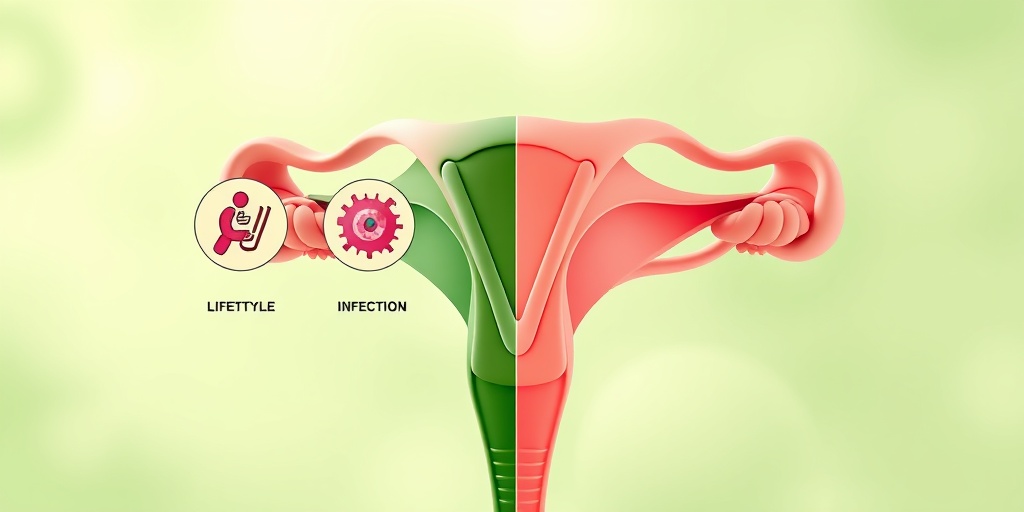
Understanding the risk factors associated with vulvar cancer is crucial for early detection and prevention. While the exact cause of vulvar cancer remains unclear, certain factors can increase the likelihood of developing this condition. Here are some of the primary risk factors:
Age
Vulvar cancer is more common in older women, particularly those over the age of 65. The risk increases with age, making regular check-ups and awareness of symptoms essential for older populations.
Human Papillomavirus (HPV) Infection
One of the most significant risk factors for vulvar cancer is a history of HPV infection. This sexually transmitted virus is known to cause changes in the cells of the vulva, which can lead to cancer over time. Vaccination against HPV can significantly reduce this risk.
Smoking
Smoking is another major risk factor. Women who smoke are more likely to develop vulvar cancer compared to non-smokers. The harmful chemicals in tobacco can damage the cells in the vulvar area, increasing the risk of cancerous changes.
Chronic Skin Conditions
Chronic skin conditions, such as lichen sclerosus, can increase the risk of vulvar cancer. This condition causes thinning and scarring of the vulvar skin, making it more susceptible to cancerous changes. Regular monitoring and treatment of such conditions are vital.
Weakened Immune System
A weakened immune system, whether due to HIV/AIDS, organ transplants, or certain medications, can increase the risk of developing vulvar cancer. A healthy immune system plays a crucial role in fighting off infections and abnormal cell growth.
Family History
Having a family history of vulvar or other gynecological cancers can also elevate your risk. Genetic factors may play a role, so discussing your family history with your healthcare provider is essential for personalized risk assessment.
Causes of Vulvar Cancer
The exact causes of vulvar cancer are not fully understood, but several factors contribute to its development. Here are some of the primary causes associated with this type of cancer:
HPV Infection
As mentioned earlier, HPV infection is a leading cause of vulvar cancer. Certain strains of HPV, particularly types 16 and 18, are known to be high-risk and are linked to the development of various cancers, including vulvar cancer. Regular screenings and vaccinations can help mitigate this risk.
Genetic Mutations
Genetic mutations, particularly in the BRCA1 and BRCA2 genes, can increase the risk of developing vulvar cancer. Women with these mutations may have a higher likelihood of developing not only vulvar cancer but also other types of breast and ovarian cancers.
Chronic Inflammation
Chronic inflammation in the vulvar area, often due to conditions like lichen sclerosus or vulvar vestibulitis, can lead to cellular changes that may result in cancer. Managing these conditions with the help of a healthcare provider is crucial for reducing cancer risk.
Hormonal Factors
Hormonal changes, particularly those related to menopause, can influence the risk of vulvar cancer. Decreased estrogen levels can lead to thinning of the vulvar tissues, making them more vulnerable to cancerous changes. Hormone replacement therapy may be considered in some cases, but it should be discussed thoroughly with a healthcare provider.
Environmental Factors
Exposure to certain environmental factors, such as chemicals and toxins, may also contribute to the risk of vulvar cancer. While research is ongoing, minimizing exposure to harmful substances is a prudent approach to maintaining overall health.
In conclusion, being aware of the risk factors and potential causes of vulvar cancer can empower women to take proactive steps in their health journey. Regular check-ups, vaccinations, and open discussions with healthcare providers are essential for early detection and prevention. 🌸
Diagnosis of Vulvar Cancer
Diagnosing vulvar cancer can be a complex process, as it often shares symptoms with other conditions. Early detection is crucial for effective treatment, so understanding the diagnostic steps is essential for women who may be at risk.
Initial Consultation and Symptoms
The first step in diagnosing vulvar cancer typically involves a visit to a healthcare provider. During this consultation, the doctor will ask about your medical history and any symptoms you may be experiencing. Common vulvar cancer symptoms include:
- Persistent itching or irritation in the vulvar area
- Changes in skin color or texture
- Unusual lumps or growths
- Pain during intercourse
- Bleeding not related to menstruation
If you experience any of these symptoms, it’s important to seek medical advice promptly. Early intervention can significantly improve outcomes.
Physical Examination
During the physical examination, the doctor will inspect the vulvar area for any abnormalities. They may use a speculum to get a better view of the vagina and cervix. If any suspicious areas are found, the doctor may recommend a biopsy, which involves taking a small sample of tissue for further analysis.
Biopsy and Laboratory Tests
A biopsy is the definitive way to diagnose vulvar cancer. There are several types of biopsies, including:
- Excisional biopsy: The entire lump or suspicious area is removed.
- Incisional biopsy: A portion of the lump is removed for testing.
- Punch biopsy: A small cylinder of tissue is removed using a special tool.
Once the biopsy is performed, the tissue sample is sent to a laboratory where a pathologist examines it for cancerous cells. The results will help determine whether vulvar cancer is present and, if so, what type it is.
Imaging Tests
If vulvar cancer is diagnosed, additional imaging tests may be necessary to determine the extent of the disease. Common imaging tests include:
- Ultrasound: Uses sound waves to create images of the internal structures.
- CT scans: Provides detailed cross-sectional images of the body.
- MRI scans: Offers high-resolution images of soft tissues.
These tests help in assessing whether the cancer has spread to nearby lymph nodes or other organs, which is crucial for planning treatment.
Staging and Grading Vulvar Cancer
Once vulvar cancer is diagnosed, the next step is to determine its stage and grade. This information is vital for developing an effective treatment plan.
Understanding Staging
Staging refers to the extent of cancer in the body. Vulvar cancer is typically staged using the FIGO system, which categorizes the cancer from Stage I to Stage IV:
- Stage I: Cancer is confined to the vulva.
- Stage II: Cancer has spread to nearby structures but not to lymph nodes.
- Stage III: Cancer has spread to nearby lymph nodes.
- Stage IV: Cancer has spread to distant organs.
Understanding the stage of vulvar cancer helps doctors determine the most appropriate treatment options and predict the likely outcome.
Grading Vulvar Cancer
Grading refers to how abnormal the cancer cells look under a microscope. The grade indicates how quickly the cancer is likely to grow and spread. Vulvar cancer is usually graded as:
- Grade 1 (Low grade): Cancer cells look similar to normal cells and tend to grow slowly.
- Grade 2 (Moderate grade): Cancer cells look more abnormal and may grow at a moderate rate.
- Grade 3 (High grade): Cancer cells look very abnormal and are likely to grow and spread quickly.
Both staging and grading are essential for creating a personalized treatment plan and understanding the prognosis for women diagnosed with vulvar cancer. If you have concerns about vulvar cancer or its symptoms, don’t hesitate to reach out to a healthcare professional for guidance and support. 🌸

Vulvar Cancer Treatment Options
When diagnosed with vulvar cancer, understanding the available treatment options is crucial for both patients and their loved ones. Treatment plans are often tailored to the individual, taking into account the stage of cancer, overall health, and personal preferences. Here’s a closer look at the primary treatment options available for vulvar cancer.
1. Surgery
Surgery is often the first line of treatment for vulvar cancer. The type of surgery performed depends on the size and location of the tumor:
- Local excision: This involves removing the cancerous tissue along with a margin of healthy tissue.
- Vulvectomy: In cases where the cancer is more extensive, a partial or total vulvectomy may be necessary, which involves removing part or all of the vulva.
- Lymphadenectomy: If cancer has spread to the lymph nodes, these may also be removed during surgery.
Recovery from surgery can vary, and patients may experience pain, swelling, and changes in sexual function. It’s essential to discuss these potential side effects with your healthcare provider.
2. Radiation Therapy
Radiation therapy uses high-energy rays to target and kill cancer cells. It can be used as:
- Primary treatment: For patients who cannot undergo surgery.
- Adjuvant therapy: After surgery to eliminate any remaining cancer cells.
Radiation can be delivered externally or internally (brachytherapy). Side effects may include skin irritation, fatigue, and changes in bowel or bladder function.
3. Chemotherapy
Chemotherapy involves the use of drugs to kill cancer cells. It is typically used for advanced vulvar cancer or when the cancer has spread to other parts of the body. Common side effects include:
- Nausea and vomiting
- Hair loss
- Fatigue
Patients should discuss the potential benefits and risks of chemotherapy with their oncologist to make an informed decision.
4. Targeted Therapy and Immunotherapy
These newer treatment options focus on specific characteristics of cancer cells or enhance the body’s immune response to fight cancer. While still being researched for vulvar cancer, they may offer hope for some patients. Discussing clinical trials with your healthcare provider can provide additional options.
5. Palliative Care
Palliative care is an essential aspect of treatment for vulvar cancer, focusing on improving the quality of life for patients. This type of care can be provided alongside curative treatments and includes:
- Pain management
- Emotional support
- Assistance with daily activities
Integrating palliative care can help patients cope with the physical and emotional challenges of vulvar cancer.
Living with Vulvar Cancer
Living with vulvar cancer can be a challenging journey, both physically and emotionally. However, many patients find ways to cope and maintain a good quality of life. Here are some strategies to consider:
1. Emotional Support
Receiving a diagnosis of vulvar cancer can lead to a range of emotions, including fear, anxiety, and sadness. Seeking support from:
- Friends and family
- Counselors or therapists
- Support groups
can be incredibly beneficial. Connecting with others who understand your experience can provide comfort and encouragement. 💖
2. Managing Physical Symptoms
Patients may experience various physical symptoms due to the cancer or its treatment. Here are some tips for managing these symptoms:
- Skin care: Use gentle, fragrance-free products to soothe irritated skin.
- Pain management: Discuss pain relief options with your healthcare provider.
- Nutrition: Eating a balanced diet can help maintain strength and energy levels.
3. Staying Active
Engaging in regular physical activity can help improve mood and overall well-being. Activities such as walking, yoga, or swimming can be beneficial. Always consult with your healthcare provider before starting any new exercise regimen. 🏃♀️
4. Open Communication with Healthcare Providers
Maintaining open lines of communication with your healthcare team is vital. Don’t hesitate to ask questions about your treatment, side effects, or any concerns you may have. Being informed can empower you to make the best decisions for your health.
Living with vulvar cancer is undoubtedly challenging, but with the right support and resources, many patients can navigate this journey with resilience and hope. 🌈

Frequently Asked Questions about Vulvar Cancer
What is Vulvar Cancer?
Vulvar cancer is a rare type of cancer that occurs on the external female genitalia, specifically the vulva. It can develop from various types of cells and may present in different forms, including squamous cell carcinoma, melanoma, and others.
What are the common symptoms of Vulvar Cancer?
Some common vulvar cancer symptoms include:
- Persistent itching or irritation in the vulvar area
- Changes in the color or texture of the skin
- Unusual lumps or growths
- Pain or discomfort during intercourse
- Bleeding or discharge not related to menstruation
How is Vulvar Cancer diagnosed?
Diagnosis typically involves a physical examination, a biopsy of any suspicious areas, and imaging tests to determine the extent of the disease. If you notice any concerning symptoms, it’s important to consult a healthcare professional.
What are the treatment options for Vulvar Cancer?
Treatment for vulvar cancer may include:
- Surgery to remove the cancerous tissue
- Radiation therapy
- Chemotherapy
- Targeted therapy, depending on the specific type of cancer
The treatment plan will depend on the stage of the cancer and the overall health of the patient.
What causes Vulvar Cancer?
The exact causes of vulvar cancer are not fully understood, but several risk factors may contribute, including:
- Human papillomavirus (HPV) infection
- Smoking
- Chronic inflammatory conditions
- Age, as it is more common in older women
What is the staging of Vulvar Cancer?
Vulvar cancer staging is crucial for determining the extent of the disease and the best treatment options. Stages range from I (localized) to IV (advanced), with various sub-stages that indicate how far the cancer has spread.
Where can I find more information and support?
For more information, consider visiting reputable health websites or organizations dedicated to cancer awareness and support. You can also consult with healthcare providers for personalized guidance and resources.
Are there any resources for Vulvar Cancer photos and images?
For educational purposes, you can find vulvar cancer photos and images on medical websites such as the Mayo Clinic. These resources can help you understand the visual aspects of the condition, but always consult a healthcare professional for accurate diagnosis and advice.
What is the ICD-10 code for Vulvar Cancer?
The ICD-10 code for vulvar cancer is C51. This code is used for billing and classification purposes in medical records.
How can I reduce my risk of Vulvar Cancer?
To potentially lower your risk of developing vulvar cancer, consider the following preventive measures:
- Get vaccinated against HPV
- Avoid smoking
- Practice safe sex
- Regularly monitor any changes in your vulvar area and consult a doctor if you notice anything unusual
If you have any further questions or concerns about vulvar cancer, don’t hesitate to reach out to a healthcare professional for more information. Your health is important! 🌸