
What Is Type 2 Diabetes?
Type 2 diabetes is a chronic condition that affects the way your body metabolizes sugar (glucose), which is a vital source of fuel for your body. Unlike Type 1 diabetes, where the body fails to produce insulin, Type 2 diabetes occurs when the body becomes resistant to insulin or when the pancreas fails to produce enough insulin. This condition is increasingly being diagnosed in children, leading to growing concerns among parents and healthcare providers alike.
In children, Type 2 diabetes is often linked to obesity, sedentary lifestyles, and poor dietary choices. The rise in childhood obesity rates has contributed significantly to the increase in Type 2 diabetes cases among younger populations. Understanding this condition is crucial for early detection and management.
How Does Type 2 Diabetes Develop?
Type 2 diabetes develops gradually and can often go unnoticed for years. The body’s cells become less responsive to insulin, leading to elevated blood sugar levels. Over time, this can result in serious health complications if not managed properly. Factors that contribute to the development of Type 2 diabetes in children include:
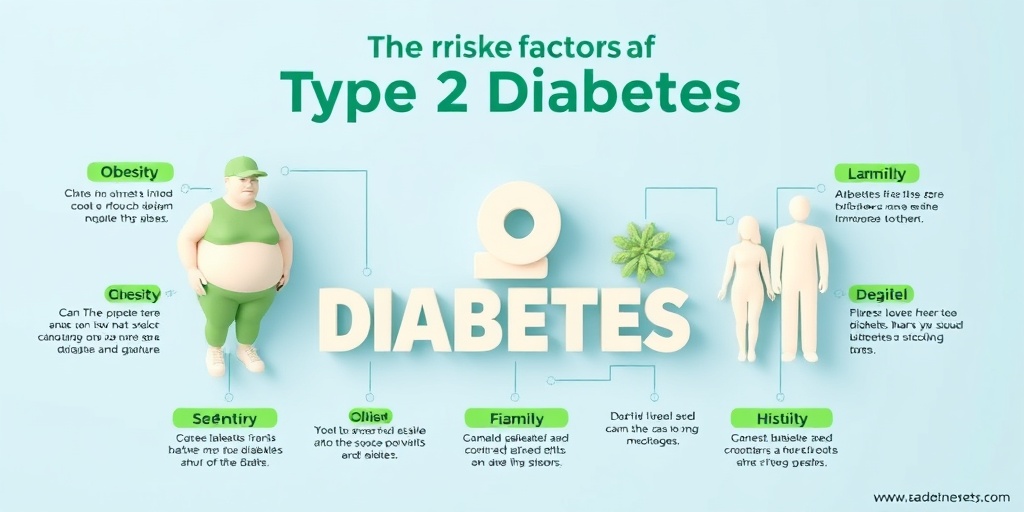
- Genetics: A family history of diabetes can increase the risk.
- Obesity: Excess body fat, particularly around the abdomen, is a significant risk factor.
- Physical Inactivity: A lack of regular exercise can contribute to weight gain and insulin resistance.
- Poor Diet: High consumption of sugary foods and beverages can lead to weight gain and increased blood sugar levels.
Type 2 Diabetes Symptoms
Recognizing the symptoms of Type 2 diabetes in children is essential for early intervention. While some children may not exhibit noticeable symptoms, others may experience a range of signs that should not be ignored. Here are some common symptoms:
Common Symptoms
- Increased Thirst: Children may feel excessively thirsty and drink more fluids than usual.
- Frequent Urination: Increased urination, especially at night, can be a sign of high blood sugar levels.
- Fatigue: Children may feel unusually tired or lethargic due to the body’s inability to use glucose effectively.
- Blurred Vision: High blood sugar can lead to changes in vision, making it difficult to focus.
- Slow Healing: Cuts and bruises may take longer to heal, indicating potential complications.
Signs of Diabetes in Toddlers
In toddlers, symptoms may be less obvious but can still be present. Parents should be vigilant for signs such as:
- Unexplained Weight Loss: Despite eating normally, a toddler may lose weight.
- Increased Hunger: A child may seem hungrier than usual, even after eating.
- Behavioral Changes: Irritability or mood swings can sometimes indicate health issues.
When to Seek Medical Advice
If you notice any of these symptoms in your child, it’s crucial to consult a healthcare professional. Early diagnosis and management can significantly improve outcomes and help prevent complications associated with Type 2 diabetes.
For more information on diabetes and its management, consider visiting Yesil Health AI, a valuable resource for evidence-based health answers. Understanding diabetes, especially Type 2 diabetes in children, is essential for parents to ensure their child’s health and well-being.
In conclusion, Type 2 diabetes is a serious condition that requires attention and management. By recognizing the symptoms early and making lifestyle changes, parents can help their children lead healthier lives and reduce the risk of complications associated with this disease. 🌟

Causes of Type 2 Diabetes in Children
Type 2 diabetes in children is a growing concern, with increasing numbers of young individuals being diagnosed each year. Understanding the causes of this condition is crucial for prevention and management. Here are some of the primary factors contributing to the development of type 2 diabetes in children:
Genetic Predisposition
One of the significant causes of type 2 diabetes in children is a family history of the disease. If a child has parents or siblings with diabetes, their risk of developing the condition increases. Genetics play a vital role in how the body processes insulin and glucose, making some children more susceptible than others.
Obesity and Overweight
Obesity is one of the most critical risk factors for type 2 diabetes. Children who are overweight often have higher levels of body fat, which can lead to insulin resistance. This means their bodies do not use insulin effectively, resulting in elevated blood sugar levels. According to recent statistics, the prevalence of obesity among children has risen dramatically, contributing to the increase in type 2 diabetes cases.
Physical Inactivity
A sedentary lifestyle is another significant contributor to type 2 diabetes in children. With the rise of technology and screen time, many children are not engaging in enough physical activity. Regular exercise helps maintain a healthy weight and improves insulin sensitivity, reducing the risk of developing diabetes.
Poor Dietary Choices
Diet plays a crucial role in the development of type 2 diabetes. A diet high in processed foods, sugary beverages, and unhealthy fats can lead to weight gain and insulin resistance. Children who consume a lot of fast food and sugary snacks are at a higher risk of developing diabetes. Encouraging a balanced diet rich in fruits, vegetables, whole grains, and lean proteins is essential for prevention.
Hormonal Changes
As children grow, they undergo various hormonal changes, especially during puberty. These changes can affect how the body processes insulin and glucose. In some cases, these hormonal shifts can trigger the onset of type 2 diabetes, particularly in children who are already at risk due to other factors.
Risk Factors for Type 2 Diabetes
Identifying the risk factors associated with type 2 diabetes in children can help parents and caregivers take proactive measures to protect their health. Here are some of the most common risk factors:
Age
While type 2 diabetes can occur at any age, it is more commonly diagnosed in older children and adolescents. The risk increases as children grow older, particularly during the transition into puberty.
Ethnicity
Certain ethnic groups are at a higher risk for developing type 2 diabetes. For instance, African American, Hispanic, Native American, and Asian American children are more likely to be diagnosed with this condition compared to their Caucasian peers. Understanding these disparities can help target prevention efforts more effectively.
Family History
As mentioned earlier, a family history of diabetes significantly increases a child’s risk. If a child has a parent or sibling with type 2 diabetes, they should be monitored closely for symptoms and encouraged to adopt a healthy lifestyle.
High Blood Pressure and Cholesterol Levels
Children with high blood pressure or elevated cholesterol levels are at an increased risk of developing type 2 diabetes. These conditions often accompany obesity and can further complicate a child’s health. Regular check-ups can help identify these issues early on.
Low Birth Weight
Interestingly, children who were born with a low birth weight may also be at a higher risk for developing type 2 diabetes later in life. This paradoxical relationship highlights the importance of prenatal care and nutrition.
Psychosocial Factors
Emotional and psychological factors can also influence a child’s risk of developing type 2 diabetes. Stress, depression, and anxiety can lead to unhealthy eating habits and physical inactivity, further increasing the risk. It’s essential to address these factors through supportive environments and mental health resources.
By understanding the causes and risk factors associated with type 2 diabetes in children, parents and caregivers can take proactive steps to promote healthier lifestyles and reduce the likelihood of this condition developing. 🌟
Diagnosis of Type 2 Diabetes
Diagnosing Type 2 Diabetes in Children can be a crucial step in ensuring their health and well-being. Early detection allows for timely intervention, which can significantly improve the quality of life for affected children. Here’s what you need to know about the diagnosis process.
Understanding the Symptoms
Recognizing the symptoms of diabetes type 2 in children is essential for early diagnosis. Common signs include:
- Increased thirst and frequent urination 💧
- Extreme fatigue and irritability
- Blurred vision
- Slow healing of cuts and bruises
- Dark patches of skin, particularly around the neck or armpits
If you notice these symptoms in your child, it’s important to consult a healthcare professional for further evaluation.
Diagnostic Tests
Healthcare providers typically use several tests to diagnose diabetes mellitus type 2 in children. These tests include:
- Fasting Blood Sugar Test: Measures blood sugar levels after an overnight fast. A reading of 126 mg/dL or higher indicates diabetes.
- Oral Glucose Tolerance Test (OGTT): Involves fasting overnight and then drinking a sugary solution. Blood sugar levels are tested at intervals. A reading of 200 mg/dL or higher two hours after drinking the solution suggests diabetes.
- A1C Test: This test measures average blood sugar levels over the past two to three months. An A1C of 6.5% or higher indicates diabetes.
It’s important to note that a single test result is not enough for a diagnosis. Doctors often confirm the diagnosis with a second test on a different day.
Risk Factors
Understanding the causes of diabetes type 2 in children can help in identifying at-risk individuals. Some common risk factors include:
- Family history of diabetes
- Obesity or being overweight
- Physical inactivity
- Unhealthy eating habits
- Age (children over 10 years are at higher risk)
Being aware of these factors can help parents and caregivers take proactive measures to reduce the risk of developing diabetes.
Managing Type 2 Diabetes
Once diagnosed, managing Type 2 Diabetes in Children becomes a priority. Effective management can help control blood sugar levels and prevent complications. Here are some key strategies for managing this condition.
Healthy Eating Habits
Nutrition plays a vital role in managing diabetes. A balanced diet can help maintain stable blood sugar levels. Here are some tips:
- Focus on whole foods like fruits, vegetables, whole grains, and lean proteins.
- Limit sugary snacks and beverages. Opt for water or unsweetened drinks instead.
- Monitor carbohydrate intake and choose complex carbohydrates over simple sugars.
Involving children in meal planning can also encourage healthier eating habits. 🍏🥦
Regular Physical Activity
Encouraging regular exercise is another critical aspect of managing type 2 diabetes in kids. Physical activity helps improve insulin sensitivity and can aid in weight management. Aim for at least:
- 30 minutes of moderate exercise most days of the week
- Activities that your child enjoys, such as biking, swimming, or playing sports
Making exercise a fun family activity can motivate children to stay active! 🏃♂️🏊♀️
Monitoring Blood Sugar Levels
Regular monitoring of blood sugar levels is essential for effective management. Parents should work with healthcare providers to establish a monitoring schedule. This may include:
- Daily blood sugar checks using a glucometer
- Keeping a log of blood sugar readings to identify patterns
Understanding how different foods and activities affect blood sugar can empower children to make informed choices.
Regular Medical Check-ups
Routine visits to a healthcare provider are crucial for managing diabetes type 2 in children. These check-ups can help monitor the child’s overall health and adjust treatment plans as necessary. Key aspects of these visits may include:
- Regular A1C testing to assess long-term blood sugar control
- Screening for potential complications, such as eye or kidney issues
By staying proactive and engaged in their healthcare, children can lead healthy, fulfilling lives despite their diagnosis. 🌟

Type 2 Diabetes Complications
Type 2 diabetes in children is a growing concern, and understanding its complications is crucial for parents and caregivers. When diabetes is not managed effectively, it can lead to a range of serious health issues. Here, we’ll explore some of the most common complications associated with diabetes type 2 in children.
Short-Term Complications
Short-term complications can arise quickly and may require immediate medical attention. These include:
- Hyperglycemia: This condition occurs when blood sugar levels are too high. Symptoms may include excessive thirst, frequent urination, and fatigue.
- Diabetic Ketoacidosis (DKA): A severe complication that can occur if diabetes is not managed properly. It happens when the body starts breaking down fat for energy, leading to a buildup of acids called ketones in the blood. Symptoms include nausea, vomiting, abdominal pain, and confusion.
Long-Term Complications
If diabetes mellitus type 2 in children is not controlled over time, it can lead to long-term complications that affect various organs and systems in the body:
- Cardiovascular Disease: Children with type 2 diabetes are at a higher risk of developing heart disease and stroke later in life due to factors like high blood pressure and cholesterol levels.
- Kidney Damage: Diabetes can affect kidney function, leading to diabetic nephropathy. Regular monitoring of kidney health is essential.
- Nerve Damage: High blood sugar levels can cause nerve damage, known as diabetic neuropathy, which may lead to pain, tingling, or loss of sensation, particularly in the feet.
- Eye Problems: Diabetic retinopathy is a condition that affects the eyes and can lead to vision loss. Regular eye exams are crucial for early detection.
Psychosocial Impact
Beyond physical health, type 2 diabetes in children can also have a significant psychosocial impact. Children may experience:
- Emotional Distress: Managing diabetes can be overwhelming, leading to anxiety and depression.
- Social Isolation: Children may feel different from their peers, which can affect their self-esteem and social interactions.
Understanding these complications is vital for parents and caregivers to help manage and mitigate the risks associated with diabetes type 2 in kids. Regular check-ups, a healthy lifestyle, and education about the condition can significantly improve outcomes.
Preventing Type 2 Diabetes in Children
Preventing type 2 diabetes in children is a shared responsibility among parents, schools, and communities. With the rising statistics of diabetes in children, proactive measures are essential. Here are some effective strategies to help prevent this condition:
Encouraging Healthy Eating Habits
Nutrition plays a crucial role in preventing diabetes. Here are some tips:
- Balanced Diet: Encourage a diet rich in fruits, vegetables, whole grains, and lean proteins. Limit sugary snacks and beverages.
- Portion Control: Teach children about appropriate portion sizes to avoid overeating.
- Regular Meal Times: Establishing regular meal times can help regulate blood sugar levels.
Promoting Physical Activity
Regular physical activity is vital for maintaining a healthy weight and preventing diabetes:
- Daily Exercise: Aim for at least 60 minutes of moderate to vigorous physical activity each day. This can include sports, dancing, or even playing outside.
- Limit Screen Time: Encourage children to engage in physical activities rather than spending excessive time on screens.
Regular Health Check-Ups
Routine medical check-ups can help identify risk factors early:
- Monitoring Weight: Regularly check your child’s weight and growth patterns to ensure they are within a healthy range.
- Blood Sugar Testing: If there is a family history of diabetes, discuss with your healthcare provider about regular blood sugar testing.
Education and Awareness
Educating children about healthy lifestyle choices is essential:
- Understanding Nutrition: Teach children about the importance of nutrition and how it affects their health.
- Encouraging Healthy Choices: Involve children in meal planning and preparation to foster a sense of responsibility for their health.
By implementing these strategies, parents and caregivers can play a significant role in preventing diabetes type 2 in toddlers and children. A proactive approach can lead to healthier futures for our kids! 🌟

Frequently Asked Questions about Diabetes, Type 2 in Children
What is Diabetes, Type 2 in Children?
Diabetes, Type 2 in children is a chronic condition that affects the way the body processes glucose, leading to high blood sugar levels. Unlike Type 1 diabetes, which is often diagnosed in childhood, Type 2 diabetes is more common in older children and adolescents, particularly those who are overweight or have a family history of the disease.
What are the symptoms of Diabetes, Type 2 in Children?
Common symptoms of diabetes type 2 in children include:
- Increased thirst and frequent urination
- Extreme fatigue
- Blurred vision
- Slow healing of cuts and bruises
- Dark patches of skin, particularly around the neck or armpits
What causes Diabetes, Type 2 in Children?
The exact cause of diabetes type 2 in children is not fully understood, but several factors contribute to its development, including:
- Genetic predisposition
- Obesity and lack of physical activity
- Poor dietary habits
- Insulin resistance
How is Diabetes, Type 2 in Children diagnosed?
Diagnosis typically involves a combination of medical history, physical examination, and blood tests to measure blood sugar levels. Common tests include:
- Fasting blood glucose test
- Oral glucose tolerance test
- A1C test
What are the treatment options for Diabetes, Type 2 in Children?
Treatment for diabetes mellitus type 2 in children often includes:
- Healthy eating and nutrition education
- Regular physical activity
- Monitoring blood sugar levels
- Medications, if necessary
Can Diabetes, Type 2 in Children be prevented?
While not all cases can be prevented, promoting a healthy lifestyle can significantly reduce the risk. This includes:
- Encouraging regular exercise
- Providing a balanced diet rich in fruits, vegetables, and whole grains
- Limiting sugary drinks and snacks
What are the statistics on Type 2 Diabetes in Children?
Recent studies indicate that the prevalence of type 2 diabetes in children is rising, particularly among those aged 10 to 19. Factors contributing to this increase include rising obesity rates and sedentary lifestyles.
Is there a difference between Type 1 and Type 2 Diabetes in Children?
Yes, diabetes type 1 and 2 in children differ in their causes and treatment. Type 1 diabetes is an autoimmune condition where the body does not produce insulin, while Type 2 diabetes is often related to lifestyle factors and insulin resistance.
What should parents look for in terms of signs of Diabetes, Type 2 in Children?
Parents should be vigilant for signs such as increased thirst, frequent urination, and unexplained weight loss. If these symptoms are observed, it is important to consult a healthcare professional for further evaluation.