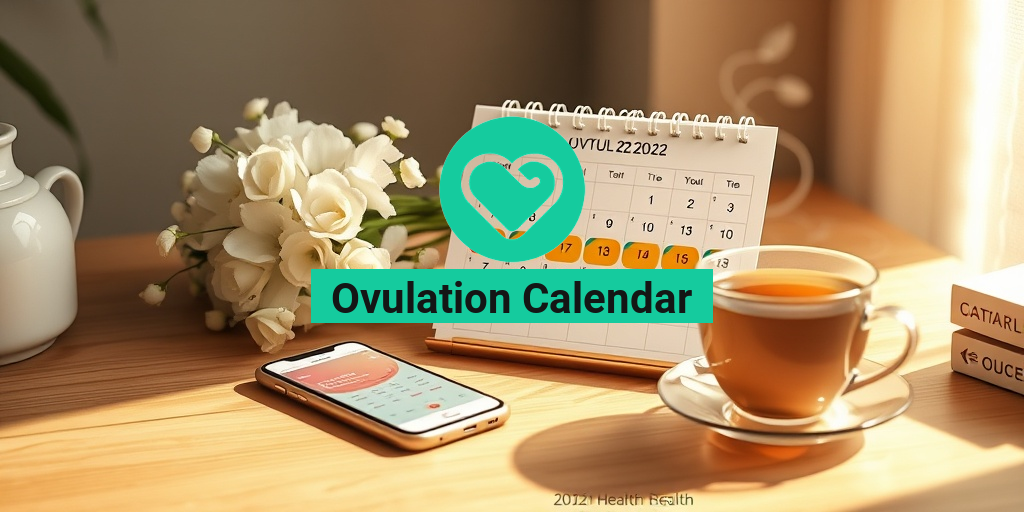
What Is an Ovulation Calendar?
An ovulation calendar is a tool designed to help individuals track their menstrual cycles and identify their fertile days. This calendar is particularly useful for those trying to conceive, as it pinpoints the days when ovulation occurs—when an egg is released from the ovary and is available for fertilization. Understanding your ovulation cycle can significantly increase your chances of becoming pregnant.
Understanding the Menstrual Cycle
The menstrual cycle typically lasts between 21 to 35 days, with the average being around 28 days. It consists of several phases:
- Menstrual Phase: This is when menstruation occurs, lasting about 3 to 7 days.
- Follicular Phase: Following menstruation, the body prepares for ovulation. Hormones stimulate the growth of follicles in the ovaries.
- Ovulation: Usually occurring around the midpoint of the cycle, this is when a mature egg is released.
- Luteal Phase: After ovulation, the body prepares for a potential pregnancy. If fertilization does not occur, the cycle restarts.
By tracking these phases, an ovulation calendar can help you determine your most fertile days, which typically occur a few days before and the day of ovulation. 🌼
Benefits of Using an Ovulation Calendar
Using an ovulation calendar offers several benefits:
- Increased Awareness: It helps you understand your body and menstrual cycle better.
- Improved Chances of Conception: By identifying fertile days, you can time intercourse for optimal chances of pregnancy.
- Health Monitoring: It can also help you track irregularities in your cycle, which may indicate underlying health issues.
How to Use an Ovulation Calendar
Using an ovulation calendar is straightforward and can be done in a few simple steps. Here’s how:
Step 1: Track Your Menstrual Cycle
Start by marking the first day of your period on the calendar. This is considered Day 1 of your cycle. Continue to track your cycle for several months to determine your average cycle length. Most ovulation calendars work best with a consistent cycle, typically around 28 days.
Step 2: Identify Your Ovulation Day
To estimate your ovulation day, subtract 14 days from the length of your cycle. For example, if your cycle is 28 days long, ovulation would likely occur around Day 14. If your cycle varies, you may need to adjust this calculation accordingly.
Step 3: Mark Your Fertile Window
Your fertile window includes the days leading up to and including ovulation. Generally, this is about 5 days before ovulation and the day of ovulation itself. Mark these days on your calendar to help you plan accordingly.
Step 4: Use an Ovulation Calendar App
For added convenience, consider using an ovulation calendar app. Many of these apps are free and offer features like reminders, cycle tracking, and even predictions based on your data. They can simplify the process and make it easier to stay on top of your cycle. 📱
Step 5: Monitor Symptoms
Pay attention to your body’s signals during your cycle. Some women experience physical signs of ovulation, such as:
- Changes in cervical mucus (it becomes clearer and stretchier)
- Light spotting or cramping
- Increased libido
Documenting these symptoms in your calendar can provide additional insights into your ovulation patterns.
Consulting Resources
If you have questions or need personalized advice, consider visiting Yesil Health AI. This resource offers evidence-based health answers and can guide you through your fertility journey.
In conclusion, an ovulation calendar is a valuable tool for anyone looking to understand their menstrual cycle and enhance their chances of conception. By following these steps, you can effectively use an ovulation calendar to track your fertility and make informed decisions about your reproductive health. 🌟

Ovulation Symptoms to Look For
Understanding your body is crucial when it comes to tracking your ovulation cycle. Recognizing the signs of ovulation can help you plan for conception or avoid pregnancy. Here are some common ovulation symptoms to look out for:
1. Changes in Cervical Mucus
One of the most noticeable signs of ovulation is a change in cervical mucus. As you approach ovulation, your body produces more mucus, which becomes clear, stretchy, and similar to raw egg whites. This type of mucus helps sperm travel to the egg, making it a key indicator of your fertile window.
2. Mild Pelvic Pain or Discomfort
Some women experience a phenomenon known as mittelschmerz, which is a German term meaning “middle pain.” This refers to the mild cramping or discomfort that can occur on one side of the lower abdomen during ovulation. While not every woman feels this, it can be a helpful sign that ovulation is occurring.
3. Increased Libido
Many women notice a spike in their sex drive around ovulation. This natural increase in libido is your body’s way of encouraging you to conceive during your most fertile days. If you find yourself feeling more attracted to your partner during this time, it could be a sign that ovulation is near.
4. Breast Tenderness
Hormonal changes during ovulation can lead to breast tenderness or sensitivity. If you notice that your breasts feel fuller or more sensitive around the middle of your cycle, it may be a sign that you are ovulating.
5. Changes in Basal Body Temperature
Your basal body temperature (BBT) is your body’s temperature at rest. Just after ovulation, there is typically a slight increase in BBT due to hormonal changes. Tracking your BBT over time can help you identify your ovulation pattern. A rise of about 0.5 to 1 degree Fahrenheit can indicate that ovulation has occurred.
6. Ovulation Test Kits
For those looking for a more precise method, ovulation test kits can be a great tool. These kits measure the levels of luteinizing hormone (LH) in your urine, which surges just before ovulation. Using an ovulation calendar in conjunction with these tests can help you pinpoint your most fertile days.
Factors Affecting Ovulation
While many women have a regular ovulation cycle, various factors can influence when and how ovulation occurs. Understanding these factors can help you better manage your reproductive health. Here are some key elements that can affect ovulation:
1. Age
As women age, their fertility naturally declines. Ovulation becomes less regular, and the quality of eggs may decrease. Women in their 20s and early 30s typically have more regular ovulation cycles compared to those in their late 30s and 40s.
2. Stress
High levels of stress can disrupt the hormonal balance necessary for ovulation. Stress can lead to irregular cycles or even missed periods. Finding effective stress management techniques, such as yoga or meditation, can help maintain a healthy ovulation cycle.
3. Weight Fluctuations
Both underweight and overweight conditions can impact ovulation. Women with a body mass index (BMI) that is too low may not ovulate regularly, while those who are overweight may experience hormonal imbalances that affect their cycles. Maintaining a healthy weight is crucial for regular ovulation.
4. Medical Conditions
Certain medical conditions, such as polycystic ovary syndrome (PCOS) or thyroid disorders, can significantly affect ovulation. If you suspect that a medical condition is impacting your cycle, it’s important to consult with a healthcare provider for proper diagnosis and treatment.
5. Medications
Some medications can interfere with ovulation. For example, hormonal contraceptives prevent ovulation altogether. If you are trying to conceive, it’s essential to discuss any medications you are taking with your doctor to understand their potential effects on your ovulation cycle.
6. Lifestyle Choices
Factors such as smoking, excessive alcohol consumption, and lack of exercise can negatively impact ovulation. Adopting a healthy lifestyle that includes regular physical activity, a balanced diet, and avoiding harmful substances can promote regular ovulation.
By being aware of these ovulation symptoms and factors affecting ovulation, you can take proactive steps towards understanding your reproductive health better. Whether you’re trying to conceive or simply tracking your cycle, an ovulation calendar can be an invaluable tool in your journey. 🌼

Ovulation Calendar and Fertility
Understanding your fertility is crucial for anyone trying to conceive, and an ovulation calendar can be an invaluable tool in this journey. By tracking your ovulation, you can identify your most fertile days, increasing your chances of conception. But how does it work? Let’s dive into the details!
What is an Ovulation Calendar?
An ovulation calendar is a tool that helps you predict when you are likely to ovulate based on your menstrual cycle. Ovulation typically occurs about 14 days before your next period starts, but this can vary depending on the length of your cycle. By marking the first day of your period and tracking the length of your cycle, you can estimate your ovulation days.
Why is Tracking Ovulation Important?
- Increased Chances of Conception: Knowing when you ovulate helps you time intercourse for the best chance of pregnancy.
- Understanding Your Cycle: It provides insights into your menstrual cycle, helping you recognize patterns and irregularities.
- Health Monitoring: Tracking ovulation can also alert you to potential health issues, such as hormonal imbalances.
How to Use an Ovulation Calendar
Using an ovulation calendar is straightforward. Here’s a simple step-by-step guide:
- Track Your Menstrual Cycle: Start by noting the first day of your period. This is Day 1 of your cycle.
- Calculate Your Cycle Length: Count the number of days from the first day of your period to the day before your next period starts.
- Identify Your Ovulation Day: Subtract 14 days from your cycle length to estimate your ovulation day.
- Mark Your Fertile Window: Your fertile window typically spans 5 days before ovulation and the day of ovulation itself.
For example, if you have a 28-day cycle, you would likely ovulate around Day 14. Your fertile window would be from Day 9 to Day 14. 📅
Tracking Your Menstrual Cycle
Tracking your menstrual cycle is essential not only for conception but also for understanding your overall health. An ovulation calendar can help you keep track of various aspects of your cycle, making it easier to identify any changes or irregularities.
Benefits of Tracking Your Menstrual Cycle
- Predicting Your Period: Knowing when to expect your period can help you plan your activities better.
- Identifying Irregularities: Tracking can help you notice if your cycle is longer or shorter than usual, which may indicate a health issue.
- Understanding Symptoms: You can correlate physical symptoms, such as cramps or mood swings, with different phases of your cycle.
How to Track Your Menstrual Cycle
Here are some effective methods to track your menstrual cycle:
- Manual Tracking: Use a calendar or a journal to mark the start and end dates of your period.
- Mobile Apps: Consider using an ovulation calendar app that can help you track your cycle digitally. Many of these apps are free and offer additional features like reminders and health tips.
- Wearable Devices: Some fitness trackers can monitor your cycle and provide insights based on your activity levels.
Regardless of the method you choose, consistency is key! The more data you collect, the better you can understand your cycle. 📊
Common Myths About Ovulation and Menstrual Tracking
There are several myths surrounding ovulation and menstrual tracking that can lead to confusion. Here are a few:
- Myth 1: You can only get pregnant on the day of ovulation. Fact: Sperm can live in the female reproductive tract for up to five days, so you can conceive if you have intercourse in the days leading up to ovulation.
- Myth 2: All women have a 28-day cycle. Fact: Cycle lengths can vary significantly from woman to woman, and even from month to month.
- Myth 3: Ovulation is always predictable. Fact: Factors like stress, illness, and lifestyle changes can affect ovulation timing.
By debunking these myths, you can approach your fertility journey with a clearer understanding and more confidence. 🌟

Common Myths About Ovulation
Understanding ovulation is crucial for anyone trying to conceive or simply wanting to track their menstrual cycle. However, there are many myths surrounding this natural process that can lead to confusion. Let’s debunk some of the most common misconceptions about ovulation.
Myth 1: Ovulation Only Happens Once a Month
Many people believe that ovulation occurs only once during each menstrual cycle. While it is true that most women ovulate once per cycle, the timing can vary significantly. Factors such as stress, illness, and hormonal imbalances can affect ovulation, leading to irregular cycles. Some women may even experience multiple ovulations in a single cycle, which can increase the chances of conceiving twins or multiples!
Myth 2: You Can’t Get Pregnant During Your Period
Another common myth is that pregnancy is impossible during menstruation. While the chances are lower, it is still possible to conceive if you have a shorter cycle or if sperm remains viable in the female reproductive tract for several days. Therefore, if you’re trying to avoid pregnancy, it’s essential to use protection even during your period.
Myth 3: Ovulation Symptoms Are the Same for Everyone
Many believe that ovulation symptoms, such as cramping or changes in cervical mucus, are universal. However, every woman’s body is different. Some may experience noticeable symptoms, while others may not feel anything at all. Tracking your own cycle with an ovulation calendar can help you identify your unique signs of ovulation.
Myth 4: Ovulation Can Be Accurately Predicted by Counting Days
While counting days can provide a general idea of when ovulation might occur, it is not always accurate. The traditional method assumes a 28-day cycle, but many women have cycles that are shorter or longer. Using an ovulation calendar app or calculator can provide a more personalized prediction based on your specific cycle length.
Myth 5: Ovulation Is Only Important for Women Trying to Conceive
While ovulation is crucial for conception, it also plays a significant role in overall reproductive health. Understanding your ovulation cycle can help you monitor your menstrual health, identify potential issues, and even manage symptoms related to hormonal fluctuations. An ovulation calendar can be a valuable tool for all women, regardless of their reproductive goals.
Benefits of Using an Ovulation Calendar
Tracking ovulation can provide numerous benefits, whether you’re trying to conceive, avoid pregnancy, or simply understand your body better. Here are some of the key advantages of using an ovulation calendar.
1. Enhanced Fertility Awareness
For those trying to conceive, an ovulation calendar can pinpoint the most fertile days of your cycle. By identifying when you ovulate, you can time intercourse to increase your chances of pregnancy. This method is often more effective than relying on guesswork.
2. Cycle Regulation
Using an ovulation calendar can help you recognize patterns in your menstrual cycle. This awareness can be beneficial for identifying irregularities, which may indicate underlying health issues. Regular tracking can also help you anticipate your period, making it easier to plan your activities.
3. Understanding Hormonal Changes
Tracking ovulation allows you to observe how your body responds to hormonal changes throughout your cycle. This knowledge can help you manage symptoms related to PMS or other hormonal fluctuations. By noting changes in mood, energy levels, and physical symptoms, you can better prepare for each phase of your cycle.
4. Natural Family Planning
For those looking to avoid pregnancy, an ovulation calendar can be an effective tool for natural family planning. By understanding your fertile window, you can make informed decisions about when to use contraception. This method is often preferred by those who want to avoid hormonal birth control.
5. Accessibility and Convenience
With the rise of technology, many ovulation calendar apps are available for free. These apps often come with additional features, such as reminders and educational resources, making it easier than ever to track your cycle. Whether you prefer a digital or paper calendar, the convenience of tracking your ovulation has never been better! 📱
In conclusion, debunking myths about ovulation and understanding the benefits of using an ovulation calendar can empower you to take control of your reproductive health. Whether you’re trying to conceive or simply want to understand your body better, tracking ovulation is a valuable practice. 🌸

Frequently Asked Questions about Ovulation Calendar
What is an Ovulation Calendar?
An ovulation calendar is a tool that helps track a woman’s menstrual cycle to predict ovulation days. By identifying these days, women can better understand their fertility and plan for conception or avoid pregnancy.
How do I use an Ovulation Calendar?
To use an ovulation calendar, start by marking the first day of your menstrual period. Count the number of days in your cycle and use this information to estimate your ovulation days. Many online calculators and apps can assist with this process.
Are there any free Ovulation Calendar apps available?
Yes! There are several ovulation calendar free apps available for download. These apps often provide additional features such as reminders, tracking symptoms, and personalized insights based on your cycle.
Can an Ovulation Calendar help me conceive a baby boy?
Some believe that timing intercourse around ovulation can influence the sex of the baby. An ovulation calendar for baby boy may help you plan intercourse on the days when you are most fertile, potentially increasing your chances of conceiving a boy.
What is the Ovulation Calendar method?
The ovulation calendar method involves tracking your menstrual cycle to determine when you are most fertile. This method can be used for both conception and natural family planning.
How accurate is an Ovulation Calendar?
The accuracy of an ovulation calendar can vary based on the regularity of your menstrual cycle. For women with a consistent cycle, it can be quite accurate. However, irregular cycles may require additional methods for tracking ovulation.
Can I find an Ovulation Calendar in Marathi?
Yes, there are resources available for an ovulation calendar in Marathi. Many websites and apps offer translations and localized content to help users in different languages.
What is an example of an Ovulation Calendar?
An ovulation calendar example typically includes a grid or chart where you can mark your cycle days, ovulation days, and fertile windows. Many online tools provide templates that you can customize based on your cycle length.
Is there a specific Ovulation Calendar for a 28-day cycle?
Yes, many ovulation calendar tools are designed specifically for a 28-day cycle. These calendars typically predict ovulation around day 14 of the cycle, but it’s essential to adjust based on your unique cycle length.
Where can I find more information about Ovulation Calendars?
For more detailed information, you can visit reputable health websites like WebMD, which provide comprehensive guides on using an ovulation calendar effectively.