
What Is Obesity?
Obesity is a complex health condition characterized by an excessive accumulation of body fat. It is not merely a cosmetic concern; rather, it poses significant health risks and can lead to various chronic diseases. The World Health Organization (WHO) defines obesity as having a body mass index (BMI) of 30 or higher. BMI is a simple calculation using a person’s height and weight, making it a useful tool for assessing body fat levels.
The Importance of Understanding Obesity
Understanding obesity is crucial for several reasons:
- Health Risks: Obesity is linked to numerous health issues, including heart disease, diabetes, and certain cancers.
- Social Implications: Individuals with obesity may face stigma and discrimination, impacting their mental health and quality of life.
- Economic Impact: The healthcare costs associated with obesity-related conditions can be substantial, affecting both individuals and society.
Obesity Rates Around the World
The obesity rate varies significantly by country and region. For instance, the obesity rate in the USA is among the highest globally, with over 40% of adults classified as obese. In contrast, countries like Germany and others in Europe are also experiencing rising obesity rates, though they may be lower than those in the USA. Understanding these statistics can help in addressing the global obesity epidemic.
Obesity Symptoms
Recognizing the symptoms of obesity is essential for early intervention and management. While the most apparent symptom is excess body weight, there are several other signs and related health issues to be aware of.
Physical Symptoms
Some common physical symptoms of obesity include:
- Excess Body Fat: A noticeable increase in body fat, particularly around the abdomen, hips, and thighs.
- Difficulty Breathing: Shortness of breath during physical activity or even at rest.
- Joint Pain: Increased pressure on joints can lead to pain, particularly in the knees and hips.
- Fatigue: A general feeling of tiredness or lack of energy, often due to the body’s increased effort to carry excess weight.
Emotional and Psychological Symptoms
Obesity can also affect mental health. Some emotional symptoms include:
- Low Self-Esteem: Individuals may struggle with body image issues, leading to decreased confidence.
- Depression and Anxiety: The stigma associated with obesity can contribute to mental health disorders.
- Social Isolation: Some may withdraw from social situations due to embarrassment or discrimination.
Health Complications Associated with Obesity
Beyond the physical and emotional symptoms, obesity can lead to serious health complications, such as:
- Type 2 Diabetes: Obesity is a significant risk factor for developing insulin resistance and diabetes.
- Cardiovascular Diseases: Increased body fat can lead to high blood pressure, high cholesterol, and heart disease.
- Sleep Apnea: Excess weight can obstruct airways during sleep, leading to breathing difficulties.
Recognizing these symptoms and understanding the implications of obesity is vital for effective management and treatment. If you or someone you know is struggling with obesity, consider seeking guidance from healthcare professionals or resources like Yesil Health AI for evidence-based health answers.
In conclusion, obesity is a multifaceted issue that requires awareness and action. By understanding what obesity is and recognizing its symptoms, we can take steps toward healthier lifestyles and improved well-being. 🌟
Obesity Causes
Obesity is a complex health issue that arises from a combination of various factors. Understanding the causes of obesity is crucial for effective prevention and treatment. Here, we explore the primary contributors to this growing epidemic.
1. Genetic Factors
Genetics play a significant role in determining an individual’s susceptibility to obesity. Certain genes can influence how our bodies store fat, how we metabolize food, and even our appetite. For instance, individuals with a family history of obesity may have a higher likelihood of becoming obese themselves due to inherited traits.
2. Environmental Influences
The environment we live in can greatly impact our lifestyle choices. Factors such as the availability of healthy foods, access to recreational facilities, and even socioeconomic status can contribute to obesity. In many urban areas, fast food outlets are more prevalent than grocery stores, making it easier for individuals to choose unhealthy options.
3. Sedentary Lifestyle
In today’s digital age, many people lead a sedentary lifestyle. With the rise of technology, activities that once required physical effort have become more passive. This shift has led to decreased physical activity levels, contributing to weight gain. Engaging in regular exercise is essential for maintaining a healthy weight and combating obesity.
4. Psychological Factors
Emotional well-being can significantly influence eating habits. Many individuals turn to food for comfort during stressful times, leading to overeating and weight gain. Conditions such as depression and anxiety can also contribute to obesity, creating a cycle that is difficult to break.
5. Hormonal Changes
Hormones play a crucial role in regulating body weight. Conditions such as hypothyroidism, polycystic ovary syndrome (PCOS), and other hormonal imbalances can lead to weight gain. Understanding these hormonal influences is vital for those struggling with obesity, as they may require specific medical interventions.
Obesity Risk Factors
Identifying the risk factors for obesity can help individuals take proactive steps to maintain a healthy weight. Here are some of the most common risk factors associated with obesity:
1. Age
As we age, our metabolism tends to slow down, making it easier to gain weight. Additionally, lifestyle changes, such as decreased physical activity and hormonal shifts, can contribute to weight gain in older adults.
2. Gender
Research indicates that men and women may experience obesity differently. Women are more likely to gain weight during hormonal changes, such as pregnancy or menopause, while men may accumulate weight around the abdomen, increasing their risk for related health issues.
3. Diet
A diet high in processed foods, sugars, and unhealthy fats is a significant risk factor for obesity. Consuming large portions and frequent snacking can lead to excessive calorie intake, making it challenging to maintain a healthy weight. Incorporating more fruits, vegetables, and whole grains can help mitigate this risk.
4. Lack of Sleep
Sleep deprivation has been linked to weight gain and obesity. Poor sleep can disrupt hormones that regulate appetite, leading to increased hunger and cravings for unhealthy foods. Prioritizing quality sleep is essential for maintaining a healthy weight.
5. Medical Conditions
Certain medical conditions can increase the risk of obesity. For example, individuals with diabetes, heart disease, or certain mental health disorders may find it more challenging to maintain a healthy weight. It’s important for those with these conditions to work closely with healthcare providers to develop a comprehensive weight management plan.
6. Medications
Some medications can contribute to weight gain as a side effect. Common culprits include certain antidepressants, antipsychotics, and corticosteroids. If you suspect your medication is affecting your weight, consult your doctor for alternatives or adjustments.
Understanding the causes and risk factors of obesity is the first step toward effective prevention and management. By addressing these issues, individuals can take control of their health and work towards a healthier lifestyle. 🌱

Obesity Diagnosis
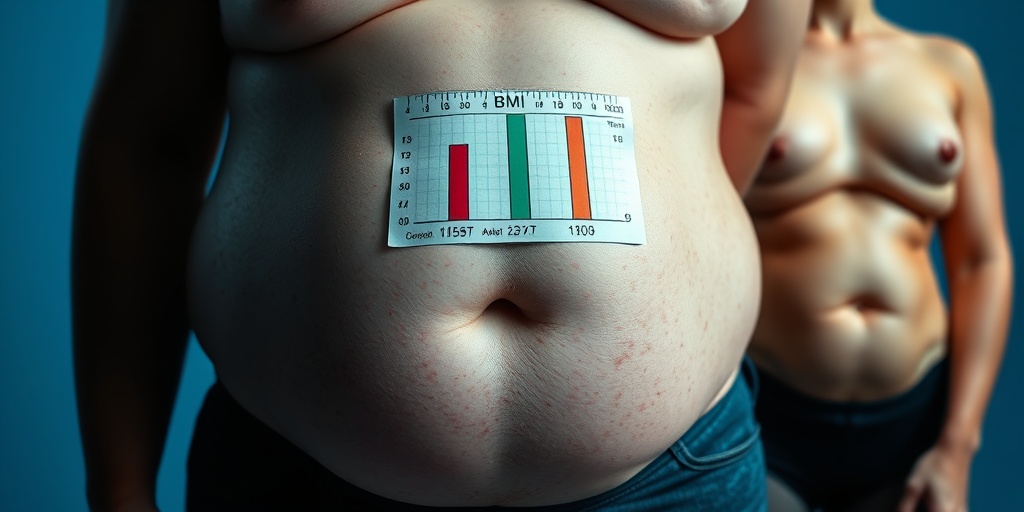
Diagnosing obesity is a crucial step in addressing this growing health concern. It involves a combination of methods that help healthcare professionals determine whether an individual is classified as obese. The most common method used is the Body Mass Index (BMI), which provides a simple numerical measure of a person’s weight in relation to their height.
Understanding Body Mass Index (BMI)
BMI is calculated using the following formula:
- BMI = weight (kg) / height (m²)
A BMI of:
- Under 18.5 indicates underweight
- 18.5 – 24.9 is considered normal weight
- 25 – 29.9 is classified as overweight
- 30 or above indicates obesity
While BMI is a useful screening tool, it does have limitations. For instance, it does not differentiate between muscle and fat mass, which can lead to misclassification in athletes or individuals with high muscle mass. Therefore, healthcare providers may also consider other factors such as waist circumference, body fat percentage, and overall health history.
Waist Circumference and Body Fat Percentage
Measuring waist circumference can provide additional insight into an individual’s health risks associated with obesity. A waist measurement of:
- Over 40 inches (102 cm) for men
- Over 35 inches (88 cm) for women
indicates a higher risk of obesity-related health issues.
Body fat percentage can also be assessed using various methods, including skinfold measurements, bioelectrical impedance analysis, and dual-energy X-ray absorptiometry (DEXA). These methods help provide a more comprehensive view of an individual’s body composition.
Consultation with Healthcare Professionals
If you suspect that you or someone you know may be obese, it is essential to consult with a healthcare professional. They can provide a thorough evaluation, discuss potential health risks, and recommend appropriate lifestyle changes or treatments. Early diagnosis and intervention are key to managing obesity effectively and improving overall health. 🩺
Obesity Health Effects
Obesity is not just a matter of appearance; it has significant health implications that can affect nearly every aspect of an individual’s life. Understanding the health effects of obesity is vital for prevention and management.
Physical Health Risks
Obesity is associated with a range of serious health conditions, including:
- Type 2 Diabetes: Excess body fat can lead to insulin resistance, increasing the risk of developing diabetes.
- Cardiovascular Diseases: Obesity raises blood pressure and cholesterol levels, contributing to heart disease and stroke.
- Joint Problems: The added weight puts stress on joints, leading to conditions like osteoarthritis.
- Sleep Apnea: Obesity can cause breathing problems during sleep, leading to disrupted sleep patterns.
- Certain Cancers: There is a link between obesity and various types of cancer, including breast, colon, and endometrial cancers.
Mental Health Effects
The impact of obesity extends beyond physical health. Many individuals with obesity experience:
- Depression: The stigma associated with obesity can lead to feelings of inadequacy and low self-esteem.
- Anxiety: Concerns about body image and health can contribute to anxiety disorders.
- Social Isolation: Individuals may withdraw from social situations due to embarrassment or discrimination.
Economic Impact
Obesity also has significant economic implications. The healthcare costs associated with treating obesity-related conditions can be substantial, impacting both individuals and society as a whole. According to studies, the economic burden of obesity includes:
- Increased healthcare costs: Higher medical expenses for treating chronic diseases.
- Lost productivity: Individuals may miss work due to health issues related to obesity.
Addressing obesity is not only a personal health issue but also a public health concern that requires collective action. By understanding the health effects of obesity, individuals can take proactive steps towards a healthier lifestyle. 🌱

Obesity Treatment Options
Obesity is a complex health issue that requires a multifaceted approach for effective treatment. With the rising obesity rate globally, understanding the various treatment options available is crucial for individuals seeking to manage their weight. Here, we explore the most common and effective treatment strategies.
1. Lifestyle Changes
One of the most effective ways to combat obesity is through lifestyle changes. This includes:
- Dietary Modifications: Adopting a balanced diet rich in fruits, vegetables, whole grains, and lean proteins can significantly impact weight loss. Reducing the intake of processed foods and sugary beverages is also essential.
- Regular Physical Activity: Engaging in at least 150 minutes of moderate-intensity exercise per week can help burn calories and improve overall health. Activities like walking, cycling, and swimming are great options.
- Behavioral Therapy: Working with a therapist or counselor can help individuals identify triggers for overeating and develop healthier coping mechanisms.
2. Medical Treatments
For some individuals, lifestyle changes alone may not be sufficient. In such cases, medical treatments can be considered:
- Prescription Medications: Certain medications can assist in weight loss by suppressing appetite or increasing feelings of fullness. Common options include orlistat and phentermine.
- Weight Loss Surgery: Surgical options, such as gastric bypass or sleeve gastrectomy, are typically reserved for individuals with severe obesity or those who have not succeeded with other treatments. These procedures can lead to significant weight loss and improve obesity-related health conditions.
3. Support Groups and Programs
Joining a support group or a structured weight loss program can provide motivation and accountability. Programs like Weight Watchers or local community initiatives can offer valuable resources and a sense of community, making the journey to weight loss more manageable.
Obesity Prevention Strategies
Preventing obesity is just as important as treating it. By implementing effective prevention strategies, individuals and communities can work towards reducing the obesity rate and promoting healthier lifestyles. Here are some key strategies:
1. Education and Awareness
Raising awareness about the risks associated with obesity and the benefits of maintaining a healthy weight is crucial. Educational programs in schools and communities can help individuals understand:
- The definition of obesity and its health implications.
- How to make healthier food choices.
- The importance of physical activity.
2. Healthy Environment
Creating an environment that promotes healthy choices can significantly impact obesity prevention. This includes:
- Access to Healthy Foods: Ensuring that communities have access to fresh fruits and vegetables through farmers’ markets and grocery stores can encourage healthier eating habits.
- Safe Spaces for Exercise: Developing parks, walking trails, and recreational facilities can motivate individuals to engage in physical activity.
3. Policy Changes
Government policies play a vital role in obesity prevention. Implementing regulations that limit the marketing of unhealthy foods to children, taxing sugary beverages, and promoting physical education in schools can create a healthier society.
4. Family Involvement
Encouraging families to participate in healthy activities together can foster a supportive environment for weight management. Family meals, outdoor activities, and cooking together can instill healthy habits in children from a young age.
By focusing on both treatment and prevention strategies, we can address the growing concern of obesity and work towards a healthier future for individuals and communities alike. 🌍💪

Frequently Asked Questions about Obesity
What is Obesity?
Obesity is a medical condition characterized by an excessive accumulation of body fat, which can negatively impact health. It is typically measured using the Body Mass Index (BMI), where a BMI of 30 or higher is considered obese.
What are the main causes of Obesity?
- Genetics: Family history can play a significant role in an individual’s likelihood of becoming obese.
- Diet: High-calorie diets rich in sugars and fats contribute to weight gain.
- Physical Inactivity: Sedentary lifestyles can lead to weight gain and obesity.
- Environment: Access to healthy foods and opportunities for physical activity can influence obesity rates.
- Psychological Factors: Emotional eating and stress can lead to overeating.
How does Obesity affect health?
Obesity can lead to various health issues, including:
- Heart Disease: Increased risk of heart-related conditions.
- Diabetes: Higher likelihood of developing type 2 diabetes.
- Joint Problems: Extra weight can strain joints, leading to conditions like osteoarthritis.
- Sleep Apnea: Obesity can contribute to breathing problems during sleep.
- Certain Cancers: Increased risk of various types of cancer.
What is the obesity rate in different countries?
The obesity rate varies significantly by country. For instance:
- USA: The obesity rate is among the highest globally, with over 36% of adults classified as obese.
- Germany: The obesity rate is approximately 25%, reflecting a growing concern.
- Europe: Rates vary, with some countries experiencing lower rates than others.
How can Obesity be prevented?
Preventing obesity involves a combination of lifestyle changes, including:
- Healthy Eating: Incorporating a balanced diet rich in fruits, vegetables, and whole grains.
- Regular Exercise: Engaging in physical activity for at least 150 minutes per week.
- Behavioral Changes: Developing healthy habits and coping strategies for stress and emotional eating.
What resources are available for those struggling with Obesity?
There are numerous resources available, including:
- Support Groups: Joining groups can provide motivation and accountability.
- Healthcare Providers: Consulting with doctors or nutritionists for personalized plans.
- Online Programs: Many websites and apps offer guidance and support for weight management.
Where can I learn more about Obesity?
For more information, consider visiting reputable health websites, such as the Obesity Academy, which provides educational resources and support for individuals seeking to understand and manage obesity.