What Is Binge Eating Disorder?
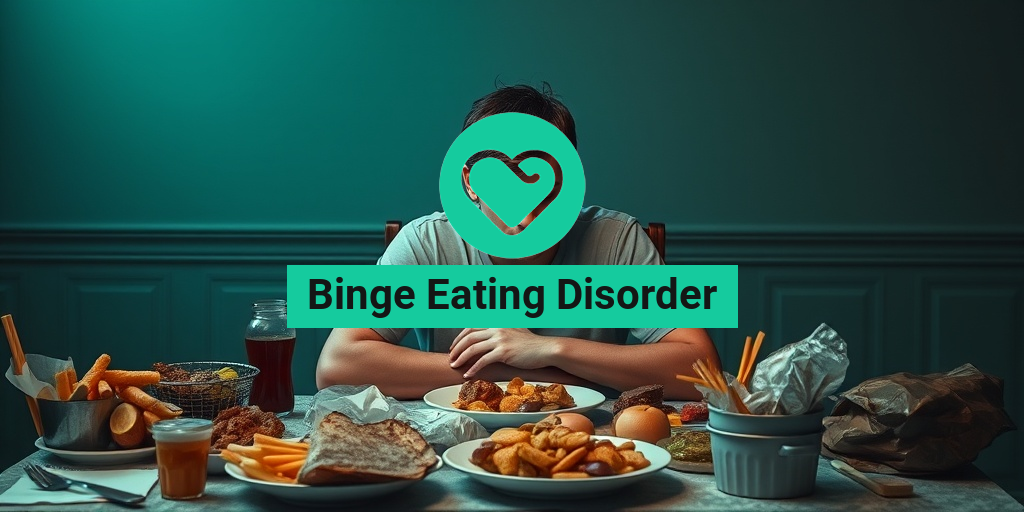
Binge Eating Disorder (BED) is a serious mental health condition characterized by recurrent episodes of eating large quantities of food, often to the point of discomfort. Unlike other eating disorders, individuals with BED do not engage in regular compensatory behaviors such as purging or excessive exercise. This disorder can lead to significant emotional distress and physical health issues, making it crucial to understand its implications.
The definition of binge eating disorder is rooted in the DSM-5 (Diagnostic and Statistical Manual of Mental Disorders, Fifth Edition), which outlines specific criteria for diagnosis. These criteria include:
- Recurrent episodes of binge eating, occurring at least once a week for three months.
- A sense of lack of control during the binge episodes.
- Eating much more rapidly than normal.
- Eating until feeling uncomfortably full.
- Eating large amounts of food when not physically hungry.
- Feeling disgusted, depressed, or guilty after overeating.
Understanding BED is essential for those affected, as it can lead to various health complications, including obesity, diabetes, and cardiovascular diseases. If you or someone you know is struggling with binge eating, seeking help is vital. Resources like Yesil Health AI can provide evidence-based answers and support for those dealing with this disorder.
Binge Eating Symptoms
Recognizing the symptoms of binge eating disorder is the first step toward seeking help. The symptoms can vary from person to person, but some common signs include:
Emotional Symptoms
- Feelings of shame or guilt: Many individuals feel embarrassed about their eating habits, which can lead to isolation.
- Depression or anxiety: Emotional distress often accompanies binge eating, creating a vicious cycle.
- Low self-esteem: Individuals may struggle with body image issues, leading to further emotional turmoil.
Physical Symptoms
- Rapid weight gain: Frequent binge eating can lead to significant weight fluctuations.
- Digestive issues: Overeating can cause discomfort, bloating, and other gastrointestinal problems.
- Fatigue: The physical toll of binge eating can lead to chronic tiredness and lethargy.
Behavioral Symptoms
- Eating in secret: Many individuals with BED prefer to eat alone to hide their behavior.
- Hoarding food: Some may stockpile food to binge later, indicating a lack of control.
- Frequent dieting: Despite binge eating, individuals may attempt to diet, leading to a cycle of restriction and overeating.
If you identify with these symptoms, it’s important to know that you are not alone. Binge eating disorder is a common issue, and help is available. Treatment options may include therapy, medication, and support groups. Consulting with a healthcare professional can provide a tailored approach to recovery.
In conclusion, understanding binge eating disorder and its symptoms is crucial for those affected and their loved ones. If you or someone you know is struggling, consider reaching out to resources like Yesil Health AI for guidance and support. Remember, recovery is possible, and taking the first step is often the hardest but most important part of the journey. 🌟

Causes of Binge Eating Disorder
Binge Eating Disorder (BED) is a complex condition that can stem from a variety of factors. Understanding the causes is crucial for effective treatment and management. Here are some of the primary contributors to this disorder:
Genetic Factors
Research suggests that genetics can play a significant role in the development of binge eating disorder. Individuals with a family history of eating disorders may be more susceptible to BED. Genetic predispositions can influence how the brain regulates hunger and satiety, leading to disordered eating patterns.
Psychological Factors
Many people with binge eating disorder struggle with underlying psychological issues. Common psychological factors include:
- Low self-esteem: Individuals may use food as a way to cope with feelings of inadequacy.
- Depression and anxiety: Emotional distress can trigger binge eating episodes as a form of escape.
- Trauma: Past traumatic experiences, such as abuse or neglect, can lead to unhealthy coping mechanisms, including binge eating.
Environmental Influences
The environment in which a person lives can also contribute to the development of binge eating disorder. Factors such as:
- Family dynamics: A family environment that emphasizes weight and appearance can increase the risk of developing BED.
- Societal pressures: Media portrayals of ideal body types can lead to body dissatisfaction and unhealthy eating behaviors.
- Availability of food: Easy access to high-calorie, low-nutrient foods can trigger binge eating episodes.
Biological Factors
Biological factors, including hormonal imbalances and neurotransmitter dysfunction, can also contribute to binge eating disorder. For instance, alterations in the levels of serotonin and dopamine, which regulate mood and appetite, may lead to increased cravings and binge eating behaviors.
Risk Factors for Binge Eating
Identifying the risk factors associated with binge eating disorder can help in early intervention and prevention. Here are some key risk factors to consider:
Age and Gender
Binge eating disorder can affect individuals of all ages, but it is most commonly diagnosed in adolescents and young adults. Additionally, while both men and women can experience BED, studies show that women are more likely to seek treatment.
Body Weight
Individuals who are overweight or obese are at a higher risk of developing binge eating disorder. The cycle of dieting and weight gain can lead to feelings of guilt and shame, which may trigger binge eating episodes.
Dieting and Restrictive Eating
Engaging in restrictive dieting practices can paradoxically increase the likelihood of binge eating. When individuals severely limit their food intake, it can lead to intense cravings and eventual overeating. This cycle can perpetuate the disorder.
History of Eating Disorders
Those with a history of other eating disorders, such as anorexia or bulimia, are at a greater risk for developing binge eating disorder. The patterns of disordered eating can evolve and manifest in different ways over time.
Emotional and Psychological Stressors
High levels of stress, whether from personal relationships, work, or other life circumstances, can trigger binge eating episodes. Individuals may turn to food as a source of comfort during difficult times.
Recognizing these risk factors is essential for individuals and healthcare providers alike. Early identification and intervention can lead to more effective treatment strategies and improved outcomes for those struggling with binge eating disorder. 🌟

Diagnosis of Binge Eating Disorder
Binge Eating Disorder (BED) is a serious mental health condition characterized by recurrent episodes of eating large quantities of food, often to the point of discomfort. Understanding the diagnosis of this disorder is crucial for effective treatment and recovery. Here, we will explore the criteria used for diagnosis, the importance of professional evaluation, and the common symptoms associated with BED.
Understanding the Diagnostic Criteria
The diagnosis of Binge Eating Disorder is primarily based on criteria outlined in the DSM-5 (Diagnostic and Statistical Manual of Mental Disorders, Fifth Edition). According to the DSM-5, the following criteria must be met for a diagnosis:
- Recurrent episodes of binge eating: This involves consuming an unusually large amount of food in a short period, typically within two hours.
- Loss of control: During these episodes, individuals feel a lack of control over their eating behavior.
- Associated distress: The binge eating episodes lead to significant distress, including feelings of shame, disgust, or guilt.
- Frequency: Binge eating occurs at least once a week for three months.
- Absence of compensatory behaviors: Unlike bulimia nervosa, individuals with BED do not regularly engage in behaviors such as purging or excessive exercise to counteract binge eating.
Importance of Professional Evaluation
If you suspect that you or someone you know may be struggling with Binge Eating Disorder, it is essential to seek a professional evaluation. A qualified mental health professional can conduct a thorough assessment, which may include:
- Clinical interviews: Discussing eating habits, emotional triggers, and personal history.
- Self-report questionnaires: Utilizing standardized tools to assess the severity of binge eating behaviors.
- Physical health assessment: Evaluating any potential health complications related to binge eating, such as obesity or metabolic syndrome.
Early diagnosis is key to effective treatment and can significantly improve the quality of life for those affected by BED. 🌟
Treatment Options for Binge Eating
Treating Binge Eating Disorder involves a comprehensive approach that addresses both the psychological and physical aspects of the condition. Here, we will discuss various treatment options available for individuals diagnosed with BED.
Psychotherapy
Psychotherapy, or talk therapy, is often the first line of treatment for Binge Eating Disorder. Several therapeutic approaches have shown effectiveness:
- Cognitive Behavioral Therapy (CBT): This evidence-based approach helps individuals identify and change negative thought patterns and behaviors related to eating.
- Interpersonal Therapy (IPT): Focuses on improving interpersonal relationships and social functioning, which can help reduce binge eating episodes.
- Dialectical Behavior Therapy (DBT): This therapy emphasizes emotional regulation and mindfulness, helping individuals cope with distressing emotions that may trigger binge eating.
Medication
In some cases, medication may be prescribed to help manage symptoms of Binge Eating Disorder. Commonly used medications include:
- Selective Serotonin Reuptake Inhibitors (SSRIs): These antidepressants can help reduce binge eating episodes and improve mood.
- Stimulants: Certain stimulant medications have been shown to decrease binge eating frequency.
- Anticonvulsants: Medications like topiramate may also be effective in reducing binge eating behaviors.
Nutritional Counseling
Working with a registered dietitian can provide valuable support in developing a healthy relationship with food. Nutritional counseling focuses on:
- Establishing regular eating patterns: Creating a structured meal plan to prevent extreme hunger and subsequent binge episodes.
- Identifying triggers: Understanding emotional and environmental factors that contribute to binge eating.
- Promoting mindful eating: Encouraging awareness of hunger and fullness cues to foster a healthier approach to eating.
Combining these treatment options can lead to a more effective recovery journey for individuals struggling with Binge Eating Disorder. Remember, seeking help is a sign of strength, and recovery is possible! 💪

Managing Binge Eating at Home
Binge Eating Disorder (BED) is a complex condition that affects many individuals, leading to episodes of consuming large quantities of food in a short period, often accompanied by feelings of shame or guilt. While professional treatment is essential, there are several strategies you can implement at home to help manage binge eating effectively. Here are some practical tips to consider:
1. Establish a Routine
Creating a structured eating schedule can significantly reduce the likelihood of binge episodes. Aim to eat at regular intervals throughout the day, which helps maintain stable blood sugar levels and reduces cravings. Consider the following:
- Plan Your Meals: Prepare balanced meals that include a mix of protein, healthy fats, and carbohydrates.
- Snack Wisely: Choose healthy snacks like fruits, nuts, or yogurt to keep hunger at bay.
- Stay Hydrated: Drink plenty of water throughout the day, as thirst can sometimes be mistaken for hunger.
2. Mindful Eating Practices
Mindfulness can play a crucial role in managing binge eating. By being present during meals, you can develop a healthier relationship with food. Here are some techniques to try:
- Slow Down: Take your time to chew and savor each bite. This can help you recognize when you’re full.
- Eliminate Distractions: Turn off the TV and put away your phone while eating to focus solely on your meal.
- Listen to Your Body: Pay attention to hunger and fullness cues, and eat accordingly.
3. Identify Triggers
Understanding what triggers your binge eating episodes is vital for managing the disorder. Keep a journal to track:
- Emotional States: Note how you feel before and after eating.
- Situational Triggers: Identify specific situations or environments that lead to binge eating.
- Food Preferences: Recognize which foods you tend to binge on and why.
4. Build a Support System
Having a support network can make a significant difference in managing BED. Consider the following:
- Talk to Friends and Family: Share your struggles with trusted individuals who can offer encouragement.
- Join Support Groups: Look for local or online groups where you can connect with others facing similar challenges.
- Seek Professional Help: A therapist specializing in eating disorders can provide valuable guidance.
5. Engage in Healthy Activities
Finding alternative activities to distract yourself from binge urges can be beneficial. Consider:
- Exercise: Physical activity can boost your mood and reduce stress, making it less likely for you to binge eat.
- Hobbies: Engage in activities you enjoy, such as painting, gardening, or reading, to keep your mind occupied.
- Mindfulness Practices: Techniques like yoga or meditation can help reduce anxiety and improve your relationship with food.
Long-Term Outlook for Binge Eating Disorder
The long-term outlook for individuals with Binge Eating Disorder can vary widely, but with appropriate treatment and self-management strategies, many people can achieve significant improvements in their symptoms and overall quality of life. Here are some key points to consider:
1. Treatment Options
Effective treatment for BED often includes a combination of therapy, medication, and lifestyle changes. Common approaches include:
- Cognitive Behavioral Therapy (CBT): This evidence-based therapy helps individuals identify and change negative thought patterns related to food and body image.
- Medications: Certain medications, such as selective serotonin reuptake inhibitors (SSRIs), may be prescribed to help manage symptoms.
- Nutritional Counseling: Working with a dietitian can help establish healthier eating patterns and address nutritional deficiencies.
2. Importance of Ongoing Support
Long-term recovery from BED often requires ongoing support. This can include:
- Regular Therapy Sessions: Continued therapy can help address underlying emotional issues and prevent relapse.
- Support Groups: Staying connected with others who understand your struggles can provide motivation and accountability.
- Family Involvement: Educating family members about BED can foster a supportive home environment.
3. Monitoring Progress
Tracking your progress is essential for maintaining long-term recovery. Consider:
- Setting Goals: Establish realistic, achievable goals related to your eating habits and emotional well-being.
- Journaling: Keep a journal to reflect on your feelings, triggers, and successes.
- Regular Check-Ins: Schedule periodic evaluations with your healthcare provider to assess your progress and make necessary adjustments to your treatment plan.
In conclusion, while managing Binge Eating Disorder can be challenging, implementing these strategies at home and seeking appropriate treatment can lead to a positive long-term outlook. Remember, recovery is a journey, and every step you take is a step towards a healthier, happier you! 🌟

Frequently Asked Questions about Binge Eating Disorder
What is Binge Eating Disorder?
Binge Eating Disorder is a serious eating disorder characterized by recurrent episodes of eating large quantities of food, often quickly and to the point of discomfort. Unlike bulimia, individuals with this disorder do not regularly engage in compensatory behaviors such as purging.
What are the symptoms of Binge Eating Disorder?
- Eating large amounts of food in a short period of time
- Feeling a loss of control during binge episodes
- Experiencing feelings of shame or guilt after binge eating
- Eating in secret or hiding food
- Emotional distress related to eating habits
How is Binge Eating Disorder diagnosed?
The diagnosis of Binge Eating Disorder is typically made by a healthcare professional based on specific criteria outlined in the DSM-5. This includes the frequency of binge eating episodes and the emotional distress associated with them.
What treatments are available for Binge Eating Disorder?
Treatment options for Binge Eating Disorder may include:
- Psychotherapy, such as cognitive-behavioral therapy (CBT)
- Medications, including certain antidepressants
- Nutritional counseling
- Support groups
Is there a specific test for Binge Eating Disorder?
While there is no single test for Binge Eating Disorder, healthcare providers may use questionnaires and interviews to assess eating behaviors and emotional health.
Can Binge Eating Disorder lead to other health issues?
Yes, Binge Eating Disorder can lead to various health complications, including obesity, diabetes, high blood pressure, and heart disease. It is important to seek treatment to mitigate these risks.
Where can I find support for Binge Eating Disorder?
Support for Binge Eating Disorder can be found through various resources, including:
- Therapists specializing in eating disorders
- Support groups, both in-person and online
- Hotlines and helplines for immediate assistance
What is the difference between Binge Eating Disorder and other eating disorders?
Unlike anorexia or bulimia, individuals with Binge Eating Disorder do not engage in compensatory behaviors. They may struggle with emotional eating and often experience significant distress related to their eating habits.
How can I help someone with Binge Eating Disorder?
If you know someone struggling with Binge Eating Disorder, it’s important to:
- Encourage them to seek professional help
- Listen without judgment
- Offer support and understanding
Is Binge Eating Disorder treatable?
Yes, Binge Eating Disorder is treatable. Many individuals find relief and recovery through therapy, medication, and support from loved ones.