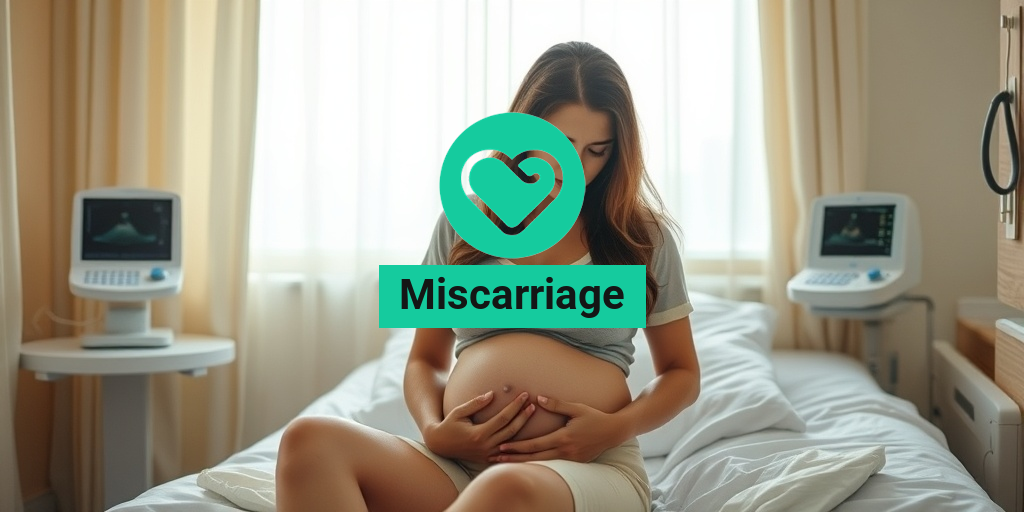
What Is Miscarriage?
Miscarriage, often referred to as spontaneous abortion, is the natural loss of a pregnancy before the 20th week. It is a heartbreaking experience that affects many women and their families. Understanding what miscarriage is can help in processing the emotional and physical aspects of this event.
Understanding Miscarriage
In simple terms, a miscarriage occurs when a fetus is unable to survive outside the womb. This can happen for various reasons, including genetic abnormalities, hormonal imbalances, or issues with the uterus. It’s important to note that miscarriages are relatively common, with estimates suggesting that about 10-20% of known pregnancies end in miscarriage.
Types of Miscarriage
There are several types of miscarriage, each with its own characteristics:
- Threatened Miscarriage: This occurs when there are signs of potential miscarriage, such as bleeding or cramping, but the pregnancy is still viable.
- Complete Miscarriage: This happens when all pregnancy tissue is expelled from the uterus.
- Incomplete Miscarriage: In this case, some tissue remains in the uterus, which may require medical intervention.
- Missed Miscarriage: This occurs when the fetus has died but has not been expelled from the body.
Each type of miscarriage can have different implications for a woman’s health and future pregnancies. If you suspect you are experiencing a miscarriage, it is crucial to seek medical advice promptly.
Miscarriage Symptoms
Recognizing the symptoms of miscarriage is essential for timely medical intervention. While every woman’s experience may differ, there are common signs to watch for.
Common Symptoms of Miscarriage
Some of the most prevalent symptoms of miscarriage include:
- Vaginal Bleeding: This can range from light spotting to heavy bleeding. It’s important to note that some women may experience light bleeding during early pregnancy without it being a miscarriage.
- Cramping: Abdominal cramps can occur, often resembling menstrual cramps. This discomfort may be accompanied by back pain.
- Loss of Pregnancy Symptoms: A sudden decrease in pregnancy symptoms, such as breast tenderness or nausea, can be a sign of miscarriage.
- Passing Tissue: In some cases, women may pass tissue or clots, which can be a clear indication of miscarriage.
When to Seek Medical Help
If you experience any of the above symptoms, it is vital to contact your healthcare provider immediately. They can perform tests, such as ultrasounds or blood tests, to determine the status of your pregnancy. Early intervention can be crucial in managing your health and emotional well-being.
Emotional Impact of Miscarriage
Experiencing a miscarriage can be an incredibly emotional journey. Feelings of grief, sadness, and even guilt are common. It’s essential to allow yourself to grieve and seek support from loved ones or professionals. Resources like Yesil Health AI (yesilhealth.com) can provide evidence-based information and support during this challenging time.
In conclusion, understanding miscarriage and its symptoms can empower women and their families to navigate this difficult experience. Remember, you are not alone, and there are resources available to help you through this journey. 💖
Types of Miscarriage
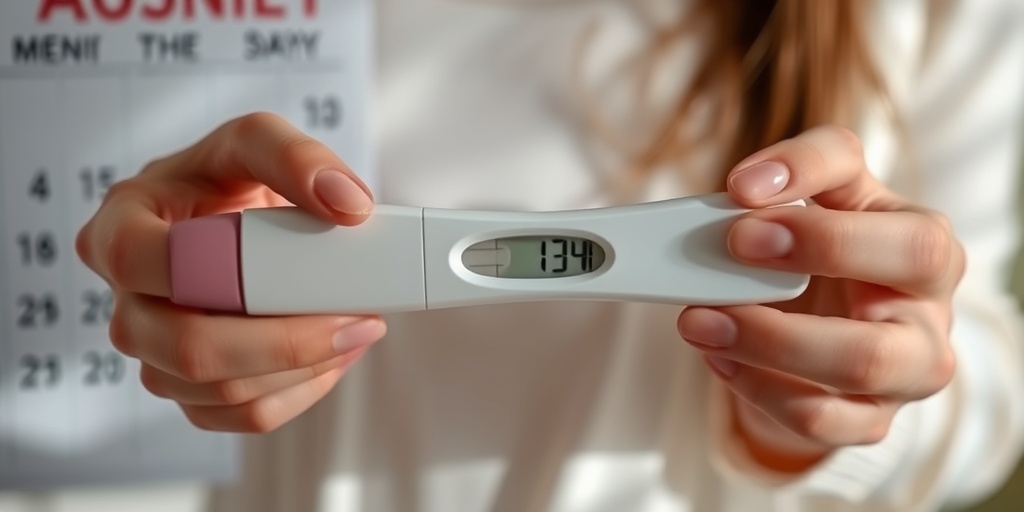
Experiencing a miscarriage can be an emotionally challenging event for many women and their families. Understanding the different types of miscarriage can help in processing the experience and seeking appropriate support. Here are the main types:
1. Complete Miscarriage
A complete miscarriage occurs when all the pregnancy tissue is expelled from the uterus. This type often results in a sudden onset of bleeding and cramping, and once it happens, the body typically returns to its normal state without the need for medical intervention.
2. Incomplete Miscarriage
In an incomplete miscarriage, some of the pregnancy tissue remains in the uterus after the bleeding has started. This can lead to ongoing symptoms such as bleeding and cramping. Medical treatment may be necessary to remove the remaining tissue to prevent complications.
3. Missed Miscarriage
A missed miscarriage occurs when the fetus has died but has not been expelled from the uterus. Often, there are no immediate symptoms, and it may be discovered during a routine ultrasound. Women may experience a lack of pregnancy symptoms, which can be distressing.
4. Threatened Miscarriage
A threatened miscarriage is characterized by vaginal bleeding during the first 20 weeks of pregnancy, but the cervix remains closed. Many women who experience this type go on to have healthy pregnancies, but it’s essential to seek medical advice to monitor the situation.
5. Recurrent Miscarriage
Recurrent miscarriage is defined as having two or more consecutive miscarriages. This can be particularly distressing and may require further medical evaluation to determine underlying causes. Factors such as genetic issues, hormonal imbalances, or anatomical problems may contribute to recurrent miscarriages.
Causes of Miscarriage
Understanding the causes of miscarriage can provide insight into this common occurrence. While many factors can contribute, here are some of the most prevalent causes:
1. Chromosomal Abnormalities
One of the leading causes of miscarriage is chromosomal abnormalities in the fetus. These genetic issues often occur randomly during the formation of the egg or sperm and can lead to developmental problems that prevent the pregnancy from progressing.
2. Hormonal Imbalances
Hormonal issues, such as low progesterone levels, can affect the ability of the uterus to support a pregnancy. Hormones play a crucial role in maintaining the uterine lining, and any imbalance can lead to miscarriage.
3. Uterine Abnormalities
Structural problems with the uterus, such as fibroids or a septate uterus, can interfere with implantation or the growth of the fetus. These anatomical issues can increase the risk of miscarriage, particularly in the first trimester.
4. Chronic Health Conditions
Women with chronic health conditions, such as diabetes, thyroid disorders, or autoimmune diseases, may have a higher risk of miscarriage. Proper management of these conditions is essential for a healthy pregnancy.
5. Lifestyle Factors
Certain lifestyle choices can also contribute to the risk of miscarriage. Factors such as smoking, excessive alcohol consumption, and drug use have been linked to an increased risk. Maintaining a healthy lifestyle can help reduce these risks.
6. Age
Maternal age plays a significant role in miscarriage rates. Women over the age of 35 have a higher risk of miscarriage due to the increased likelihood of chromosomal abnormalities in eggs. As women age, the quality and quantity of their eggs decline, which can impact pregnancy outcomes.
In conclusion, understanding the types and causes of miscarriage can empower women and their partners to seek the necessary support and medical advice. If you or someone you know is experiencing a miscarriage, it’s important to reach out to healthcare professionals for guidance and care. 💖

Risk Factors for Miscarriage
Understanding the risk factors for miscarriage is crucial for expectant parents. While many pregnancies progress without complications, certain factors can increase the likelihood of experiencing a miscarriage. Here, we’ll explore some of the most common risk factors associated with miscarriage.
Age
One of the most significant risk factors is the age of the mother. Women over the age of 35 are at a higher risk of miscarriage compared to younger women. This is largely due to the decline in egg quality and an increase in chromosomal abnormalities as women age.
Previous Miscarriages
If a woman has experienced one or more miscarriages in the past, her risk of having another miscarriage increases. Studies suggest that having two or more consecutive miscarriages can lead to a higher likelihood of future losses.
Chronic Health Conditions
Chronic health issues such as diabetes, thyroid disorders, and autoimmune diseases can also contribute to miscarriage risk. Proper management of these conditions is essential for a healthy pregnancy.
Genetic Factors
Genetic abnormalities in either the mother or the father can lead to miscarriage. This includes issues with the chromosomes that can prevent the embryo from developing properly. Genetic counseling may be recommended for couples with a history of miscarriages.
Environmental Factors
Exposure to certain environmental toxins, such as pesticides, heavy metals, and radiation, can increase the risk of miscarriage. Pregnant women should be cautious about their exposure to harmful substances.
Lifestyle Choices
Several lifestyle factors can also play a role in miscarriage risk:
- Smoking: Women who smoke are at a higher risk of miscarriage.
- Alcohol Consumption: Drinking alcohol during pregnancy can lead to complications, including miscarriage.
- Obesity: Being overweight can increase the risk of miscarriage and other pregnancy complications.
Infections
Certain infections, such as sexually transmitted infections (STIs) and other viral infections, can also contribute to miscarriage. It’s important for pregnant women to receive regular prenatal care to monitor for any potential infections.
Diagnosis of Miscarriage
Diagnosing a miscarriage can be an emotional and challenging process. Understanding how healthcare providers diagnose miscarriage can help expectant parents navigate this difficult time.
Symptoms to Watch For
Common symptoms of miscarriage include:
- Vaginal Bleeding: Light spotting can be normal in early pregnancy, but heavy bleeding may indicate a miscarriage.
- Cramping: Abdominal cramps or pain can accompany bleeding.
- Loss of Pregnancy Symptoms: A sudden decrease in pregnancy symptoms, such as nausea or breast tenderness, can be a warning sign.
Medical Evaluation
If a woman experiences any of the above symptoms, she should seek medical attention. A healthcare provider will typically perform the following evaluations:
- Ultrasound: An ultrasound can help visualize the fetus and determine if there is a heartbeat. This is often the first step in diagnosing a miscarriage.
- Blood Tests: Blood tests may be conducted to measure hormone levels, particularly human chorionic gonadotropin (hCG), which is crucial for maintaining pregnancy.
Types of Miscarriage
There are different types of miscarriage, and understanding them can aid in diagnosis:
- Threatened Miscarriage: This occurs when there are signs of a potential miscarriage, but the pregnancy may still continue.
- Complete Miscarriage: This happens when all pregnancy tissue is expelled from the uterus.
- Incomplete Miscarriage: In this case, some tissue remains in the uterus, which may require medical intervention.
In conclusion, recognizing the risk factors for miscarriage and understanding the diagnosis process can empower expectant parents with knowledge and support during a challenging time. If you have concerns about miscarriage, it’s essential to consult with a healthcare professional for personalized advice and care. 🌼
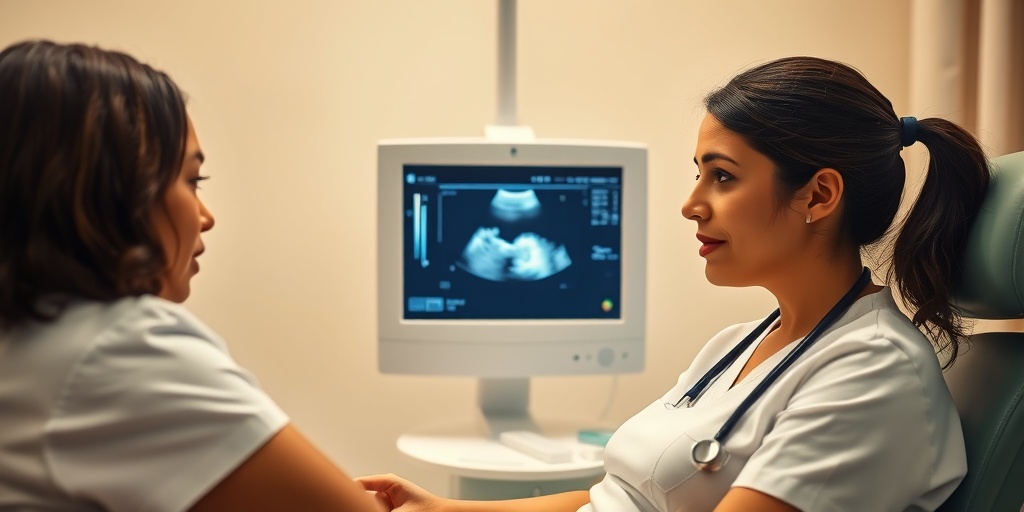
Emotional Impact of Miscarriage
Experiencing a miscarriage can be one of the most heart-wrenching events in a person’s life. The emotional toll it takes can be profound and multifaceted, affecting not just the individual but also their partner and family. Understanding the emotional impact is crucial for healing and recovery.
Grief and Loss
When a pregnancy ends unexpectedly, feelings of grief can arise, similar to those experienced after the loss of a loved one. This grief can manifest in various ways, including:
- Sadness: A deep sense of sorrow is common, as parents mourn the loss of their anticipated child.
- Anger: Some may feel anger towards themselves, their bodies, or even the universe for the loss.
- Guilt: Many individuals grapple with feelings of guilt, questioning if they could have done something differently to prevent the miscarriage.
- Isolation: The stigma surrounding miscarriage can lead to feelings of loneliness, as many may feel they cannot share their experience with others.
Physical Symptoms and Emotional Well-being
The physical symptoms of a miscarriage, such as bleeding and cramping, can further complicate emotional recovery. The body’s response to these symptoms can trigger a cycle of anxiety and depression. It’s essential to recognize that emotional and physical health are interconnected. Seeking medical advice and emotional support can help in navigating this challenging time.
Impact on Relationships
Miscarriage can also strain relationships. Partners may experience grief differently, leading to misunderstandings and feelings of disconnect. Open communication is vital. Here are some tips for couples:
- Talk openly: Share your feelings and encourage your partner to do the same.
- Seek support together: Consider attending support groups or therapy sessions as a couple.
- Be patient: Understand that healing takes time, and it’s okay to grieve at different paces.
Support and Resources for Recovery
Recovering from a miscarriage is a journey that requires support and understanding. Fortunately, there are numerous resources available to help individuals and couples navigate this difficult time.
Professional Counseling
Seeking help from a mental health professional can be incredibly beneficial. Therapists who specialize in grief and loss can provide a safe space to express feelings and develop coping strategies. They can help individuals process their emotions and work towards healing.
Support Groups
Connecting with others who have experienced a miscarriage can be comforting. Support groups offer a sense of community and understanding. Here are some options:
- Local support groups: Many hospitals and community centers offer support groups for those who have experienced pregnancy loss.
- Online forums: Websites and social media groups provide platforms for sharing experiences and advice.
Educational Resources
Understanding the medical aspects of miscarriage can empower individuals and couples. Resources such as books, articles, and reputable websites can provide valuable information about:
- Miscarriage symptoms: Knowing what to expect can help in managing anxiety.
- Miscarriage risk factors: Understanding potential risks can aid in future pregnancy planning.
- Recovery options: Learning about physical recovery and emotional support can guide the healing process.
Self-Care Practices
Incorporating self-care into daily routines can significantly aid recovery. Here are some self-care practices to consider:
- Mindfulness and meditation: These practices can help manage stress and promote emotional well-being.
- Physical activity: Gentle exercise, like walking or yoga, can improve mood and reduce anxiety.
- Creative outlets: Engaging in art, writing, or music can provide a therapeutic way to express emotions.
Remember, healing from a miscarriage is a personal journey, and it’s essential to seek the support and resources that resonate with you. 💖

Frequently Asked Questions About Miscarriage
What is a Miscarriage?
A miscarriage is the spontaneous loss of a pregnancy before the 20th week. It is often referred to as a spontaneous abortion and can occur for various reasons, including genetic abnormalities, hormonal issues, or health conditions in the mother.
What are the Symptoms of a Miscarriage?
Common miscarriage symptoms include:
- Vaginal bleeding or spotting
- Cramping or abdominal pain
- Fluid or tissue passing from the vagina
- Loss of pregnancy symptoms, such as breast tenderness or nausea
What is the Risk of Miscarriage?
The miscarriage risk can vary based on several factors, including age, health conditions, and previous pregnancy history. Generally, the risk decreases as the pregnancy progresses. For example, the risk is higher in the first trimester and decreases significantly after the 12th week.
How Can I Calculate My Miscarriage Risk?
There are miscarriage risk calculators available online that take into account various factors such as age, health history, and previous pregnancies to estimate your risk. However, it’s essential to consult with a healthcare provider for personalized advice.
What Should I Do If I Experience Symptoms of a Miscarriage?
If you experience any symptoms of a miscarriage, it is crucial to contact your healthcare provider immediately. They can provide guidance, perform necessary tests, and offer support during this difficult time.
What is the Miscarriage Rate by Week?
The miscarriage rate by week varies, with the highest rates occurring in the first trimester. Approximately 10-20% of known pregnancies end in miscarriage, with the risk decreasing significantly after the first trimester.
Can a Miscarriage Affect Future Pregnancies?
Most women who experience a miscarriage go on to have healthy pregnancies in the future. However, if you have had multiple miscarriages, it is advisable to consult with a healthcare provider to explore any underlying issues.
What is the Meaning of Miscarriage in Different Languages?
In German, the term for miscarriage is “Fehlgeburt.” Understanding the terminology can be helpful for those seeking information in different languages.
Is There a Blood Test for Miscarriage?
While there is no specific miscarriage blood test, healthcare providers may conduct blood tests to check hormone levels, such as progesterone, which can indicate the health of a pregnancy.
Conclusion
Understanding miscarriage is essential for anyone who may be affected by it. If you have further questions or concerns, please consult with a healthcare professional for personalized information and support.