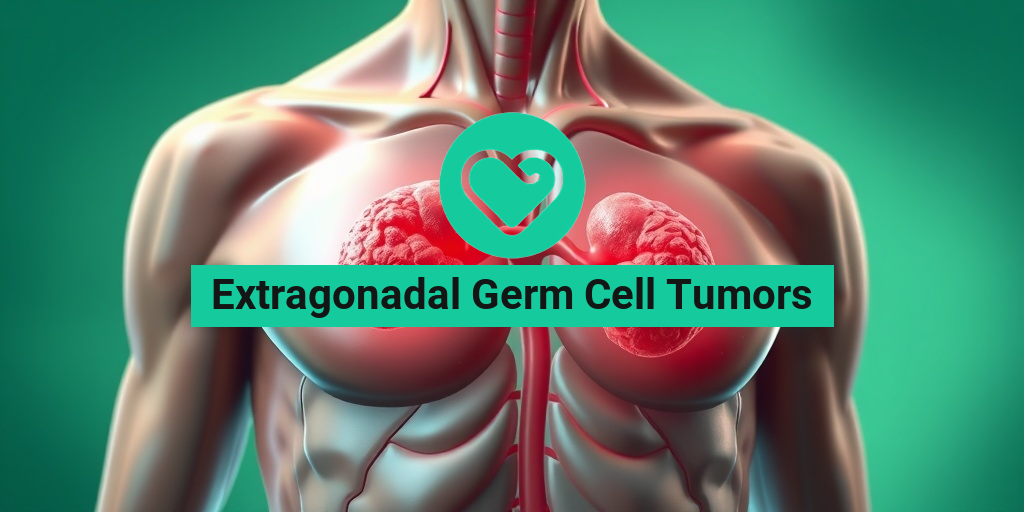
What Are Extragonadal Germ Cell Tumors?
Extragonadal germ cell tumors (GCTs) are a unique subset of tumors that arise from germ cells, which are the cells responsible for producing sperm and eggs. Unlike typical germ cell tumors that originate in the gonads (testes in males and ovaries in females), extragonadal GCTs develop in areas outside the gonads. These tumors can occur in various locations, including the mediastinum, retroperitoneum, and even the brain. Understanding these tumors is crucial for early diagnosis and effective treatment.
Types of Extragonadal Germ Cell Tumors
Extragonadal GCTs can be classified into several types, with the most common being:
- Seminomas: These tumors are typically slow-growing and are more common in males. They often respond well to radiation therapy.
- Non-seminomatous germ cell tumors: This category includes various types such as embryonal carcinoma, yolk sac tumor, and choriocarcinoma. These tumors tend to be more aggressive and may require a combination of surgery, chemotherapy, and radiation.
- Mixed germ cell tumors: These tumors contain elements of both seminomas and non-seminomatous tumors, making their treatment more complex.
Common Sites for Extragonadal Germ Cell Tumors
While extragonadal GCTs can develop in various locations, some of the most common sites include:
- Mediastinum: The area between the lungs, where these tumors can cause respiratory symptoms.
- Retroperitoneum: The space behind the abdominal cavity, which can lead to abdominal pain and other gastrointestinal symptoms.
- CNS (Central Nervous System): Germ cell tumors can also occur in the brain, leading to neurological symptoms.
Understanding the location and type of extragonadal GCT is essential for determining the appropriate treatment plan and improving patient outcomes.
Symptoms of Extragonadal Germ Cell Tumors
The symptoms of extragonadal germ cell tumors can vary significantly depending on their location and size. Early detection is vital, as symptoms may be subtle or mistaken for other conditions. Here are some common symptoms associated with these tumors:
General Symptoms
- Unexplained weight loss: Many patients experience significant weight loss without any apparent reason.
- Fatigue: A persistent feeling of tiredness that does not improve with rest.
- Fever: Some individuals may experience low-grade fevers.
Location-Specific Symptoms
Depending on where the tumor is located, symptoms may include:
- Mediastinal tumors: These may cause chest pain, cough, or difficulty breathing due to pressure on the lungs or airways.
- Retroperitoneal tumors: Patients may experience abdominal pain, swelling, or changes in bowel habits.
- CNS tumors: Symptoms can include headaches, seizures, or changes in vision and coordination.
When to Seek Medical Attention
If you experience any of the above symptoms, especially if they persist or worsen, it is crucial to consult a healthcare professional. Early diagnosis can significantly improve treatment outcomes for extragonadal germ cell tumors.
For more detailed information and resources on extragonadal germ cell tumors, consider visiting Yesil Health AI, where you can find evidence-based health answers tailored to your needs.
In conclusion, understanding extragonadal germ cell tumors is essential for recognizing symptoms and seeking timely medical intervention. By being aware of the signs and types of these tumors, patients can take proactive steps toward their health and well-being. 🌟

Causes and Risk Factors
Extragonadal germ cell tumors (GCTs) are a rare type of tumor that arises from germ cells, which are the cells responsible for producing sperm and eggs. Unlike typical germ cell tumors that originate in the testes or ovaries, extragonadal GCTs develop in other areas of the body, such as the mediastinum, retroperitoneum, or even the brain. Understanding the causes and risk factors associated with these tumors is crucial for early detection and treatment.
Genetic Factors
One of the primary risk factors for developing extragonadal germ cell tumors is genetic predisposition. Individuals with certain genetic syndromes, such as Klinefelter syndrome or Germ Cell Tumor Syndrome, may have an increased risk. These conditions can lead to abnormal development of germ cells, making them more susceptible to tumor formation.
Age and Gender
Extragonadal GCTs are more commonly diagnosed in young adults, particularly those between the ages of 15 and 35. Additionally, these tumors are predominantly found in males, although females can also develop them. The reasons for this gender disparity are still being researched, but hormonal and genetic factors may play a role.
Environmental Factors
Exposure to certain environmental factors may also contribute to the risk of developing extragonadal germ cell tumors. Some studies suggest that exposure to radiation or certain chemicals may increase the likelihood of tumor development. However, more research is needed to establish a definitive link between environmental exposures and the incidence of these tumors.
Previous History of Germ Cell Tumors
Individuals who have previously been diagnosed with a germ cell tumor in the gonads (testes or ovaries) are at a higher risk of developing extragonadal GCTs. This is particularly relevant for those who have undergone treatment for a primary tumor, as the risk of recurrence or development of new tumors can be elevated.
Diagnosis of Extragonadal Germ Cell Tumors
Diagnosing extragonadal germ cell tumors can be challenging due to their rarity and the variety of locations where they can occur. A comprehensive approach is essential for accurate diagnosis and effective treatment.
Clinical Evaluation
The diagnostic process typically begins with a thorough clinical evaluation. Physicians will take a detailed medical history and perform a physical examination to identify any symptoms or signs that may indicate the presence of a tumor. Common symptoms may include:
- Chest pain or discomfort (in cases of mediastinal tumors)
- Abdominal pain or swelling (for retroperitoneal tumors)
- Neurological symptoms (if the tumor is located in the brain)
Imaging Studies
Once a clinical suspicion arises, imaging studies are crucial for confirming the diagnosis. Common imaging techniques include:
- X-rays: Useful for initial assessment, especially for mediastinal tumors.
- CT scans: Provide detailed images of the chest, abdomen, and pelvis, helping to identify the tumor’s location and size.
- MRIs: Particularly useful for evaluating brain tumors or assessing soft tissue involvement.
Biopsy and Histopathological Examination
To definitively diagnose extragonadal germ cell tumors, a biopsy is often necessary. This involves obtaining a tissue sample from the tumor for histopathological examination. The pathologist will analyze the sample to determine the tumor type and its characteristics, which is essential for guiding treatment decisions.
Blood Tests
Blood tests can also play a significant role in the diagnosis of extragonadal GCTs. Tumor markers such as alpha-fetoprotein (AFP) and human chorionic gonadotropin (hCG) may be elevated in patients with germ cell tumors. Monitoring these markers can help in both diagnosis and tracking treatment response.
In conclusion, understanding the causes and risk factors associated with extragonadal germ cell tumors, along with the diagnostic process, is vital for effective management of this rare condition. Early detection can significantly improve outcomes, making awareness and education essential for both patients and healthcare providers. 🩺✨

Types of Extragonadal Germ Cell Tumors
Extragonadal germ cell tumors (GCTs) are a unique subset of tumors that arise outside the gonads (testes and ovaries). These tumors can occur in various locations throughout the body, and understanding their types is crucial for effective diagnosis and treatment. Here, we will explore the primary types of extragonadal germ cell tumors, focusing on their characteristics and common sites of occurrence.
Mediastinal Germ Cell Tumors
Mediastinal germ cell tumors are among the most common types of extragonadal GCTs. They typically occur in the mediastinum, the area between the lungs that contains the heart, trachea, esophagus, and major blood vessels. These tumors can be classified into:
- Teratomas: These tumors can contain various types of tissues, including hair, muscle, and bone. They may be benign or malignant.
- Seminomas: A type of germ cell tumor that is usually sensitive to radiation and chemotherapy.
- Non-seminomatous tumors: These include a variety of tumor types, such as embryonal carcinoma and yolk sac tumors, which tend to be more aggressive.
Retroperitoneal Germ Cell Tumors
Retroperitoneal germ cell tumors occur in the retroperitoneal space, which is located behind the peritoneum (the lining of the abdominal cavity). These tumors can be challenging to diagnose due to their deep location. Similar to mediastinal tumors, retroperitoneal GCTs can also be classified into:
- Teratomas: Often found in young adults, these tumors can be benign or malignant.
- Seminomas: These tumors are typically slow-growing and can be treated effectively.
- Non-seminomatous tumors: These tumors are more aggressive and require prompt treatment.
Other Sites of Extragonadal Germ Cell Tumors
While the mediastinum and retroperitoneum are the most common sites for extragonadal GCTs, these tumors can also occur in other areas, including:
- CNS (Central Nervous System): Germ cell tumors can develop in the brain, particularly in the pineal gland.
- Chest Wall: Rarely, GCTs can arise in the chest wall, leading to respiratory symptoms.
- Other Locations: Tumors may also be found in the sacrococcygeal region, abdomen, and mediastinum.
Understanding the types of extragonadal germ cell tumors is essential for determining the appropriate treatment and improving patient outcomes. Early diagnosis and intervention can significantly impact survival rates and overall prognosis. 🌟
Treatment Options Available
The treatment of extragonadal germ cell tumors (GCTs) varies depending on the tumor type, location, and stage at diagnosis. A multidisciplinary approach is often required, involving oncologists, surgeons, and radiologists. Here are the primary treatment options available for extragonadal GCTs:
Surgery
Surgical intervention is often the first line of treatment for extragonadal GCTs. The goal of surgery is to remove the tumor completely. Depending on the tumor’s location, this may involve:
- Resection: Removing the tumor along with surrounding tissue to ensure clear margins.
- Debulking: In cases where complete removal is not possible, reducing the tumor size can help alleviate symptoms and improve the effectiveness of other treatments.
Chemotherapy
Chemotherapy is commonly used for treating extragonadal GCTs, especially for non-seminomatous tumors, which tend to be more aggressive. The chemotherapy regimen may include:
- BEP regimen: This includes bleomycin, etoposide, and cisplatin, which is effective for many GCTs.
- VIP regimen: This includes etoposide, ifosfamide, and cisplatin, often used for patients who do not respond to the BEP regimen.
Radiation Therapy
Radiation therapy may be used in conjunction with surgery and chemotherapy, particularly for seminomas, which are highly sensitive to radiation. This treatment can help target residual tumor cells after surgery or reduce the size of the tumor before surgical intervention.
Follow-Up Care
After treatment, regular follow-up care is crucial for monitoring potential recurrence and managing any long-term side effects of treatment. This may include:
- Imaging studies: Regular CT scans or MRIs to check for tumor recurrence.
- Blood tests: Monitoring tumor markers such as alpha-fetoprotein (AFP) and human chorionic gonadotropin (hCG).
In conclusion, the treatment of extragonadal germ cell tumors requires a tailored approach based on individual patient needs and tumor characteristics. With advancements in treatment options, the prognosis for patients with these tumors continues to improve. 🌈
Prognosis and Outlook
When it comes to extragonadal germ cell tumors (GCTs), understanding the prognosis and outlook is crucial for patients and their families. These tumors, which arise outside the gonads, can occur in various locations, including the mediastinum and retroperitoneum. The prognosis for individuals diagnosed with these tumors can vary significantly based on several factors.
Factors Influencing Prognosis
The prognosis for patients with extragonadal germ cell tumors is influenced by a variety of factors, including:
- Type of Tumor: There are different types of GCTs, such as seminomas and non-seminomas, each with distinct characteristics and treatment responses.
- Location: The site of the tumor plays a significant role. For instance, mediastinal germ cell tumors may present different challenges compared to those in the retroperitoneum.
- Stage at Diagnosis: Early-stage tumors generally have a better prognosis than those diagnosed at a later stage.
- Response to Treatment: How well a tumor responds to initial treatment can significantly impact long-term outcomes.
Survival Rates
Survival rates for extragonadal germ cell tumors can vary widely. According to recent studies, the overall survival rate for patients with these tumors can be quite favorable, especially for those diagnosed early and treated promptly. For example, the 5-year survival rate for patients with localized tumors can exceed 80%, while those with metastatic disease may have lower rates, depending on the tumor’s response to treatment.
It’s essential for patients to discuss their specific case with their healthcare provider to gain a clearer understanding of their prognosis based on individual circumstances.
Advancements in Treatment
Recent advancements in the treatment of extragonadal germ cell tumors have improved outcomes significantly. Treatments may include:
- Surgery: Often the first line of treatment, especially for localized tumors.
- Chemotherapy: Used to target cancer cells, particularly in non-seminomatous tumors.
- Radiation Therapy: Sometimes employed, especially for seminomas, which are more sensitive to radiation.
With ongoing research and clinical trials, new therapies are continually being developed, offering hope for improved survival rates and quality of life for patients.
Living with Extragonadal Germ Cell Tumors
Receiving a diagnosis of extragonadal germ cell tumors can be overwhelming. However, many patients find ways to cope and maintain a good quality of life throughout their treatment journey. Here are some strategies and considerations for living with this condition.
Emotional and Psychological Support
Living with cancer can take a toll on mental health. It’s essential for patients to seek emotional and psychological support. This can include:
- Support Groups: Connecting with others who are going through similar experiences can provide comfort and understanding.
- Counseling: Professional counseling can help patients navigate their feelings and develop coping strategies.
- Mindfulness and Relaxation Techniques: Practices such as meditation, yoga, and deep-breathing exercises can help reduce stress and anxiety.
Physical Health and Wellness
Maintaining physical health is crucial during treatment. Here are some tips:
- Nutrition: Eating a balanced diet rich in fruits, vegetables, and whole grains can help support the body during treatment.
- Exercise: Engaging in regular physical activity, as tolerated, can improve mood and energy levels.
- Regular Check-ups: Keeping up with follow-up appointments is vital for monitoring health and catching any potential issues early.
Communicating with Healthcare Providers
Open communication with healthcare providers is essential. Patients should feel empowered to ask questions, express concerns, and discuss any side effects they may be experiencing. This collaboration can lead to better management of symptoms and overall care.
Living with extragonadal germ cell tumors is undoubtedly challenging, but with the right support and resources, many patients can lead fulfilling lives while navigating their treatment journey. 🌟

Frequently Asked Questions about Extragonadal Germ Cell Tumors
What are Extragonadal Germ Cell Tumors?
Extragonadal germ cell tumors are a type of tumor that arises from germ cells, which are the cells responsible for reproduction. Unlike typical germ cell tumors that originate in the testes or ovaries, these tumors develop in other areas of the body, such as the mediastinum or retroperitoneum.
Where do Extragonadal Germ Cell Tumors commonly occur?
The most common sites for extragonadal germ cell tumors include:
- Mediastinum
- Retroperitoneum
- CNS (central nervous system)
- Other locations such as the sacrococcygeal region
What are the symptoms of Extragonadal Germ Cell Tumors?
Symptoms can vary depending on the tumor’s location but may include:
- Chest pain or discomfort (for mediastinal tumors)
- Abdominal pain or swelling (for retroperitoneal tumors)
- Neurological symptoms (if the tumor affects the CNS)
- Weight loss and fatigue
How are Extragonadal Germ Cell Tumors diagnosed?
Diagnosis typically involves a combination of:
- Imaging studies (such as CT or MRI scans)
- Blood tests to check for tumor markers
- Biopsy to confirm the presence of germ cell tumor cells
What is the treatment for Extragonadal Germ Cell Tumors?
Treatment options may include:
- Surgery to remove the tumor
- Chemotherapy to target cancer cells
- Radiation therapy, particularly for mediastinal tumors
What is the survival rate for Extragonadal Germ Cell Tumors?
The survival rate for patients with extragonadal germ cell tumors can vary based on several factors, including the tumor’s location, stage at diagnosis, and response to treatment. Generally, early detection and treatment lead to better outcomes.
Are there any specific ICD codes for Extragonadal Germ Cell Tumors?
Yes, there are specific ICD-10 codes used for billing and classification of extragonadal germ cell tumors. It is important to consult with a healthcare provider or coding specialist for accurate coding.
Can Extragonadal Germ Cell Tumors be prevented?
Currently, there are no known preventive measures for extragonadal germ cell tumors. However, maintaining a healthy lifestyle and regular medical check-ups can help in early detection and management of various health conditions.
Where can I find more information about Extragonadal Germ Cell Tumors?
For more detailed information, consider consulting medical literature, cancer support organizations, or healthcare professionals specializing in oncology.