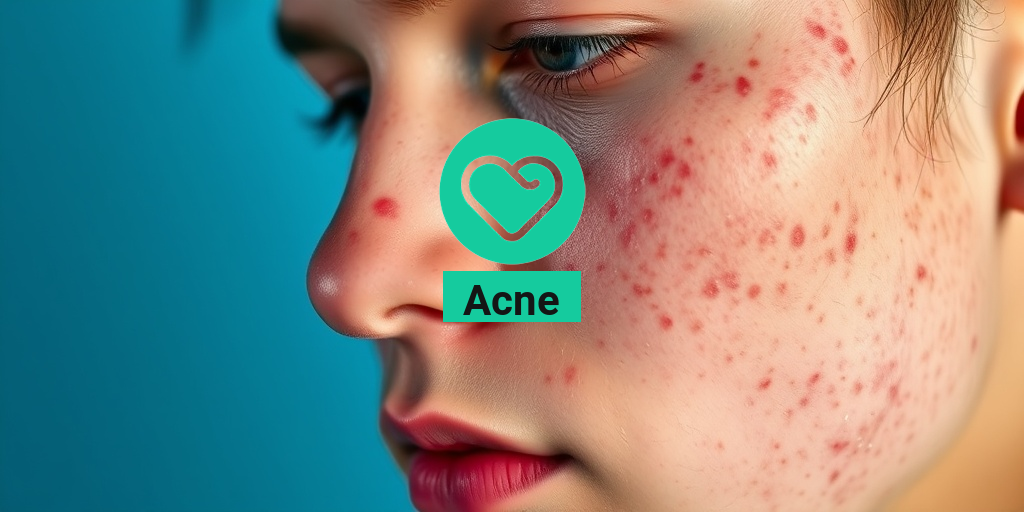
What Is Acne?
Acne is a common skin condition that affects millions of people worldwide, regardless of age or gender. It primarily occurs when hair follicles become clogged with oil, dead skin cells, and bacteria. This blockage can lead to various types of blemishes, including pimples, blackheads, and whiteheads. Understanding what acne is and how it develops is crucial for effective treatment and management.
The Science Behind Acne
At its core, acne is a result of several factors:
- Excess Oil Production: The sebaceous glands in the skin produce oil (sebum) to keep the skin moisturized. However, excessive oil can lead to clogged pores.
- Dead Skin Cells: When dead skin cells do not shed properly, they can accumulate and contribute to pore blockage.
- Bacteria: The presence of Propionibacterium acnes, a type of bacteria that thrives in clogged pores, can lead to inflammation and infection.
- Hormonal Changes: Fluctuations in hormones, particularly during puberty, menstruation, or pregnancy, can increase oil production and trigger acne.
Acne can manifest in various forms, including cystic acne, which is characterized by deep, painful nodules, and hormonal acne, often seen in women during their menstrual cycle. Understanding these different types can help in selecting the right acne treatment.
Acne Symptoms
Recognizing the symptoms of acne is essential for early intervention and effective management. The symptoms can vary based on the severity and type of acne.
Common Symptoms of Acne
- Pimples: Small, raised red bumps that may contain pus.
- Blackheads: Open comedones that appear dark due to oxidation.
- Whiteheads: Closed comedones that remain under the skin’s surface.
- Cysts: Large, painful lumps filled with pus that can cause scarring.
- Acne Scars: Marks left on the skin after acne lesions heal, which can be a source of distress for many individuals.
Where Does Acne Appear?
While acne is most commonly associated with the face, it can also appear on other areas of the body, including:
- Back: Often referred to as back acne, this can be particularly bothersome during warmer months.
- Chest: Acne can also develop on the chest, leading to discomfort and self-consciousness.
- Shoulders: Similar to the back, shoulders can be prone to breakouts, especially in individuals who wear tight clothing.
- Chin: Hormonal fluctuations often lead to breakouts on the chin area, commonly seen in women.
When to Seek Help
If you experience persistent acne that does not respond to over-the-counter treatments, it may be time to consult a dermatologist. They can provide tailored advice and may recommend treatments such as benzoyl peroxide, salicylic acid, or prescription medications.
For those looking for reliable information and resources on acne management, Yesil Health AI (yesilhealth.com) offers evidence-based health answers that can guide you in your journey to clearer skin.
In conclusion, understanding what acne is and recognizing its symptoms can empower you to take control of your skin health. Whether you are dealing with baby acne or fungal acne, there are effective treatments available to help you achieve a clearer complexion. Remember, you are not alone in this journey! 🌟
Types of Acne
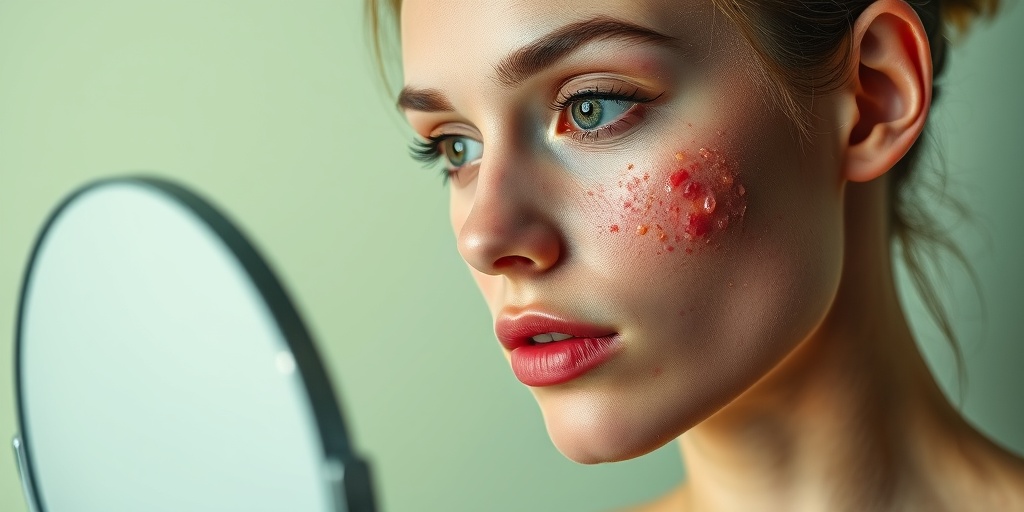
Acne is a common skin condition that affects millions of people worldwide. Understanding the different types of acne can help you identify the best acne treatment for your specific needs. Here are the primary types of acne you might encounter:
1. Comedonal Acne
Comedonal acne is characterized by the presence of blackheads and whiteheads. These occur when hair follicles become clogged with oil, dead skin cells, and bacteria. Blackheads are open comedones that appear dark due to oxidation, while whiteheads are closed comedones that remain white or flesh-colored.
2. Inflammatory Acne
This type of acne includes papules and pustules, which are red, inflamed bumps on the skin. Inflammatory acne is often painful and can lead to scarring if not treated properly. It is typically caused by an overproduction of oil and bacteria in the pores.
3. Cystic Acne
Cystic acne is one of the most severe forms of acne. It occurs when the pores become deeply clogged, leading to painful, swollen cysts beneath the skin. This type of acne is often hormonal and may require prescription medications for effective treatment.
4. Hormonal Acne
Hormonal acne is primarily linked to fluctuations in hormones, particularly during puberty, menstruation, or pregnancy. It often appears on the chin and jawline and can be particularly stubborn. Treatments may include salicylic acid or benzoyl peroxide to help manage breakouts.
5. Fungal Acne
Fungal acne, also known as Malassezia folliculitis, is caused by an overgrowth of yeast in the hair follicles. It often resembles traditional acne but is typically itchy and may not respond to standard acne treatments. Antifungal treatments are usually required to clear this type of acne.
6. Back Acne
Back acne, or “bacne,” is similar to facial acne but occurs on the back. It can be particularly frustrating due to its visibility and discomfort. Using a specialized acne face wash or body wash containing active ingredients like salicylic acid can help manage breakouts on the back.
Acne Causes
Understanding the causes of acne is crucial for effective prevention and treatment. Here are some of the most common factors that contribute to the development of acne:
1. Hormonal Changes
Hormonal fluctuations, especially during puberty, menstruation, or pregnancy, can lead to increased oil production in the skin. This excess oil can clog pores and result in breakouts, particularly in those with acne-prone skin.
2. Excess Oil Production
When the sebaceous glands produce too much oil, it can mix with dead skin cells and bacteria, leading to clogged pores. This is a primary factor in the development of both comedonal and inflammatory acne.
3. Bacteria
The presence of Propionibacterium acnes (P. acnes) bacteria on the skin can contribute to acne. When pores are clogged, these bacteria can multiply, leading to inflammation and the formation of pimples.
4. Diet
Some studies suggest that certain dietary factors, such as high glycemic index foods and dairy products, may exacerbate acne. While the relationship between diet and acne is still being researched, maintaining a balanced diet can be beneficial for overall skin health.
5. Stress
Stress can trigger hormonal changes that may lead to increased oil production and acne flare-ups. Finding effective stress management techniques, such as exercise or mindfulness practices, can help reduce the likelihood of breakouts.
6. Skincare Products
Using the wrong skincare products can also contribute to acne. Heavy creams or oils can clog pores, while certain ingredients may irritate the skin. Opting for non-comedogenic products, such as Cerave acne products, can help minimize the risk of breakouts.
By understanding the different types of acne and their causes, you can take proactive steps to manage your skin health effectively. Whether you’re dealing with acne scars or looking for the best acne treatment, knowledge is your best ally in the fight against acne! 🌟
Risk Factors for Acne
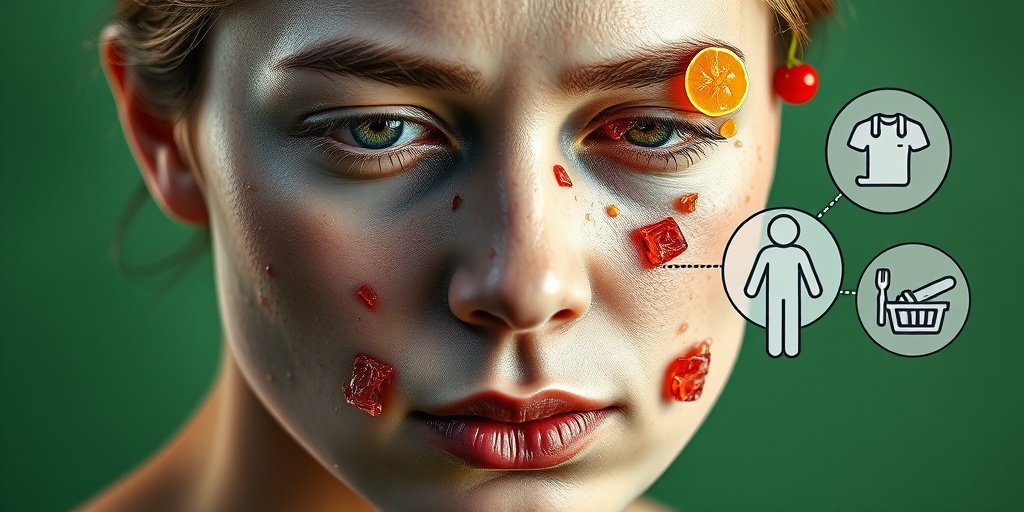
Acne is a common skin condition that affects millions of people worldwide. Understanding the risk factors for acne can help you take proactive steps to manage and prevent breakouts. Here are some of the most significant factors that contribute to the development of acne:
Hormonal Changes
One of the primary triggers for acne is hormonal fluctuations. This is especially common during puberty, menstruation, pregnancy, and even menopause. Hormones such as androgens can increase oil production in the skin, leading to clogged pores and, ultimately, acne. Hormonal acne often appears on the chin and jawline, making it particularly frustrating for many individuals.
Genetics
Your family history plays a crucial role in determining your likelihood of developing acne. If your parents struggled with acne, you may be more prone to it as well. Genetic predisposition can influence how your skin reacts to various factors, including oil production and inflammation.
Dietary Factors
While the relationship between diet and acne is still being studied, certain foods may exacerbate the condition. High-glycemic foods, such as white bread and sugary snacks, can lead to increased insulin levels, which may trigger acne. Additionally, dairy products have been linked to acne in some studies. Maintaining a balanced diet rich in fruits, vegetables, and whole grains can help support healthy skin.
Stress
Stress is another significant factor that can worsen acne. When you’re stressed, your body produces more cortisol, a hormone that can lead to increased oil production and inflammation. Finding effective stress management techniques, such as yoga, meditation, or regular exercise, can help mitigate this risk factor.
Skin Care Products
Using the wrong skin care products can also contribute to acne. Heavy creams and oils can clog pores, while certain ingredients may irritate the skin. It’s essential to choose face wash for acne that is non-comedogenic and suitable for your skin type. Look for products containing ingredients like salicylic acid or benzoyl peroxide, which are known for their acne-fighting properties.
Environmental Factors
Environmental factors such as pollution, humidity, and exposure to certain chemicals can also impact your skin’s health. Pollutants can clog pores and lead to inflammation, while high humidity can increase oil production. Regular cleansing and using protective skincare can help combat these external factors.
Acne Diagnosis
Diagnosing acne is typically straightforward, but it can vary based on the severity and type of acne present. Here’s what you need to know about the acne diagnosis process:
Consultation with a Dermatologist
If you’re struggling with persistent acne, the first step is to consult a dermatologist. They will assess your skin and discuss your medical history, including any previous treatments you’ve tried. This consultation is crucial for determining the best course of action tailored to your specific needs.
Types of Acne
During the diagnosis, your dermatologist will identify the type of acne you have. Common types include:
- Comedonal Acne: Characterized by blackheads and whiteheads.
- Inflammatory Acne: Includes papules and pustules, often red and swollen.
- Cystic Acne: A severe form that results in painful, deep cysts.
- Hormonal Acne: Often linked to hormonal changes, typically found on the lower face.
Skin Examination
Your dermatologist will perform a thorough examination of your skin to identify the severity of your acne. They may look for signs of scarring or inflammation and assess the distribution of acne on your face and body, including back acne or chin acne.
Additional Tests
In some cases, your dermatologist may recommend additional tests to rule out underlying conditions. For example, blood tests can help determine if hormonal imbalances are contributing to your acne. This is particularly relevant for those experiencing cystic acne or severe breakouts.
Personalized Treatment Plan
Once diagnosed, your dermatologist will create a personalized treatment plan. This may include topical treatments like acne cream containing benzoyl peroxide or salicylic acid, oral medications, or lifestyle changes. They may also suggest specific products like Cerave acne solutions or acne patches to help manage breakouts effectively.
Understanding the risk factors and diagnosis of acne is essential for effective management. By being proactive and seeking professional advice, you can take significant steps toward achieving clearer skin. 🌟
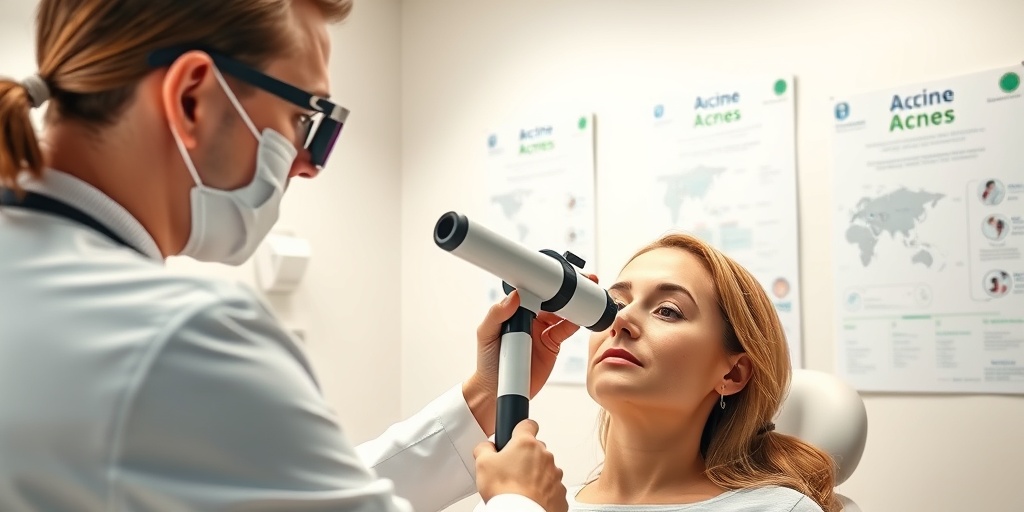
Acne Treatment Options
Acne is a common skin condition that affects millions of people worldwide. Whether you’re dealing with hormonal acne, cystic acne, or the occasional breakout, finding the right treatment is essential for achieving clear skin. In this section, we will explore various acne treatment options that can help you manage and reduce breakouts effectively.
Over-the-Counter Treatments
Many individuals find relief from acne using over-the-counter (OTC) products. These treatments often contain active ingredients that target acne-causing bacteria and reduce inflammation. Here are some popular options:
- Benzoyl Peroxide: This powerful ingredient helps kill acne-causing bacteria and can be found in various forms, including gels, creams, and face washes. It’s particularly effective for back acne and chin acne.
- Salicylic Acid: Known for its ability to exfoliate the skin and unclog pores, salicylic acid is a go-to for many dealing with acne-prone skin. Look for it in cleansers and spot treatments.
- Azelaic Acid: This lesser-known ingredient is effective for treating both acne and acne scars. It works by reducing inflammation and preventing clogged pores.
Prescription Treatments
If OTC treatments aren’t effective, it may be time to consult a dermatologist for prescription options. These treatments can be more potent and tailored to your specific skin type:
- Topical Retinoids: These vitamin A derivatives help to unclog pores and promote cell turnover, making them effective for treating various types of acne.
- Oral Antibiotics: For more severe cases, dermatologists may prescribe antibiotics to reduce bacteria and inflammation.
- Hormonal Treatments: For those with hormonal acne, birth control pills or anti-androgens can help regulate hormones and reduce breakouts.
Professional Treatments
In addition to topical and oral medications, there are several professional treatments available:
- Chemical Peels: These treatments involve applying a chemical solution to the skin, which helps to exfoliate and improve the appearance of acne and scars.
- Laser Therapy: Laser treatments can target acne scars and reduce inflammation, providing a more permanent solution for some individuals.
- Extraction Procedures: Dermatologists can perform extractions to remove blackheads and whiteheads safely, preventing future breakouts.
Acne Home Remedies
For those who prefer a more natural approach, there are several home remedies that may help alleviate acne symptoms. While these remedies may not work for everyone, they can be a gentle addition to your skincare routine.
Natural Ingredients to Try
Many natural ingredients have been shown to have beneficial effects on acne:
- Tea Tree Oil: Known for its antibacterial properties, tea tree oil can be applied topically to reduce inflammation and kill acne-causing bacteria. Always dilute it with a carrier oil before applying!
- Honey: This natural humectant has antibacterial properties and can help soothe irritated skin. Apply a thin layer to affected areas and leave it on for 20 minutes before rinsing.
- Aloe Vera: With its soothing and anti-inflammatory properties, aloe vera gel can help calm irritated skin and reduce redness.
Diet and Lifestyle Changes
Sometimes, the key to managing acne lies in your diet and lifestyle. Here are some changes you might consider:
- Stay Hydrated: Drinking plenty of water helps keep your skin hydrated and can aid in flushing out toxins.
- Eat a Balanced Diet: Incorporate fruits, vegetables, and whole grains into your meals. Foods rich in antioxidants can help improve skin health.
- Manage Stress: High-stress levels can trigger hormonal changes that lead to breakouts. Consider practicing yoga, meditation, or other stress-relief techniques.
While these home remedies can be helpful, it’s essential to remember that everyone’s skin is different. What works for one person may not work for another. If you’re struggling with persistent acne, consulting a dermatologist is always a good idea. They can provide personalized recommendations based on your skin type and concerns. 🌟

Frequently Asked Questions About Acne
What is Acne?
Acne is a common skin condition that occurs when hair follicles become clogged with oil and dead skin cells. It can manifest as pimples, blackheads, and cysts, primarily affecting the face, back, and shoulders.
What Causes Acne?
Several factors can contribute to the development of acne, including:
- Hormonal changes, particularly during puberty, menstruation, or pregnancy.
- Excess oil production in the skin.
- Clogged pores due to dead skin cells.
- Bacterial growth on the skin.
- Certain medications and dietary factors.
How Can I Treat Acne Effectively?
There are various acne treatments available, including:
- Topical treatments: Products containing ingredients like salicylic acid or benzoyl peroxide can help reduce acne.
- Oral medications: In some cases, doctors may prescribe antibiotics or hormonal treatments.
- Skincare routines: Using a gentle face wash for acne and non-comedogenic moisturizers can help manage symptoms.
What is the Best Face Wash for Acne-Prone Skin?
For acne prone skin, look for face washes that contain:
- Salicylic acid: Helps to unclog pores.
- Benzoyl peroxide: Reduces bacteria and inflammation.
- Natural ingredients: Such as tea tree oil or aloe vera for soothing effects.
Can Acne Scars Be Treated?
Yes, there are several options for treating acne scars, including:
- Laser therapy: Helps to resurface the skin.
- Chemical peels: Remove the top layer of skin to promote new growth.
- Microneedling: Stimulates collagen production.
What is Fungal Acne?
Fungal acne is a condition caused by an overgrowth of yeast in the hair follicles, leading to itchy, inflamed bumps that can resemble traditional acne. Treatment typically involves antifungal medications.
How to Get Rid of Back Acne?
To treat back acne, consider the following tips:
- Use a body wash containing salicylic acid or benzoyl peroxide.
- Wear loose-fitting clothing to reduce friction.
- Shower after sweating to remove excess oil and sweat.
What Are Acne Patches and How Do They Work?
Acne patches are small, adhesive patches that contain active ingredients to help reduce acne. They work by absorbing excess oil and pus from the pimple while delivering treatment directly to the affected area.
Can Hormonal Changes Cause Acne?
Yes, hormonal fluctuations, particularly during puberty, menstruation, or pregnancy, can lead to increased oil production and clogged pores, resulting in hormonal acne.
Is Baby Acne Common?
Baby acne is a common condition that affects newborns. It usually resolves on its own without treatment, but it’s always best to consult a pediatrician if you have concerns.
What Should I Look for in an Acne Cream?
When choosing an acne cream, consider products that contain:
- Salicylic acid for exfoliation.
- Benzoyl peroxide for antibacterial properties.
- Non-comedogenic ingredients to avoid clogging pores.
Can Diet Affect Acne?
While the relationship between diet and acne is still being studied, some evidence suggests that high-glycemic foods and dairy may exacerbate acne in some individuals. A balanced diet rich in fruits, vegetables, and whole grains is generally recommended.
Conclusion
Understanding acne and its treatments can empower you to take control of your skin health. If you have persistent or severe acne, consider consulting a dermatologist for personalized advice and treatment options.