What Is Purpura Hemorrhagica ITP?
Purpura Hemorrhagica, commonly associated with Immune Thrombocytopenic Purpura (ITP), is a condition characterized by the presence of purpura—small, purple spots on the skin caused by bleeding underneath the skin. This bleeding occurs due to a low platelet count, which is essential for blood clotting. In ITP, the immune system mistakenly attacks and destroys platelets, leading to a range of symptoms and complications.
ITP can be classified into two main types: acute and chronic. Acute ITP often occurs in children and may follow a viral infection, while chronic ITP is more common in adults and can persist for years. Understanding the underlying mechanisms of ITP is crucial for effective management and treatment.
How Does ITP Develop?
The development of ITP involves a complex interplay between the immune system and platelet production. In a healthy individual, platelets are produced in the bone marrow and released into the bloodstream. However, in individuals with ITP, the immune system produces antibodies that mistakenly target and destroy these platelets. This results in a significantly reduced platelet count, leading to the characteristic symptoms of purpura.
Who Is Affected by Purpura Hemorrhagica ITP?
While anyone can develop ITP, certain factors may increase the risk:
- Age: ITP can occur at any age, but it is more common in children and adults aged 20-50.
- Gender: Women are more likely to develop chronic ITP than men.
- Underlying Conditions: Individuals with autoimmune disorders, such as lupus, may be at higher risk.
Purpura Symptoms
The symptoms of Purpura Hemorrhagica ITP can vary widely among individuals, but they primarily stem from the low platelet count. Here are some common symptoms to watch for:
1. Petechiae
Petechiae are tiny, pinpoint red or purple spots that appear on the skin. They are often the first sign of low platelet levels and can occur anywhere on the body, particularly on the legs and arms. These spots do not blanch (turn white) when pressed, which is a key characteristic.
2. Purpura
Purpura refers to larger purple or red spots that can appear on the skin or mucous membranes. These spots are typically more extensive than petechiae and can be a sign of more significant bleeding under the skin.
3. Easy Bruising
Individuals with ITP may notice that they bruise easily, even from minor bumps or injuries. This occurs because the low platelet count impairs the body’s ability to form clots effectively.
4. Nosebleeds and Gum Bleeding
Frequent nosebleeds or bleeding from the gums can also be symptoms of ITP. These occurrences can be alarming and may require medical attention, especially if they are recurrent.
5. Fatigue and Weakness
Some individuals may experience general fatigue or weakness due to the body’s struggle to manage bleeding and maintain adequate blood levels. This can affect daily activities and overall quality of life.
When to Seek Medical Attention
If you or someone you know is experiencing symptoms of purpura or has been diagnosed with ITP, it is essential to seek medical advice. Early intervention can help manage the condition effectively and prevent complications. Regular check-ups and monitoring of platelet levels are crucial for individuals with ITP.
For more information on managing ITP and understanding your health better, consider visiting Yesil Health AI, a valuable resource for evidence-based health answers.
In conclusion, Purpura Hemorrhagica ITP is a serious condition that requires attention and care. By recognizing the symptoms and understanding the underlying causes, individuals can take proactive steps toward managing their health effectively. Remember, knowledge is power when it comes to your health! 💪

Causes of ITP
Immune Thrombocytopenic Purpura (ITP) is a condition characterized by a low platelet count, leading to easy bruising and bleeding. Understanding the causes of ITP is crucial for effective management and treatment. Let’s delve into the primary causes that contribute to this condition.
Autoimmune Response
The most common cause of ITP is an autoimmune response. In this scenario, the body’s immune system mistakenly identifies platelets as foreign invaders and produces antibodies against them. This results in the destruction of platelets, leading to a significant drop in their numbers. The exact trigger for this autoimmune response can vary, but it often follows a viral infection.
Viral Infections
Certain viral infections are known to precipitate ITP. Common culprits include:
- Epstein-Barr virus (EBV)
- Cytomegalovirus (CMV)
- HIV
- Hepatitis C
These infections can lead to a temporary decrease in platelet production or an increase in platelet destruction, contributing to the development of ITP.
Medications
Some medications can also trigger ITP as a side effect. Common medications associated with this condition include:
- Antibiotics (e.g., penicillin)
- Anticonvulsants (e.g., phenytoin)
- Quinine
If you suspect that a medication may be causing your symptoms, it’s essential to consult with your healthcare provider for evaluation and potential alternatives.
Genetic Factors
While the exact genetic factors contributing to ITP are still being researched, there is evidence to suggest that a family history of autoimmune diseases may increase the risk of developing ITP. Genetic predisposition can play a role in how the immune system functions and responds to platelets.
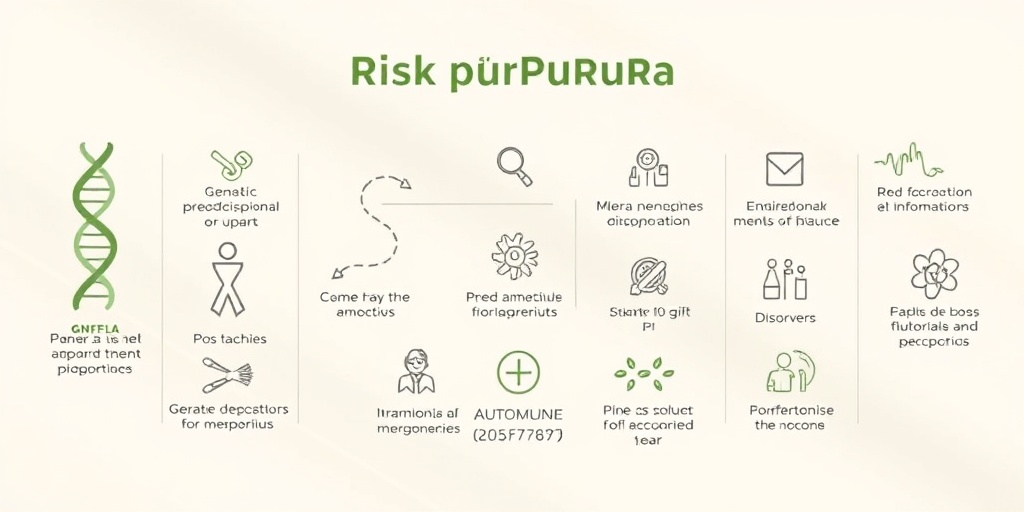
Risk Factors for Purpura
Understanding the risk factors for purpura is vital for early detection and intervention. Purpura can manifest in various forms, including ITP, and recognizing these risk factors can help in managing the condition effectively.
Age and Gender
ITP can affect individuals of any age, but it is more commonly diagnosed in children and adults aged 20 to 50. Additionally, women are more likely to develop ITP than men, particularly during their reproductive years. This gender disparity may be linked to hormonal differences that influence immune function.
Previous Infections
As mentioned earlier, a history of certain viral infections can increase the risk of developing ITP. If you have experienced infections like HIV or Hepatitis C, it’s essential to monitor your platelet levels regularly, as these infections can lead to complications such as purpura.
Other Autoimmune Disorders
Individuals with other autoimmune disorders, such as lupus or rheumatoid arthritis, are at a higher risk of developing ITP. The presence of one autoimmune condition can predispose the body to develop additional autoimmune responses, including those that affect platelet counts.
Family History
A family history of autoimmune diseases can also be a significant risk factor. If you have relatives with conditions like ITP, it may be beneficial to discuss your health history with your doctor, as this information can guide monitoring and preventive measures.
Environmental Factors
Exposure to certain environmental factors, such as toxins or chemicals, may also contribute to the development of ITP. While research is ongoing, it’s wise to be aware of your surroundings and minimize exposure to harmful substances whenever possible.
In summary, understanding the causes of ITP and the risk factors for purpura can empower individuals to take proactive steps in managing their health. If you experience symptoms such as easy bruising or unusual bleeding, consult a healthcare professional for a thorough evaluation and appropriate care. 🌟
Diagnosing ITP
Diagnosing Immune Thrombocytopenic Purpura (ITP) can be a complex process, as it often requires a thorough evaluation of various factors. ITP is characterized by a low platelet count, which can lead to easy bruising and bleeding. Here’s how healthcare professionals typically approach the diagnosis:
Initial Assessment
The first step in diagnosing ITP involves a detailed medical history and physical examination. Your doctor will ask about:
- Your symptoms, such as bruising, bleeding, or fatigue.
- Any recent infections or illnesses.
- Your family history of bleeding disorders.
- Medications you are currently taking, as some can affect platelet levels.
Blood Tests
Once the initial assessment is complete, your doctor will likely order several blood tests to confirm the diagnosis:
- Complete Blood Count (CBC): This test measures the number of platelets in your blood. A low platelet count is indicative of ITP.
- Peripheral Blood Smear: This test examines the shape and size of blood cells, helping to rule out other conditions.
- Bone Marrow Biopsy: In some cases, a bone marrow biopsy may be necessary to determine if the bone marrow is producing enough platelets.
Exclusion of Other Conditions
It’s essential to rule out other potential causes of low platelet counts, such as:
- Bone marrow disorders
- Liver disease
- Autoimmune diseases
- Infections
Once other conditions are excluded, and if the diagnosis of ITP is confirmed, your healthcare provider will discuss treatment options tailored to your specific situation. Remember, early diagnosis can significantly improve management and outcomes! 🩺
Complications of Purpura
Purpura Hemorrhagica ITP can lead to several complications, primarily due to the low platelet count associated with the condition. Understanding these complications is crucial for effective management and prevention. Here are some of the most common complications:
Severe Bleeding Episodes
One of the most significant risks associated with ITP is the potential for severe bleeding. This can manifest in various ways, including:
- Gastrointestinal Bleeding: This can occur in the form of blood in the stool or vomit.
- Intracranial Hemorrhage: A rare but serious complication where bleeding occurs in the brain, which can be life-threatening.
- Heavy Menstrual Bleeding: Women with ITP may experience heavier than normal menstrual periods.
Chronic Fatigue
Many individuals with ITP report experiencing chronic fatigue. This can be attributed to the body’s ongoing struggle to maintain adequate platelet levels and the stress of managing the condition. Fatigue can significantly impact daily life, making it essential to address this symptom with your healthcare provider.
Emotional and Psychological Impact
Living with a chronic condition like ITP can take a toll on mental health. Patients may experience:
- Anxiety: Concerns about bleeding episodes can lead to heightened anxiety levels.
- Depression: The chronic nature of the disease and its impact on lifestyle can contribute to feelings of sadness or hopelessness.
It’s important to seek support from mental health professionals or support groups to help manage these emotional challenges. 💚
Long-term Health Risks
While most individuals with ITP can manage their condition effectively, there are potential long-term health risks to consider:
- Increased Risk of Other Autoimmune Disorders: Some studies suggest that individuals with ITP may be at a higher risk for developing other autoimmune conditions.
- Impact on Quality of Life: Chronic health issues can affect overall quality of life, including work, social interactions, and physical activities.
Understanding these complications can empower patients to take proactive steps in managing their health and seeking appropriate care. Always consult with your healthcare provider for personalized advice and treatment options! 🌟

Treatment Options for ITP
Immune Thrombocytopenic Purpura (ITP), also known as Purpura Hemorrhagica ITP, is a condition characterized by low platelet counts, leading to easy bruising and bleeding. Understanding the treatment options available is crucial for managing this condition effectively. Here, we’ll explore various treatment strategies that can help individuals with ITP.
1. Observation and Monitoring
In cases where symptoms are mild and platelet counts are not critically low, doctors may recommend a strategy of observation and monitoring. This approach involves regular check-ups to track platelet levels and assess any changes in symptoms. Many individuals with ITP may not require immediate treatment, especially if they are asymptomatic.
2. Medications
Several medications can help increase platelet counts or manage symptoms associated with ITP:
- Corticosteroids: These are often the first line of treatment. They work by suppressing the immune system, which can help increase platelet production.
- Intravenous Immunoglobulin (IVIG): This treatment can provide a temporary boost in platelet counts by blocking the antibodies that destroy platelets.
- Anti-D immunoglobulin: This is effective for individuals who have Rh-positive blood and can help increase platelet counts by preventing their destruction.
- Thrombopoietin receptor agonists: Medications like eltrombopag and romiplostim stimulate the bone marrow to produce more platelets.
3. Surgical Options
For individuals with severe ITP who do not respond to medication, surgical options may be considered:
- Splenectomy: This surgical procedure involves the removal of the spleen, an organ that plays a significant role in the destruction of platelets. Many patients experience an increase in platelet counts after this surgery.
4. Lifestyle Modifications
In addition to medical treatments, certain lifestyle changes can help manage ITP:
- Avoiding injuries: Individuals with low platelet counts should take precautions to prevent injuries that could lead to bleeding.
- Healthy diet: A balanced diet rich in vitamins and minerals can support overall health and may help improve platelet function.
- Regular check-ups: Keeping up with regular medical appointments is essential for monitoring the condition and adjusting treatment as necessary.
Living with Purpura Hemorrhagica
Living with Purpura Hemorrhagica ITP can be challenging, but with the right strategies and support, individuals can lead fulfilling lives. Here are some tips for managing daily life with ITP:
1. Understanding Your Condition
Knowledge is power. Understanding ITP, its symptoms, and treatment options can empower individuals to make informed decisions about their health. Joining support groups or online forums can also provide valuable insights and emotional support from others facing similar challenges.
2. Communicating with Healthcare Providers
Open communication with healthcare providers is vital. Regular discussions about symptoms, treatment effectiveness, and any concerns can help tailor a management plan that works best for the individual. Don’t hesitate to ask questions or express concerns during appointments.
3. Managing Symptoms
Individuals with ITP may experience symptoms like easy bruising and fatigue. Here are some strategies to manage these symptoms:
- Rest: Prioritize rest and avoid overexertion to combat fatigue.
- Skin care: Use gentle skin care products to minimize irritation and avoid activities that could lead to bruising.
- Stress management: Engage in stress-reducing activities such as yoga, meditation, or deep-breathing exercises to promote overall well-being.
4. Staying Informed About Emergencies
It’s essential to know when to seek medical attention. If symptoms worsen or if there are signs of significant bleeding, such as blood in urine or stool, immediate medical help should be sought. Having a plan in place can help alleviate anxiety during emergencies.
Living with Purpura Hemorrhagica ITP requires a proactive approach to health management. By understanding treatment options and implementing effective coping strategies, individuals can navigate their condition with confidence and resilience. 🌟

Frequently Asked Questions about Purpura Hemorrhagica ITP
What is Purpura Hemorrhagica ITP?
Purpura Hemorrhagica ITP, or Immune Thrombocytopenic Purpura, is a condition characterized by a low platelet count, leading to easy bruising and bleeding. It occurs when the immune system mistakenly attacks and destroys platelets, which are essential for blood clotting.
What causes low platelets in ITP?
In ITP, the body’s immune system produces antibodies that target and destroy platelets. This can be triggered by various factors, including infections, certain medications, or underlying health conditions. Understanding the cause is crucial for effective management.
Can low platelets cause purpura?
Yes, low platelets can lead to purpura. When platelet levels drop significantly, small blood vessels can bleed, resulting in purple or red spots on the skin known as purpura. This is a common symptom of ITP.
What are petechiae, and how are they related to ITP?
Petechiae are tiny, pinpoint-sized red or purple spots that appear on the skin due to bleeding under the skin. They are often associated with conditions like ITP, where low platelet counts prevent proper clotting, leading to these small hemorrhages.
How is Purpura Hemorrhagica ITP diagnosed?
Diagnosis typically involves a physical examination, a review of medical history, and blood tests to measure platelet levels. Additional tests may be conducted to rule out other conditions that could cause low platelet counts.
What treatments are available for ITP?
Treatment options for Purpura Hemorrhagica ITP may include medications to boost platelet production, immunosuppressants to reduce the immune response, or in severe cases, surgical options like splenectomy (removal of the spleen).
Can lifestyle changes help manage ITP symptoms?
While lifestyle changes alone may not cure ITP, they can help manage symptoms. Maintaining a healthy diet, avoiding activities that increase the risk of injury, and managing stress can contribute to overall well-being.
Is ITP a lifelong condition?
For some individuals, Purpura Hemorrhagica ITP may be a chronic condition, while others may experience remission. Regular monitoring and consultation with a healthcare provider are essential for managing the condition effectively.
When should I seek medical attention for ITP?
If you experience symptoms such as excessive bruising, prolonged bleeding, or any sudden changes in your health, it is important to seek medical attention promptly. Early intervention can help prevent complications.