What Is Heart Disease?
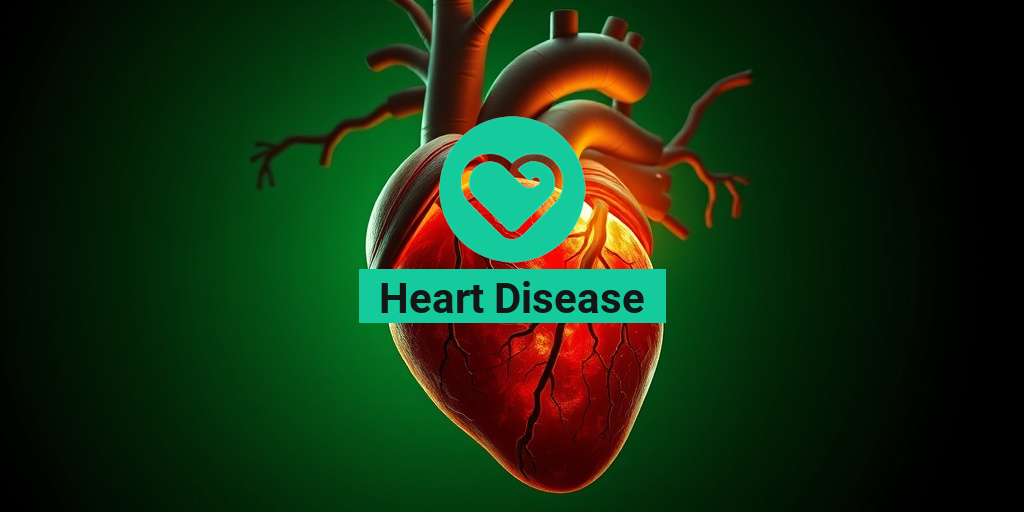
Heart disease is a broad term that encompasses various conditions affecting the heart’s structure and function. It is one of the leading causes of death worldwide, making it a significant public health concern. Understanding heart disease is crucial for prevention and management.
Types of Heart Disease
There are several types of heart disease, each with its own causes and symptoms. Here are some of the most common:
- Coronary Artery Disease (CAD): This is the most prevalent type, caused by the buildup of plaque in the coronary arteries, which supply blood to the heart muscle.
- Heart Attack: Often a result of CAD, a heart attack occurs when blood flow to a part of the heart is blocked, causing damage to the heart muscle.
- Heart Failure: This condition arises when the heart cannot pump blood effectively, leading to fatigue and fluid buildup in the lungs and other body parts.
- Arrhythmias: These are irregular heartbeats that can lead to complications if not managed properly.
- Valvular Heart Disease: This involves damage to one or more of the heart valves, affecting blood flow within the heart.
Causes of Heart Disease
The causes of heart disease can be multifactorial, including:
- Genetics: A family history of heart disease can increase your risk.
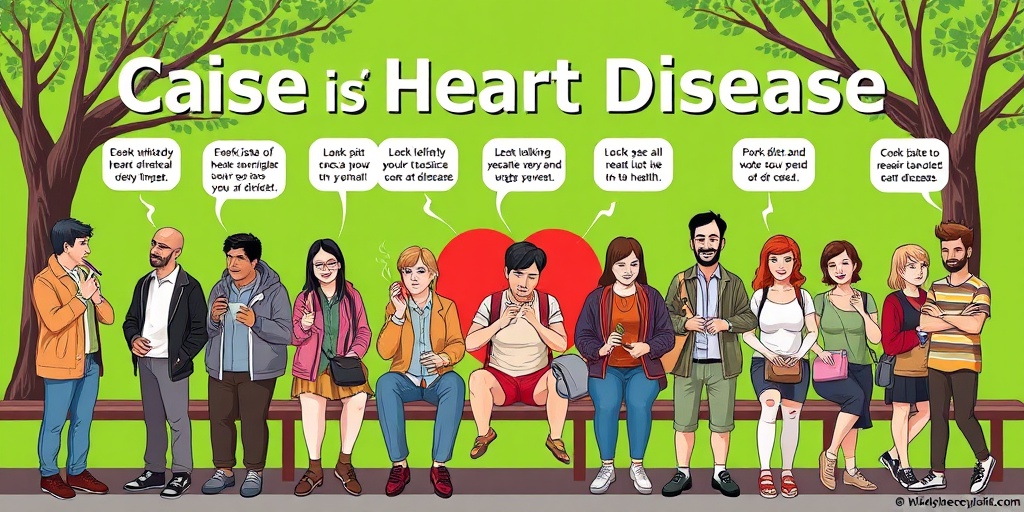
- Lifestyle Factors: Poor diet, lack of exercise, smoking, and excessive alcohol consumption can contribute significantly.
- Medical Conditions: Conditions such as high blood pressure, diabetes, and high cholesterol can elevate the risk of developing heart disease.
Understanding these factors is essential for prevention. Regular check-ups and lifestyle modifications can significantly reduce your risk of heart disease.
Heart Disease Symptoms
Recognizing the symptoms of heart disease is vital for early intervention and treatment. Symptoms can vary between men and women, and being aware of these differences can save lives.
Common Symptoms in Men
Men often experience more classic symptoms of heart disease, which may include:
- Chest Pain or Discomfort: Often described as a feeling of pressure, squeezing, or fullness.
- Shortness of Breath: This may occur during physical activity or at rest.
- Fatigue: Unusual tiredness can be a warning sign, especially if it occurs suddenly.
- Heart Palpitations: An irregular heartbeat can indicate underlying heart issues.
Common Symptoms in Women
Women may experience different or less obvious symptoms, which can sometimes lead to misdiagnosis. Common symptoms include:
- Chest Pain: While women can experience chest pain, they may also have other symptoms that are less typical.
- Jaw, Neck, or Back Pain: Discomfort in these areas can be a sign of heart disease.
- Nausea or Vomiting: These symptoms can be mistaken for other conditions.
- Shortness of Breath: Similar to men, this can occur during physical activity or at rest.
When to Seek Medical Attention
If you or someone you know experiences symptoms of heart disease, it is crucial to seek medical attention immediately. Early diagnosis and treatment can significantly improve outcomes. Remember, heart disease symptoms can vary, and being aware of them can be life-saving.
For more information on heart disease and its management, consider visiting Yesil Health AI, a valuable resource for evidence-based health answers. Stay informed and take proactive steps towards a healthier heart! ❤️

Heart Disease Risk Factors
Heart disease remains one of the leading causes of death worldwide, affecting millions of individuals each year. Understanding the risk factors associated with heart disease is crucial for prevention and early intervention. Here, we’ll explore the various factors that can increase your risk of developing heart disease.
1. Unhealthy Lifestyle Choices
Your daily habits play a significant role in your heart health. Some of the most impactful lifestyle choices include:
- Poor Diet: A diet high in saturated fats, trans fats, cholesterol, and sodium can lead to heart disease. Foods like processed snacks, red meats, and sugary beverages should be consumed in moderation.
- Lack of Physical Activity: Sedentary lifestyles contribute to obesity and high blood pressure, both of which are major risk factors for heart disease. Aim for at least 150 minutes of moderate exercise each week.
- Smoking: Tobacco use is a significant risk factor, as it damages blood vessels and reduces oxygen in the blood, increasing the likelihood of heart disease.
2. Medical Conditions
Several medical conditions can elevate your risk of heart disease:
- High Blood Pressure: Hypertension can cause damage to your arteries, making them less elastic and more prone to blockages.
- High Cholesterol: Elevated levels of LDL (bad cholesterol) can lead to plaque buildup in your arteries, increasing the risk of heart attacks.
- Diabetes: High blood sugar levels can damage blood vessels and nerves that control the heart, significantly increasing the risk of heart disease.
3. Family History and Genetics
Your family history can also play a crucial role in your heart health. If heart disease runs in your family, you may be at a higher risk due to genetic factors. Understanding your family’s health history can help you and your healthcare provider take proactive measures.
4. Age and Gender
As you age, your risk of heart disease increases. Men typically face a higher risk at a younger age compared to women. However, after menopause, women’s risk increases and can surpass that of men. It’s essential to monitor heart health as you age, regardless of gender.
5. Stress and Mental Health
Chronic stress and mental health issues such as depression and anxiety can also contribute to heart disease. Stress can lead to unhealthy coping mechanisms like overeating or smoking, which further increase risk. Managing stress through relaxation techniques, exercise, and therapy can be beneficial for heart health.
Heart Disease Causes
Understanding the causes of heart disease is vital for prevention and treatment. Heart disease is often the result of a combination of factors that affect the heart and blood vessels. Here are some of the primary causes:
1. Atherosclerosis
Atherosclerosis is a condition where plaque builds up in the arteries, narrowing them and restricting blood flow. This buildup can lead to serious complications, including heart attacks and strokes. Factors contributing to atherosclerosis include:
- High Cholesterol: As mentioned earlier, high levels of LDL cholesterol can lead to plaque formation.
- High Blood Pressure: This condition can damage the arteries over time, making them more susceptible to plaque buildup.
2. Coronary Artery Disease (CAD)
CAD is the most common type of heart disease and occurs when the coronary arteries become narrowed or blocked. This can lead to chest pain (angina) or heart attacks. Risk factors for CAD include:
- Smoking: As previously noted, smoking significantly increases the risk of CAD.
- Diabetes: Poorly managed diabetes can lead to damage in the coronary arteries.
3. Heart Valve Disease
Heart valve disease occurs when one or more of the heart’s valves do not function properly, affecting blood flow. Causes can include:
- Congenital Heart Defects: Some individuals are born with heart valve issues.
- Infections: Conditions like endocarditis can damage heart valves.
4. Cardiomyopathy
This condition affects the heart muscle, making it harder for the heart to pump blood. Causes of cardiomyopathy can include:
- Genetic Factors: Family history can play a significant role.
- Alcohol and Drug Abuse: Excessive use can weaken the heart muscle.
5. Arrhythmias
Arrhythmias are irregular heartbeats that can lead to complications such as stroke or heart failure. They can be caused by:
- Electrolyte Imbalances: Low levels of potassium or magnesium can affect heart rhythm.
- Heart Disease: Existing heart conditions can lead to arrhythmias.
By understanding the risk factors and causes of heart disease, individuals can take proactive steps to protect their heart health. Regular check-ups, a healthy lifestyle, and awareness of personal risk factors are essential in the fight against heart disease. ❤️
Heart Disease Diagnosis
Diagnosing heart disease is a critical step in managing this prevalent condition. Early detection can significantly improve treatment outcomes and reduce the risk of severe complications. Here’s a closer look at how healthcare professionals diagnose heart disease.
Common Diagnostic Tests
When you visit a healthcare provider with concerns about your heart health, they may recommend several tests to assess your condition. Some of the most common diagnostic tests include:
- Electrocardiogram (ECG or EKG): This test records the electrical activity of your heart and can help identify irregularities in heart rhythm.
- Echocardiogram: An ultrasound of the heart, this test provides images that help doctors evaluate the heart’s structure and function.
- Stress Test: This test measures how your heart performs under physical stress, often using a treadmill or stationary bike.
- Blood Tests: These can check for markers of heart disease, such as cholesterol levels and other substances that indicate heart damage.
- Coronary Angiography: A specialized X-ray that uses dye to visualize the blood vessels in the heart, helping to identify blockages.
Recognizing Symptoms
Understanding the symptoms of heart disease is crucial for early diagnosis. While symptoms can vary between individuals, some common signs include:
- Chest Pain or Discomfort: Often described as a feeling of pressure, squeezing, or fullness.
- Shortness of Breath: This can occur during physical activity or at rest.
- Fatigue: Unusual tiredness can be a significant indicator, especially in women.
- Palpitations: A sensation of a racing or irregular heartbeat.
- Swelling: Fluid retention in the legs, ankles, or feet can signal heart issues.
It’s essential to consult a healthcare professional if you experience any of these symptoms, especially if they are new or worsening. Early intervention can lead to better management of heart disease.
Heart Disease Treatment Options
Once diagnosed, the next step is to explore treatment options for heart disease. Treatment plans are tailored to the individual, considering the type and severity of the disease, as well as the patient’s overall health. Here are some common treatment strategies:
Lifestyle Changes
Making healthy lifestyle changes is often the first line of defense against heart disease. These changes can significantly impact heart health:
- Diet: Adopting a heart-healthy diet rich in fruits, vegetables, whole grains, and lean proteins can help lower cholesterol and blood pressure.
- Exercise: Regular physical activity strengthens the heart and improves circulation. Aim for at least 150 minutes of moderate aerobic activity each week.
- Quit Smoking: Smoking cessation is one of the most effective ways to improve heart health.
- Weight Management: Maintaining a healthy weight reduces the strain on the heart and lowers the risk of complications.
Medications
In many cases, medications are necessary to manage heart disease. Common types of medications include:
- Antiplatelet Agents: These medications, such as aspirin, help prevent blood clots.
- Beta-Blockers: Used to lower blood pressure and reduce heart workload.
- Statins: These drugs help lower cholesterol levels and reduce the risk of heart attacks.
- ACE Inhibitors: These medications help relax blood vessels and lower blood pressure.
Procedures and Surgery
In more severe cases of heart disease, medical procedures or surgery may be necessary. Some options include:
- Angioplasty and Stenting: A procedure to open blocked arteries and place a stent to keep them open.
- Coronary Bypass Surgery: This surgery creates a new pathway for blood to flow to the heart by bypassing blocked arteries.
- Heart Valve Repair or Replacement: Procedures to fix or replace damaged heart valves.
Each treatment option has its benefits and risks, and the best approach will depend on individual circumstances. Always consult with a healthcare provider to determine the most appropriate treatment plan for your specific situation.

Heart Disease Prevention
Heart disease is one of the leading causes of death worldwide, but the good news is that many cases are preventable. By adopting a heart-healthy lifestyle, you can significantly reduce your risk. Here are some effective strategies for preventing heart disease.
Maintain a Healthy Diet
Your diet plays a crucial role in heart health. Focus on incorporating the following foods into your meals:
- Fruits and Vegetables: Aim for a variety of colors on your plate. These foods are rich in vitamins, minerals, and antioxidants that support heart health.
- Whole Grains: Foods like brown rice, quinoa, and whole-grain bread can help lower cholesterol levels.
- Lean Proteins: Opt for fish, poultry, beans, and legumes instead of red meat to reduce saturated fat intake.
- Healthy Fats: Incorporate sources of omega-3 fatty acids, such as salmon, walnuts, and flaxseeds, while limiting trans fats and saturated fats.
Stay Physically Active
Regular physical activity is essential for maintaining a healthy heart. Aim for at least 150 minutes of moderate aerobic exercise each week. Activities like walking, cycling, swimming, or dancing can help improve your cardiovascular health. 🏃♂️
Manage Stress
Chronic stress can contribute to heart disease. Finding effective ways to manage stress is vital. Consider practices such as:
- Meditation: This can help calm your mind and reduce anxiety.
- Yoga: Combining physical activity with mindfulness can be beneficial for heart health.
- Deep Breathing Exercises: Simple breathing techniques can help lower stress levels.
Avoid Tobacco and Limit Alcohol
Smoking is a significant risk factor for heart disease. If you smoke, seek help to quit. Additionally, if you consume alcohol, do so in moderation. For most adults, this means up to one drink per day for women and two drinks per day for men. 🍷
Regular Health Screenings
Regular check-ups with your healthcare provider can help monitor your heart health. Key screenings include:
- Blood Pressure: High blood pressure can damage your arteries and increase heart disease risk.
- Cholesterol Levels: Keeping track of your cholesterol can help you make necessary dietary changes.
- Blood Sugar Levels: Monitoring your blood sugar can help detect diabetes, which is a risk factor for heart disease.
Living with Heart Disease
Receiving a diagnosis of heart disease can be overwhelming, but understanding how to manage your condition can lead to a fulfilling life. Here are some tips for living with heart disease.
Follow Your Treatment Plan
Adhering to your prescribed treatment plan is crucial. This may include medications, lifestyle changes, and regular check-ups. Always communicate with your healthcare provider about any concerns or side effects you experience. 💊
Adopt a Heart-Healthy Lifestyle
Even after a diagnosis, maintaining a heart-healthy lifestyle is essential. Continue to focus on:
- Balanced Diet: Stick to the dietary recommendations provided by your healthcare team.
- Regular Exercise: Engage in physical activity as advised by your doctor, which can help strengthen your heart.
- Weight Management: Maintaining a healthy weight can reduce strain on your heart.
Stay Informed and Educated
Knowledge is power. Educate yourself about your condition, treatment options, and potential complications. This can empower you to make informed decisions about your health. 📚
Build a Support System
Having a strong support system can make a significant difference in your journey. Connect with family, friends, or support groups who understand what you’re going through. Sharing experiences and advice can provide emotional relief and practical tips.
Monitor Your Symptoms
Be vigilant about any changes in your symptoms. If you experience new or worsening symptoms, such as chest pain, shortness of breath, or fatigue, contact your healthcare provider immediately. Early intervention can be critical in managing heart disease effectively.
Living with heart disease requires ongoing commitment and care, but with the right strategies and support, you can lead a healthy and active life. ❤️

Frequently Asked Questions about Heart Disease
What is heart disease?
Heart disease refers to a range of conditions that affect the heart, including coronary artery disease, heart rhythm problems (arrhythmias), and heart defects. It is a leading cause of death worldwide.
What are the common symptoms of heart disease?
Common heart disease symptoms include:
- Chest pain or discomfort
- Shortness of breath
- Fatigue
- Heart palpitations
- Swelling in the legs, ankles, or feet
Are heart disease symptoms different in women?
Yes, heart disease symptoms in women can differ from those in men. Women may experience symptoms such as nausea, indigestion, or shoulder pain, which are less common in men.
What are the main causes of heart disease?
The primary heart disease causes include:
- High blood pressure
- High cholesterol levels
- Smoking
- Diabetes
- Obesity
- Lack of physical activity
- Unhealthy diet
What types of heart disease are there?
There are several heart disease types, including:
- Coronary artery disease
- Heart failure
- Arrhythmias
- Heart valve disease
- Congenital heart defects
How is heart disease treated?
Treatment for heart disease may involve lifestyle changes, medications, or surgical procedures. Common treatments include:
- Medications to lower blood pressure and cholesterol
- Cardiac rehabilitation programs
- Angioplasty and stenting
- Bypass surgery
Can heart disease be predicted?
Yes, there are tools and datasets available for heart disease prediction. These often analyze risk factors such as age, family history, and lifestyle choices to assess an individual’s risk.
How can I reduce my risk of heart disease?
To lower your risk of developing heart disease, consider the following tips:
- Maintain a healthy diet rich in fruits, vegetables, and whole grains
- Engage in regular physical activity
- Avoid smoking and limit alcohol consumption
- Manage stress effectively
- Regularly monitor your blood pressure and cholesterol levels
Where can I find more information about heart disease?
For more detailed information, consult healthcare professionals or visit reputable health websites that specialize in cardiovascular health. 📚