What Is Osgood Schlatter?
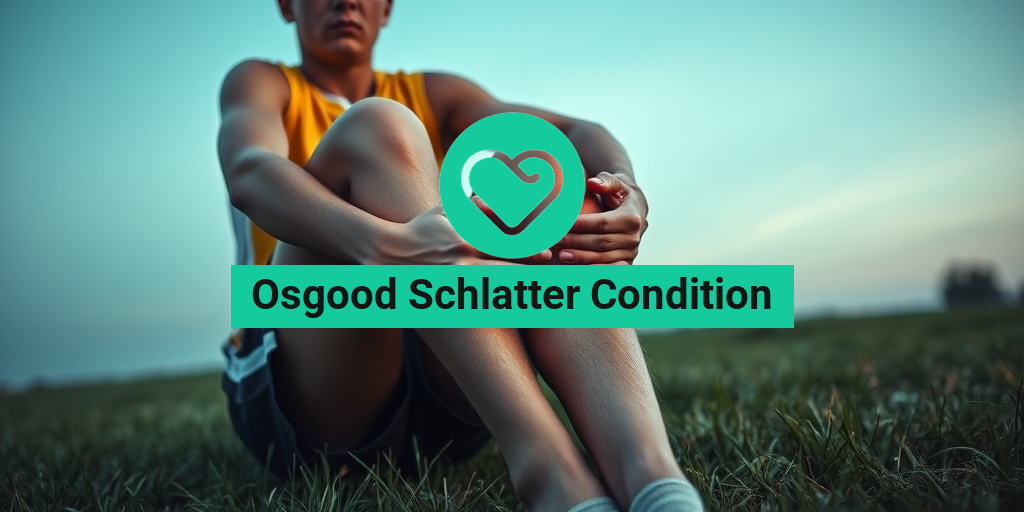
The Osgood Schlatter condition is a common knee disorder that primarily affects adolescents, particularly those who are active in sports. It is characterized by pain and swelling just below the knee, where the patellar tendon attaches to the shinbone (tibia). This condition is named after the American orthopedic surgeon Robert Osgood and the Swiss surgeon Carl Schlatter, who independently described it in the early 20th century.
Osgood Schlatter is often seen in children aged 10 to 15 years, especially during periods of rapid growth. The condition is more prevalent in boys than girls, although the gap is narrowing as more girls participate in sports. The repetitive stress on the knee from activities such as running, jumping, and kneeling can lead to inflammation of the growth plate at the tibial tuberosity, resulting in pain and discomfort.
Why Does Osgood Schlatter Occur?
The underlying cause of the Osgood Schlatter condition is mechanical stress on the knee joint. When children engage in high-impact sports, the muscles and tendons around the knee can pull on the growth plate, leading to irritation and inflammation. This is particularly common during growth spurts when bones grow faster than muscles and tendons can adapt.
Some factors that may contribute to the development of Osgood Schlatter include:
- High levels of physical activity: Sports that involve running, jumping, or sudden changes in direction can increase the risk.
- Growth spurts: Rapid growth can put additional stress on the knee joint.
- Muscle tightness: Tight quadriceps or hamstring muscles can exacerbate the condition.
Osgood Schlatter Symptoms
Recognizing the symptoms of the Osgood Schlatter disorder is crucial for early intervention and management. The most common symptoms include:
Pain and Tenderness
The hallmark of Osgood Schlatter is pain just below the knee, specifically at the tibial tuberosity. This pain may worsen with physical activity, especially during sports that involve running or jumping. Tenderness in this area is also common, and children may experience discomfort when kneeling or climbing stairs.
Swelling
In addition to pain, swelling may occur around the knee joint. This swelling is often localized to the area just below the kneecap and can be accompanied by a noticeable bump. The bump is a result of the inflammation of the growth plate and may become more pronounced with activity.
Stiffness
Children with Osgood Schlatter may also experience stiffness in the knee, particularly after periods of inactivity. This stiffness can make it challenging to fully extend the leg or participate in sports without discomfort.
Worsening Symptoms with Activity
One of the defining features of the Osgood Schlatter condition is that symptoms typically worsen with physical activity and improve with rest. Parents and coaches should be aware of this pattern, as it can help in identifying the condition early on.
When to Seek Medical Attention
If your child is experiencing persistent knee pain, swelling, or difficulty with movement, it is essential to consult a healthcare professional. A proper diagnosis can help rule out other conditions and ensure appropriate treatment. In many cases, the symptoms of Osgood Schlatter will resolve with conservative management, including rest, ice, and physical therapy.
For more information on managing Osgood Schlatter and other health conditions, consider visiting Yesil Health AI, a valuable resource for evidence-based health answers.
In conclusion, understanding the Osgood Schlatter condition and its symptoms can empower parents and young athletes to take proactive steps in managing this common knee disorder. With proper care and attention, most children can continue to participate in their favorite sports while minimizing discomfort. 🏃♂️🏀
Causes of Osgood Schlatter
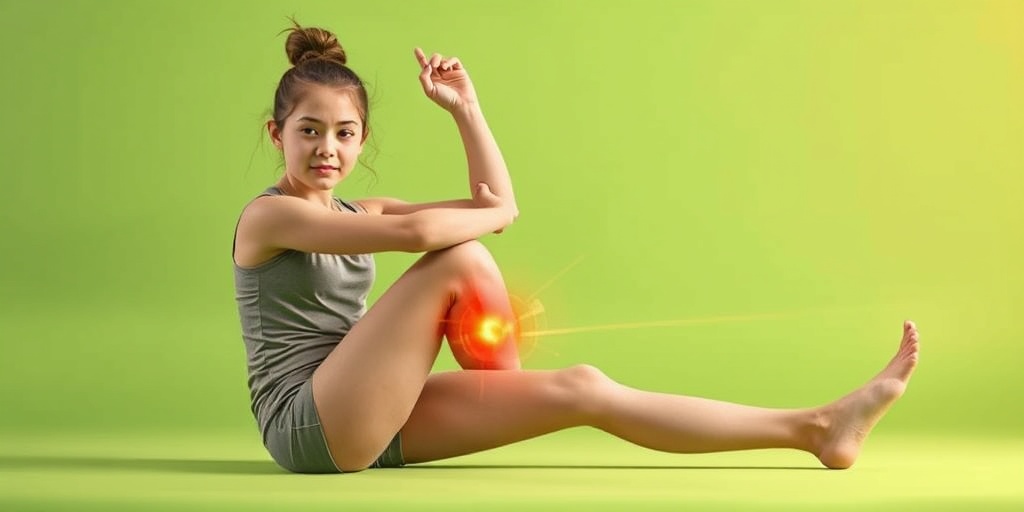
The Osgood Schlatter condition is a common knee issue that primarily affects adolescents, particularly those who are active in sports. Understanding the causes of this condition is crucial for both prevention and management. Here are the primary factors that contribute to the development of Osgood Schlatter:
Growth Spurts
During periods of rapid growth, particularly in pre-teens and teenagers, the bones, muscles, and tendons grow at different rates. This discrepancy can lead to increased tension on the knee joint, particularly at the tibial tuberosity, where the patellar tendon attaches. This tension can cause inflammation and pain, characteristic of Osgood Schlatter.
Repetitive Stress
Engaging in sports that involve running, jumping, or kneeling can put repetitive stress on the knee. Activities such as basketball, soccer, and gymnastics are common culprits. The constant strain can lead to irritation and inflammation of the knee, exacerbating the symptoms of Osgood Schlatter.
Biomechanical Factors
Individual biomechanics play a significant role in the development of this condition. Factors such as flat feet, improper alignment of the legs, or tight muscles can contribute to abnormal stress on the knee joint. These biomechanical issues can increase the likelihood of developing Osgood Schlatter, especially in active adolescents.
Muscle Imbalances
Weakness or tightness in the muscles surrounding the knee can also lead to Osgood Schlatter. For instance, tight quadriceps or hamstrings can place additional strain on the knee joint, increasing the risk of inflammation and pain. Strengthening and stretching these muscle groups can be beneficial in managing and preventing the condition.
Risk Factors for Osgood Schlatter
While anyone can develop the Osgood Schlatter disorder, certain risk factors can increase the likelihood of experiencing this condition. Understanding these factors can help in early identification and intervention:
Age and Gender
Osgood Schlatter is most commonly seen in children and adolescents aged 10 to 15 years. It is particularly prevalent in boys, although girls are increasingly affected, especially those involved in sports. The onset of puberty and the associated growth spurts are significant contributors to the condition.
Physical Activity Level
Active children and teenagers who participate in sports are at a higher risk of developing Osgood Schlatter. The more intense and frequent the physical activity, the greater the risk. Sports that involve running, jumping, or sudden changes in direction can particularly increase the strain on the knee.
Previous Injuries
Children who have previously experienced knee injuries may be more susceptible to developing Osgood Schlatter. Past trauma can lead to altered biomechanics or muscle imbalances, which can increase the risk of inflammation at the tibial tuberosity.
Family History
A family history of Osgood Schlatter can also be a risk factor. If parents or siblings have experienced this condition, there may be a genetic predisposition that increases the likelihood of its occurrence in younger family members.
High-Impact Sports Participation
Participation in high-impact sports, such as football, basketball, or track and field, can significantly elevate the risk of developing Osgood Schlatter. The repetitive jumping and running associated with these activities can lead to increased stress on the knee joint, making it more susceptible to inflammation.
In summary, the Osgood Schlatter condition is influenced by a combination of growth patterns, physical activity, and individual biomechanics. Recognizing the causes and risk factors can help in managing symptoms effectively and preventing further complications. If you or your child are experiencing knee pain, especially during physical activities, it’s essential to consult a healthcare professional for proper evaluation and treatment. 🏃♂️💪

Diagnosing Osgood Schlatter
Diagnosing the Osgood Schlatter condition typically involves a combination of physical examinations and imaging tests. This condition is most common in adolescents who are active in sports, particularly those that involve running, jumping, or kneeling. Here’s how healthcare professionals typically approach the diagnosis:
Physical Examination
During a physical examination, your doctor will:
- Assess your medical history, including any symptoms you’ve experienced.
- Check for swelling, tenderness, or pain below the kneecap, which is a hallmark sign of the condition.
- Evaluate your range of motion and strength in the knee.
One of the key indicators of Osgood Schlatter disorder is pain that worsens with activity and improves with rest. The pain is often localized to the tibial tuberosity, the bony prominence just below the kneecap.
Imaging Tests
If the physical examination suggests Osgood Schlatter disorder, your doctor may recommend imaging tests to confirm the diagnosis. Common tests include:
- X-rays: These can help rule out other conditions and show any changes in the bone structure.
- MRI: In some cases, an MRI may be used to assess the soft tissues around the knee and determine the extent of inflammation.
It’s important to note that while imaging tests can provide valuable information, the diagnosis of Osgood Schlatter condition is primarily based on clinical findings and symptoms.
Osgood Schlatter Treatment Options
Treating the Osgood Schlatter condition focuses on relieving pain and inflammation while allowing the affected area to heal. Here are some effective treatment options:
Rest and Activity Modification
One of the first steps in managing Osgood Schlatter disorder is to reduce activities that exacerbate the pain. This may involve:
- Taking a break from sports or activities that involve running and jumping.
- Incorporating low-impact exercises, such as swimming or cycling, to maintain fitness without stressing the knee.
Ice Therapy
Applying ice to the affected area can help reduce swelling and alleviate pain. It’s recommended to:
- Ice the knee for 15-20 minutes several times a day, especially after activities.
- Use a cloth or towel to protect the skin from direct contact with ice.
Over-the-Counter Pain Relief
Nonsteroidal anti-inflammatory drugs (NSAIDs), such as ibuprofen or naproxen, can be effective in managing pain and inflammation associated with Osgood Schlatter condition. Always consult with a healthcare provider before starting any medication.
Physical Therapy
In some cases, physical therapy may be recommended to strengthen the muscles around the knee and improve flexibility. A physical therapist can design a personalized exercise program that may include:
- Stretching exercises to improve flexibility in the quadriceps and hamstrings.
- Strengthening exercises to support the knee joint.
Bracing and Support
Using a knee brace or support can help stabilize the knee and reduce strain on the tibial tuberosity. This can be particularly beneficial during physical activities.
Surgical Options
In rare cases where conservative treatments do not provide relief, surgical intervention may be considered. This typically involves removing the bony prominence that has formed at the tibial tuberosity. However, surgery is usually a last resort and is not commonly required for Osgood Schlatter disorder.
Overall, the prognosis for individuals with Osgood Schlatter condition is generally positive, with most experiencing relief from symptoms as they reach skeletal maturity. Early diagnosis and appropriate treatment can significantly enhance recovery and return to normal activities. 🏃♂️💪

Home Remedies for Osgood Schlatter
The Osgood Schlatter condition is a common knee issue that primarily affects adolescents, particularly those who are active in sports. It occurs when the knee grows rapidly, leading to pain and inflammation at the tibial tuberosity, where the patellar tendon attaches. If you or your child are dealing with this condition, there are several home remedies that can help alleviate symptoms and promote healing.
1. Rest and Activity Modification
One of the most effective ways to manage the Osgood Schlatter disorder is to allow the affected knee to rest. Reducing activities that put stress on the knee, such as running, jumping, or squatting, can significantly decrease pain and inflammation. Consider switching to low-impact activities like swimming or cycling during recovery. 🏊♂️
2. Ice Therapy
Applying ice to the affected area can help reduce swelling and numb the pain. Use an ice pack wrapped in a cloth and apply it to the knee for 15-20 minutes several times a day, especially after activities that aggravate the condition. This simple remedy can provide immediate relief. ❄️
3. Compression and Elevation
Using a compression bandage can help minimize swelling and provide support to the knee. Additionally, elevating the leg while resting can further reduce inflammation. Aim to keep the knee elevated above heart level whenever possible.
4. Stretching and Strengthening Exercises
Once the acute pain subsides, gentle stretching and strengthening exercises can be beneficial. Focus on stretching the quadriceps, hamstrings, and calf muscles to improve flexibility. Strengthening the muscles around the knee can also provide better support and reduce the risk of future injuries. Consult with a physical therapist for a tailored exercise program.
5. Over-the-Counter Pain Relief
Nonsteroidal anti-inflammatory drugs (NSAIDs) like ibuprofen or naproxen can help manage pain and reduce inflammation. Always consult with a healthcare professional before starting any medication, especially for children.
6. Footwear Considerations
Wearing supportive shoes can make a significant difference in managing the Osgood Schlatter knee condition. Ensure that shoes provide adequate cushioning and arch support. Avoid worn-out shoes, as they can exacerbate knee pain.
Preventing Osgood Schlatter Recurrence
Once you’ve managed the symptoms of the Osgood Schlatter condition, it’s essential to take steps to prevent recurrence. Here are some effective strategies:
1. Gradual Return to Activity
After a period of rest, gradually reintroduce activities. Start with low-impact exercises and slowly increase intensity. This approach helps the body adapt without overwhelming the knee. 🏃♂️
2. Warm-Up and Cool Down
Always include a proper warm-up and cool-down routine in your exercise regimen. Warming up prepares the muscles and joints for activity, while cooling down helps prevent stiffness and soreness. Incorporate dynamic stretches before workouts and static stretches afterward.
3. Strength Training
Incorporating strength training into your routine can help build muscle around the knee, providing better support and stability. Focus on exercises that strengthen the quadriceps, hamstrings, and hip muscles. A strong foundation can significantly reduce the risk of injury.
4. Monitor Growth Spurts
During periods of rapid growth, children may be more susceptible to the Osgood Schlatter disorder. Keep an eye on any changes in activity levels or complaints of knee pain during these times. Adjusting activity levels accordingly can help manage symptoms effectively.
5. Consult a Professional
If knee pain persists or worsens, it’s crucial to consult a healthcare professional. They can provide a comprehensive evaluation and recommend appropriate treatment options, including physical therapy or specialized exercises tailored to the individual’s needs.
By implementing these home remedies and preventive measures, you can effectively manage the Osgood Schlatter condition and reduce the likelihood of recurrence. Remember, early intervention and proper care are key to a successful recovery! 🌟

Frequently Asked Questions about Osgood Schlatter Condition
What is the Osgood Schlatter Condition?
The Osgood Schlatter Condition is a common knee disorder that primarily affects adolescents, particularly those who are active in sports. It is characterized by pain and swelling just below the knee, where the patellar tendon attaches to the shinbone (tibia).
What causes Osgood Schlatter Condition?
This condition is often caused by repetitive stress on the knee joint, particularly during activities that involve running, jumping, or kneeling. The growth plates in young athletes are still developing, making them more susceptible to this type of injury.
What are the symptoms of Osgood Schlatter Condition?
- Pain below the knee, especially during physical activity
- Swelling and tenderness in the affected area
- Increased pain after exercise or activity
- Stiffness in the knee joint
How is Osgood Schlatter Condition diagnosed?
A healthcare professional typically diagnoses the Osgood Schlatter Condition through a physical examination and by discussing the patient’s symptoms and activity level. In some cases, imaging tests like X-rays may be used to rule out other conditions.
What are the treatment options for Osgood Schlatter Condition?
Treatment for the Osgood Schlatter Condition usually involves:
- Rest from activities that cause pain
- Ice therapy to reduce swelling
- Over-the-counter pain relievers like ibuprofen or acetaminophen
- Physical therapy to strengthen the muscles around the knee
Can Osgood Schlatter Condition be prevented?
While it may not be possible to completely prevent the Osgood Schlatter Condition, certain measures can help reduce the risk:
- Warming up before physical activity
- Strengthening exercises for the legs
- Using proper techniques during sports
Is surgery necessary for Osgood Schlatter Condition?
Surgery is rarely needed for the Osgood Schlatter Condition. Most cases resolve with conservative treatment as the child grows and the bones mature. However, if symptoms persist into adulthood, surgical options may be considered.
When should I see a doctor for Osgood Schlatter Condition?
If your child experiences persistent knee pain, swelling, or difficulty in performing daily activities, it is advisable to consult a healthcare professional for an evaluation of the Osgood Schlatter Condition.
Can adults get Osgood Schlatter Condition?
While Osgood Schlatter Condition primarily affects adolescents, adults can experience similar symptoms if they had the condition during their youth. In adults, it may manifest as chronic pain in the knee area.
What activities should be avoided with Osgood Schlatter Condition?
Activities that involve running, jumping, or kneeling should be minimized during the recovery period. It’s essential to listen to the body and avoid any movements that exacerbate the pain.
How long does it take to recover from Osgood Schlatter Condition?
Recovery time varies depending on the severity of the condition and adherence to treatment. Most individuals see improvement within a few weeks to months, but it can take longer for some.