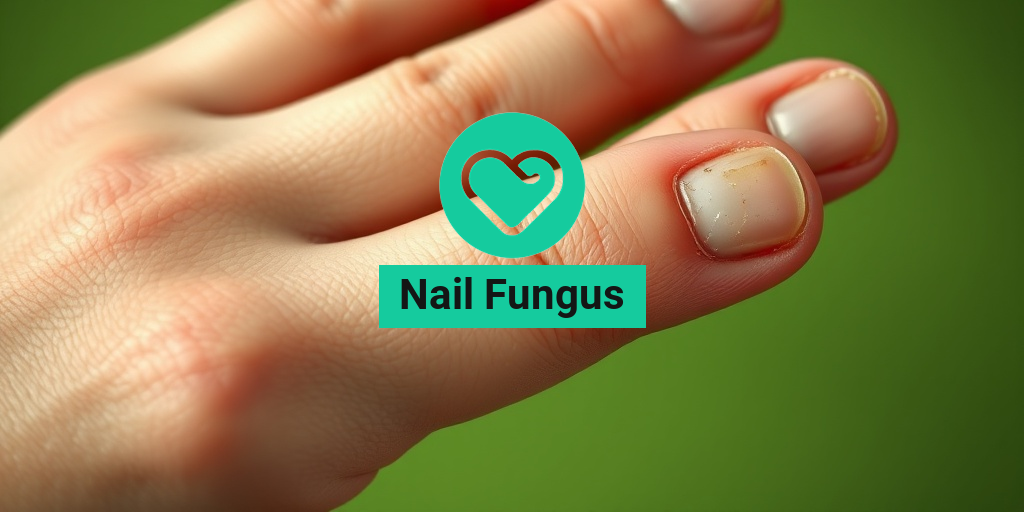
What Is Nail Fungus?
Nail fungus, medically known as onychomycosis, is a common condition that affects the nails, particularly the toenails. It occurs when fungi invade the nail bed, leading to various changes in the nail’s appearance and texture. This condition can be both unsightly and uncomfortable, often causing individuals to feel self-conscious about their feet or hands.
The fungi responsible for nail infections thrive in warm, moist environments, making places like swimming pools, locker rooms, and even your own home a potential breeding ground. Nail fungus can affect anyone, but certain factors can increase your risk, including:
- Age: Older adults are more susceptible due to reduced blood circulation and slower nail growth.
- Health Conditions: Conditions like diabetes, psoriasis, or a weakened immune system can make you more vulnerable.
- Hygiene Practices: Poor foot hygiene or wearing tight-fitting shoes can create an ideal environment for fungi.
- Family History: A genetic predisposition can also play a role in your likelihood of developing nail fungus.
Understanding nail fungus is the first step toward effective treatment. If you suspect you have this condition, it’s essential to consult a healthcare professional for a proper diagnosis and treatment plan. For more detailed information on nail fungus and its implications, you can visit Yesil Health AI, a valuable resource for evidence-based health answers.
Nail Fungus Symptoms
Recognizing the symptoms of nail fungus is crucial for early intervention and effective treatment. The signs can vary from mild to severe, and they often develop gradually. Here are some common symptoms to watch for:
1. Discoloration
One of the most noticeable symptoms of nail fungus is a change in color. The infected nail may turn yellow, brown, or even black. This discoloration can spread from the tip of the nail towards the base.
2. Thickening of the Nail
As the infection progresses, the nail may become thicker than usual. This thickening can make it difficult to trim the nail and may cause discomfort when wearing shoes.
3. Crumbling or Brittle Nails
Nail fungus can lead to nails that crumble or become brittle. This can result in the nail breaking easily or even separating from the nail bed.
4. Distorted Shape
Infected nails may lose their natural shape, becoming warped or irregular. This change can be particularly noticeable in toenails.
5. Foul Odor
In some cases, a foul smell may emanate from the infected nail, which can be quite unpleasant and embarrassing.
6. Pain or Discomfort
While not everyone experiences pain, some individuals may feel discomfort, especially if the infection is severe or if the nail is thickened and pressing against the surrounding skin.
If you notice any of these symptoms, it’s important to seek medical advice promptly. Early diagnosis and treatment can prevent the infection from worsening and spreading to other nails or even to other parts of the body.
In conclusion, nail fungus is a common yet manageable condition. By being aware of the symptoms and seeking timely treatment, you can maintain healthy nails and avoid the discomfort associated with this fungal infection. For more insights and treatment options, don’t hesitate to check out Yesil Health AI for reliable health information.
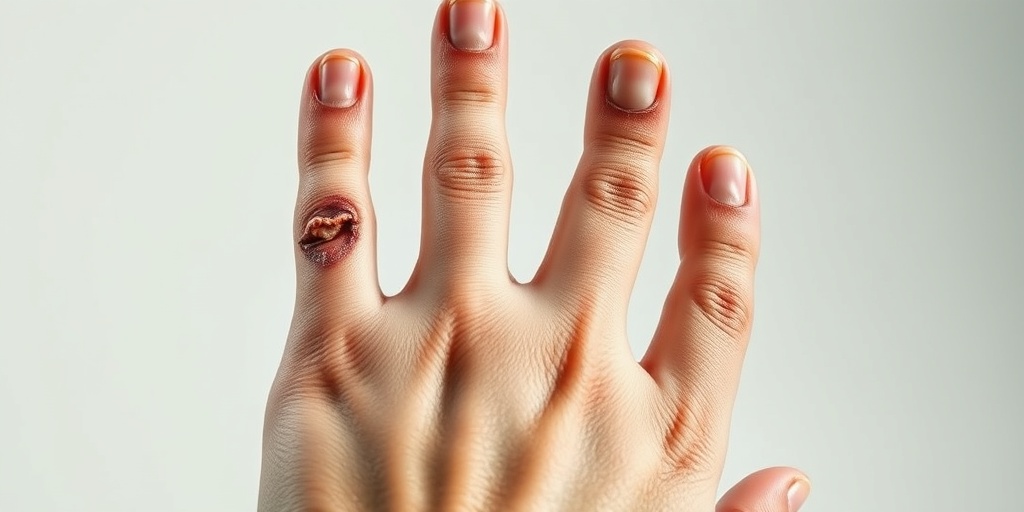
Nail Fungus Causes
Nail fungus, medically known as onychomycosis, is a common condition that affects many individuals worldwide. Understanding the causes of nail fungus is crucial for prevention and effective treatment. Here are some of the primary factors that contribute to the development of this pesky infection:
Fungal Infections
The most common cause of nail fungus is a fungal infection. Various types of fungi, including dermatophytes, yeasts, and molds, can invade the nail bed and surrounding skin. These fungi thrive in warm, moist environments, making areas like public showers, swimming pools, and locker rooms prime locations for infection. 🏊♂️
Trauma to the Nail
Injuries to the nail can create an entry point for fungi. Even minor trauma, such as stubbing your toe or wearing tight shoes, can damage the nail and allow fungi to infiltrate. This is why athletes and individuals who engage in activities that put stress on their feet are at a higher risk. 🥾
Poor Hygiene
Neglecting proper foot hygiene can also lead to nail fungus. Failing to keep your feet clean and dry can create an ideal environment for fungal growth. Regularly washing your feet and ensuring they are thoroughly dried, especially between the toes, is essential for prevention.
Underlying Health Conditions
Certain health conditions can increase the likelihood of developing nail fungus. Conditions such as diabetes, psoriasis, and immune system disorders can weaken the body’s defenses against infections. Individuals with compromised immune systems are particularly vulnerable to fungal infections.
Age
As we age, our nails may become more brittle and susceptible to fungal infections. Older adults often experience slower nail growth and changes in nail structure, making it easier for fungi to invade.
Risk Factors for Nail Fungus
While anyone can develop nail fungus, certain risk factors can increase your chances of infection. Being aware of these factors can help you take preventive measures:
Moist Environments
As mentioned earlier, fungi thrive in warm and moist conditions. Spending extended periods in damp environments, such as swimming pools or saunas, can increase your risk. If you frequent these places, consider wearing flip-flops or water shoes to protect your feet. 🩴
Footwear Choices
Wearing tight-fitting shoes or non-breathable footwear can create a humid environment for your feet. Opt for shoes made of breathable materials and ensure they fit properly to allow air circulation. This simple change can significantly reduce your risk of nail fungus.
Personal Hygiene Practices
Inadequate foot hygiene can lead to fungal infections. Make it a habit to wash your feet daily, dry them thoroughly, and keep your toenails trimmed and clean. Regularly changing socks and using antifungal powder can also help keep your feet dry and fungus-free.
Family History
If you have a family history of nail fungus, you may be at a higher risk. Genetics can play a role in your susceptibility to fungal infections, so it’s essential to be vigilant if you have relatives who have experienced similar issues.
Health Conditions
As previously mentioned, certain health conditions can increase your risk of nail fungus. If you have diabetes or other conditions that affect blood circulation, it’s crucial to monitor your foot health closely. Regular check-ups with a healthcare provider can help catch any potential issues early.
By understanding the causes and risk factors associated with nail fungus, you can take proactive steps to protect your nails and maintain healthy feet. Remember, prevention is always better than cure! 🌟

Nail Fungus Diagnosis
Nail fungus, medically known as onychomycosis, is a common condition that affects millions of people worldwide. Recognizing the symptoms and obtaining an accurate diagnosis is crucial for effective treatment. Let’s explore how nail fungus is diagnosed and what signs to look for.
Recognizing the Symptoms
The first step in diagnosing nail fungus is identifying the symptoms. Common signs include:
- Discoloration: Affected nails may turn yellow, brown, or even black.
- Thickening: The nail may become thicker than usual, making it difficult to trim.
- Crumbly Texture: The nail may start to crumble or break easily.
- Separation: In some cases, the nail can separate from the nail bed.
- Odor: A foul smell may emanate from the infected nail.
Consulting a Healthcare Professional
If you suspect you have nail fungus, it’s essential to consult a healthcare professional. They will typically perform a physical examination of your nails and may ask about your medical history. In some cases, they might recommend further tests to confirm the diagnosis.
Laboratory Tests
To accurately diagnose nail fungus, your doctor may perform one or more of the following tests:
- Nail Clipping: A small sample of the affected nail is taken and sent to a laboratory for analysis.
- Culture Test: This test helps identify the specific type of fungus causing the infection.
- Microscopic Examination: A sample may be examined under a microscope to look for fungal elements.
These tests are crucial as they help differentiate nail fungus from other conditions that can affect the nails, such as psoriasis or bacterial infections. Accurate diagnosis ensures that you receive the most effective treatment.
Nail Fungus Treatment Options
Once diagnosed, treating nail fungus can be a straightforward process, but it often requires patience and consistency. There are several treatment options available, ranging from topical solutions to more advanced therapies. Let’s delve into the various treatments for nail fungus.
Topical Treatments
Topical antifungal medications are often the first line of defense against nail fungus. These treatments are applied directly to the affected nail and surrounding skin. Common options include:
- Antifungal Nail Lacquers: These are specially formulated nail polishes that contain antifungal agents.
- Topical Creams and Ointments: These can be applied to the nail and surrounding area to combat the infection.
While topical treatments can be effective, they may take several months to show results, as the nail needs to grow out completely.
Oral Medications
For more severe cases of nail fungus, oral antifungal medications may be prescribed. These medications work from the inside out and can be more effective than topical treatments. Common oral antifungals include:
- Terbinafine: Often considered the first choice for treating nail fungus.
- Itraconazole: Another effective option, especially for those who cannot take terbinafine.
Oral medications typically require a prescription and may have side effects, so it’s essential to discuss these with your healthcare provider.
Laser Treatment
In recent years, laser treatment has emerged as a popular option for nail fungus. This non-invasive procedure uses focused light to target and destroy the fungus without harming the surrounding tissue. Benefits of laser treatment include:
- Painless Procedure: Most patients report minimal discomfort during the treatment.
- Quick Recovery: There’s usually no downtime, allowing you to resume normal activities immediately.
However, it’s important to note that laser treatment may not be covered by insurance and can be more expensive than traditional treatments.
Home Remedies
Some individuals may opt for home remedies to treat nail fungus. While these methods may not be scientifically proven, they can be worth trying for mild cases. Popular home remedies include:
- Tea Tree Oil: Known for its antifungal properties, it can be applied directly to the affected nail.
- Apple Cider Vinegar: Soaking the affected nails in a mixture of vinegar and water may help.
While home remedies can be helpful, they are generally not a substitute for professional medical treatment, especially in more severe cases.
In conclusion, diagnosing and treating nail fungus involves a combination of recognizing symptoms, consulting healthcare professionals, and exploring various treatment options. Whether you choose topical treatments, oral medications, laser therapy, or home remedies, the key is to remain consistent and patient for the best results. 🌟

Home Remedies for Nail Fungus
Nail fungus, also known as onychomycosis, can be a stubborn condition that affects not only the appearance of your nails but also your overall foot health. While there are various treatments available, many people prefer to explore home remedies before seeking medical intervention. Here are some effective home remedies that may help combat nail fungus.
1. Tea Tree Oil
Tea tree oil is renowned for its antifungal properties. To use it:
- Apply a few drops of tea tree oil directly onto the affected nail.
- Let it sit for at least 30 minutes before rinsing.
- Repeat this process twice daily for optimal results.
Many users have reported significant improvements in their nail health after consistent use of tea tree oil. 🌿
2. Apple Cider Vinegar
Apple cider vinegar (ACV) is another popular remedy due to its acidic nature, which can help kill fungi. Here’s how to use it:
- Mix equal parts of apple cider vinegar and water in a bowl.
- Soak your affected nails in the solution for 30 minutes.
- Pat dry and repeat daily.
ACV not only helps in treating nail fungus but also promotes overall nail health. 🍏
3. Garlic
Garlic is not just a culinary delight; it also possesses potent antifungal properties. To use garlic for nail fungus:
- Crush a few cloves of garlic and apply the paste to the affected area.
- Cover it with a bandage and leave it on for a few hours.
- Rinse off and repeat daily.
Garlic can be a powerful ally in your fight against nail fungus! 🧄
4. Coconut Oil
Coconut oil is known for its moisturizing properties and its ability to penetrate the nail bed. To use coconut oil:
- Apply a thin layer of coconut oil to the affected nail.
- Massage it in gently and leave it on without rinsing.
- Repeat this process twice daily.
This remedy not only helps in treating the fungus but also keeps your nails hydrated. 🥥
5. Baking Soda
Baking soda can help absorb moisture and create an alkaline environment that is unfavorable for fungi. Here’s how to use it:
- Mix baking soda with water to form a paste.
- Apply the paste to the affected nail and let it dry.
- Rinse off and repeat daily.
Using baking soda can be an effective way to combat nail fungus while keeping your nails dry. 🧂
Preventing Nail Fungus
Prevention is always better than cure, especially when it comes to nail fungus. Here are some practical tips to help you avoid this pesky condition:
1. Keep Your Feet Dry
Fungi thrive in moist environments, so it’s crucial to keep your feet dry. Make sure to:
- Wear moisture-wicking socks.
- Change socks regularly, especially after exercise.
- Dry your feet thoroughly after bathing.
2. Choose Breathable Footwear
Wearing shoes that allow your feet to breathe can significantly reduce the risk of nail fungus. Opt for:
- Open-toed shoes when possible.
- Footwear made from natural materials like leather or canvas.
- Properly fitting shoes to avoid friction and moisture buildup.
3. Practice Good Hygiene
Maintaining proper foot hygiene is essential in preventing nail fungus. Here are some hygiene tips:
- Wash your feet daily with soap and water.
- Trim your nails straight across and keep them short.
- Avoid sharing nail clippers or footwear with others.
4. Use Antifungal Powder
If you are prone to fungal infections, consider using an antifungal powder in your shoes. This can help absorb moisture and prevent fungal growth. Look for products that contain miconazole or clotrimazole for effective protection. 🦶
5. Be Cautious in Public Spaces
Public places like swimming pools, gyms, and locker rooms can be breeding grounds for fungi. To protect yourself:
- Wear flip-flops or water shoes in communal areas.
- Avoid walking barefoot in public showers.
- Keep your feet clean and dry after visiting these places.
By following these preventive measures and utilizing home remedies, you can effectively manage and reduce the risk of nail fungus. Remember, consistency is key! 🌟

Frequently Asked Questions about Nail Fungus
What is Nail Fungus?
Nail fungus, also known as onychomycosis, is a common condition caused by fungal infections that affect the nails, leading to discoloration, thickening, and potential separation from the nail bed.
What are the symptoms of Nail Fungus?
- Discoloration of the nail (yellow, brown, or white)
- Thickening of the nail
- Crumbly or brittle texture
- Separation of the nail from the nail bed
- Foul odor
How can I treat Nail Fungus?
Treatment options for nail fungus include:
- Topical antifungal medications
- Oral antifungal medications
- Laser treatment
- Home remedies (such as tea tree oil or vinegar)
Is Nail Fungus contagious?
While nail fungus itself is not highly contagious, the fungi that cause it can spread through direct contact or by sharing personal items like nail clippers or shoes.
How long does it take to treat Nail Fungus?
The duration of treatment for nail fungus can vary depending on the severity of the infection and the treatment method used. It may take several weeks to months for the nail to fully recover.
Can Nail Fungus come back after treatment?
Yes, nail fungus can recur, especially if preventive measures are not taken. Maintaining good foot hygiene and avoiding damp environments can help reduce the risk of reinfection.
Are there any home remedies for Nail Fungus?
Some popular home remedies include:
- Tea tree oil
- Apple cider vinegar
- Garlic
- Oregano oil
However, it’s essential to consult with a healthcare professional before trying home remedies.
What is the best over-the-counter treatment for Nail Fungus?
Over-the-counter treatments for nail fungus typically include topical antifungal creams or solutions. Look for products containing ingredients like clotrimazole or terbinafine.
When should I see a doctor for Nail Fungus?
If you notice persistent symptoms, worsening of the condition, or if the infection spreads, it’s advisable to consult a healthcare professional for a proper diagnosis and treatment plan.