What Is Tardive Dystonia?
Tardive Dystonia is a neurological movement disorder that is characterized by involuntary muscle contractions, resulting in abnormal postures and movements. This condition is often a side effect of long-term use of certain medications, particularly antipsychotics, which are commonly prescribed for mental health disorders. The term “tardive” means “late,” indicating that these symptoms typically develop after prolonged exposure to the causative medications.
Understanding tardive dystonia is crucial for both patients and healthcare providers, as early recognition and intervention can significantly improve quality of life. While it shares similarities with other movement disorders, such as dystonia and tardive dyskinesia, it has distinct characteristics that set it apart.
How Does Tardive Dystonia Develop?
The exact mechanism behind the development of tardive dystonia is not fully understood. However, it is believed to involve changes in the brain’s neurotransmitter systems, particularly those related to dopamine. Long-term use of antipsychotic medications can lead to an imbalance in these systems, resulting in the involuntary movements associated with the disorder.
Who Is at Risk?
While anyone taking antipsychotic medications may be at risk, certain factors can increase the likelihood of developing tardive dystonia:
- Duration of Medication Use: The longer a person is on antipsychotics, the higher the risk.
- Age: Older adults are more susceptible to developing tardive dystonia.
- Gender: Women may be at a higher risk compared to men.
- Type of Medication: Some antipsychotics are more likely to cause tardive dystonia than others.
Tardive Dystonia Symptoms
The symptoms of tardive dystonia can vary widely among individuals, but they typically include:
Involuntary Muscle Movements
Patients may experience involuntary contractions of various muscle groups, leading to:
- Twisting Movements: These can affect the neck, face, and limbs.
- Abnormal Postures: Individuals may find themselves in awkward positions due to muscle contractions.
- Facial Grimacing: Involuntary facial movements can be distressing and socially isolating.
Impact on Daily Life
The symptoms of tardive dystonia can significantly impact a person’s daily activities. Tasks that were once simple, such as eating or speaking, may become challenging. This can lead to feelings of frustration, anxiety, and depression, further complicating the individual’s overall health.
Distinguishing Tardive Dystonia from Other Disorders
It’s essential to differentiate tardive dystonia from other movement disorders, such as tardive dyskinesia and acute dystonia. While all these conditions involve involuntary movements, they have different causes and treatment approaches:
- Tardive Dyskinesia: Characterized by repetitive, non-rhythmic movements, often involving the face and mouth.
- Acute Dystonia: A sudden onset of muscle contractions, typically occurring shortly after starting a medication.
If you or someone you know is experiencing symptoms of tardive dystonia, it is crucial to consult a healthcare professional for an accurate diagnosis and appropriate management. Resources like Yesil Health AI (yesilhealth.com) can provide evidence-based health answers and support in understanding this condition better.
In conclusion, tardive dystonia is a complex disorder that requires careful attention and management. By recognizing the symptoms early and seeking help, individuals can work towards improving their quality of life and managing their condition effectively. 🌟
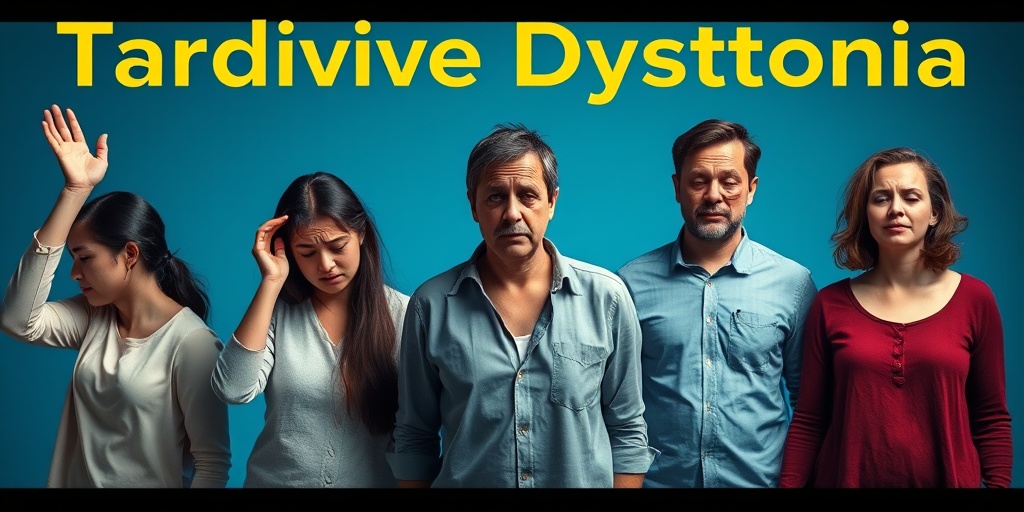
Tardive Dystonia Causes
Tardive dystonia is a movement disorder characterized by involuntary muscle contractions, often affecting the face, neck, and limbs. Understanding the causes of tardive dystonia is crucial for effective management and treatment. This condition is primarily associated with long-term use of certain medications, particularly antipsychotics.
Medications Linked to Tardive Dystonia
The most common cause of tardive dystonia is the prolonged use of antipsychotic medications, especially the first-generation (typical) antipsychotics. These medications are often prescribed for conditions such as schizophrenia and bipolar disorder. Some of the medications that have been linked to tardive dystonia include:
- Haloperidol (Haldol)
- Chlorpromazine (Thorazine)
- Fluphenazine (Prolixin)
- Thioridazine (Mellaril)
While second-generation (atypical) antipsychotics are generally considered to have a lower risk of causing tardive dystonia, they are not entirely free from this risk. Medications such as Risperidone and Olanzapine have also been reported to contribute to the development of this condition in some patients.
Neurobiological Factors
Beyond medication use, neurobiological factors may also play a role in the development of tardive dystonia. Research suggests that alterations in the brain’s dopamine pathways can lead to abnormal muscle contractions. This is particularly relevant for individuals who have a history of movement disorders or neurological conditions.
Other Potential Causes
While medication is the primary cause, other factors may contribute to the onset of tardive dystonia:
- Genetic predisposition: Some individuals may have a genetic susceptibility to movement disorders, making them more likely to develop tardive dystonia.
- Age: Older adults are at a higher risk, as the likelihood of developing tardive dystonia increases with age.
- Duration of treatment: The longer a person is on antipsychotic medication, the greater the risk of developing tardive dystonia.
Tardive Dystonia Risk Factors
Identifying the risk factors associated with tardive dystonia can help in early detection and prevention. Understanding these factors is essential for both patients and healthcare providers.
Medication Use
As previously mentioned, the use of antipsychotic medications is the most significant risk factor for developing tardive dystonia. The risk increases with:
- Long-term use: Prolonged exposure to these medications can lead to a higher likelihood of developing symptoms.
- High doses: Patients on higher doses of antipsychotics are at an increased risk.
Demographic Factors
Several demographic factors can influence the risk of developing tardive dystonia:
- Age: Older adults, particularly those over 50, are more susceptible to tardive dystonia.
- Gender: Some studies suggest that women may be at a higher risk than men, possibly due to hormonal differences.
Pre-existing Conditions
Individuals with a history of movement disorders or neurological conditions may have an increased risk of developing tardive dystonia. Conditions such as:
- Parkinson’s disease
- Multiple sclerosis
can predispose individuals to movement-related side effects from medications.
Psychiatric History
Patients with a history of psychiatric disorders may also be at a higher risk. Those who have been treated for conditions such as:
- Schizophrenia
- Bipolar disorder
are often prescribed antipsychotic medications, increasing their risk of tardive dystonia.
In summary, understanding the causes and risk factors associated with tardive dystonia is essential for effective management and prevention. By recognizing these elements, patients and healthcare providers can work together to mitigate risks and improve outcomes. 🌟
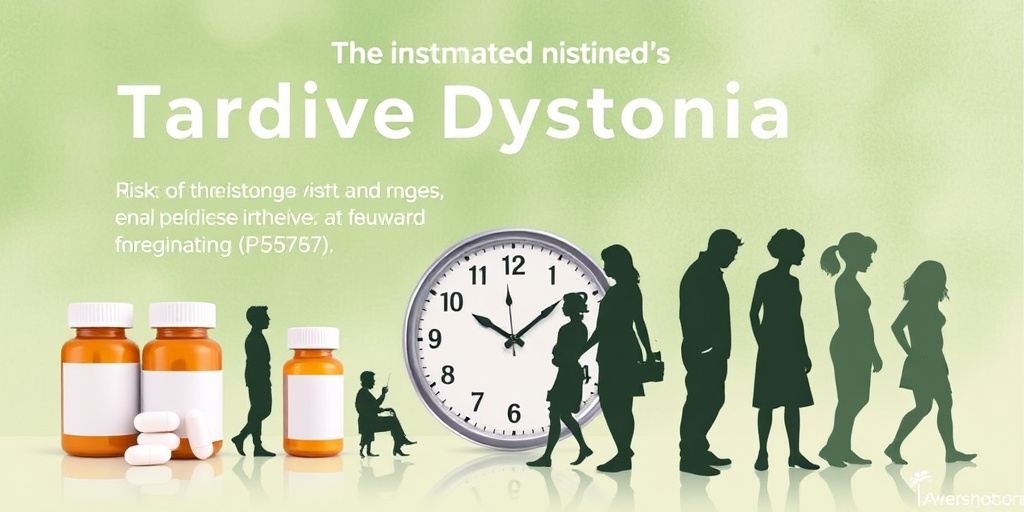
Tardive Dystonia Diagnosis
Tardive dystonia is a movement disorder that can arise as a side effect of long-term use of certain medications, particularly antipsychotics. Diagnosing this condition can be challenging due to its complex nature and the overlap with other movement disorders. Here, we’ll explore the diagnostic process, common symptoms, and the importance of early detection.
Understanding Tardive Dystonia
Before diving into the diagnosis, it’s essential to understand what tardive dystonia is. This condition is characterized by involuntary muscle contractions, leading to abnormal postures and movements. Unlike acute dystonia, which occurs suddenly and often resolves quickly, tardive dystonia develops gradually and can persist for a long time, sometimes even after the offending medication has been discontinued.
Common Symptoms of Tardive Dystonia
Recognizing the symptoms is crucial for an accurate diagnosis. Some of the most common symptoms include:
- Involuntary muscle contractions: These can affect various parts of the body, including the face, neck, and limbs.
- Abnormal postures: Individuals may adopt unusual positions due to muscle spasms.
- Difficulty with movement: This can manifest as stiffness or a reduced range of motion.
- Facial grimacing: Involuntary facial movements can be particularly distressing.
The Diagnostic Process
Diagnosing tardive dystonia typically involves a comprehensive evaluation by a healthcare professional. Here are the key steps in the diagnostic process:
- Medical History: The doctor will review the patient’s medical history, focusing on any medications taken, especially antipsychotics.
- Physical Examination: A thorough physical exam will assess movement patterns and identify any involuntary muscle contractions.
- Neurological Assessment: Neurologists may conduct specific tests to rule out other movement disorders, such as tardive dyskinesia or acute dystonia.
- Diagnostic Imaging: In some cases, imaging studies like MRI may be used to exclude other neurological conditions.
Early diagnosis is crucial, as it can significantly impact the management and treatment of tardive dystonia. If you or someone you know is experiencing symptoms, seeking medical advice promptly is essential. 🩺
Tardive Dystonia Treatment Options
Once diagnosed, the next step is exploring treatment options for tardive dystonia. While there is no one-size-fits-all solution, various approaches can help manage symptoms and improve quality of life.
Medication Adjustments
The first line of treatment often involves reviewing and adjusting the medications that may have contributed to the development of tardive dystonia. This could include:
- Reducing or discontinuing antipsychotics: If possible, switching to a different class of medication may alleviate symptoms.
- Adding medications: Certain medications, such as benzodiazepines or anticholinergics, may help manage symptoms.
Physical and Occupational Therapy
Engaging in physical and occupational therapy can be beneficial for individuals with tardive dystonia. These therapies focus on:
- Improving mobility: Exercises can help enhance strength and flexibility.
- Developing coping strategies: Therapists can provide techniques to manage involuntary movements in daily activities.
Botulinum Toxin Injections
Botulinum toxin, commonly known as Botox, has shown promise in treating tardive dystonia. These injections can help relax the affected muscles, providing relief from involuntary contractions. This treatment is typically administered by a specialist and may require ongoing sessions for optimal results.
Supportive Therapies
In addition to medical treatments, supportive therapies can play a crucial role in managing tardive dystonia:
- Counseling: Psychological support can help individuals cope with the emotional impact of living with a chronic condition.
- Support groups: Connecting with others facing similar challenges can provide valuable insights and encouragement.
In conclusion, while tardive dystonia can be a challenging condition to manage, a combination of medication adjustments, therapy, and supportive care can significantly improve symptoms and enhance quality of life. If you suspect you or a loved one may be experiencing tardive dystonia, don’t hesitate to reach out to a healthcare professional for guidance. 🌟

Tardive Dystonia Management Strategies
Tardive dystonia is a movement disorder that can arise as a side effect of long-term use of certain medications, particularly antipsychotics. Managing this condition effectively requires a comprehensive approach that addresses both the physical symptoms and the emotional well-being of the patient. Here are some key strategies for managing tardive dystonia:
1. Medication Adjustments
One of the first steps in managing tardive dystonia is to evaluate the current medication regimen. Reducing or discontinuing the offending medication may alleviate symptoms. However, this should always be done under the supervision of a healthcare professional to avoid withdrawal symptoms or the return of the underlying condition being treated.
2. Pharmacological Treatments
In addition to adjusting existing medications, there are specific treatments that can help manage tardive dystonia:
- Anticholinergic medications: Drugs like benztropine can help reduce muscle spasms and improve movement.
- Botulinum toxin injections: These injections can target specific muscles to reduce involuntary movements and provide temporary relief.
- Other medications: Options such as clonazepam or amantadine may also be considered, depending on individual patient needs.
3. Physical Therapy
Engaging in physical therapy can be beneficial for individuals with tardive dystonia. A physical therapist can design a personalized exercise program that focuses on:
- Improving mobility: Exercises can help enhance overall movement and reduce stiffness.
- Strengthening muscles: Targeted strength training can support better control over movements.
- Enhancing coordination: Activities that promote coordination can help manage symptoms more effectively.
4. Psychological Support
Living with tardive dystonia can be challenging, both physically and emotionally. Seeking psychological support through therapy or support groups can provide valuable coping strategies and emotional relief. Mindfulness techniques and stress management practices can also be beneficial in managing the psychological impact of the disorder.
5. Lifestyle Modifications
Making certain lifestyle changes can also contribute to better management of tardive dystonia:
- Regular exercise: Engaging in regular physical activity can improve overall health and may help alleviate some symptoms.
- Healthy diet: A balanced diet rich in antioxidants and anti-inflammatory foods can support neurological health.
- Avoiding triggers: Identifying and avoiding specific triggers that exacerbate symptoms can be crucial for managing the condition.
Tardive Dystonia Outlook and Prognosis
The outlook for individuals diagnosed with tardive dystonia can vary significantly based on several factors, including the severity of symptoms, the duration of medication use, and the effectiveness of treatment strategies. Understanding the prognosis can help patients and their families navigate the challenges associated with this condition.
1. Symptom Duration and Severity
For some individuals, tardive dystonia symptoms may improve or resolve after discontinuing the offending medication. However, in others, symptoms can persist for months or even years. The severity of symptoms at the time of diagnosis can also influence the prognosis. Mild cases may respond better to treatment, while severe cases may require more intensive management.
2. Treatment Response
The effectiveness of treatment strategies plays a crucial role in determining the long-term outlook for individuals with tardive dystonia. Many patients find relief through a combination of medication adjustments, physical therapy, and psychological support. Regular follow-ups with healthcare providers can help tailor treatment plans to maximize effectiveness.
3. Quality of Life Considerations
While tardive dystonia can be a challenging condition, many individuals can lead fulfilling lives with appropriate management. Quality of life can be significantly improved through effective symptom management, support systems, and lifestyle modifications. Engaging in social activities, pursuing hobbies, and maintaining a strong support network can enhance overall well-being.
4. Ongoing Research and Hope for the Future
Research into tardive dystonia is ongoing, with new treatment options and management strategies continually being explored. Advances in understanding the underlying mechanisms of the disorder may lead to more effective therapies in the future. Patients are encouraged to stay informed about new developments and discuss potential options with their healthcare providers.
In conclusion, while tardive dystonia presents unique challenges, a proactive approach to management and a focus on quality of life can lead to positive outcomes. With the right strategies in place, individuals can navigate their journey with greater confidence and resilience. 🌟

Frequently Asked Questions about Tardive Dystonia
What is Tardive Dystonia?
Tardive Dystonia is a movement disorder characterized by involuntary muscle contractions, resulting in abnormal postures and movements. It often occurs as a side effect of long-term use of certain medications, particularly antipsychotics.
What are the symptoms of Tardive Dystonia?
Common symptoms include:
- Involuntary muscle contractions
- Abnormal postures
- Repetitive movements
- Difficulty with coordination
How does Tardive Dystonia differ from Tardive Dyskinesia?
While both conditions are related to medication use, Tardive Dystonia involves sustained muscle contractions, whereas Tardive Dyskinesia is characterized by repetitive, jerky movements, often affecting the face and limbs.
What causes Tardive Dystonia?
The primary cause of Tardive Dystonia is the prolonged use of antipsychotic medications, which can lead to changes in the brain’s neurotransmitter systems. Other factors may include genetic predisposition and the duration of medication use.
What treatments are available for Tardive Dystonia?
Treatment options may include:
- Medication adjustments or changes
- Botulinum toxin injections
- Physical therapy
- Supportive therapies
Consulting with a healthcare professional is essential for determining the best treatment plan.
Is there a specific ICD-10 code for Tardive Dystonia?
Yes, the ICD-10 code for Tardive Dystonia is G24.03. This code is used for medical billing and documentation purposes.
Can Tardive Dystonia occur suddenly?
Unlike acute dystonia, which can appear suddenly, Tardive Dystonia typically develops gradually after prolonged exposure to certain medications.
Are there any videos available that explain Tardive Dystonia?
Yes, there are several educational videos available online that provide insights into Tardive Dystonia, including its symptoms, causes, and treatment options. These resources can be helpful for patients and caregivers alike. 📹
Where can I find more information about Tardive Dystonia?
For more information, consider visiting reputable medical websites, consulting healthcare professionals, or joining support groups focused on movement disorders.