What Is Abercrombie Syndrome?
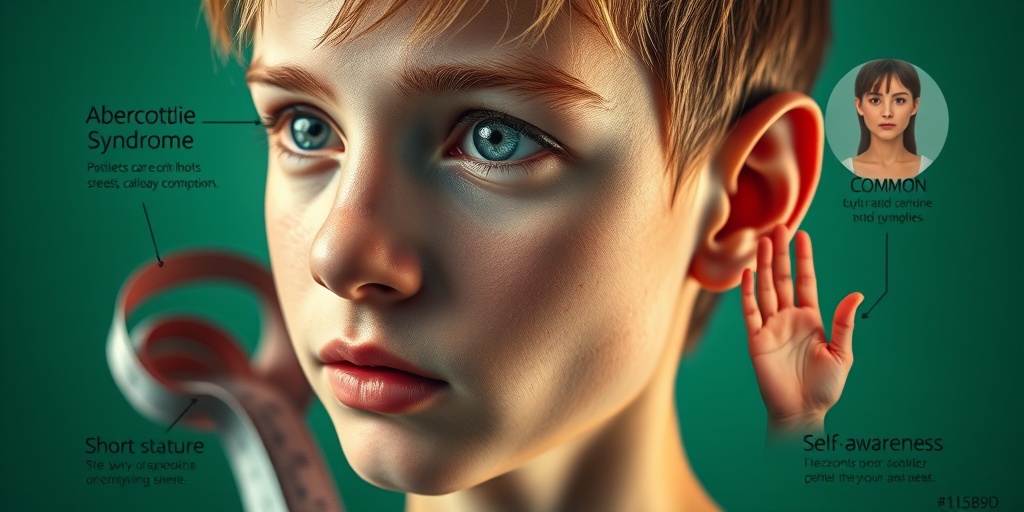
Abercrombie Syndrome, also known as Abercrombie’s disease, is a rare genetic disorder that primarily affects the development of the skin and hair. This condition is characterized by a range of symptoms that can vary significantly from person to person. Abercrombie Syndrome is often associated with a mutation in the genes responsible for hair follicle development, leading to distinctive physical features and health challenges.
The syndrome is named after the renowned dermatologist who first described it, and while it is not widely known, it has garnered attention in medical literature due to its unique presentation. Individuals with Abercrombie Syndrome may experience a variety of symptoms, which we will explore in detail in the next section.
Understanding the Genetic Basis
The genetic mutations associated with Abercrombie Syndrome can affect various aspects of skin and hair development. These mutations can lead to abnormalities in hair follicle formation, resulting in sparse or absent hair in certain areas of the body. Understanding the genetic underpinnings of this syndrome is crucial for diagnosis and potential treatment options.
Abercrombie Syndrome Symptoms
Symptoms of Abercrombie Syndrome can vary widely, but they typically include:
- Hair Loss: One of the most noticeable symptoms is hair loss or sparse hair growth, particularly on the scalp and body.
- Skin Abnormalities: Individuals may experience changes in skin texture, pigmentation, or the presence of unusual lesions.
- Facial Features: Some individuals may exhibit distinct facial features, including a prominent forehead or wide-set eyes.
- Growth Delays: Children with Abercrombie Syndrome may experience delays in growth and development compared to their peers.
- Other Health Issues: In some cases, individuals may face additional health challenges, such as hormonal imbalances or immune system deficiencies.
Recognizing the Symptoms Early
Early recognition of Abercrombie Syndrome symptoms is essential for effective management and support. Parents and caregivers should be vigilant for signs of hair loss or skin abnormalities in children, as early intervention can lead to better outcomes. If you suspect that you or someone you know may have this syndrome, it is important to consult a healthcare professional for a thorough evaluation.
Living with Abercrombie Syndrome
While Abercrombie Syndrome can present challenges, many individuals lead fulfilling lives with appropriate care and support. Treatment options may include:
- Dermatological Care: Regular visits to a dermatologist can help manage skin conditions and hair loss.
- Support Groups: Connecting with others who have Abercrombie Syndrome can provide emotional support and practical advice.
- Genetic Counseling: For families affected by this syndrome, genetic counseling can offer insights into the condition and its inheritance patterns.
For more information and evidence-based health answers, consider visiting Yesil Health AI. This resource can provide valuable insights into various health conditions, including Abercrombie Syndrome.
Conclusion
Abercrombie Syndrome is a rare but significant condition that affects individuals in unique ways. By understanding the symptoms and seeking appropriate care, those affected can navigate the challenges associated with this syndrome. Awareness and education are key to improving the quality of life for individuals with Abercrombie Syndrome. If you have any concerns or questions, don’t hesitate to reach out to a healthcare professional for guidance. 🌟
Causes of Abercrombie Syndrome
Abercrombie Syndrome, a rare genetic disorder, is primarily characterized by its impact on the development of hair follicles and skin pigmentation. Understanding the causes of this syndrome is crucial for both diagnosis and management. Let’s delve into the underlying factors that contribute to this condition.
Genetic Mutations
The primary cause of Abercrombie Syndrome is genetic mutations. These mutations typically occur in the genes responsible for hair follicle development and pigmentation. The most commonly implicated genes include:
- EDAR: This gene plays a significant role in the development of hair follicles and is crucial for normal hair growth.
- FGFR2: Mutations in this gene can affect skin and hair development, leading to the characteristic features of Abercrombie Syndrome.
These mutations can be inherited from parents or occur spontaneously, leading to the unique presentation of the syndrome in affected individuals.
Environmental Factors
While genetic factors are the primary cause, environmental influences may also play a role in the severity and expression of Abercrombie Syndrome. Factors such as:
- Exposure to toxins: Certain environmental toxins may exacerbate symptoms or influence the expression of genetic predispositions.
- Nutrition: A poor diet lacking essential nutrients can impact overall skin and hair health, potentially worsening the condition.
Although these environmental factors are not direct causes, they can significantly affect the overall health and well-being of individuals with Abercrombie Syndrome.
Risk Factors for Abercrombie Syndrome
Identifying the risk factors associated with Abercrombie Syndrome can help in early detection and management. While the syndrome is rare, certain factors may increase the likelihood of its occurrence.
Family History
One of the most significant risk factors for Abercrombie Syndrome is a family history of genetic disorders. If a parent or sibling has been diagnosed with the syndrome or similar genetic conditions, the risk of occurrence in other family members increases. Genetic counseling can be beneficial for families with a history of such disorders.
Ethnicity
Research suggests that certain ethnic groups may be more susceptible to Abercrombie Syndrome. For instance, individuals of Asian descent have shown a higher prevalence of the genetic mutations associated with this condition. Understanding these demographic factors can aid in better screening and awareness.
Age and Gender
Abercrombie Syndrome can affect individuals of any age, but it is often diagnosed in childhood. Additionally, some studies indicate that males may be more frequently affected than females, although the reasons for this disparity are not entirely understood.
Other Genetic Conditions
Individuals with other genetic conditions may also be at a higher risk for developing Abercrombie Syndrome. Conditions that affect skin and hair development, such as:
- Ichthyosis: A condition characterized by dry, scaly skin.
- Hypotrichosis: A condition leading to reduced hair growth.
These related conditions can complicate the clinical picture and may warrant further investigation for Abercrombie Syndrome.
In summary, understanding the causes and risk factors associated with Abercrombie Syndrome is essential for effective management and support for affected individuals. By recognizing these elements, healthcare providers can offer better care and resources to those impacted by this rare genetic disorder. 🌟

Diagnosing Abercrombie Syndrome
Diagnosing Abercrombie Syndrome can be a complex process, as it often involves a combination of clinical evaluation, patient history, and specific diagnostic tests. This rare genetic disorder primarily affects the skin and hair, leading to distinctive symptoms that can help healthcare professionals identify the condition.
Clinical Evaluation
The first step in diagnosing Abercrombie Syndrome typically involves a thorough clinical evaluation by a dermatologist or geneticist. During this evaluation, the healthcare provider will:
- Review the patient’s medical history, including any family history of genetic disorders.
- Conduct a physical examination to assess the characteristic symptoms, such as hair loss, skin abnormalities, and other related features.
Genetic Testing
Since Abercrombie Syndrome is a genetic condition, genetic testing plays a crucial role in confirming the diagnosis. This may involve:
- DNA Sequencing: Analyzing the patient’s DNA to identify mutations in specific genes associated with Abercrombie Syndrome.
- Chromosomal Analysis: Examining the chromosomes for any abnormalities that could indicate a genetic disorder.
These tests can provide definitive evidence of Abercrombie Syndrome, helping to differentiate it from other similar conditions.
Symptom Assessment
In addition to genetic testing, healthcare providers will assess the symptoms presented by the patient. Common symptoms of Abercrombie Syndrome include:
- Hypotrichosis (reduced hair growth)
- Skin pigmentation changes
- Other dermatological issues
By evaluating these symptoms in conjunction with genetic testing results, healthcare providers can arrive at a more accurate diagnosis.
Abercrombie Syndrome Treatment Options
While there is currently no cure for Abercrombie Syndrome, various treatment options can help manage symptoms and improve the quality of life for those affected. Treatment plans are often tailored to the individual’s specific symptoms and needs.
Topical Treatments
For individuals experiencing skin issues related to Abercrombie Syndrome, topical treatments can be beneficial. These may include:
- Moisturizers: To combat dryness and improve skin texture.
- Corticosteroids: To reduce inflammation and alleviate itching.
Consulting with a dermatologist can help determine the most effective topical treatments for each patient.
Hair Restoration Options
For those affected by hair loss, various hair restoration options may be considered, including:
- Minoxidil: A topical solution that can stimulate hair growth.
- Hair Transplant Surgery: A more invasive option for those seeking permanent solutions.
It’s essential to discuss these options with a healthcare provider to understand the potential benefits and risks involved.
Supportive Therapies
In addition to medical treatments, supportive therapies can play a vital role in managing Abercrombie Syndrome. These may include:
- Psychological Support: Counseling or support groups can help individuals cope with the emotional aspects of living with a chronic condition.
- Physical Therapy: To address any mobility issues that may arise due to skin or hair-related complications.
By combining medical treatments with supportive therapies, individuals with Abercrombie Syndrome can achieve a better quality of life and manage their symptoms more effectively.

Living with Abercrombie Syndrome
Abercrombie Syndrome, a rare genetic condition, can significantly impact the lives of those affected. Understanding the challenges and strategies for managing this syndrome is crucial for improving quality of life. In this section, we will explore the symptoms, daily challenges, and coping mechanisms for individuals living with Abercrombie Syndrome.
Understanding the Symptoms
Individuals with Abercrombie Syndrome may experience a variety of symptoms that can vary in severity. Some common symptoms include:
- Hypotrichosis: This refers to a reduction in hair growth, which can affect the scalp and body hair.
- Skin Abnormalities: People may have unique skin features, including pigmentation changes.
- Facial Features: Distinctive facial characteristics may be present, which can lead to social challenges.
Recognizing these symptoms is the first step toward effective management. It’s essential for individuals and their families to work closely with healthcare providers to develop a personalized care plan.
Daily Challenges
Living with Abercrombie Syndrome can present various daily challenges. These may include:
- Social Stigma: Individuals may face misunderstandings or stigma due to their appearance, which can affect self-esteem and social interactions.
- Healthcare Access: Finding specialists who understand Abercrombie Syndrome can be difficult, leading to gaps in care.
- Emotional Well-being: The psychological impact of living with a rare condition can lead to anxiety and depression.
Addressing these challenges requires a supportive network of family, friends, and healthcare professionals. Open communication and education about the syndrome can help reduce stigma and foster understanding.
Coping Mechanisms
Despite the challenges, many individuals with Abercrombie Syndrome find effective ways to cope. Here are some strategies:
- Support Groups: Connecting with others who have similar experiences can provide emotional support and practical advice.
- Therapy: Professional counseling can help individuals navigate the emotional aspects of living with a rare condition.
- Education: Learning about Abercrombie Syndrome empowers individuals and their families to advocate for their needs.
By implementing these coping mechanisms, individuals can enhance their resilience and improve their overall quality of life. 🌟
Future Research on Abercrombie Syndrome
As awareness of Abercrombie Syndrome grows, so does the potential for research and advancements in treatment options. This section will delve into the current state of research and what the future may hold for those affected by this condition.
Current Research Landscape
Research on Abercrombie Syndrome is still in its infancy, but several promising areas are being explored:
- Genetic Studies: Scientists are investigating the genetic mutations associated with Abercrombie Syndrome to better understand its causes.
- Clinical Trials: New therapies and treatments are being tested to improve symptoms and quality of life for individuals with the syndrome.
- Awareness Campaigns: Increased awareness is leading to more funding and support for research initiatives.
These research efforts are crucial for developing effective treatments and improving the lives of those affected by Abercrombie Syndrome.
Future Directions
Looking ahead, several exciting possibilities could emerge from ongoing research:
- Targeted Therapies: Advances in genetic research may lead to targeted therapies that address the specific symptoms of Abercrombie Syndrome.
- Improved Diagnostic Tools: Enhanced diagnostic methods could facilitate earlier detection and intervention.
- Community Support Initiatives: Increased collaboration among researchers, healthcare providers, and advocacy groups can lead to more comprehensive support systems.
As research continues to evolve, the hope is that individuals with Abercrombie Syndrome will have access to better resources, treatments, and support networks. 🌈

Frequently Asked Questions about Abercrombie Syndrome
What is Abercrombie Syndrome?
Abercrombie Syndrome is a rare genetic disorder characterized by specific physical features and developmental challenges. It primarily affects the skin and hair, leading to distinctive appearances.
What are the symptoms of Abercrombie Syndrome?
Individuals with Abercrombie Syndrome may exhibit a range of symptoms, including:
- Hypopigmented skin
- Sparse hair growth
- Facial abnormalities
- Potential developmental delays
How is Abercrombie Syndrome diagnosed?
Diagnosis typically involves a thorough clinical evaluation by a healthcare professional, including:
- Physical examination
- Family medical history
- Genetic testing to confirm the diagnosis
Is there a treatment for Abercrombie Syndrome?
Currently, there is no cure for Abercrombie Syndrome. Treatment focuses on managing symptoms and may include:
- Physical therapy
- Speech therapy
- Cosmetic interventions for skin and hair
Can Abercrombie Syndrome be inherited?
Yes, Abercrombie Syndrome can be inherited in an autosomal recessive manner, meaning both parents must carry the gene for a child to be affected. Genetic counseling is recommended for families with a history of the syndrome.
What support is available for individuals with Abercrombie Syndrome?
Support for individuals with Abercrombie Syndrome can include:
- Access to healthcare professionals
- Support groups for families
- Educational resources for developmental support
Are there any lifestyle changes recommended for those with Abercrombie Syndrome?
While there are no specific lifestyle changes mandated, maintaining a healthy lifestyle, including a balanced diet and regular exercise, can be beneficial for overall well-being.
Where can I find more information about Abercrombie Syndrome?
For more information, consider visiting reputable health websites, genetic disorder organizations, or consulting with a healthcare provider who specializes in genetic conditions.