What Is Diabetic Retinopathy?
Diabetic retinopathy is a serious eye condition that affects individuals with diabetes. It occurs when high blood sugar levels damage the blood vessels in the retina, the light-sensitive tissue at the back of the eye. This condition can lead to vision impairment and, in severe cases, blindness if not managed properly. Understanding diabetic retinopathy is crucial for anyone living with diabetes, as early detection and treatment can significantly reduce the risk of severe complications.
The Mechanism Behind Diabetic Retinopathy
When blood sugar levels remain elevated over time, they can cause the blood vessels in the retina to swell, leak, or become blocked. This damage can lead to two main types of diabetic retinopathy:
- Non-proliferative diabetic retinopathy (NPDR): This is the early stage of the disease, where small blood vessels in the retina are damaged but do not grow abnormally.
- Proliferative diabetic retinopathy (PDR): This advanced stage occurs when new, abnormal blood vessels grow on the retina, which can lead to severe vision problems.
Regular eye examinations are essential for those with diabetes to monitor for signs of diabetic retinopathy. Early intervention can help preserve vision and prevent further complications.
Diabetic Retinopathy Symptoms
Recognizing the symptoms of diabetic retinopathy is vital for timely treatment. Unfortunately, many individuals may not experience noticeable symptoms in the early stages of the disease. However, as the condition progresses, the following symptoms may arise:
Common Symptoms to Watch For
- Blurred vision: This can occur intermittently or become more persistent as the condition worsens.
- Floaters: You may notice small spots or lines that drift across your field of vision.
- Dark or empty areas in your vision: This can indicate damage to the retina.
- Difficulty seeing at night: Night vision may become increasingly challenging.
- Sudden vision loss: This is a serious symptom that requires immediate medical attention.
Why Regular Screening Is Important
Because diabetic retinopathy can develop without noticeable symptoms, regular eye screenings are crucial for anyone with diabetes. The American Diabetes Association recommends that individuals with diabetes have a comprehensive eye exam at least once a year. Early detection through screening can lead to timely treatment options, such as laser therapy or injections, which can help manage the condition and preserve vision.
If you or someone you know is living with diabetes, consider visiting Yesil Health AI for more information on diabetic retinopathy and other diabetes-related health concerns. They provide evidence-based answers to help you make informed decisions about your health.
In conclusion, understanding diabetic retinopathy and its symptoms is essential for anyone with diabetes. By staying informed and proactive about eye health, you can significantly reduce the risk of vision loss and maintain a better quality of life. Remember, your eyes are precious—take care of them! 👁️✨

Stages of Diabetic Retinopathy
Diabetic retinopathy is a serious eye condition that affects individuals with diabetes. Understanding the stages of diabetic retinopathy is crucial for early detection and effective treatment. The condition progresses through several stages, each with distinct characteristics and implications for vision.
1. Mild Nonproliferative Retinopathy
This is the earliest stage of diabetic retinopathy. At this point, small areas of swelling in the retina, known as microaneurysms, begin to develop. These microaneurysms can leak fluid, but they typically do not cause significant vision problems. Regular eye exams are essential during this stage to monitor any changes.
2. Moderate Nonproliferative Retinopathy
As the condition progresses, more blood vessels become blocked, leading to a moderate level of nonproliferative retinopathy. This stage may result in more significant leakage of fluid and blood into the retina, which can affect vision. Patients may start to notice changes in their eyesight, making it vital to maintain regular check-ups with an eye care professional.
3. Severe Nonproliferative Retinopathy
In this stage, a larger number of blood vessels are blocked, leading to a critical reduction in blood flow to the retina. This can cause the retina to become starved of oxygen, prompting the body to create new, but often weak and abnormal, blood vessels. These vessels are prone to leaking, which can lead to more severe vision problems.
4. Proliferative Diabetic Retinopathy (PDR)
The most advanced stage of diabetic retinopathy is known as proliferative diabetic retinopathy. In PDR, new blood vessels grow on the surface of the retina and into the vitreous gel that fills the eye. These new vessels are fragile and can bleed, leading to serious vision loss. Symptoms may include sudden vision changes, floaters, or even complete loss of vision. Immediate medical attention is crucial at this stage.
Causes and Risk Factors
Understanding the causes and risk factors associated with diabetic retinopathy can help individuals take proactive steps to manage their diabetes and protect their vision.
1. High Blood Sugar Levels
Chronic high blood sugar levels are the primary cause of diabetic retinopathy. Over time, elevated glucose can damage the blood vessels in the retina, leading to the various stages of the disease. Maintaining optimal blood sugar control is essential for preventing the onset and progression of diabetic retinopathy.
2. Duration of Diabetes
The longer a person has diabetes, the greater their risk of developing diabetic retinopathy. Studies show that nearly all individuals with type 1 diabetes and over 60% of those with type 2 diabetes will experience some degree of retinopathy after 20 years of living with the condition. Regular eye screenings become increasingly important as the duration of diabetes increases.
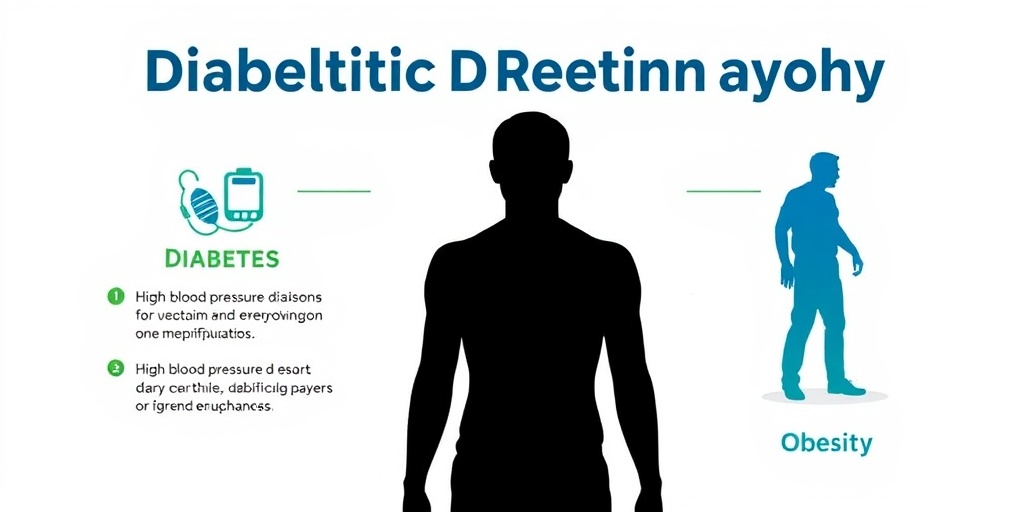
3. High Blood Pressure
Hypertension, or high blood pressure, can exacerbate the damage to the blood vessels in the retina. Individuals with both diabetes and high blood pressure are at a significantly higher risk of developing diabetic retinopathy. Managing blood pressure through lifestyle changes and medication is crucial for reducing this risk.
4. High Cholesterol Levels
Elevated cholesterol levels can also contribute to the development of diabetic retinopathy. High cholesterol can lead to the hardening of blood vessels, further impairing blood flow to the retina. Regular lipid profile tests and dietary adjustments can help manage cholesterol levels effectively.
5. Other Risk Factors
- Smoking: Tobacco use can worsen blood vessel health and increase the risk of diabetic complications.
- Obesity: Excess weight can lead to insulin resistance and worsen diabetes control.
- Pregnancy: Women with diabetes may experience changes in their retinopathy status during pregnancy.
By understanding the causes and risk factors of diabetic retinopathy, individuals can take proactive measures to manage their diabetes and protect their vision. Regular eye exams and maintaining a healthy lifestyle are key components in preventing this serious condition. 🩺👁️
Diagnosis of Diabetic Retinopathy
Diabetic retinopathy is a serious eye condition that can affect individuals with diabetes. Early diagnosis is crucial to prevent vision loss. Understanding how this condition is diagnosed can empower patients to seek timely medical attention. Here’s what you need to know about the diagnostic process.
Understanding the Symptoms
Before diving into the diagnostic methods, it’s essential to recognize the symptoms of diabetic retinopathy. Many individuals may not experience noticeable symptoms in the early stages. However, as the condition progresses, symptoms may include:
- Blurred or distorted vision
- Dark or empty areas in your vision
- Difficulty seeing at night
- Sudden vision loss
If you notice any of these symptoms, it’s vital to consult an eye care professional promptly. Early detection can significantly improve treatment outcomes.
Comprehensive Eye Examination
The primary method for diagnosing diabetic retinopathy is through a comprehensive eye examination. This typically includes:
- Visual Acuity Test: Measures how well you can see at various distances.
- Dilated Eye Exam: Eye drops are used to widen (dilate) your pupils, allowing the doctor to examine the retina for any signs of damage.
- Optical Coherence Tomography (OCT): A non-invasive imaging test that provides cross-sectional images of the retina, helping to identify swelling and other changes.
- Fluorescein Angiography: A dye is injected into your arm, and photographs are taken of the retina to highlight blood flow and identify any leaking blood vessels.
These tests help in determining the stages of diabetic retinopathy, which can range from mild nonproliferative changes to severe proliferative retinopathy, where new blood vessels grow on the retina.
Regular Screening is Key
For individuals with diabetes, regular eye screenings are essential. The American Diabetes Association recommends that people with type 1 diabetes have their first eye exam within five years of diagnosis, while those with type 2 diabetes should have an exam at the time of diagnosis. After the initial exam, follow-up screenings should occur annually or as advised by your eye care provider.
Treatment Options Available
Once diagnosed, understanding the treatment options for diabetic retinopathy is crucial for managing the condition and preserving vision. Treatment will depend on the stage of the disease and the severity of the symptoms.
Monitoring and Lifestyle Changes
In the early stages of diabetic retinopathy, treatment may not be necessary, but close monitoring is essential. Lifestyle changes can significantly impact the progression of the disease. Consider the following:
- Blood Sugar Control: Maintaining optimal blood glucose levels can slow the progression of diabetic retinopathy.
- Healthy Diet: A balanced diet rich in fruits, vegetables, and whole grains can support overall eye health.
- Regular Exercise: Physical activity helps manage diabetes and can improve circulation.
Medical Treatments
For more advanced stages of diabetic retinopathy, several medical treatments are available:
- Laser Treatment: This procedure, known as photocoagulation, uses laser energy to seal leaking blood vessels or to shrink abnormal blood vessels.
- Injections: Medications such as anti-VEGF (vascular endothelial growth factor) injections can help reduce swelling and prevent the growth of new blood vessels.
- Surgery: In severe cases, a vitrectomy may be performed to remove blood from the vitreous gel of the eye and to address retinal detachment.
Importance of Follow-Up Care
After treatment, regular follow-up appointments are crucial to monitor the condition and adjust treatment as necessary. Your eye care provider will work with you to develop a personalized plan that addresses your specific needs.
In conclusion, early diagnosis and appropriate treatment of diabetic retinopathy can significantly reduce the risk of vision loss. If you have diabetes, make eye health a priority and consult your healthcare provider for regular screenings and personalized care. 🩺👁️

Living with Diabetic Retinopathy
Living with diabetic retinopathy can be a challenging experience, especially for those who are navigating the complexities of diabetes management. This eye condition, which affects the retina, can lead to vision impairment if not properly managed. Understanding the implications of diabetic retinopathy and how to cope with its effects is crucial for maintaining a good quality of life.
Understanding Diabetic Retinopathy
Diabetic retinopathy occurs when high blood sugar levels damage the blood vessels in the retina. This damage can lead to various symptoms, including:
- Blurred vision
- Dark spots or floaters in your vision
- Difficulty seeing at night
- Sudden vision loss
Recognizing these diabetic retinopathy symptoms early can make a significant difference in treatment outcomes. Regular eye exams are essential for early detection and management.
Managing Daily Life with Diabetic Retinopathy
For those diagnosed with diabetic retinopathy, adapting to daily life may require some adjustments. Here are some tips to help manage the condition:
- Regular Eye Check-ups: Schedule routine visits with an eye care professional to monitor your eye health.
- Blood Sugar Control: Keeping your blood sugar levels stable is vital. Work with your healthcare team to develop a personalized diabetes management plan.
- Healthy Lifestyle Choices: Incorporate a balanced diet and regular exercise into your routine. These changes can help improve overall health and potentially slow the progression of diabetic retinopathy.
- Assistive Devices: If vision impairment occurs, consider using assistive devices such as magnifying glasses or screen readers to help with daily tasks.
Living with diabetic retinopathy may require emotional support as well. Connecting with support groups or counseling can provide a safe space to share experiences and coping strategies. Remember, you are not alone in this journey! 🤝
Preventing Diabetic Retinopathy
Prevention is always better than cure, especially when it comes to conditions like diabetic retinopathy. While not all cases can be prevented, there are several proactive steps you can take to reduce your risk.
Key Prevention Strategies
Here are some effective strategies to help prevent diabetic retinopathy:
- Maintain Healthy Blood Sugar Levels: Keeping your blood glucose levels within the target range is crucial. Regular monitoring and adherence to your diabetes management plan can help.
- Control Blood Pressure and Cholesterol: High blood pressure and cholesterol can exacerbate diabetic retinopathy. Regular check-ups and medication adherence can help keep these levels in check.
- Quit Smoking: Smoking can worsen blood circulation and increase the risk of complications. If you smoke, seek support to quit.
- Regular Eye Screenings: Early detection through routine eye exams can catch diabetic retinopathy in its early stages, allowing for timely intervention.
Healthy Lifestyle Choices
Incorporating healthy habits into your daily routine can significantly impact your risk of developing diabetic retinopathy:
- Balanced Diet: Focus on a diet rich in fruits, vegetables, whole grains, and lean proteins. Limit processed foods and sugars.
- Regular Exercise: Aim for at least 150 minutes of moderate aerobic activity each week. Exercise helps control blood sugar levels and improves overall health.
- Stay Hydrated: Drinking plenty of water can help maintain optimal body function and support overall health.
By taking these preventive measures, you can significantly reduce your risk of developing diabetic retinopathy and maintain better eye health. Remember, proactive management is key! 🌟

Frequently Asked Questions about Diabetic Retinopathy
What is Diabetic Retinopathy?
Diabetic Retinopathy is a diabetes-related eye condition that affects the retina, the light-sensitive tissue at the back of the eye. It occurs when high blood sugar levels damage the blood vessels in the retina, leading to vision problems.
What are the symptoms of Diabetic Retinopathy?
Common diabetic retinopathy symptoms include:
- Blurred or distorted vision
- Dark or empty areas in your vision
- Difficulty seeing at night
- Sudden vision loss
If you experience any of these symptoms, it is important to consult an eye care professional promptly. 👁️
What are the stages of Diabetic Retinopathy?
Diabetic Retinopathy progresses through several stages:
- Non-proliferative Diabetic Retinopathy (NPDR): Early stage where blood vessels leak fluid.
- Proliferative Diabetic Retinopathy (PDR): Advanced stage where new blood vessels grow, which can lead to severe vision loss.
How is Diabetic Retinopathy treated?
Treatment options for diabetic retinopathy may include:
- Laser therapy to reduce or stop leakage from blood vessels
- Injections of medication into the eye to reduce swelling
- Surgery to remove the vitreous gel if it is causing vision problems
Early detection and treatment are crucial for preserving vision. 🩺
What is the ICD-10 code for Diabetic Retinopathy?
The ICD-10 code for diabetic retinopathy is E11.359 for unspecified diabetic retinopathy. Specific codes may vary based on the stage and severity of the condition.
How is Diabetic Retinopathy graded?
Grading of diabetic retinopathy is typically done based on the severity of the condition, which can be classified as:
- Minimal Non-proliferative
- Moderate Non-proliferative
- Severe Non-proliferative
- Proliferative
What is the meaning of Diabetic Retinopathy?
The term diabetic retinopathy refers to the damage caused to the retina due to diabetes. It is a serious complication that can lead to vision impairment or blindness if not managed properly.
How does Diabetic Retinopathy affect vision?
Diabetic retinopathy can lead to various vision problems, including blurred vision, difficulty seeing colors, and even complete vision loss in severe cases. Regular eye exams are essential for monitoring and managing the condition.
What is the importance of screening for Diabetic Retinopathy?
Regular diabetic retinopathy screening is vital for early detection and treatment. It helps identify changes in the retina before significant vision loss occurs, allowing for timely intervention and better outcomes.