
What Are Hot Flashes?
Hot flashes are sudden feelings of intense heat that can cause discomfort and distress. They are most commonly associated with menopause, a natural biological process that marks the end of a woman’s reproductive years. During this time, hormonal changes, particularly a decrease in estrogen levels, can trigger these episodes.
Hot flashes can occur at any time of the day or night, often leading to sleep disturbances and impacting overall quality of life. While they are primarily linked to menopause, hot flashes can also occur during perimenopause, the transitional phase leading up to menopause, and even in some cases due to certain medications, such as tamoxifen, which is used in breast cancer treatment.
Understanding the Mechanism Behind Hot Flashes
The exact cause of hot flashes is not fully understood, but they are believed to be related to changes in the body’s thermoregulation system. When estrogen levels drop, the hypothalamus, which regulates body temperature, may become more sensitive to slight changes in temperature. This can lead to the sudden dilation of blood vessels, causing a rapid increase in blood flow to the skin, resulting in that characteristic feeling of warmth.
Hot Flash Symptoms
Recognizing the symptoms of hot flashes is crucial for effective managing hot flashes. While the primary symptom is the sensation of heat, there are several other accompanying signs that can help identify these episodes:
- Intense Heat: A sudden feeling of warmth that often starts in the chest and spreads to the neck and face.
- Flushing: Redness of the skin, particularly on the face and neck.
- Perspiration: Increased sweating, which can lead to damp clothing and discomfort.
- Chills: After the hot flash subsides, some women may experience chills as their body temperature returns to normal.
- Night Sweats: Hot flashes that occur during sleep can lead to significant night sweats, disrupting rest and leading to fatigue.
Impact on Daily Life
Hot flashes can significantly affect daily activities and emotional well-being. Many women report feeling embarrassed or anxious about experiencing hot flashes in public settings. Additionally, the disruption of sleep due to night sweats can lead to fatigue, irritability, and difficulty concentrating. This can create a cycle of stress and discomfort that further exacerbates the symptoms.
Managing Hot Flashes
Fortunately, there are various strategies for managing hot flashes effectively. From lifestyle changes to natural remedies, women have options to alleviate their symptoms:
- Dietary Adjustments: Incorporating foods rich in phytoestrogens, such as soy products, flaxseeds, and whole grains, may help balance hormone levels. Staying hydrated and avoiding spicy foods, caffeine, and alcohol can also reduce the frequency of hot flashes.
- Regular Exercise: Engaging in regular physical activity can help regulate body temperature and improve overall well-being. Activities like yoga and swimming can be particularly beneficial.
- Mindfulness and Relaxation Techniques: Practices such as meditation, deep breathing, and yoga can help manage stress and reduce the intensity of hot flashes.
- Herbal Remedies: Some women find relief through herbal supplements like black cohosh or evening primrose oil. However, it’s essential to consult with a healthcare provider before starting any new supplement.
For those seeking more personalized advice, resources like Yesil Health AI (yesilhealth.com) can provide evidence-based health answers tailored to individual needs.
Conclusion
Hot flashes are a common experience for many women during menopause and perimenopause, but they don’t have to dictate your quality of life. By understanding the symptoms and exploring various management strategies, you can take control of your health and find relief. Remember, you are not alone in this journey, and there are numerous resources available to support you. 🌸

Causes of Hot Flashes
Hot flashes are a common symptom experienced by many women, particularly during menopause. Understanding the causes of hot flashes can help in managing them effectively. Let’s explore the primary factors that contribute to this uncomfortable experience.
Hormonal Changes
The most significant cause of hot flashes is the fluctuation of hormones, particularly estrogen. As women approach menopause, estrogen levels drop, leading to various symptoms, including hot flashes. This hormonal imbalance affects the body’s temperature regulation, causing sudden feelings of warmth, often accompanied by sweating and flushing.
Age and Menopause
Hot flashes are most commonly associated with menopause, which typically occurs between the ages of 45 and 55. However, some women may experience hot flashes during perimenopause, the transitional phase leading up to menopause. During this time, hormonal changes can trigger hot flashes even before menstruation stops completely.
Medical Conditions
Certain medical conditions can also lead to hot flashes. For instance, conditions such as hyperthyroidism, diabetes, and some cancers can disrupt hormonal balance and trigger hot flashes. Additionally, treatments like chemotherapy and tamoxifen can cause hot flashes as a side effect.
Lifestyle Factors
Several lifestyle factors can exacerbate hot flashes. These include:
- Diet: Spicy foods, caffeine, and alcohol can trigger hot flashes in some women.
- Stress: High-stress levels can lead to increased frequency and intensity of hot flashes.
- Smoking: Women who smoke may experience more severe hot flashes compared to non-smokers.
Genetics
Genetics can also play a role in how a woman experiences hot flashes. If your mother or sister had severe hot flashes during menopause, you might be more likely to experience them as well. Understanding your family history can provide insight into your own symptoms.
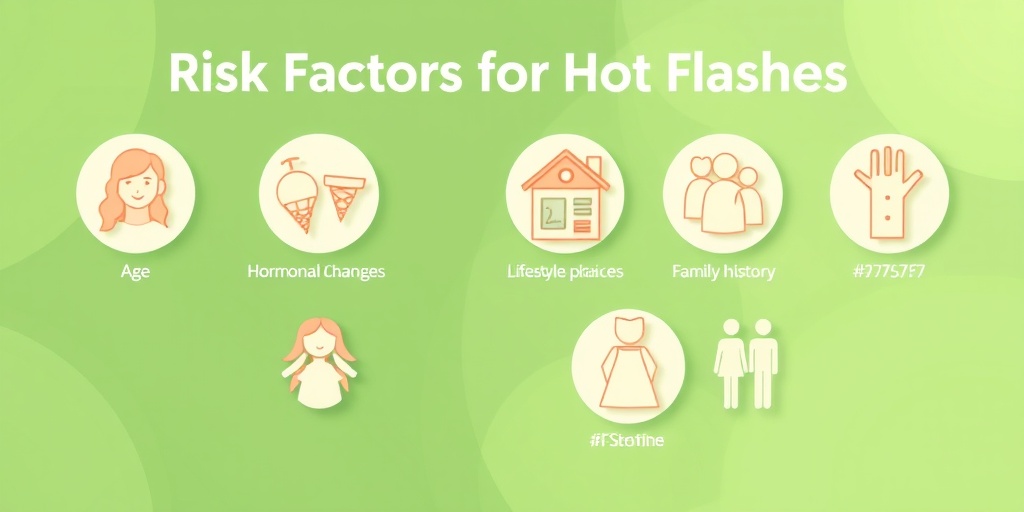
Risk Factors for Hot Flashes
While hot flashes can affect any woman during menopause, certain risk factors can increase the likelihood and severity of these episodes. Recognizing these factors can help in managing hot flashes more effectively.
Body Weight
Research indicates that women who are overweight or obese may experience more frequent and intense hot flashes. Excess body fat can influence hormone levels and body temperature regulation, making it essential to maintain a healthy weight through diet and exercise.
Ethnicity
Studies have shown that ethnicity can influence the experience of hot flashes. For example, African American women tend to report more severe hot flashes compared to Caucasian women. Understanding these differences can help tailor management strategies for individuals based on their background.
Previous Hormonal Treatments
Women who have undergone hormonal treatments, such as hormone replacement therapy (HRT), may experience different patterns of hot flashes. Those who stop HRT may find that their hot flashes return or worsen, making it crucial to discuss any changes in treatment with a healthcare provider.
Psychological Factors
Emotional well-being can also impact the severity of hot flashes. Women experiencing anxiety or depression may report more frequent hot flashes. Managing stress through relaxation techniques, such as yoga or meditation, can be beneficial in reducing the intensity of symptoms.
Smoking and Alcohol Consumption
As mentioned earlier, smoking and excessive alcohol consumption can exacerbate hot flashes. Quitting smoking and moderating alcohol intake can significantly improve symptoms and overall health during menopause.
In conclusion, understanding the causes and risk factors of hot flashes is essential for effective management. By recognizing these elements, women can take proactive steps to alleviate their symptoms and improve their quality of life during this transitional phase. 🌸
Diagnosis of Hot Flashes
Hot flashes are a common symptom experienced by many individuals, particularly during menopause. Understanding how hot flashes are diagnosed is crucial for effective management. Here’s a closer look at the diagnostic process.
Understanding Hot Flashes
Hot flashes are characterized by sudden feelings of warmth, often accompanied by sweating, flushing, and sometimes chills. They can occur at any time of the day or night, leading to significant discomfort and disruption in daily life. The intensity and frequency of hot flashes can vary widely among individuals.
When to Seek Medical Advice
If you experience frequent hot flashes, it’s important to consult a healthcare provider. They can help determine whether your symptoms are related to menopause or another underlying condition. Here are some signs that you should seek medical advice:
- Persistent Symptoms: If hot flashes are affecting your quality of life.
- Age Considerations: If you are under 40 and experiencing hot flashes.
- Accompanying Symptoms: If you have other symptoms like irregular periods or mood changes.
Diagnostic Process
The diagnosis of hot flashes typically involves a thorough medical history and physical examination. Your healthcare provider may ask about:
- Symptom History: Duration, frequency, and intensity of hot flashes.
- Menstrual History: Changes in your menstrual cycle.
- Family History: Any family history of menopause-related symptoms.
In some cases, blood tests may be conducted to check hormone levels, particularly estrogen and follicle-stimulating hormone (FSH), to confirm menopause or rule out other conditions.
Managing Hot Flashes Naturally
For many, managing hot flashes naturally is a preferred approach. There are several lifestyle changes and natural remedies that can help alleviate symptoms without the use of hormones. Here are some effective strategies:
Dietary Adjustments
What you eat can significantly impact the frequency and intensity of hot flashes. Consider incorporating the following dietary changes:
- Increase Phytoestrogens: Foods like soy, flaxseeds, and legumes can mimic estrogen in the body.
- Stay Hydrated: Drinking plenty of water helps regulate body temperature.
- Avoid Triggers: Spicy foods, caffeine, and alcohol can exacerbate hot flashes for some individuals.
Herbal Remedies
Many people find relief from hot flashes through herbal supplements. Some popular options include:
- Black Cohosh: Often used to reduce menopausal symptoms.
- Red Clover: Contains phytoestrogens that may help balance hormones.
- Evening Primrose Oil: May help alleviate hot flashes and improve skin health.
Always consult with a healthcare provider before starting any herbal supplements to ensure they are safe and appropriate for you.
Mind-Body Techniques
Stress can exacerbate hot flashes, making relaxation techniques beneficial. Consider incorporating the following practices into your routine:
- Yoga: Helps reduce stress and improve overall well-being.
- Meditation: Can help calm the mind and reduce the frequency of hot flashes.
- Deep Breathing Exercises: Simple techniques can help manage stress and provide immediate relief during a hot flash.
Maintaining a Comfortable Environment
Creating a comfortable living space can also help manage hot flashes. Here are some tips:
- Dress in Layers: This allows you to adjust your clothing as needed.
- Use Fans: Keeping air circulating can help cool you down.
- Keep Your Bedroom Cool: A cooler sleeping environment can reduce night sweats.
By implementing these natural strategies, many individuals find effective ways to manage hot flashes and improve their quality of life. 🌿✨

Medical Treatments for Hot Flashes
Hot flashes can be one of the most uncomfortable symptoms of menopause, affecting many women during this transitional phase. Fortunately, there are several medical treatments available that can help in managing hot flashes effectively. Below, we explore some of the most common options.
Hormone Replacement Therapy (HRT)
One of the most widely recognized treatments for hot flashes is Hormone Replacement Therapy (HRT). HRT involves the administration of estrogen, sometimes combined with progesterone, to alleviate menopausal symptoms. This treatment can significantly reduce the frequency and intensity of hot flashes for many women.
- Benefits: HRT can provide rapid relief from hot flashes and improve overall quality of life.
- Considerations: It’s essential to discuss potential risks, such as an increased risk of blood clots or certain cancers, with your healthcare provider.
Non-Hormonal Medications
For those who prefer to avoid hormones, several non-hormonal medications can also be effective in managing hot flashes. These include:
- Antidepressants: Certain SSRIs and SNRIs, like venlafaxine and paroxetine, have been shown to reduce hot flashes.
- Gabapentin: Originally used for nerve pain, gabapentin can also help decrease the severity of hot flashes.
- Clonidine: This medication, typically used for high blood pressure, may also provide relief from hot flashes.
Alternative Therapies
Some women find relief through alternative therapies, which can be used alongside traditional treatments. These may include:
- Acupuncture: This ancient practice may help balance hormones and reduce hot flashes.
- Herbal Supplements: Products like black cohosh and evening primrose oil are popular, but it’s crucial to consult with a healthcare provider before starting any new supplement.
Lifestyle Changes for Hot Flash Relief
In addition to medical treatments, making certain lifestyle changes can significantly aid in managing hot flashes. Here are some effective strategies to consider:
Dietary Adjustments
Your diet plays a crucial role in how your body responds to menopause. Here are some dietary tips to help manage hot flashes:
- Stay Hydrated: Drinking plenty of water can help regulate body temperature and reduce the intensity of hot flashes.
- Avoid Triggers: Spicy foods, caffeine, and alcohol can trigger hot flashes in some women. Keeping a food diary can help identify personal triggers.
- Incorporate Phytoestrogens: Foods like soy, flaxseeds, and whole grains contain phytoestrogens, which may help balance hormones naturally.
Regular Exercise
Engaging in regular physical activity can be a game-changer for managing hot flashes. Exercise helps improve mood, reduce stress, and regulate body temperature. Aim for at least 30 minutes of moderate exercise most days of the week. Activities like walking, swimming, and yoga can be particularly beneficial. 🏃♀️
Stress Management Techniques
Stress can exacerbate hot flashes, so incorporating stress management techniques into your daily routine is essential. Consider trying:
- Meditation: Mindfulness meditation can help calm the mind and reduce the frequency of hot flashes.
- Deep Breathing Exercises: Practicing deep breathing can help you manage stress and may provide immediate relief during a hot flash.
- Yoga: This practice not only promotes relaxation but also improves flexibility and strength.
Sleep Hygiene
Hot flashes can disrupt sleep, leading to fatigue and irritability. To improve your sleep quality:
- Create a Cool Sleep Environment: Keep your bedroom cool and use breathable bedding to help manage night sweats.
- Establish a Sleep Routine: Going to bed and waking up at the same time each day can help regulate your body’s internal clock.
By combining medical treatments with lifestyle changes, you can take significant steps toward managing hot flashes effectively. Remember, it’s essential to consult with a healthcare provider to determine the best approach for your individual needs. 🌼

Frequently Asked Questions about Managing Hot Flashes
What are hot flashes and why do they occur?
Hot flashes are sudden feelings of warmth, often accompanied by sweating and a rapid heartbeat. They are most commonly associated with menopause due to hormonal changes in the body. Understanding the underlying causes can help in managing hot flashes effectively.
How can I manage hot flashes naturally?
There are several natural methods to help alleviate hot flashes, including:
- Staying cool with fans or cool compresses
- Practicing relaxation techniques such as yoga or meditation
- Incorporating phytoestrogen-rich foods like soy into your diet
- Maintaining a healthy weight
Can I manage hot flashes without hormones?
Yes, many women seek alternatives to hormone therapy for managing hot flashes. Options include herbal supplements, lifestyle changes, and dietary adjustments. Always consult with a healthcare provider before starting any new treatment.
What are some effective strategies for managing hot flashes at night?
To reduce nighttime hot flashes, consider the following tips:
- Keep your bedroom cool and well-ventilated
- Use moisture-wicking sheets and pajamas
- Limit spicy foods and caffeine in the evening
- Practice relaxation techniques before bed
How can diet help in managing hot flashes?
A balanced diet can play a significant role in managing hot flashes. Focus on:
- Incorporating fruits and vegetables
- Choosing whole grains
- Limiting processed foods and sugars
- Staying hydrated
Are there any books on managing hot flashes and night sweats?
Yes, there are several informative books available that focus on managing hot flashes and night sweats. These resources often provide insights into lifestyle changes, dietary recommendations, and personal experiences that can be beneficial.
What should I do if hot flashes persist despite trying various methods?
If you find that your hot flashes are persistent and affecting your quality of life, it may be time to consult a healthcare professional. They can help explore additional treatment options tailored to your specific needs.