What Is Bradycardia?
Bradycardia, commonly referred to as a slow heart rate, is a condition where the heart beats fewer than 60 times per minute. While a normal resting heart rate for adults typically ranges from 60 to 100 beats per minute, bradycardia can be a sign of underlying health issues or, in some cases, a normal physiological response, especially in athletes or those who are physically fit.
Understanding Heart Rate
The heart rate is a vital sign that reflects how well the heart is functioning. It can be influenced by various factors, including:
- Age: Heart rates tend to slow down with age.
- Fitness Level: Athletes often have lower resting heart rates due to their enhanced cardiovascular efficiency.
- Medications: Certain medications, especially those for heart conditions, can lower heart rate.
- Medical Conditions: Conditions like hypothyroidism or heart block can lead to bradycardia.
In some cases, bradycardia may not cause any symptoms and can be harmless. However, when the heart rate drops too low, it can lead to serious complications, making it essential to understand this condition fully.
Types of Bradycardia
Bradycardia can be classified into several types, including:
- Sinus Bradycardia: This is the most common form, where the heart’s natural pacemaker (the sinus node) sends out signals at a slower rate.
- Heart Block: This occurs when the electrical signals in the heart are partially or completely blocked, leading to a slower heart rate.
- Junctional Bradycardia: This type arises from the junction between the atria and ventricles, causing a slower heart rate.
Understanding the type of bradycardia is crucial for determining the appropriate treatment and management strategies.
Bradycardia Symptoms
Recognizing the symptoms of bradycardia is vital for timely intervention. While some individuals may experience no symptoms at all, others may face a range of issues that can significantly impact their quality of life. Common symptoms include:
Common Symptoms of Bradycardia
- Fatigue: A persistent feeling of tiredness or lack of energy.
- Dizziness or Lightheadedness: Feeling faint or unsteady, especially when standing up quickly.
- Shortness of Breath: Difficulty breathing, particularly during physical activity.
- Chest Pain: Discomfort or pain in the chest area, which can be alarming.
- Confusion: Difficulty concentrating or confusion, particularly in older adults.
When to Seek Medical Attention
If you or someone you know is experiencing symptoms of bradycardia, it is crucial to seek medical attention. Symptoms like severe dizziness, fainting, or chest pain warrant immediate evaluation by a healthcare professional. Early diagnosis and treatment can prevent complications and improve outcomes.
Conclusion
Bradycardia, or a slow heart rate, can be a benign condition for some, but it can also indicate serious health issues for others. Understanding the symptoms and types of bradycardia is essential for effective management. If you have concerns about your heart rate or experience any symptoms, consider consulting a healthcare provider for a thorough evaluation.
For more information on heart health and related topics, visit Yesil Health AI, a valuable resource for evidence-based health answers. Remember, your heart health is paramount, and staying informed is the first step towards a healthier life! ❤️

Causes of Slow Heart Rate (Bradycardia)
A slow heart rate, medically known as bradycardia, occurs when the heart beats fewer than 60 times per minute. While this can be normal for some individuals, especially athletes, it can also indicate underlying health issues. Understanding the causes of bradycardia is crucial for effective management and treatment.
1. Heart-Related Conditions
Several heart conditions can lead to a slow heart rate. These include:
- Heart Block: This occurs when the electrical signals in the heart are disrupted, causing a delay or complete blockage of signals that control heartbeats.
- Coronary Artery Disease: Narrowed arteries can reduce blood flow to the heart, affecting its ability to maintain a normal rhythm.
- Myocarditis: Inflammation of the heart muscle can interfere with the heart’s electrical system, leading to bradycardia.
2. Aging
As people age, the heart’s electrical system can become less efficient. This natural decline can result in a slower heart rate, making older adults more susceptible to bradycardia.
3. Medications
Certain medications can also cause a low heart rate. These include:
- Beta-Blockers: Commonly prescribed for high blood pressure and heart conditions, these medications can slow the heart rate.
- Calcium Channel Blockers: Used to treat high blood pressure and angina, they can also lead to bradycardia.
- Digoxin: This medication, often used for heart failure, can decrease heart rate as a side effect.
4. Electrolyte Imbalances
Electrolytes, such as potassium and calcium, play a vital role in maintaining the heart’s rhythm. An imbalance in these minerals can lead to bradycardia. For instance, high potassium levels (hyperkalemia) can significantly slow the heart rate.
5. Hypothyroidism
A condition where the thyroid gland does not produce enough hormones can lead to a slower metabolism and, consequently, a low heart rate. Individuals with hypothyroidism may experience bradycardia as one of the symptoms.
6. Sleep Apnea
Sleep apnea, a condition characterized by interrupted breathing during sleep, can lead to fluctuations in heart rate. In some cases, it may result in bradycardia during sleep due to decreased oxygen levels.
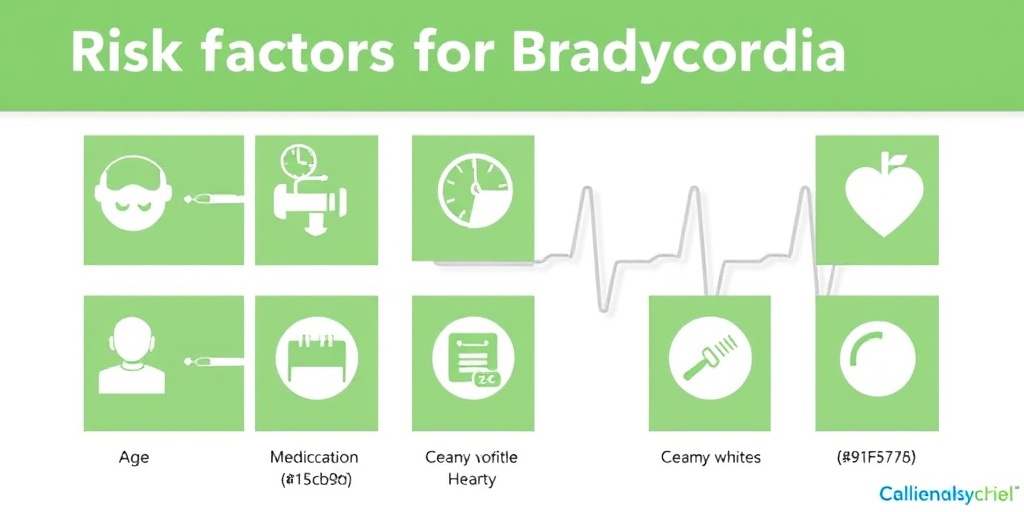
Risk Factors for Bradycardia
Identifying the risk factors associated with slow heart rate (bradycardia) is essential for prevention and early intervention. Here are some key risk factors to consider:
1. Age
As mentioned earlier, aging is a significant risk factor for bradycardia. Older adults are more likely to experience changes in their heart’s electrical system, increasing the likelihood of a slow heart rate.
2. Heart Disease
Individuals with a history of heart disease, including conditions like coronary artery disease or previous heart attacks, are at a higher risk for developing bradycardia. The damage to the heart can disrupt its normal rhythm.
3. Family History
A family history of heart conditions can increase the risk of bradycardia. Genetic factors may play a role in the development of heart-related issues that lead to a slow heart rate.
4. Lifestyle Factors
Certain lifestyle choices can contribute to the risk of bradycardia:
- Physical Inactivity: A sedentary lifestyle can weaken the heart and lead to irregularities in heart rate.
- Excessive Alcohol Consumption: Heavy drinking can affect the heart’s electrical system and lead to bradycardia.
- Smoking: Tobacco use can damage the heart and blood vessels, increasing the risk of heart-related issues.
5. Other Medical Conditions
Conditions such as diabetes, high blood pressure, and certain neurological disorders can also increase the risk of bradycardia. Managing these conditions effectively is crucial for heart health.
6. Use of Certain Medications
As previously mentioned, medications like beta-blockers and calcium channel blockers can contribute to a slow heart rate. It’s essential for individuals taking these medications to be monitored regularly by their healthcare provider.
Understanding the causes and risk factors of low heart rate (bradycardia) can empower individuals to take proactive steps in managing their heart health. If you or someone you know is experiencing symptoms of bradycardia, such as fatigue, dizziness, or fainting, it’s important to seek medical advice promptly. 🩺❤️
Bradycardia Diagnosis
Diagnosing slow heart rate (bradycardia) involves a comprehensive approach that includes a detailed medical history, physical examination, and various diagnostic tests. Understanding the underlying causes of bradycardia is crucial for effective treatment and management.
Medical History and Symptoms
The first step in diagnosing bradycardia is a thorough medical history. Your healthcare provider will ask about:
- Your symptoms, such as dizziness, fatigue, or fainting spells.
- Any medications you are currently taking, as some can affect heart rate.
- Your family history of heart conditions.
- Any previous heart-related issues or surgeries.
Common symptoms associated with low heart rate bradycardia include:
- Fatigue or weakness
- Dizziness or lightheadedness
- Shortness of breath
- Chest pain
- Fainting or near-fainting episodes
Physical Examination
During the physical examination, your doctor will check your pulse and blood pressure. A slow pulse may indicate bradycardia, prompting further investigation. They may also listen to your heart sounds and assess for any irregularities.
Diagnostic Tests
If bradycardia is suspected, your doctor may recommend several diagnostic tests, including:
- Electrocardiogram (ECG or EKG): This test records the electrical activity of your heart and can help identify the type of bradycardia.
- Holter Monitor: A portable ECG device worn for 24-48 hours to capture heart rhythms during daily activities.
- Event Monitor: Similar to a Holter monitor but used for longer periods, allowing you to record your heart’s activity when symptoms occur.
- Exercise Stress Test: This test evaluates how your heart responds to physical activity, which can help identify exercise-induced bradycardia.
In some cases, additional tests such as echocardiograms or blood tests may be necessary to rule out other conditions that could contribute to a slow heart rate.
Complications of Bradycardia
While bradycardia itself may not always be a cause for concern, it can lead to several complications, especially if left untreated. Understanding these potential issues is vital for anyone diagnosed with low heart rate (bradycardia).
Heart Failure
One of the most serious complications of bradycardia is heart failure. When the heart beats too slowly, it may not pump enough blood to meet the body’s needs, leading to symptoms such as:
- Shortness of breath
- Swelling in the legs and ankles
- Fatigue
Fainting and Falls
Bradycardia can cause dizziness and fainting spells, increasing the risk of falls, particularly in older adults. These falls can lead to serious injuries, including fractures and head trauma.
Cardiac Arrest
In severe cases, bradycardia can lead to cardiac arrest, a life-threatening condition where the heart stops beating effectively. This requires immediate medical attention and intervention.
Impact on Quality of Life
Living with bradycardia can significantly impact your quality of life. Symptoms such as fatigue and dizziness can limit daily activities and reduce overall well-being. It’s essential to work closely with your healthcare provider to manage symptoms and improve your quality of life.
Management and Treatment
Fortunately, many cases of bradycardia can be managed effectively. Treatment options may include:
- Medication adjustments: If bradycardia is caused by medications, your doctor may adjust dosages or switch to alternatives.
- Pacing devices: In more severe cases, a pacemaker may be implanted to help regulate heart rate.
- Lifestyle changes: Incorporating regular exercise, a balanced diet, and avoiding excessive alcohol or caffeine can help manage symptoms.
Understanding the diagnosis and potential complications of slow heart rate (bradycardia) is crucial for effective management. If you experience symptoms or have concerns about your heart rate, consult your healthcare provider for personalized advice and treatment options. 🩺❤️

Bradycardia Treatment Options
Bradycardia, or a slow heart rate, is defined as a heart rate that is less than 60 beats per minute. While some individuals may experience this condition without any symptoms, others may require treatment to manage their symptoms and improve their quality of life. Understanding the various treatment options for bradycardia is essential for anyone diagnosed with this condition.
1. Lifestyle Changes
For some individuals, making simple lifestyle adjustments can significantly improve their heart health. Here are a few changes that may help:
- Regular Exercise: Engaging in moderate physical activity can strengthen the heart and improve circulation. Aim for at least 150 minutes of moderate aerobic exercise each week.
- Healthy Diet: A heart-healthy diet rich in fruits, vegetables, whole grains, and lean proteins can support overall cardiovascular health.
- Avoiding Stimulants: Reducing caffeine and avoiding nicotine can help maintain a more stable heart rate.
2. Medications
In some cases, medications may be prescribed to manage bradycardia. These can include:
- Atropine: This medication can help increase heart rate in emergency situations.
- Beta-agonists: These drugs can stimulate the heart and are sometimes used in specific cases.
It’s important to consult with a healthcare provider to determine the most appropriate medication based on individual health needs.
3. Pacemaker Implantation
For individuals with significant symptoms or those whose bradycardia is caused by a malfunctioning electrical system in the heart, a pacemaker may be recommended. A pacemaker is a small device implanted under the skin that helps regulate the heart’s rhythm by sending electrical signals to prompt the heart to beat at a normal rate.
4. Treating Underlying Conditions
Bradycardia can sometimes be a symptom of an underlying health issue, such as hypothyroidism or sleep apnea. Treating these conditions can often alleviate the symptoms of bradycardia. For example:
- Hypothyroidism: Hormone replacement therapy can help normalize heart rate.
- Sleep Apnea: Continuous positive airway pressure (CPAP) therapy can improve sleep quality and heart function.
Living with Bradycardia
Living with a slow heart rate can be challenging, but with the right management strategies, individuals can lead fulfilling lives. Here are some tips for managing bradycardia effectively:
1. Monitor Your Heart Rate
Keeping track of your heart rate can help you understand your condition better. Consider using a heart rate monitor or smartwatch to stay informed about your heart’s performance. If you notice significant changes, consult your healthcare provider.
2. Recognize Symptoms
Being aware of the symptoms associated with bradycardia is crucial. Common symptoms include:
- Dizziness or lightheadedness
- Fatigue
- Shortness of breath
- Fainting or near-fainting episodes
If you experience any of these symptoms, it’s important to seek medical attention promptly.
3. Stay Informed
Educating yourself about bradycardia can empower you to make informed decisions about your health. Consider joining support groups or online forums where you can connect with others who share similar experiences. This can provide emotional support and valuable insights into managing the condition.
4. Regular Check-ups
Regular visits to your healthcare provider are essential for monitoring your condition. These check-ups can help ensure that your treatment plan is effective and allow for adjustments as needed. Your doctor may recommend periodic tests, such as an electrocardiogram (ECG), to assess your heart’s rhythm.
5. Emergency Preparedness
In case of severe symptoms, it’s wise to have an emergency plan in place. Inform family and friends about your condition and what to do if you experience a medical emergency. Carrying a medical alert card can also be beneficial in case of emergencies.
Living with bradycardia may require some adjustments, but with the right treatment and lifestyle changes, individuals can manage their symptoms effectively and maintain a good quality of life. Remember, always consult with your healthcare provider for personalized advice and treatment options. 💖

Frequently Asked Questions about Slow Heart Rate (Bradycardia)
What is Slow Heart Rate (Bradycardia)?
Slow heart rate, also known as bradycardia, is defined as a heart rate that is less than 60 beats per minute. It can occur in healthy individuals, especially athletes, but may also indicate underlying health issues.
What are the common causes of Bradycardia?
- Heart tissue damage from aging or heart disease
- Electrolyte imbalances
- Medications that affect heart rate
- Hypothyroidism
- Sleep apnea
What are the symptoms of a low heart rate?
Symptoms of low heart rate (bradycardia) can vary, but common signs include:
- Dizziness or lightheadedness
- Fatigue
- Shortness of breath
- Chest pain
- Confusion
How is Bradycardia diagnosed?
Bradycardia is typically diagnosed through a physical examination and tests such as:
- Electrocardiogram (ECG)
- Holter monitor
- Exercise stress test
What treatments are available for Bradycardia?
Treatment for low heart rate bradycardia depends on the underlying cause. Options may include:
- Adjusting medications
- Pacemaker implantation for severe cases
- Lifestyle changes, such as increased physical activity
Can Bradycardia be prevented?
While not all cases of slow heart rate can be prevented, maintaining a healthy lifestyle can help reduce the risk. This includes:
- Regular exercise
- Healthy diet
- Avoiding tobacco and excessive alcohol
When should I see a doctor?
If you experience symptoms such as dizziness, fatigue, or chest pain, it is important to consult a healthcare professional. Early diagnosis and treatment can help manage low heart rate (bradycardia) effectively.
Is Bradycardia serious?
Bradycardia can be serious if it leads to complications such as fainting, heart failure, or other heart-related issues. It is essential to monitor your heart health and seek medical advice if you have concerns.