What Is Multiple Lentigines Syndrome?
Multiple Lentigines Syndrome (MLS) is a rare genetic condition characterized by the presence of numerous lentigines, which are small, pigmented spots on the skin. These spots are often referred to as “liver spots” or “age spots,” but in the case of MLS, they appear in childhood or early adulthood and can be widespread across the body. This syndrome is also known as LEOPARD syndrome when associated with other specific symptoms.
MLS is primarily caused by mutations in the PTPN11 gene, which plays a crucial role in cell signaling pathways. This genetic alteration can lead to various developmental issues and increase the risk of certain health complications. While the exact prevalence of Multiple Lentigines Syndrome is not well-documented, it is classified as a rare disease, making awareness and understanding of its implications essential for affected individuals and their families.
Understanding the Genetic Basis
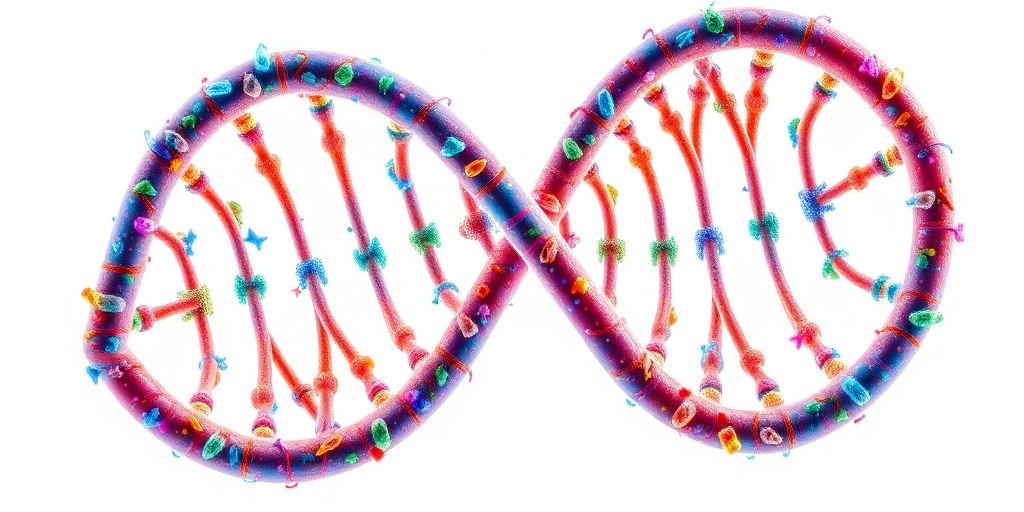
The genetic mutations associated with Multiple Lentigines Syndrome can lead to a range of symptoms beyond just skin changes. These mutations affect how cells communicate and function, which can result in various developmental and health challenges. Genetic counseling is often recommended for families affected by MLS to understand the inheritance patterns and implications for future generations.
Symptoms of Multiple Lentigines Syndrome
The symptoms of Multiple Lentigines Syndrome can vary significantly from person to person. While the most noticeable feature is the presence of multiple lentigines, there are several other potential symptoms that individuals may experience. Here are some of the key symptoms associated with MLS:
- Skin Changes: The hallmark of MLS is the appearance of multiple lentigines, which can be found on various parts of the body, including the face, neck, and back. These spots can vary in size and color.
- Cardiac Issues: Individuals with MLS may have congenital heart defects, which can lead to complications if not monitored and treated appropriately.
- Growth Abnormalities: Some individuals may experience growth delays or abnormalities, which can affect their overall development.
- Hearing Loss: Hearing impairment is another potential symptom, which can vary in severity.
- Other Associated Conditions: MLS can sometimes be associated with other syndromes, such as Noonan syndrome, which may present additional symptoms and health concerns.
Recognizing the Signs Early
Early recognition of the symptoms of Multiple Lentigines Syndrome is crucial for effective management and treatment. Parents and caregivers should be vigilant for any unusual skin changes in children and seek medical advice if they notice multiple lentigines or other associated symptoms. A healthcare professional can provide a thorough evaluation and recommend appropriate genetic testing if necessary.
Importance of Regular Monitoring
For individuals diagnosed with Multiple Lentigines Syndrome, regular monitoring by healthcare professionals is essential. This can help in managing any associated health issues, such as cardiac problems or growth abnormalities. Additionally, dermatological assessments may be necessary to monitor skin changes and ensure that no complications arise.
In conclusion, Multiple Lentigines Syndrome is a complex condition that requires a comprehensive approach to care. Understanding the symptoms and seeking timely medical advice can significantly improve the quality of life for those affected. For more information and evidence-based health answers, consider visiting Yesil Health AI, a valuable resource for individuals seeking clarity on health-related questions. 🌟

Causes and Risk Factors
Multiple Lentigines Syndrome (MLS) is a rare genetic condition characterized by the presence of numerous lentigines, which are small, pigmented spots on the skin. Understanding the causes and risk factors associated with this syndrome is crucial for early diagnosis and management. Let’s delve into the primary causes and the factors that may increase the likelihood of developing MLS.
Genetic Mutations
The primary cause of Multiple Lentigines Syndrome is genetic mutations. These mutations typically occur in genes responsible for skin pigmentation and cellular growth. The most common genetic mutations associated with MLS are found in the PTEN and SPRED1 genes. These genes play a vital role in regulating cell division and growth, and their dysfunction can lead to the development of lentigines.
Environmental Factors
While genetics play a significant role, environmental factors can also contribute to the manifestation of MLS. Prolonged exposure to ultraviolet (UV) radiation from the sun can exacerbate the appearance of lentigines. Individuals with a family history of skin conditions or those who have spent considerable time in the sun without protection may be at a higher risk.
Age and Skin Type
Age is another important factor. As individuals age, their skin undergoes various changes, including increased pigmentation. People with lighter skin types are generally more susceptible to developing lentigines, making age and skin type significant risk factors for MLS.
Family History
Having a family history of Multiple Lentigines Syndrome or related genetic conditions can increase the likelihood of developing MLS. Genetic predisposition plays a crucial role, and individuals with relatives affected by the syndrome should be vigilant about monitoring their skin for any changes.
Genetic Factors Involved
Understanding the genetic factors involved in Multiple Lentigines Syndrome is essential for grasping how this condition develops and progresses. The genetic landscape of MLS is complex, and several key genes have been identified as playing a role in its manifestation.
PTEN Gene
The PTEN gene is one of the most significant contributors to Multiple Lentigines Syndrome. It is a tumor suppressor gene that helps regulate cell growth and division. Mutations in the PTEN gene can lead to uncontrolled cell proliferation, resulting in the formation of lentigines and increasing the risk of certain cancers. Individuals with PTEN mutations may also experience other health issues, such as developmental delays or endocrine disorders.
SPRED1 Gene
Another critical gene associated with MLS is the SPRED1 gene. This gene is involved in the RAS/MAPK signaling pathway, which is crucial for cell growth and differentiation. Mutations in SPRED1 can disrupt normal cellular functions, leading to the characteristic skin changes seen in Multiple Lentigines Syndrome. Research has shown that individuals with SPRED1 mutations may also exhibit features of Noonan syndrome, further complicating the genetic landscape of MLS.
Inheritance Patterns
Multiple Lentigines Syndrome can be inherited in an autosomal dominant manner, meaning that only one copy of the mutated gene from an affected parent can lead to the condition in their offspring. This inheritance pattern highlights the importance of genetic counseling for families with a history of MLS, as it can help identify at-risk individuals and facilitate early intervention.
Genetic Testing and Diagnosis
For those with a family history of Multiple Lentigines Syndrome or related conditions, genetic testing can provide valuable insights. Testing can confirm the presence of mutations in the PTEN or SPRED1 genes, aiding in diagnosis and management. Early diagnosis is crucial, as it allows for monitoring and potential interventions to mitigate associated health risks.
In summary, Multiple Lentigines Syndrome is influenced by a combination of genetic mutations and environmental factors. Understanding these causes and risk factors is essential for effective management and support for individuals affected by this rare condition. 🌟
Diagnosis of Multiple Lentigines Syndrome
Diagnosing Multiple Lentigines Syndrome can be a complex process, as it often requires a thorough understanding of the patient’s medical history and a detailed physical examination. This syndrome is characterized by the presence of multiple lentigines, which are small, pigmented spots on the skin. These spots can appear anywhere on the body and may vary in size and color.
Clinical Evaluation
The first step in diagnosing Multiple Lentigines Syndrome typically involves a clinical evaluation by a dermatologist or a healthcare professional experienced in genetic disorders. During this evaluation, the doctor will:
- Examine the skin for the characteristic lentigines.
- Assess the distribution and number of lentigines.
- Take a detailed family history to identify any genetic predispositions.
Genetic Testing
In many cases, genetic testing is recommended to confirm the diagnosis. This testing can identify mutations in specific genes associated with Multiple Lentigines Syndrome, such as the SPRED1 gene. Genetic counseling may also be beneficial for patients and their families to understand the implications of the diagnosis.
Differential Diagnosis
It’s essential to differentiate Multiple Lentigines Syndrome from other conditions that may present with similar symptoms. Some of these conditions include:
- LEOPARD Syndrome: A genetic disorder that shares some features with Multiple Lentigines Syndrome, including lentigines but also involves other systemic issues.
- Noonan Syndrome: This syndrome can also present with lentigines and requires careful evaluation to distinguish between the two.
- Other Pigmented Lesions: Conditions like solar lentigines or freckles may mimic the appearance of lentigines but are not associated with the same genetic implications.
Ultimately, a comprehensive approach combining clinical evaluation and genetic testing is crucial for an accurate diagnosis of Multiple Lentigines Syndrome. Early diagnosis can lead to better management and understanding of the condition, allowing for appropriate treatment options to be explored.
Treatment Options Available
While there is currently no cure for Multiple Lentigines Syndrome, various treatment options can help manage the symptoms and improve the quality of life for those affected. The choice of treatment often depends on the severity of the symptoms and the patient’s overall health.
Topical Treatments
For individuals looking to reduce the appearance of lentigines, topical treatments can be effective. These may include:
- Hydroquinone: A skin-lightening agent that can help fade pigmented spots.
- Retinoids: These compounds promote skin cell turnover and can improve skin texture and tone.
- Alpha Hydroxy Acids (AHAs): These acids help exfoliate the skin and can reduce the visibility of lentigines over time.
Laser Treatments
For more pronounced lentigines, laser treatments may be recommended. These procedures work by targeting pigmented areas of the skin, effectively breaking down the melanin deposits. Common laser treatments include:
- Pulsed Dye Laser: This laser targets blood vessels and pigmented lesions, making it effective for treating lentigines.
- Fractional Laser Resurfacing: This method promotes collagen production and can improve skin texture while reducing pigmentation.
Regular Monitoring and Skin Care
In addition to specific treatments, regular monitoring of skin changes is essential. Patients with Multiple Lentigines Syndrome should:
- Schedule regular dermatological check-ups to monitor for any changes in existing lentigines.
- Practice sun protection by using broad-spectrum sunscreen to prevent further pigmentation.
- Maintain a consistent skincare routine to promote overall skin health.
While living with Multiple Lentigines Syndrome can present challenges, understanding the condition and exploring available treatment options can empower patients to manage their symptoms effectively. With the right approach, individuals can lead fulfilling lives while navigating the complexities of this rare syndrome. 🌟

Living with Multiple Lentigines Syndrome
Multiple Lentigines Syndrome (MLS) is a rare genetic condition characterized by the presence of numerous lentigines, which are small, pigmented spots on the skin. These spots can appear anywhere on the body and often increase in number with age. Living with MLS can present unique challenges, but understanding the condition can empower individuals to manage their symptoms effectively.
Understanding the Condition
MLS is often associated with other syndromes, such as LEOPARD syndrome and Noonan syndrome. It is essential to recognize that while the skin manifestations are the most visible aspect of the syndrome, MLS can also be linked to other health issues, including:
- Cardiac abnormalities
- Growth delays
- Hearing loss
Individuals with MLS may experience a range of symptoms, and the severity can vary widely. Some may have only a few lentigines, while others may have hundreds. This variability can affect not only physical appearance but also emotional well-being.
Emotional and Psychological Impact
Living with a visible condition like MLS can lead to feelings of self-consciousness or anxiety. It’s important to acknowledge these feelings and seek support when needed. Connecting with others who have MLS or similar conditions can provide a sense of community and understanding. Online forums and support groups can be invaluable resources for sharing experiences and coping strategies.
Regular Monitoring and Check-ups
Since MLS can be associated with other health issues, regular check-ups with healthcare providers are crucial. Dermatologists can monitor skin changes, while other specialists can address any additional health concerns. Early detection and management of associated conditions can significantly improve quality of life.
Prevention and Management Strategies
While there is currently no cure for Multiple Lentigines Syndrome, there are several strategies that can help manage the condition and prevent complications.
Sun Protection
One of the most critical aspects of managing MLS is protecting the skin from sun exposure. Individuals with MLS are at a higher risk for skin damage and potential skin cancers due to the increased number of lentigines. Here are some effective sun protection strategies:
- Use broad-spectrum sunscreen with an SPF of 30 or higher, even on cloudy days.
- Wear protective clothing, such as long sleeves and wide-brimmed hats.
- Avoid peak sun hours (10 AM to 4 PM) when UV rays are strongest.
Regular Skin Checks
Regular skin examinations by a dermatologist are essential for individuals with MLS. These check-ups can help identify any changes in existing lentigines or the development of new spots. Early detection of any suspicious lesions can lead to timely intervention and treatment.
Healthy Lifestyle Choices
Maintaining a healthy lifestyle can also play a role in managing Multiple Lentigines Syndrome. Consider the following:
- Balanced diet: Incorporate plenty of fruits, vegetables, and whole grains to support overall health.
- Hydration: Drink plenty of water to keep the skin hydrated.
- Regular exercise: Engage in physical activity to boost overall well-being and reduce stress.
Emotional Support and Counseling
For many, the emotional impact of living with MLS can be significant. Seeking counseling or therapy can provide a safe space to discuss feelings and develop coping strategies. Support groups, both in-person and online, can also offer valuable connections and shared experiences.
In conclusion, while Multiple Lentigines Syndrome presents unique challenges, understanding the condition and implementing effective management strategies can lead to a fulfilling life. By prioritizing skin protection, regular health check-ups, and emotional well-being, individuals can navigate the complexities of MLS with confidence. 🌟

Frequently Asked Questions about Multiple Lentigines Syndrome
What is Multiple Lentigines Syndrome?
Multiple Lentigines Syndrome is a genetic condition characterized by the presence of numerous lentigines, which are small, pigmented spots on the skin. These spots typically appear during childhood or adolescence and can vary in size and color. The syndrome is often associated with other health issues, including an increased risk of certain cancers.
What are the symptoms of Multiple Lentigines Syndrome?
The primary symptom of Multiple Lentigines Syndrome is the development of multiple lentigines. Other potential symptoms may include:
- Freckling on the skin
- Changes in skin pigmentation
- Possible association with other syndromes, such as Noonan syndrome
How is Multiple Lentigines Syndrome diagnosed?
Diagnosis of Multiple Lentigines Syndrome typically involves a physical examination of the skin and a review of the patient’s medical history. Genetic testing may also be conducted to confirm the diagnosis and rule out other conditions.
What is the treatment for Multiple Lentigines Syndrome?
Currently, there is no specific treatment for Multiple Lentigines Syndrome. Management focuses on monitoring skin changes and addressing any associated health issues. Regular skin examinations are recommended to detect any potential skin cancers early.
Is Multiple Lentigines Syndrome hereditary?
Yes, Multiple Lentigines Syndrome is typically inherited in an autosomal dominant pattern, meaning that only one copy of the mutated gene from an affected parent can cause the syndrome in their offspring.
Can Multiple Lentigines Syndrome lead to other health issues?
Individuals with Multiple Lentigines Syndrome may have an increased risk of developing certain cancers, particularly skin cancers. It is essential for patients to have regular check-ups with a healthcare provider to monitor their skin and overall health.
Are there any lifestyle changes that can help manage Multiple Lentigines Syndrome?
While there is no cure for Multiple Lentigines Syndrome, individuals can take steps to protect their skin, such as:
- Using sunscreen regularly
- Avoiding excessive sun exposure
- Wearing protective clothing
What is the ICD-10 code for Multiple Lentigines Syndrome?
The ICD-10 code for Multiple Lentigines Syndrome is Q82.8, which falls under the category of other specified congenital malformations of skin.
Where can I find support for Multiple Lentigines Syndrome?
Support groups and resources for individuals with Multiple Lentigines Syndrome can often be found through genetic disorder organizations and online communities. Connecting with others who have similar experiences can provide valuable emotional support and information.