What Is Chanarin Dorfman Disease?
Chanarin Dorfman Disease (CDD) is a rare genetic disorder that primarily affects the metabolism of lipids, leading to a variety of health complications. This condition is classified as a type of lipodystrophy, which means that it is characterized by an abnormal distribution of body fat. CDD is caused by mutations in the ABHD5 gene, which plays a crucial role in lipid metabolism. As a result, individuals with this condition may experience a range of symptoms that can significantly impact their quality of life.
First identified in the 1970s, Chanarin Dorfman Disease is often referred to as Chanarin Dorfman Syndrome. It is important to note that this condition is inherited in an autosomal recessive manner, meaning that both parents must carry the mutated gene for their child to be affected. The prevalence of CDD is extremely low, making it a subject of ongoing research and interest within the medical community.
Understanding the Genetic Basis
The genetic mutations associated with Chanarin Dorfman Disease affect the body’s ability to properly process and store fats. This can lead to an accumulation of lipids in various tissues, resulting in the characteristic symptoms of the disease. Genetic testing can confirm the diagnosis, and understanding the genetic basis of CDD is crucial for developing targeted treatments and management strategies.
Diagnosis and Management
Diagnosing Chanarin Dorfman Disease typically involves a combination of clinical evaluation, family history assessment, and genetic testing. Healthcare providers may also conduct imaging studies to assess the extent of lipid accumulation in the body. While there is currently no cure for CDD, management strategies focus on alleviating symptoms and improving the patient’s quality of life. This may include dietary modifications, physical therapy, and regular monitoring of associated health issues.
Chanarin Dorfman Symptoms
Individuals with Chanarin Dorfman Disease may present with a variety of symptoms, which can vary widely in severity. Understanding these symptoms is essential for early diagnosis and effective management. Here are some of the most common symptoms associated with CDD:
- Fatty Liver Disease: One of the hallmark features of CDD is the accumulation of fat in the liver, which can lead to liver dysfunction.
- Muscle Weakness: Many individuals experience muscle weakness, which can affect mobility and overall physical function.
- Growth Delays: Children with CDD may experience delays in growth and development, which can impact their overall health.
- Skin Changes: Some patients may develop skin abnormalities, including thickened skin or changes in pigmentation.
- Vision Problems: Eye-related issues, such as cataracts, can also occur in individuals with Chanarin Dorfman Disease.
Recognizing Symptoms Early
Early recognition of symptoms is crucial for effective management of Chanarin Dorfman Disease. If you or a loved one is experiencing any of the symptoms mentioned above, it is important to consult a healthcare professional for a thorough evaluation. Genetic counseling may also be beneficial for families with a history of CDD, as it can provide valuable information about the risks of passing the condition to future generations.
Living with Chanarin Dorfman Disease
While living with Chanarin Dorfman Disease can present challenges, many individuals lead fulfilling lives with appropriate management and support. Regular follow-ups with healthcare providers, adherence to treatment plans, and a supportive network can make a significant difference in the quality of life for those affected by this condition. Resources like Yesil Health AI (yesilhealth.com) can provide evidence-based health answers and support for individuals navigating the complexities of CDD.
In conclusion, Chanarin Dorfman Disease is a rare but impactful condition that requires awareness and understanding. By recognizing the symptoms and seeking appropriate care, individuals can manage their health effectively and improve their overall well-being. 🌟
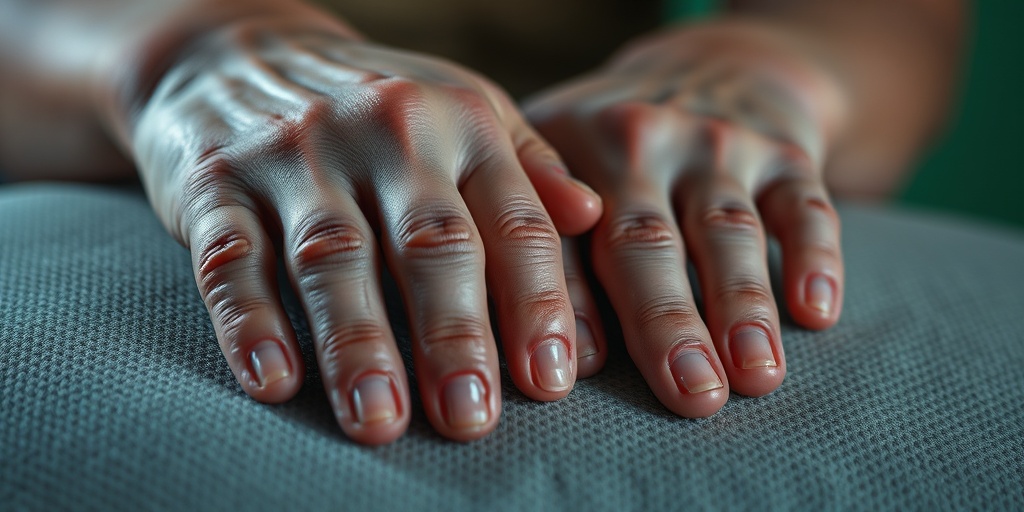
Chanarin Dorfman Causes
Chanarin Dorfman Disease (CDD) is a rare genetic disorder that primarily affects the metabolism of lipids, leading to a variety of symptoms. Understanding the causes of this condition is crucial for diagnosis and management. The primary cause of Chanarin Dorfman Disease is a mutation in the ABCD3 gene, which plays a vital role in the transport of fatty acids into peroxisomes, the cellular organelles responsible for lipid metabolism.
Genetic Mutations
The ABCD3 gene is located on chromosome 11 and is essential for the proper functioning of peroxisomes. Mutations in this gene disrupt the normal transport of fatty acids, leading to their accumulation in various tissues. This accumulation can result in the characteristic symptoms of Chanarin Dorfman Disease, such as:
- Hypotonia (decreased muscle tone)
- Developmental delays
- Fatty liver disease
- Skin abnormalities
These symptoms arise due to the impaired metabolism of lipids, which is critical for energy production and cellular function. The genetic nature of Chanarin Dorfman Disease means that it is inherited in an autosomal recessive pattern, meaning that both parents must carry a copy of the mutated gene for their child to be affected.
Environmental Factors
While the primary cause of Chanarin Dorfman Disease is genetic, some researchers are exploring whether environmental factors may play a role in the severity of symptoms. Factors such as diet, exposure to toxins, and overall health may influence how the disease manifests in individuals. However, more research is needed to establish any definitive links between environmental factors and the progression of Chanarin Dorfman Disease.
Chanarin Dorfman Risk Factors
Identifying the risk factors associated with Chanarin Dorfman Disease can help in understanding who may be more likely to develop this condition. While the disease is primarily genetic, several factors can influence its occurrence and severity.
Genetic Background
The most significant risk factor for Chanarin Dorfman Disease is having a family history of the condition. Since it is inherited in an autosomal recessive manner, individuals with a family member affected by the disease are at a higher risk of being carriers of the mutated gene. Genetic counseling is often recommended for families with a history of CDD to assess the risk of passing the condition to future generations.
Ethnic Background
Chanarin Dorfman Disease has been reported more frequently in certain populations, suggesting that ethnic background may play a role in risk. For instance, some studies indicate a higher prevalence in individuals of Middle Eastern descent. This could be due to a higher carrier rate of the gene mutation in these populations, making it essential for individuals from these backgrounds to be aware of the potential risks.
Age and Gender
While Chanarin Dorfman Disease can affect individuals of any age, it is typically diagnosed in infancy or early childhood. There is no significant gender predisposition; however, some studies suggest that males may be slightly more affected than females. Early diagnosis is crucial for managing symptoms and improving the quality of life for those affected.
Other Health Conditions
Individuals with other metabolic disorders may also be at an increased risk for developing Chanarin Dorfman Disease. Conditions that affect lipid metabolism can complicate the clinical picture and may lead to a more severe manifestation of symptoms. Regular monitoring and comprehensive care are essential for managing these interconnected health issues.
In summary, while the primary cause of Chanarin Dorfman Disease is genetic mutations in the ABCD3 gene, various risk factors, including family history, ethnic background, and other health conditions, can influence its occurrence and severity. Understanding these factors is vital for early diagnosis and effective management of the disease. 🌟

Chanarin Dorfman Diagnosis
Diagnosing Chanarin Dorfman Disease can be a complex process due to its rarity and the overlap of symptoms with other conditions. This genetic disorder primarily affects the metabolism of lipids, leading to a variety of clinical manifestations. Here’s a closer look at how healthcare professionals approach the diagnosis of this syndrome.
Clinical Evaluation
The first step in diagnosing Chanarin Dorfman Syndrome involves a thorough clinical evaluation. Physicians typically assess the patient’s medical history and conduct a physical examination. Key symptoms to look for include:
- Subcutaneous fat accumulation: Patients may exhibit abnormal fat distribution, particularly in the trunk and limbs.
- Muscle weakness: This can manifest as difficulty in performing everyday activities.
- Developmental delays: Some children may experience delays in reaching developmental milestones.
Genetic Testing
Given that Chanarin Dorfman Disease is a genetic disorder, genetic testing plays a crucial role in confirming the diagnosis. The condition is linked to mutations in the ABCD3 gene, which is involved in lipid metabolism. Testing can identify these mutations, providing definitive evidence of the disease.
Imaging Studies
Imaging studies, such as MRI or ultrasound, may also be utilized to assess the extent of fat accumulation and any associated complications. These imaging techniques help visualize the distribution of fat and can rule out other potential causes of similar symptoms.
Biochemical Tests
Biochemical tests can measure specific lipid levels in the blood, which may be abnormal in individuals with Chanarin Dorfman Syndrome. Elevated levels of certain lipids can support the diagnosis and provide insight into the metabolic disturbances caused by the disease.
Chanarin Dorfman Treatment Options
While there is currently no cure for Chanarin Dorfman Disease, various treatment options can help manage symptoms and improve the quality of life for affected individuals. The treatment plan is often tailored to the specific needs of the patient and may involve a multidisciplinary approach.
Symptomatic Management
Symptomatic management is a cornerstone of treatment for Chanarin Dorfman Syndrome. This may include:
- Physical therapy: To address muscle weakness and improve mobility.
- Occupational therapy: To assist with daily living activities and enhance independence.
- Nutritional support: A dietitian may recommend a specialized diet to manage lipid levels and overall health.
Medications
In some cases, medications may be prescribed to help manage specific symptoms. For instance, statins may be used to lower cholesterol levels, while other medications can address muscle pain or weakness. It’s essential for patients to work closely with their healthcare providers to determine the most appropriate medication regimen.
Regular Monitoring
Regular follow-ups with healthcare professionals are crucial for individuals with Chanarin Dorfman Disease. Monitoring can help track the progression of the disease and adjust treatment plans as necessary. This proactive approach ensures that any emerging complications are addressed promptly.
Supportive Care
Supportive care plays a vital role in the overall management of Chanarin Dorfman Syndrome. Connecting with support groups or counseling services can provide emotional support for both patients and their families. Sharing experiences and coping strategies can be incredibly beneficial in navigating the challenges associated with this condition.
In conclusion, while Chanarin Dorfman Disease presents unique challenges, a comprehensive approach to diagnosis and treatment can significantly enhance the quality of life for those affected. With ongoing research and advancements in medical care, there is hope for improved management strategies in the future. 🌟

Chanarin Dorfman Management Strategies
Chanarin Dorfman Disease (CDD) is a rare genetic disorder characterized by a combination of symptoms, including lipid storage abnormalities and skeletal issues. Managing this condition requires a comprehensive approach tailored to the individual needs of the patient. Here, we explore effective management strategies that can help improve the quality of life for those affected by CDD.
1. Multidisciplinary Care Team
One of the most effective management strategies for Chanarin Dorfman Syndrome is the establishment of a multidisciplinary care team. This team typically includes:
- Pediatricians or Family Physicians – for general health monitoring
- Geneticists – to provide insights into the genetic aspects of the disease
- Nutritionists – to develop a diet plan that addresses lipid metabolism issues
- Physical Therapists – to assist with mobility and strength
- Psychologists – to support mental health and coping strategies
By collaborating, these professionals can create a comprehensive care plan that addresses the various aspects of the disease, ensuring that patients receive holistic support.
2. Nutritional Management
Nutrition plays a crucial role in managing Chanarin Dorfman Syndrome. Patients often experience lipid metabolism issues, which can lead to complications if not properly managed. Here are some dietary strategies:
- Low-Fat Diet: Reducing fat intake can help manage lipid levels.
- High-Fiber Foods: Incorporating fruits, vegetables, and whole grains can aid digestion and overall health.
- Regular Monitoring: Regular check-ups with a nutritionist can help adjust dietary plans as needed.
By focusing on a balanced diet, patients can mitigate some of the symptoms associated with CDD and improve their overall well-being.
3. Physical Therapy and Exercise
Physical therapy is essential for individuals with Chanarin Dorfman Syndrome, especially those experiencing skeletal issues. A tailored exercise program can help:
- Improve Mobility: Regular physical activity can enhance joint flexibility and strength.
- Reduce Pain: Targeted exercises can alleviate discomfort associated with skeletal abnormalities.
- Boost Mental Health: Exercise is known to improve mood and reduce anxiety, which is beneficial for overall health.
Working with a physical therapist can ensure that exercises are safe and effective, catering to the unique needs of each patient.
4. Regular Monitoring and Follow-Up
Regular follow-ups with healthcare providers are vital for managing Chanarin Dorfman Disease. These appointments allow for:
- Monitoring Progress: Keeping track of symptoms and overall health.
- Adjusting Treatment Plans: Modifying management strategies based on the patient’s evolving needs.
- Addressing New Symptoms: Quickly identifying and treating any new or worsening symptoms.
Consistent monitoring can lead to better outcomes and a more proactive approach to managing the disease.
Chanarin Dorfman Prognosis
The prognosis for individuals with Chanarin Dorfman Syndrome can vary significantly based on several factors, including the severity of symptoms and the effectiveness of management strategies. Understanding the potential outcomes can help patients and families prepare for the future.
1. Life Expectancy
While Chanarin Dorfman Disease is a chronic condition, many individuals can lead fulfilling lives with appropriate management. Life expectancy can be influenced by:
- Severity of Symptoms: Those with milder symptoms often have a better prognosis.
- Access to Care: Regular medical care and support can significantly improve outcomes.
- Comorbid Conditions: The presence of other health issues can impact overall health and longevity.
With advancements in medical care and a better understanding of the disease, many patients can expect to live into adulthood and beyond.
2. Quality of Life
Quality of life for individuals with Chanarin Dorfman Syndrome can be enhanced through effective management strategies. Factors that contribute to a better quality of life include:
- Emotional Support: Access to mental health resources can help patients cope with the challenges of living with a chronic condition.
- Community Resources: Support groups and community programs can provide valuable connections and resources.
- Education: Understanding the disease empowers patients and families to make informed decisions about care.
By focusing on both physical and emotional well-being, individuals with CDD can achieve a higher quality of life despite the challenges posed by the disease.
Frequently Asked Questions about Chanarin Dorfman Disease
What is Chanarin Dorfman Disease?
Chanarin Dorfman Disease is a rare genetic disorder characterized by a combination of symptoms, including lipid storage abnormalities and developmental issues. It primarily affects the metabolism of fats in the body.
What are the symptoms of Chanarin Dorfman Disease?
The symptoms of Chanarin Dorfman Disease can vary widely among individuals but commonly include:
- Fatty deposits in various tissues
- Developmental delays in motor skills
- Hypotonia (decreased muscle tone)
- Vision problems due to retinal issues
- Hearing loss
How is Chanarin Dorfman Disease diagnosed?
Diagnosis typically involves a combination of clinical evaluation, family history assessment, and genetic testing to identify mutations associated with the disease.
What treatments are available for Chanarin Dorfman Disease?
Currently, there is no cure for Chanarin Dorfman Disease. Treatment focuses on managing symptoms and may include:
- Physical therapy to improve motor skills
- Occupational therapy for daily living skills
- Regular monitoring of vision and hearing
What is the life expectancy for individuals with Chanarin Dorfman Disease?
Life expectancy can vary significantly depending on the severity of symptoms and associated complications. Many individuals can lead fulfilling lives with appropriate management and support.
Are there any known genetic factors associated with Chanarin Dorfman Disease?
Yes, Chanarin Dorfman Disease is caused by mutations in the ABCD3 gene, which plays a crucial role in lipid metabolism. Genetic counseling may be beneficial for affected families.
Where can I find more information about Chanarin Dorfman Disease?
For more detailed information, you can refer to reputable medical websites, genetic disorder databases, or consult with healthcare professionals specializing in genetic disorders.
Can Chanarin Dorfman Disease be inherited?
Yes, Chanarin Dorfman Disease is inherited in an autosomal recessive pattern, meaning that both copies of the gene in each cell have mutations. Parents of an affected individual are typically carriers of the mutation.
Is there ongoing research on Chanarin Dorfman Disease?
Yes, ongoing research aims to better understand the mechanisms of Chanarin Dorfman Disease and explore potential therapeutic options. Keeping up with scientific literature can provide insights into new findings.