What Is Ovarian Syndrome?
Ovarian Syndrome, commonly known as Polycystic Ovary Syndrome (PCOS), is a hormonal disorder that affects women of reproductive age. It is characterized by a combination of symptoms that can impact a woman’s overall health and well-being. The condition is named for the numerous small cysts that can form on the ovaries, although not all women with PCOS have cysts. Understanding ovarian syndrome is crucial for early diagnosis and effective management.
Understanding the Causes
The exact cause of ovarian syndrome remains unclear, but several factors may contribute to its development:
- Genetics: A family history of PCOS can increase the likelihood of developing the syndrome.
- Insulin Resistance: Many women with ovarian syndrome have insulin resistance, which can lead to weight gain and difficulty in managing blood sugar levels.
- Hormonal Imbalances: Elevated levels of androgens (male hormones) can disrupt the normal functioning of the ovaries.
These factors can lead to a range of symptoms that vary from one individual to another. If you suspect you may have ovarian syndrome, it’s essential to consult a healthcare professional for a proper diagnosis and treatment plan.
Ovarian Syndrome Symptoms
Recognizing the symptoms of ovarian syndrome is vital for timely intervention. The symptoms can vary widely, but some of the most common include:
Irregular Menstrual Cycles
Women with ovarian syndrome often experience irregular or absent menstrual periods. This irregularity can make it challenging to conceive and may lead to other health issues.
Weight Gain
Many women with ovarian syndrome struggle with weight gain, particularly around the abdomen. This can be attributed to insulin resistance and hormonal imbalances. Maintaining a healthy weight is crucial for managing symptoms and reducing the risk of complications.
Excess Hair Growth
Known as hirsutism, this symptom involves excessive hair growth in areas where men typically grow hair, such as the face, chest, and back. This can be distressing for many women and may require treatment options to manage.
Acne and Oily Skin
Hormonal imbalances associated with ovarian syndrome can lead to acne and oily skin. These skin issues can affect self-esteem and may require dermatological treatment.
Thinning Hair
Some women may experience thinning hair or male-pattern baldness due to elevated androgen levels. This can be a distressing symptom and may require specific treatments to address.
Infertility
One of the most significant concerns for women with ovarian syndrome is infertility. The irregular ovulation associated with the condition can make it difficult to conceive. If you are trying to get pregnant and suspect you have ovarian syndrome, it’s essential to seek guidance from a healthcare provider.
Emotional and Psychological Effects
The symptoms of ovarian syndrome can also take a toll on mental health. Many women report feelings of anxiety, depression, and low self-esteem due to the physical manifestations of the syndrome. Seeking support from mental health professionals can be beneficial.
Conclusion
Ovarian syndrome is a complex condition that affects many women worldwide. Understanding its symptoms and causes is the first step toward effective management. If you suspect you may have ovarian syndrome, consider reaching out to a healthcare provider for a comprehensive evaluation. For more evidence-based health answers, you can explore resources like Yesil Health AI. Remember, you are not alone in this journey, and there are effective treatments available to help you manage your symptoms and improve your quality of life. 🌼

Causes of Ovarian Syndrome
Ovarian Syndrome, commonly known as Polycystic Ovary Syndrome (PCOS), is a complex hormonal disorder that affects many women of reproductive age. Understanding the causes of ovarian syndrome is crucial for effective management and treatment. While the exact cause remains unclear, several factors are believed to contribute to the development of this condition.
Hormonal Imbalances
One of the primary causes of ovarian syndrome is an imbalance in hormones. Women with PCOS often have elevated levels of androgens, which are male hormones that females also produce. This hormonal imbalance can lead to various symptoms, including irregular menstrual cycles and excessive hair growth (hirsutism).
Insulin Resistance
Another significant factor associated with ovarian syndrome is insulin resistance. Many women with PCOS have higher insulin levels, which can lead to weight gain and difficulty in managing blood sugar levels. Insulin resistance can also exacerbate hormonal imbalances, creating a cycle that can be challenging to break.
Genetic Factors
Genetics may also play a role in the development of ovarian syndrome. If you have a family history of PCOS or related conditions, your risk of developing ovarian syndrome may be higher. Researchers are still studying the specific genes involved, but familial patterns suggest a genetic predisposition.
Inflammation
Chronic low-grade inflammation is another potential cause of ovarian syndrome. Some studies suggest that women with PCOS may have higher levels of inflammatory markers in their bodies. This inflammation can contribute to insulin resistance and hormonal imbalances, further complicating the condition.
Environmental Factors
Environmental factors, such as diet and lifestyle choices, can also influence the development of ovarian syndrome. A diet high in processed foods and sugars can exacerbate insulin resistance and weight gain, while a sedentary lifestyle can contribute to overall health issues. Making healthier lifestyle choices can help mitigate some of these risks.
Risk Factors for Ovarian Syndrome
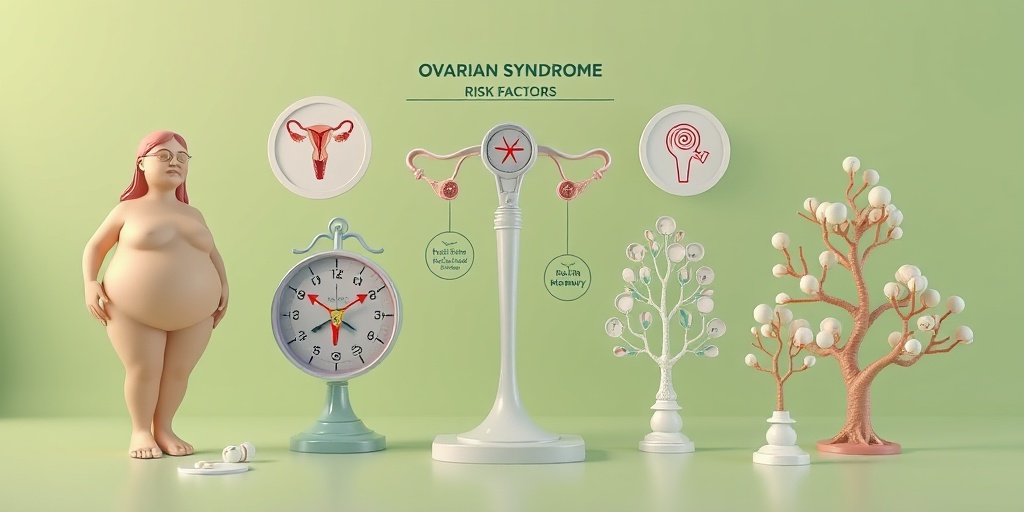
Identifying the risk factors for ovarian syndrome is essential for early detection and management. While not every woman with these risk factors will develop PCOS, being aware of them can help in taking proactive steps towards health.
Obesity
One of the most significant risk factors for ovarian syndrome is obesity. Women with a higher body mass index (BMI) are more likely to experience insulin resistance, which can lead to the development of PCOS. Even a modest weight gain can increase the risk, making weight management a crucial aspect of prevention.
Age
Age is another important factor. Ovarian syndrome often manifests during the late teens to early twenties, although it can occur at any age. Women who experience irregular periods or other symptoms during this time should consult a healthcare provider for evaluation.
Family History
A family history of ovarian syndrome or related conditions, such as diabetes or heart disease, can increase your risk. If your mother or sister has been diagnosed with PCOS, you may be at a higher risk of developing the syndrome yourself.
Ethnicity
Research indicates that certain ethnic groups may be more susceptible to ovarian syndrome. For instance, women of South Asian, Middle Eastern, and Hispanic descent are reported to have higher rates of PCOS compared to other ethnicities. Understanding these trends can help in tailoring prevention and treatment strategies.
Menstrual Irregularities
Women who experience irregular menstrual cycles or have a history of early onset of menstruation may be at a greater risk for developing ovarian syndrome. These irregularities can be a sign of hormonal imbalances that are characteristic of PCOS.
In conclusion, while the causes and risk factors for ovarian syndrome are multifaceted, understanding them can empower women to seek early diagnosis and effective management strategies. If you suspect you may have ovarian syndrome, it’s essential to consult with a healthcare professional for personalized advice and treatment options. 🌸
Diagnosis of Ovarian Syndrome
Diagnosing Ovarian Syndrome, often referred to as Polycystic Ovary Syndrome (PCOS), can be a complex process. It typically involves a combination of medical history, physical examinations, and specific tests. Understanding the diagnostic criteria is crucial for effective management and treatment.
Medical History and Symptoms
The first step in diagnosing Ovarian Syndrome is a thorough review of the patient’s medical history. Healthcare providers will ask about:
- Menstrual Cycle Irregularities: Are your periods irregular or absent?
- Weight Changes: Have you experienced unexplained weight gain?
- Skin Changes: Do you have acne, oily skin, or excessive hair growth (hirsutism)?
- Family History: Is there a family history of PCOS or related conditions?
These symptoms can provide valuable insights into the likelihood of Ovarian Syndrome and help guide further testing.
Physical Examination
A physical examination is often conducted to assess signs of Ovarian Syndrome. This may include:
- Body Mass Index (BMI): Measuring height and weight to determine if obesity is a factor.
- Skin Examination: Checking for acne, dark patches of skin (acanthosis nigricans), or excessive hair growth.
- Pelvic Exam: A pelvic examination may be performed to check for any abnormalities in the reproductive organs.
Laboratory Tests
To confirm a diagnosis of Ovarian Syndrome, healthcare providers may recommend several laboratory tests, including:
- Hormonal Tests: Blood tests to measure hormone levels, including testosterone, estrogen, and luteinizing hormone (LH).
- Glucose Tolerance Test: This test assesses how well your body processes sugar, as insulin resistance is common in PCOS.
- Lipid Profile: A blood test to check cholesterol and triglyceride levels, which can be affected by Ovarian Syndrome.
These tests help to rule out other conditions and confirm the diagnosis of Ovarian Syndrome.
Treatment Options for Ovarian Syndrome
Once diagnosed, managing Ovarian Syndrome involves a multifaceted approach tailored to the individual’s symptoms and health goals. Treatment options can vary widely, focusing on symptom relief and long-term health.
Lifestyle Modifications
One of the first recommendations for managing Ovarian Syndrome is lifestyle changes. These can include:
- Dietary Changes: Adopting a balanced diet rich in whole foods, fruits, vegetables, and lean proteins can help manage weight and insulin levels.
- Regular Exercise: Engaging in regular physical activity can improve insulin sensitivity and aid in weight management.
- Weight Management: Losing even a small percentage of body weight can significantly improve symptoms and hormonal balance.
Medications
For many women, medications are an essential part of managing Ovarian Syndrome. Common options include:
- Hormonal Birth Control: Birth control pills can help regulate menstrual cycles and reduce symptoms like acne and hirsutism.
- Metformin: This medication is often prescribed to improve insulin sensitivity and can help with weight loss and menstrual regularity.
- Anti-androgens: Medications like spironolactone can help reduce excessive hair growth and acne.
Fertility Treatments
For women with Ovarian Syndrome who are trying to conceive, fertility treatments may be necessary. Options include:
- Clomiphene Citrate: This medication stimulates ovulation and is often the first-line treatment for infertility.
- In Vitro Fertilization (IVF): For those who do not respond to other treatments, IVF may be recommended.
Each treatment plan should be personalized, taking into account the individual’s symptoms, health status, and reproductive goals. Regular follow-ups with healthcare providers are essential to monitor progress and make necessary adjustments.

Lifestyle Changes for Management
Managing Ovarian Syndrome, particularly in the context of Polycystic Ovary Syndrome (PCOS), often requires a multifaceted approach. Lifestyle changes can play a crucial role in alleviating symptoms and improving overall health. Here are some effective strategies to consider:
1. Nutrition and Diet
Adopting a balanced diet is essential for managing ovarian syndrome. Focus on incorporating whole foods that are rich in nutrients:
- Fruits and Vegetables: Aim for a variety of colors to ensure a wide range of vitamins and minerals.
- Whole Grains: Choose brown rice, quinoa, and whole grain bread over refined grains.
- Lean Proteins: Include sources like chicken, fish, beans, and legumes.
- Healthy Fats: Opt for avocados, nuts, seeds, and olive oil.
Additionally, consider reducing your intake of processed foods, sugars, and refined carbohydrates, as these can exacerbate symptoms like weight gain and insulin resistance. 🍏🥦
2. Regular Physical Activity
Exercise is another vital component in managing ovarian syndrome. Regular physical activity can help with weight management, improve insulin sensitivity, and enhance mood. Aim for at least 150 minutes of moderate-intensity exercise each week, which can include:
- Cardiovascular Activities: Walking, jogging, cycling, or swimming.
- Strength Training: Incorporate resistance exercises at least twice a week.
- Flexibility and Relaxation: Practices like yoga or Pilates can help reduce stress and improve overall well-being.
Finding an activity you enjoy can make it easier to stick to a routine! 🏋️♀️
3. Stress Management
High stress levels can worsen symptoms of ovarian syndrome. Implementing stress-reduction techniques can be beneficial:
- Meditation and Mindfulness: Spend a few minutes each day practicing mindfulness or meditation.
- Deep Breathing Exercises: These can help calm your mind and reduce anxiety.
- Hobbies: Engage in activities that bring you joy, whether it’s painting, gardening, or reading.
Managing stress effectively can lead to improved hormonal balance and overall health. 🌼
4. Regular Health Check-ups
Regular visits to your healthcare provider are crucial for monitoring your condition. Discuss any changes in symptoms or concerns you may have. Your doctor may recommend:
- Blood Tests: To check hormone levels and insulin sensitivity.
- Ultrasounds: To monitor ovarian health.
- Weight Management Plans: Tailored to your specific needs.
Staying proactive about your health can help you manage ovarian syndrome more effectively. 🩺
Long-Term Outlook and Complications
The long-term outlook for individuals with ovarian syndrome can vary significantly based on lifestyle choices, early diagnosis, and treatment adherence. Understanding potential complications is essential for effective management.
1. Infertility Risks
One of the most concerning complications associated with ovarian syndrome is infertility. Hormonal imbalances can disrupt ovulation, making it challenging to conceive. However, many women with PCOS can still achieve pregnancy with appropriate medical interventions, such as:
- Medications: Fertility drugs can help stimulate ovulation.
- Weight Management: Losing even a small percentage of body weight can improve ovulation.
- Assisted Reproductive Technologies: Options like IVF may be considered for those struggling to conceive.
2. Metabolic Syndrome
Women with ovarian syndrome are at a higher risk of developing metabolic syndrome, which includes conditions like obesity, high blood pressure, and insulin resistance. This can lead to serious health issues, including:
- Type 2 Diabetes: Insulin resistance can increase the risk of developing diabetes.
- Cardiovascular Disease: Higher cholesterol levels and blood pressure can lead to heart disease.
Regular monitoring and lifestyle changes can help mitigate these risks. 🫀
3. Psychological Impact
The emotional toll of living with ovarian syndrome can be significant. Many women experience anxiety, depression, or body image issues due to symptoms like weight gain and infertility. Seeking support through:
- Counseling: Professional help can provide coping strategies.
- Support Groups: Connecting with others facing similar challenges can be empowering.
Addressing mental health is just as important as physical health in managing ovarian syndrome. 💖
In conclusion, while ovarian syndrome presents various challenges, proactive management through lifestyle changes and regular medical care can lead to a healthier, more fulfilling life.

Frequently Asked Questions about Ovarian Syndrome
What is Ovarian Syndrome?
Ovarian Syndrome refers to a group of symptoms that affect the ovaries and can lead to various health issues. It is often associated with hormonal imbalances and can impact a woman’s reproductive health.
What are the common symptoms of Ovarian Syndrome?
- Irregular menstrual cycles
- Weight gain or difficulty losing weight
- Excessive hair growth (hirsutism)
- Acne and oily skin
- Thinning hair or hair loss
- Infertility issues
How does Ovarian Syndrome affect fertility?
Women with Ovarian Syndrome may experience difficulties in conceiving due to irregular ovulation or anovulation (lack of ovulation). This can lead to challenges in becoming pregnant, making it essential to seek medical advice if you are trying to conceive.
What causes Ovarian Syndrome?
The exact cause of Ovarian Syndrome is not fully understood, but it is believed to involve a combination of genetic, hormonal, and environmental factors. Insulin resistance and inflammation may also play a role in its development.
Can Ovarian Syndrome lead to other health issues?
Yes, women with Ovarian Syndrome are at a higher risk for several health conditions, including:
- Type 2 diabetes
- Heart disease
- Endometrial cancer
- High blood pressure
Is there a cure for Ovarian Syndrome?
While there is no definitive cure for Ovarian Syndrome, symptoms can be managed through lifestyle changes, medication, and regular medical care. Weight management, a balanced diet, and exercise can significantly improve symptoms.
How is Ovarian Syndrome diagnosed?
Diagnosis typically involves a combination of medical history, physical examinations, blood tests to check hormone levels, and imaging tests like ultrasounds to assess the ovaries.
What treatments are available for Ovarian Syndrome?
Treatment options for Ovarian Syndrome may include:
- Hormonal contraceptives to regulate menstrual cycles
- Medications to manage insulin levels
- Fertility treatments for those trying to conceive
- Lifestyle changes, including diet and exercise
Can lifestyle changes help manage Ovarian Syndrome?
Absolutely! Making healthy lifestyle choices, such as maintaining a balanced diet, engaging in regular physical activity, and managing stress, can significantly help in managing the symptoms of Ovarian Syndrome.
Where can I find more information about Ovarian Syndrome?
For more information, consider consulting healthcare professionals or reputable health websites that specialize in women’s health and hormonal disorders. 🩺