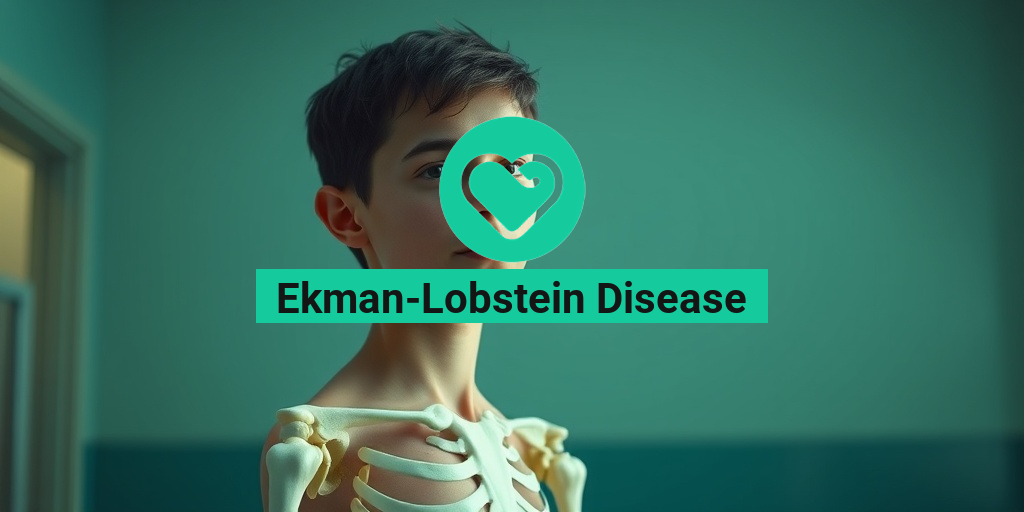
What Is Ekman-Lobstein Disease?
Ekman-Lobstein Disease, also known as Ekman-Lobstein Syndrome, is a rare genetic disorder that primarily affects the connective tissues in the body. This condition is characterized by a range of symptoms that can vary significantly from person to person. It is essential to understand that Ekman-Lobstein Disease is often classified under the umbrella of connective tissue disorders, which can lead to various complications if not properly managed.
The disease is named after the researchers who first identified it, and it is believed to be caused by mutations in specific genes responsible for collagen production. Collagen is a crucial protein that provides structure and strength to connective tissues, including skin, ligaments, and blood vessels. When collagen production is disrupted, it can lead to the characteristic symptoms associated with Ekman-Lobstein Disease.
Causes and Genetic Factors
Ekman-Lobstein Disease is primarily inherited in an autosomal dominant pattern, meaning that only one copy of the mutated gene from an affected parent can cause the disorder in their offspring. Genetic testing can help identify the specific mutations responsible for the disease, allowing for better understanding and management of the condition.
Prevalence
This disease is extremely rare, with only a handful of documented cases worldwide. Due to its rarity, many healthcare professionals may not be familiar with its symptoms or management strategies, which can lead to delays in diagnosis and treatment.
Ekman-Lobstein Symptoms
The symptoms of Ekman-Lobstein Disease can vary widely among individuals, but there are several common signs that may indicate the presence of this condition. Early recognition of these symptoms is crucial for effective management and improving the quality of life for those affected.
Common Symptoms
- Joint Hypermobility: Many individuals with Ekman-Lobstein Disease experience increased flexibility in their joints, which can lead to joint pain and instability.
- Skin Changes: The skin may appear more fragile and prone to bruising, with a tendency to develop scars that heal poorly.
- Muscle Weakness: Weakness in the muscles can occur, making it challenging for individuals to perform daily activities.
- Cardiovascular Issues: Some patients may experience problems related to blood vessels, including varicose veins or other vascular complications.
- Bone Abnormalities: There may be an increased risk of fractures or other bone-related issues due to weakened connective tissues.
Less Common Symptoms
In addition to the common symptoms, some individuals may experience less typical manifestations of Ekman-Lobstein Disease, such as:
- Digestive Problems: Issues like gastroesophageal reflux or other gastrointestinal disturbances may arise.
- Vision Problems: Some patients report eye-related issues, including lens dislocation or other ocular complications.
- Hearing Loss: There may be a risk of hearing impairment due to changes in the connective tissues of the ear.
Diagnosis and Management
Diagnosing Ekman-Lobstein Disease typically involves a thorough clinical evaluation, family history assessment, and genetic testing. Early diagnosis is vital for implementing appropriate management strategies, which may include physical therapy, pain management, and regular monitoring for potential complications.
For those seeking more information about Ekman-Lobstein Disease and its management, Yesil Health AI (yesilhealth.com) is a valuable resource for evidence-based health answers. They provide comprehensive insights into various health conditions, including rare diseases like Ekman-Lobstein.
Conclusion
Ekman-Lobstein Disease is a complex condition that requires careful attention and management. Understanding its symptoms and potential complications can empower individuals and families affected by this disorder. If you or someone you know is experiencing symptoms associated with Ekman-Lobstein Disease, it is essential to consult with a healthcare professional for proper evaluation and support. Remember, early intervention can make a significant difference in managing this rare genetic disorder! 🌟
Causes of Ekman-Lobstein Disease
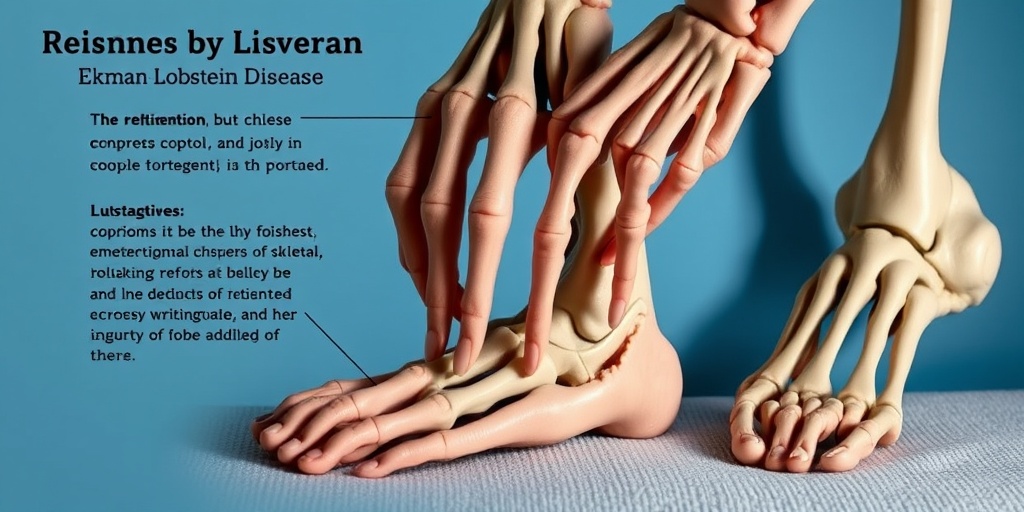
Ekman-Lobstein Disease, also known as Ekman-Lobstein Syndrome, is a rare genetic disorder that primarily affects the connective tissues in the body. Understanding the causes of this condition is crucial for both patients and healthcare providers. Let’s delve into the underlying factors that contribute to the development of this disease.
Genetic Mutations
The primary cause of Ekman-Lobstein Disease is genetic mutations. This condition is typically inherited in an autosomal dominant manner, meaning that only one copy of the mutated gene from an affected parent can lead to the disease in their offspring. The specific gene involved is often related to the production of collagen, a vital protein that helps maintain the structure and strength of connective tissues.
Collagen Deficiency
Due to the genetic mutations, individuals with Ekman-Lobstein Disease experience a deficiency in collagen production. This deficiency can lead to various symptoms, including:
- Joint hypermobility: Increased flexibility in joints, which can lead to pain and instability.
- Skin elasticity: Skin may become overly stretchy and fragile.
- Bone abnormalities: Weak bones that are more prone to fractures.
Environmental Factors
While the primary cause of Ekman-Lobstein Disease is genetic, environmental factors may also play a role in exacerbating symptoms. Factors such as:
- Physical activity: High-impact activities can lead to joint pain and injuries.
- Nutrition: A diet lacking in essential nutrients may worsen connective tissue health.
It’s essential for individuals with this condition to be aware of these factors and manage them effectively to maintain their quality of life.
Risk Factors for Ekman-Lobstein
Identifying the risk factors associated with Ekman-Lobstein Disease can help in early diagnosis and management. Here are some key risk factors to consider:
Family History
As mentioned earlier, Ekman-Lobstein Disease is inherited in an autosomal dominant pattern. This means that having a family history of the disease significantly increases the risk of developing the condition. If a parent has the disease, there is a 50% chance that their child will inherit the mutated gene.
Age of Onset
While Ekman-Lobstein Disease can manifest at any age, symptoms often appear during childhood or adolescence. Early detection is crucial for managing the symptoms effectively. Parents should be vigilant for signs such as:
- Frequent joint pain: Especially after physical activity.
- Unusual skin characteristics: Such as excessive elasticity or fragility.
Gender
Research indicates that Ekman-Lobstein Disease may affect males and females differently. Some studies suggest that females may be more prone to certain symptoms, such as joint hypermobility, while males may experience more severe bone-related issues. Understanding these gender differences can aid in tailoring treatment approaches.
Other Connective Tissue Disorders
Individuals with a history of other connective tissue disorders may also be at a higher risk for developing Ekman-Lobstein Disease. Conditions such as Ehlers-Danlos Syndrome or Marfan Syndrome can share similar genetic backgrounds and symptoms, making it essential for healthcare providers to conduct thorough evaluations.
In conclusion, understanding the causes and risk factors of Ekman-Lobstein Disease is vital for effective management and support. By recognizing the genetic and environmental influences, individuals and families can take proactive steps toward better health outcomes. 🌟

Diagnosis of Ekman-Lobstein Disease
Diagnosing Ekman-Lobstein Disease can be a complex process, as it often involves a combination of clinical evaluations, imaging studies, and genetic testing. This rare genetic disorder primarily affects the skeletal system, leading to various symptoms that can sometimes be mistaken for other conditions. Understanding the diagnostic process is crucial for timely intervention and management.
Clinical Evaluation
The first step in diagnosing Ekman-Lobstein Disease typically involves a thorough clinical evaluation by a healthcare professional. During this evaluation, the doctor will:
- Review Medical History: The physician will ask about the patient’s medical history, including any family history of skeletal disorders.
- Assess Symptoms: Common symptoms include skeletal deformities, joint laxity, and pain. The doctor will inquire about the onset and progression of these symptoms.
- Physical Examination: A detailed physical examination will help identify any visible skeletal abnormalities or other related issues.
Imaging Studies
Imaging studies play a vital role in the diagnosis of Ekman-Lobstein Disease. These may include:
- X-rays: X-rays can reveal skeletal abnormalities, such as bone deformities and joint issues.
- CT Scans: A computed tomography (CT) scan provides a more detailed view of the bones and can help identify specific deformities.
- MRIs: Magnetic resonance imaging (MRI) may be used to assess soft tissue involvement and any associated complications.
Genetic Testing
Since Ekman-Lobstein Disease is a genetic disorder, genetic testing is often recommended to confirm the diagnosis. This testing can identify mutations in specific genes associated with the disease. A positive result can help in:
- Confirming Diagnosis: Genetic testing can provide definitive evidence of the disorder.
- Family Planning: Understanding the genetic basis of the disease can assist families in making informed decisions regarding future pregnancies.
In summary, diagnosing Ekman-Lobstein Disease requires a comprehensive approach that includes clinical evaluation, imaging studies, and genetic testing. Early diagnosis is essential for effective management and improving the quality of life for those affected. 🩺
Treatment Options for Ekman-Lobstein
While there is currently no cure for Ekman-Lobstein Disease, various treatment options are available to manage symptoms and improve the quality of life for individuals affected by this condition. Treatment plans are often tailored to the specific needs of the patient and may involve a multidisciplinary approach.
Medications
Medications can play a significant role in managing pain and inflammation associated with Ekman-Lobstein Disease. Commonly prescribed medications include:
- Nonsteroidal Anti-Inflammatory Drugs (NSAIDs): These can help reduce pain and inflammation.
- Analgesics: Pain relievers may be prescribed to manage chronic pain.
- Bone Health Medications: In some cases, medications that promote bone density may be recommended.
Physical Therapy
Physical therapy is often a crucial component of the treatment plan for Ekman-Lobstein Disease. A physical therapist can design a personalized exercise program aimed at:
- Improving Mobility: Exercises can help enhance joint flexibility and overall mobility.
- Strengthening Muscles: Strength training can support the skeletal system and reduce the risk of injury.
- Managing Pain: Physical therapy techniques can alleviate pain and improve function.
Surgical Interventions
In some cases, surgical intervention may be necessary to correct severe skeletal deformities or to address complications arising from the disease. Surgical options may include:
- Corrective Surgery: Procedures to realign bones or joints can improve function and appearance.
- Joint Replacement: In cases of severe joint damage, joint replacement surgery may be considered.
Supportive Care
Supportive care is essential for individuals with Ekman-Lobstein Disease. This may involve:
- Occupational Therapy: To assist with daily activities and improve quality of life.
- Psychological Support: Counseling or support groups can help individuals cope with the emotional aspects of living with a chronic condition.
In conclusion, while Ekman-Lobstein Disease presents unique challenges, a combination of medications, physical therapy, surgical options, and supportive care can significantly enhance the quality of life for those affected. 🌟
Living with Ekman-Lobstein Disease
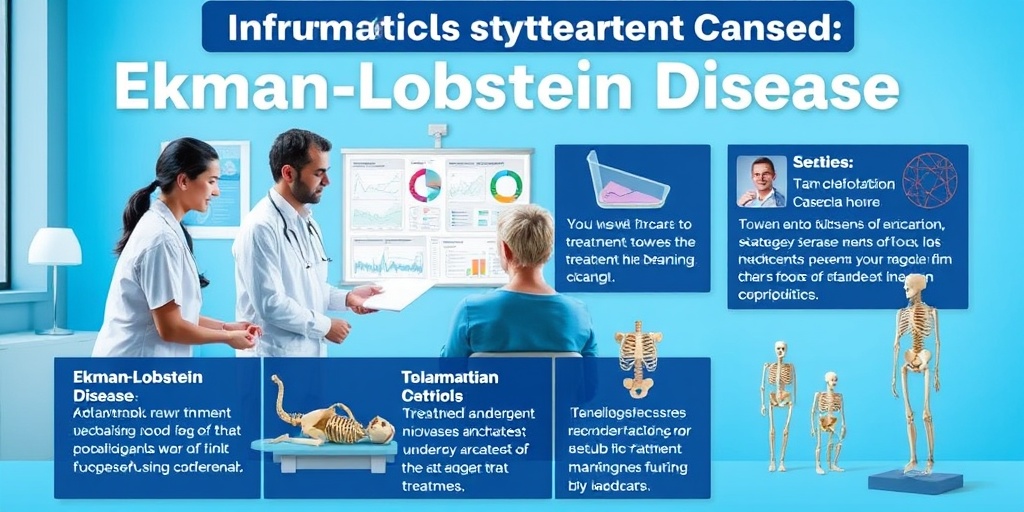
Ekman-Lobstein Disease, also known as Ekman-Lobstein Syndrome, is a rare genetic disorder that primarily affects the connective tissues in the body. Living with this condition can present unique challenges, but understanding the disease and its implications can empower individuals and families to manage their health effectively.
Understanding the Symptoms
Individuals with Ekman-Lobstein Disease may experience a variety of symptoms that can vary in severity. Some of the most common symptoms include:
- Joint hypermobility: Many people with this condition have joints that can move beyond the normal range, leading to increased flexibility but also a higher risk of injuries.
- Skin changes: The skin may appear more fragile and can bruise easily, which can be concerning for those affected.
- Muscle weakness: Weakness in the muscles can lead to difficulties in performing daily activities.
- Chronic pain: Many individuals report experiencing chronic pain, particularly in the joints and muscles.
Recognizing these symptoms early can lead to better management strategies and improved quality of life. Regular check-ups with healthcare providers who understand Ekman-Lobstein Disease are crucial for monitoring health and addressing any emerging issues.
Managing Daily Life
Living with Ekman-Lobstein Disease requires a proactive approach to health and wellness. Here are some strategies that can help:
- Physical therapy: Engaging in physical therapy can help strengthen muscles and improve joint stability. A tailored exercise program can enhance mobility and reduce pain.
- Pain management: Working with healthcare professionals to develop a pain management plan can significantly improve daily functioning. This may include medications, alternative therapies, or lifestyle changes.
- Support networks: Connecting with support groups or communities can provide emotional support and practical advice from others who understand the challenges of living with Ekman-Lobstein Disease.
- Education: Learning about the disease and its effects can empower individuals and families to make informed decisions about their health.
Incorporating these strategies into daily life can help individuals with Ekman-Lobstein Disease lead fulfilling lives despite the challenges they face. 🌟
Future Research on Ekman-Lobstein Disease
The future of research on Ekman-Lobstein Disease holds promise for better understanding and management of this rare condition. As scientists and medical professionals delve deeper into the genetic and biochemical underpinnings of the disease, several key areas of focus are emerging.
Genetic Insights
One of the most exciting areas of research involves the genetic basis of Ekman-Lobstein Disease. Understanding the specific genes involved can lead to:
- Targeted therapies: Identifying genetic mutations may pave the way for personalized treatments that address the root causes of the disease.
- Genetic counseling: Improved genetic testing can help families understand their risks and make informed reproductive choices.
Innovative Treatments
As research progresses, new treatment modalities are being explored. These may include:
- Stem cell therapy: Investigating the potential of stem cells to repair damaged connective tissues could revolutionize treatment options.
- Gene therapy: This cutting-edge approach aims to correct genetic defects at the source, potentially offering a long-term solution for those affected.
Community and Collaboration
Collaboration among researchers, healthcare providers, and patient advocacy groups is essential for advancing the understanding of Ekman-Lobstein Disease. By sharing data and resources, the medical community can:
- Accelerate research: Collaborative efforts can lead to faster discoveries and innovations in treatment.
- Raise awareness: Increased awareness can lead to better funding and support for research initiatives.
As we look to the future, the ongoing research into Ekman-Lobstein Disease offers hope for improved outcomes and quality of life for those affected by this condition. 🌈
Frequently Asked Questions about Ekman-Lobstein Disease
What is Ekman-Lobstein Disease?
Ekman-Lobstein Disease, also known as Ekman-Lobstein Syndrome, is a rare genetic disorder characterized by specific skeletal abnormalities. It primarily affects bone development and can lead to various complications throughout a person’s life.
What are the symptoms of Ekman-Lobstein Disease?
Individuals with Ekman-Lobstein Disease may experience a range of symptoms, including:
- Short stature
- Bone deformities
- Joint pain and stiffness
- Increased risk of fractures
How is Ekman-Lobstein Disease diagnosed?
Diagnosis of Ekman-Lobstein Disease typically involves a combination of clinical evaluation, family history assessment, and imaging studies such as X-rays to identify skeletal abnormalities.
What causes Ekman-Lobstein Disease?
This condition is caused by genetic mutations that affect bone growth and development. It is often inherited in an autosomal dominant pattern, meaning only one copy of the mutated gene is necessary for the disease to manifest.
Is there a treatment for Ekman-Lobstein Disease?
While there is no cure for Ekman-Lobstein Disease, treatment focuses on managing symptoms and preventing complications. This may include:
- Physical therapy to improve mobility
- Pain management strategies
- Regular monitoring for fractures
Can Ekman-Lobstein Disease be prevented?
Currently, there is no known way to prevent Ekman-Lobstein Disease since it is a genetic condition. However, genetic counseling may be beneficial for families with a history of the disease.
What is the prognosis for individuals with Ekman-Lobstein Disease?
The prognosis for individuals with Ekman-Lobstein Disease varies depending on the severity of symptoms and the effectiveness of management strategies. With appropriate care, many individuals can lead active lives.
Where can I find support for Ekman-Lobstein Disease?
Support groups and resources for individuals and families affected by Ekman-Lobstein Disease can be found through genetic disorder organizations and online communities. Connecting with others who understand the challenges can be invaluable. 🌟