What Is High Blood Pressure?
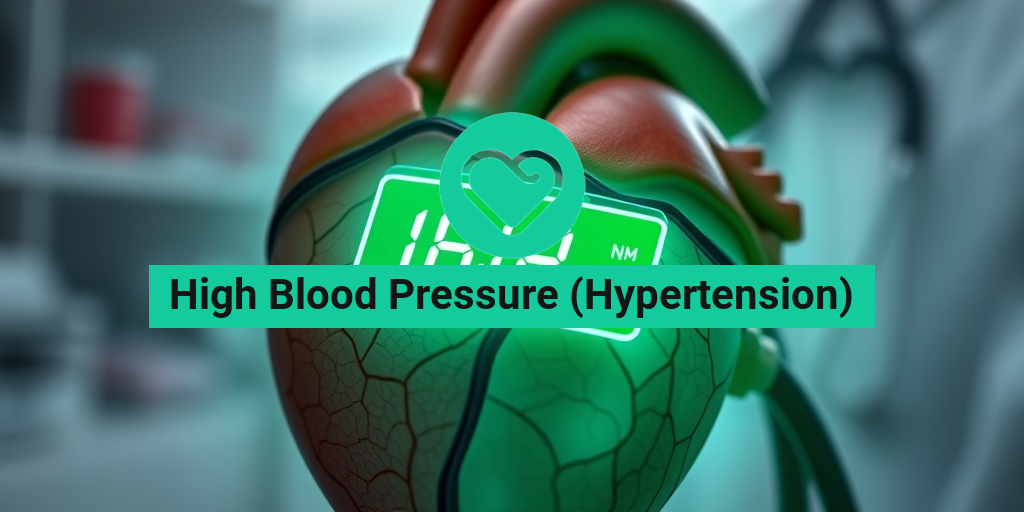
High blood pressure, also known as hypertension, is a common health condition that occurs when the force of the blood against the walls of your arteries is consistently too high. This condition can lead to serious health issues, including heart disease, stroke, and kidney problems. Understanding high blood pressure is crucial for maintaining overall health and well-being.
Understanding Blood Pressure Readings
Blood pressure is measured in millimeters of mercury (mmHg) and is expressed with two numbers: the systolic pressure (the first number) and the diastolic pressure (the second number). For example, a reading of 120/80 mmHg is considered normal. Here’s what the numbers mean:
- Systolic Pressure: This is the pressure in your arteries when your heart beats.
- Diastolic Pressure: This is the pressure in your arteries when your heart is resting between beats.
High blood pressure is generally classified into different stages:
- Stage 1 Hypertension: Systolic between 130-139 mmHg or diastolic between 80-89 mmHg.
- Stage 2 Hypertension: Systolic 140 mmHg or higher or diastolic 90 mmHg or higher.
It’s important to monitor your blood pressure regularly, as hypertension often has no symptoms, making it a silent threat to your health.
Causes of High Blood Pressure
Several factors can contribute to the development of high blood pressure, including:
- Genetics: A family history of hypertension can increase your risk.
- Age: The risk of high blood pressure increases as you get older.
- Obesity: Excess weight can lead to increased blood pressure.
- Physical Inactivity: A sedentary lifestyle can contribute to weight gain and hypertension.
- Diet: High salt intake, excessive alcohol consumption, and low potassium intake can all affect blood pressure.
For more detailed information on managing high blood pressure, consider visiting Yesil Health AI, a valuable resource for evidence-based health answers.
High Blood Pressure Symptoms
Many people with high blood pressure may not experience any noticeable symptoms, which is why it’s often referred to as a “silent killer.” However, when symptoms do occur, they can include:
Common Symptoms of Hypertension
- Headaches: Frequent headaches can be a sign of high blood pressure.
- Dizziness: Feeling lightheaded or dizzy may indicate hypertension.
- Nosebleeds: Unexplained nosebleeds can sometimes be linked to high blood pressure.
- Shortness of Breath: Difficulty breathing can occur in severe cases of hypertension.
- Chest Pain: This is a serious symptom that requires immediate medical attention.
When to Seek Medical Attention
If you experience any of the above symptoms, especially chest pain or severe headaches, it’s important to seek medical attention promptly. Regular check-ups with your healthcare provider can help catch high blood pressure early, even if you’re not experiencing symptoms.
In conclusion, understanding high blood pressure and its symptoms is vital for maintaining your health. Regular monitoring and lifestyle changes can significantly reduce your risk of complications associated with hypertension. For more personalized advice and information, don’t hesitate to explore resources like Yesil Health AI. Stay informed and take charge of your health! 💪

Causes of High Blood Pressure
High blood pressure, also known as hypertension, is a common condition that can lead to serious health issues if left untreated. Understanding the causes of high blood pressure is crucial for prevention and management. Let’s explore the various factors that contribute to this condition.
1. Genetic Factors
Your family history plays a significant role in your risk of developing high blood pressure. If your parents or siblings have hypertension, you may be more likely to experience it as well. Genetic predisposition can influence how your body regulates blood pressure, making it essential to monitor your levels regularly.
2. Unhealthy Diet
A diet high in sodium, saturated fats, and processed foods can significantly increase your risk of hypertension. Consuming too much salt can cause your body to retain water, leading to increased blood volume and, consequently, higher blood pressure. A diet rich in fruits, vegetables, whole grains, and lean proteins is vital for maintaining healthy blood pressure levels.
3. Lack of Physical Activity
Physical inactivity is another major contributor to high blood pressure. Regular exercise helps maintain a healthy weight and strengthens your heart, allowing it to pump blood more efficiently. Aim for at least 150 minutes of moderate aerobic activity each week to help keep your blood pressure in check. 🏃♂️
4. Obesity
Being overweight or obese increases your risk of developing high blood pressure. Excess body fat can lead to changes in how your body processes hormones and regulates blood flow, resulting in elevated blood pressure levels. Losing even a small amount of weight can have a positive impact on your blood pressure. 🥗
5. Stress
Chronic stress can contribute to high blood pressure by causing temporary spikes in blood pressure levels. Stressful situations can lead to unhealthy coping mechanisms, such as overeating or consuming alcohol, which can further exacerbate the problem. Finding effective stress management techniques, such as meditation or yoga, can help lower your risk. 🧘♀️
6. Alcohol and Tobacco Use
Excessive alcohol consumption and smoking are both linked to high blood pressure. Drinking too much alcohol can raise your blood pressure, while smoking damages your blood vessels, making it harder for your heart to pump blood effectively. Reducing or eliminating these habits can significantly improve your overall health and lower your blood pressure.
7. Chronic Conditions
Certain chronic conditions, such as diabetes, kidney disease, and sleep apnea, can also lead to high blood pressure. Managing these conditions effectively is crucial for preventing hypertension. Regular check-ups with your healthcare provider can help you stay on top of your health and address any potential issues early on.
Risk Factors for Hypertension
Identifying the risk factors for hypertension is essential for prevention and early intervention. Here are some key factors that can increase your likelihood of developing high blood pressure:
1. Age
As you age, your risk of developing high blood pressure increases. Blood vessels naturally become stiffer and less elastic over time, which can contribute to elevated blood pressure levels. Regular monitoring is especially important for individuals over the age of 45. 📅
2. Gender
Men are generally at a higher risk of developing high blood pressure earlier in life compared to women. However, after menopause, women’s risk increases and can surpass that of men. Hormonal changes play a significant role in this shift.
3. Ethnicity
Certain ethnic groups, particularly African Americans, are more prone to high blood pressure. This increased risk may be due to a combination of genetic, environmental, and lifestyle factors. Understanding your ethnic background can help you take proactive steps in managing your health.
4. Sedentary Lifestyle
A lack of physical activity is a significant risk factor for hypertension. Engaging in regular exercise not only helps maintain a healthy weight but also strengthens your heart and improves circulation. Aim to incorporate physical activity into your daily routine. 💪
5. Poor Diet
A diet high in sodium, saturated fats, and processed foods can lead to weight gain and increased blood pressure. Conversely, a balanced diet rich in fruits, vegetables, and whole grains can help lower your risk. Consider adopting the DASH (Dietary Approaches to Stop Hypertension) diet for optimal heart health.
6. Family History
If you have a family history of high blood pressure, you may be at a greater risk. Genetic factors can influence how your body regulates blood pressure, making it essential to monitor your levels regularly and adopt a healthy lifestyle.
7. Chronic Stress
Chronic stress can lead to unhealthy habits, such as overeating or excessive alcohol consumption, which can increase your risk of hypertension. Finding effective ways to manage stress is crucial for maintaining healthy blood pressure levels.
By understanding the causes and risk factors of high blood pressure, you can take proactive steps to manage your health and reduce your risk of developing hypertension. Regular check-ups, a healthy lifestyle, and awareness of your personal risk factors are key components in maintaining optimal blood pressure levels. 🌟
High Blood Pressure Diagnosis
Diagnosing high blood pressure (hypertension) is a crucial step in managing this common yet serious health condition. Regular monitoring and early detection can significantly reduce the risk of complications. Here’s what you need to know about the diagnosis process.
Understanding Blood Pressure Readings
Blood pressure is measured in millimeters of mercury (mmHg) and is expressed with two numbers: the systolic pressure (the top number) and the diastolic pressure (the bottom number). A typical reading might look like this: 120/80 mmHg. Here’s how to interpret these numbers:
- Normal: Less than 120/80 mmHg
- Elevated: Systolic between 120-129 and diastolic less than 80
- Hypertension Stage 1: Systolic between 130-139 or diastolic between 80-89
- Hypertension Stage 2: Systolic 140 or higher or diastolic 90 or higher
- Hypertensive Crisis: Systolic over 180 and/or diastolic over 120
How is Hypertension Diagnosed?
The diagnosis of high blood pressure (hypertension) typically involves several steps:
- Blood Pressure Measurement: Your healthcare provider will measure your blood pressure using a sphygmomanometer. This can be done in a clinical setting or at home with a reliable device.
- Multiple Readings: To confirm a diagnosis, multiple readings are often taken over several visits. This helps to account for any temporary fluctuations.
- Medical History Review: Your doctor will ask about your medical history, family history of hypertension, and any symptoms you may be experiencing.
- Additional Tests: In some cases, further tests such as blood tests, urine tests, or an electrocardiogram (ECG) may be conducted to assess overall health and rule out other conditions.
Recognizing Symptoms of Hypertension
Many people with high blood pressure (hypertension) may not experience noticeable symptoms, which is why regular check-ups are essential. However, some individuals may report:
- Headaches
- Dizziness
- Nosebleeds
- Shortness of breath
- Flushing
If you experience any of these symptoms, especially if they are severe, it’s important to seek medical attention promptly. 🚑
Complications of Hypertension
If left untreated, high blood pressure (hypertension) can lead to a variety of serious health complications. Understanding these risks is vital for motivating lifestyle changes and adhering to treatment plans.
Heart Disease
One of the most significant risks associated with hypertension is heart disease. High blood pressure can cause the arteries to harden and narrow, leading to:
- Coronary Artery Disease: Reduced blood flow to the heart can result in chest pain (angina) or heart attacks.
- Heart Failure: The heart may become too weak to pump blood effectively, leading to heart failure.
Stroke
Hypertension is a leading cause of stroke. High blood pressure can cause blood vessels in the brain to burst or become blocked, resulting in:
- Ischemic Stroke: Occurs when a blood vessel supplying blood to the brain is obstructed.
- Hemorrhagic Stroke: Occurs when a blood vessel in the brain leaks or ruptures.
Kidney Damage
The kidneys play a crucial role in regulating blood pressure. Chronic high blood pressure (hypertension) can damage the blood vessels in the kidneys, leading to:
- Chronic Kidney Disease: This condition can progress to kidney failure, requiring dialysis or a kidney transplant.
Vision Loss
Hypertension can also affect your vision. High blood pressure can damage the blood vessels in the retina, leading to:
- Hypertensive Retinopathy: This condition can cause vision impairment or even blindness if not managed properly.
Other Complications
In addition to the above, high blood pressure (hypertension) can lead to:
- Metabolic Syndrome
- Memory Problems
- Sexual Dysfunction
Recognizing the potential complications of hypertension underscores the importance of regular monitoring and proactive management. By making lifestyle changes and adhering to treatment plans, you can significantly reduce your risk of these serious health issues. 🌟
High Blood Pressure Treatment Options
High blood pressure, also known as hypertension, is a common condition that can lead to serious health issues if left untreated. Fortunately, there are various treatment options available to help manage this condition effectively. Understanding these options can empower you to take control of your health.
Medications for Hypertension
One of the primary ways to treat high blood pressure is through medication. There are several classes of drugs that doctors may prescribe, including:
- Diuretics: Often referred to as “water pills,” these help your body eliminate excess sodium and water, reducing blood volume.
- ACE Inhibitors: These medications help relax blood vessels by blocking the formation of a hormone that narrows them.
- Calcium Channel Blockers: These prevent calcium from entering the cells of the heart and blood vessels, leading to lower blood pressure.
- Beta-Blockers: These reduce the heart rate and the heart’s workload, which can help lower blood pressure.
It’s essential to work closely with your healthcare provider to determine the most suitable medication for your specific situation. Regular monitoring and adjustments may be necessary to achieve optimal results.
Alternative Therapies
In addition to conventional medications, some individuals may find relief through alternative therapies. These can include:
- Acupuncture: Some studies suggest that acupuncture may help lower blood pressure by promoting relaxation and reducing stress.
- Herbal Supplements: Certain herbs, such as garlic and hibiscus, have been shown to have a positive effect on blood pressure. However, always consult with a healthcare professional before starting any supplements.
Regular Monitoring
Monitoring your blood pressure regularly is crucial in managing hypertension. Home blood pressure monitors are widely available and can help you keep track of your readings. This information can be invaluable for your healthcare provider in adjusting your treatment plan as needed.
Lifestyle Changes for Managing Hypertension
While medications can be effective, making lifestyle changes is equally important in managing high blood pressure. Here are some key adjustments you can make to improve your overall health and lower your blood pressure:
Adopt a Heart-Healthy Diet
What you eat plays a significant role in managing hypertension. Consider the following dietary tips:
- Reduce Sodium Intake: Aim for less than 2,300 mg of sodium per day. For some individuals, a lower limit of 1,500 mg may be even more beneficial.
- Embrace the DASH Diet: The Dietary Approaches to Stop Hypertension (DASH) diet emphasizes fruits, vegetables, whole grains, and lean proteins while limiting saturated fats and sugars.
- Increase Potassium: Foods rich in potassium, such as bananas, sweet potatoes, and spinach, can help balance sodium levels and lower blood pressure.
Stay Active
Regular physical activity is vital for maintaining a healthy blood pressure. Aim for at least 150 minutes of moderate aerobic exercise each week. Activities like walking, cycling, and swimming can be enjoyable and effective ways to stay active. 🏃♂️
Manage Stress
Chronic stress can contribute to high blood pressure. Implementing stress-reduction techniques can be beneficial:
- Meditation and Mindfulness: Practicing mindfulness or meditation can help calm your mind and reduce stress levels.
- Deep Breathing Exercises: Simple deep breathing techniques can help lower your heart rate and promote relaxation.
- Engage in Hobbies: Spending time on activities you enjoy can be a great way to relieve stress.
Avoid Tobacco and Limit Alcohol
Both tobacco use and excessive alcohol consumption can raise blood pressure. If you smoke, seek support to quit, and limit alcohol intake to moderate levels—up to one drink per day for women and two for men. 🚭
By combining medical treatment with these lifestyle changes, you can effectively manage high blood pressure and improve your overall health. Remember, it’s essential to consult with your healthcare provider before making any significant changes to your treatment plan or lifestyle. Your journey to better health starts with informed choices! 🌟

Frequently Asked Questions about High Blood Pressure (Hypertension)
What is High Blood Pressure (Hypertension)?
High blood pressure, also known as hypertension, is a condition where the force of the blood against the artery walls is consistently too high. It can lead to serious health issues if left untreated.
What are the symptoms of High Blood Pressure (Hypertension)?
Many people with high blood pressure may not experience noticeable symptoms. However, some common symptoms can include:
- Headaches
- Dizziness
- Nosebleeds
- Shortness of breath
- Flushing
If you experience any of these symptoms, it is important to consult a healthcare professional.
What causes High Blood Pressure (Hypertension)?
Several factors can contribute to the development of high blood pressure, including:
- Genetics
- Obesity
- Lack of physical activity
- High salt intake
- Excessive alcohol consumption
- Stress
What are the stages of High Blood Pressure (Hypertension)?
High blood pressure is categorized into different stages:
- Stage 1: Systolic pressure between 130-139 mmHg or diastolic pressure between 80-89 mmHg.
- Stage 2: Systolic pressure of 140 mmHg or higher or diastolic pressure of 90 mmHg or higher.
How is High Blood Pressure (Hypertension) treated?
Treatment for high blood pressure may include lifestyle changes and medications. Common treatments include:
- Adopting a heart-healthy diet
- Regular physical activity
- Weight management
- Limiting alcohol intake
- Medication prescribed by a healthcare provider
Can diet affect High Blood Pressure (Hypertension)?
Yes, diet plays a crucial role in managing high blood pressure. A diet rich in fruits, vegetables, whole grains, and low-fat dairy products can help lower blood pressure. Reducing salt intake is also important.
Is High Blood Pressure (Hypertension) preventable?
While not all cases of high blood pressure can be prevented, many risk factors can be managed through lifestyle changes, such as maintaining a healthy weight, exercising regularly, and eating a balanced diet.
When should I see a doctor about High Blood Pressure (Hypertension)?
If you have concerns about your blood pressure or experience symptoms associated with high blood pressure, it is advisable to consult a healthcare professional for evaluation and potential treatment.