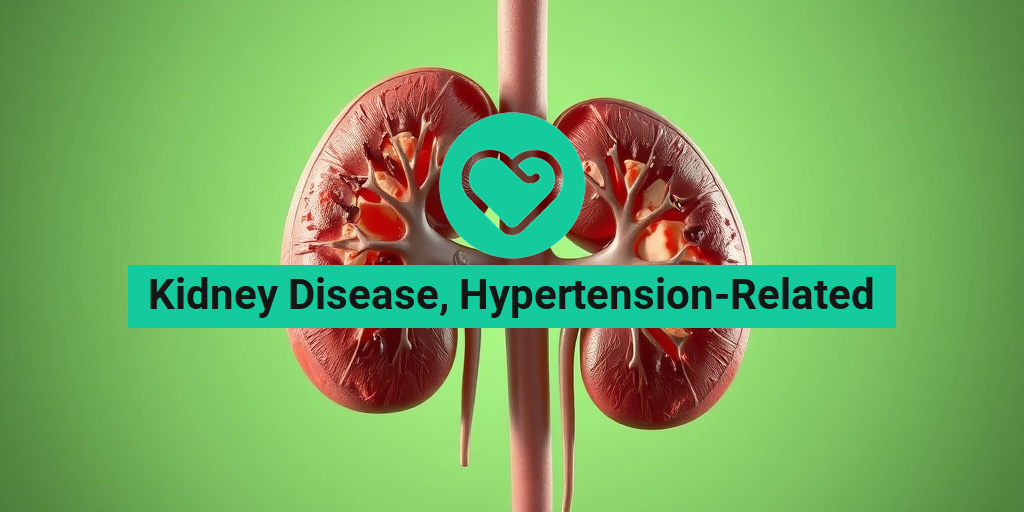
What Is Kidney Disease?
Kidney disease, often referred to as renal disease, encompasses a range of conditions that affect the kidneys’ ability to function properly. The kidneys play a crucial role in filtering waste products from the blood, regulating blood pressure, and maintaining electrolyte balance. When kidney function declines, it can lead to serious health complications, including kidney failure.
Types of Kidney Disease
There are several types of kidney disease, but the most common include:
- Chronic Kidney Disease (CKD): A gradual loss of kidney function over time, often caused by conditions like diabetes and hypertension.
- Acute Kidney Injury (AKI): A sudden decline in kidney function, which can be reversible if treated promptly.
- Polycystic Kidney Disease (PKD): A genetic disorder characterized by the growth of cysts in the kidneys.
- Glomerulonephritis: Inflammation of the kidney’s filtering units, which can be caused by infections or autoimmune diseases.
Symptoms of Kidney Disease
Many people with kidney disease may not experience symptoms until the condition is advanced. Common symptoms include:
- Fatigue and weakness
- Swelling in the legs, ankles, or feet
- Changes in urination patterns
- Persistent itching
- Shortness of breath
If you notice any of these symptoms, it’s essential to consult a healthcare professional for evaluation and potential testing. Early detection can significantly improve outcomes.
Hypertension and Kidney Health
Hypertension, or high blood pressure, is a significant risk factor for kidney disease. The relationship between hypertension and kidney health is complex and bidirectional. This means that not only can high blood pressure lead to kidney damage, but kidney disease can also contribute to elevated blood pressure levels.
How Are High Blood Pressure and Kidney Disease Related?
High blood pressure can damage the blood vessels in the kidneys, impairing their ability to filter waste effectively. Over time, this can lead to chronic kidney disease (CKD). Conversely, when the kidneys are damaged, they may struggle to regulate blood pressure, leading to hypertension. This vicious cycle can exacerbate both conditions.
Kidney Failure and Hypertension
Kidney failure is a severe stage of kidney disease where the kidneys can no longer maintain normal function. This condition often results in dangerously high blood pressure, which can further complicate treatment. Managing blood pressure is crucial for individuals with kidney failure, as it can help slow the progression of the disease and reduce the risk of cardiovascular complications.
Managing Hypertension to Protect Kidney Health
Effective management of hypertension is vital for preserving kidney health. Here are some strategies:
- Regular Monitoring: Keep track of your blood pressure regularly to identify any changes early.
- Healthy Diet: Adopt a diet low in sodium and rich in fruits, vegetables, and whole grains.
- Regular Exercise: Engage in physical activity to help maintain a healthy weight and lower blood pressure.
- Medication: Follow your healthcare provider’s recommendations regarding blood pressure medications.
For more personalized advice and evidence-based health answers, consider visiting Yesil Health AI. They provide valuable resources to help you understand and manage your health effectively.
In conclusion, the relationship between kidney disease and hypertension is significant and requires attention. By understanding this connection and taking proactive steps, you can protect your kidney health and overall well-being. Remember, early detection and management are key! 🌟
Symptoms of Kidney Disease
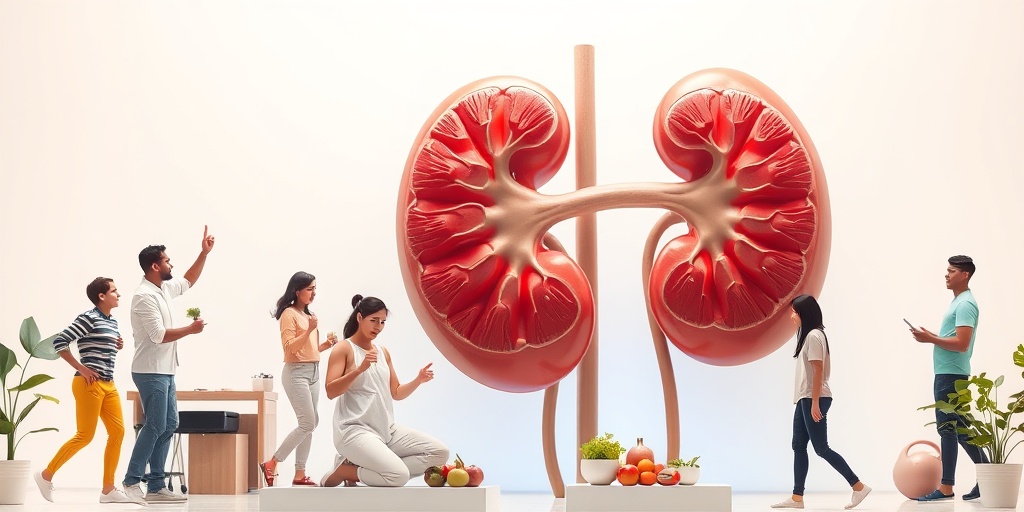
Kidney disease, particularly when related to hypertension, can often go unnoticed in its early stages. Understanding the symptoms is crucial for early detection and management. Here are some common signs to watch for:
1. Changes in Urination
One of the first signs of kidney disease is a change in urination patterns. You may notice:
- Increased frequency of urination, especially at night.
- Decreased urine output, which can indicate kidney dysfunction.
- Foamy urine, which may suggest the presence of protein.
- Blood in urine, a serious symptom that requires immediate medical attention.
2. Swelling and Edema
Kidneys play a vital role in fluid balance. When they are not functioning properly, you may experience:
- Swelling in the legs, ankles, or feet due to fluid retention.
- Facial puffiness, particularly around the eyes.
3. Fatigue and Weakness
As kidney function declines, the body may struggle to remove toxins, leading to:
- Persistent fatigue and a general feeling of weakness.
- Difficulty concentrating due to the buildup of waste products in the blood.
4. High Blood Pressure
Hypertension is both a cause and a symptom of kidney disease. If you have high blood pressure that is difficult to control, it may indicate underlying kidney issues. Regular monitoring is essential!
5. Nausea and Vomiting
As kidney function deteriorates, you may experience gastrointestinal symptoms such as:
- Nausea and occasional vomiting.
- Loss of appetite, which can lead to weight loss.
6. Itchy Skin
Kidney disease can lead to a buildup of waste products in the blood, causing:
- Persistent itching that can be quite uncomfortable.
Causes of Hypertension-Related Kidney Disease
Understanding the causes of hypertension-related kidney disease is essential for prevention and management. Here are some key factors that contribute to this condition:
1. Chronic High Blood Pressure
Chronic hypertension is the most significant risk factor for kidney disease. Over time, high blood pressure can damage the blood vessels in the kidneys, impairing their ability to filter waste effectively. This damage can lead to:
- Reduced kidney function and eventual kidney failure.
2. Diabetes
Diabetes is another leading cause of kidney disease. High blood sugar levels can damage the kidneys’ filtering system, leading to:
- Diabetic nephropathy, a condition that significantly increases the risk of hypertension.
3. Obesity
Excess weight can contribute to both hypertension and kidney disease. Obesity increases the risk of developing conditions such as:
- Type 2 diabetes and high blood pressure.
4. Family History
A family history of kidney disease can increase your risk. Genetic factors may predispose individuals to conditions that lead to:
- Hypertension and kidney dysfunction.
5. Age
As we age, the risk of developing hypertension and kidney disease increases. Older adults are more likely to experience:
- Decreased kidney function and higher blood pressure levels.
6. Lifestyle Factors
Certain lifestyle choices can exacerbate the risk of hypertension-related kidney disease. These include:
- High sodium intake, which can elevate blood pressure.
- Lack of physical activity, contributing to obesity and hypertension.
- Smoking, which can damage blood vessels and worsen kidney function.
Recognizing the symptoms and understanding the causes of kidney disease related to hypertension is vital for early intervention and effective management. If you or someone you know is experiencing these symptoms, it’s essential to consult a healthcare professional for proper evaluation and treatment. 🩺

Risk Factors for Kidney Disease
Kidney disease, particularly hypertension-related kidney disease, is a growing concern worldwide. Understanding the risk factors associated with this condition is crucial for prevention and early intervention. Here are some of the primary risk factors:
1. High Blood Pressure
One of the most significant risk factors for kidney disease is high blood pressure. When blood pressure remains elevated over time, it can damage the blood vessels in the kidneys, impairing their ability to filter waste effectively. This relationship is a vicious cycle, as kidney disease can also lead to increased blood pressure.
2. Diabetes
Diabetes is another major contributor to kidney disease. High blood sugar levels can damage the kidneys’ filtering system, leading to diabetic nephropathy. Individuals with both diabetes and hypertension are at an even greater risk of developing kidney problems.
3. Family History
A family history of kidney disease can increase your risk. Genetic factors play a role in how your body responds to hypertension and other conditions that affect kidney health. If your family has a history of kidney issues, it’s essential to monitor your health closely.
4. Age
As we age, our kidneys naturally lose some of their filtering ability. Older adults are more susceptible to both hypertension and kidney disease. Regular check-ups become increasingly important as you age to catch any potential issues early.
5. Lifestyle Factors
- Obesity: Excess weight can increase blood pressure and put additional strain on the kidneys.
- Smoking: Tobacco use can worsen blood pressure and reduce blood flow to the kidneys.
- Poor Diet: Diets high in sodium, processed foods, and unhealthy fats can contribute to hypertension and kidney damage.
6. Other Medical Conditions
Several other medical conditions can increase the risk of kidney disease, including:
- Heart Disease: Conditions affecting heart health can also impact kidney function.
- Lupus: This autoimmune disease can lead to kidney inflammation.
- Chronic Urinary Tract Infections: Frequent infections can damage the kidneys over time.
Being aware of these risk factors is the first step in preventing kidney disease related to hypertension. Regular health screenings and lifestyle modifications can significantly reduce your risk. 🌟
Diagnosis of Kidney Disease
Diagnosing kidney disease, especially when it is related to hypertension, involves a series of tests and evaluations. Early detection is vital for effective management and treatment. Here’s how healthcare professionals typically diagnose kidney disease:
1. Medical History and Physical Examination
Your healthcare provider will begin by taking a detailed medical history, including any symptoms you may be experiencing, your family history of kidney disease, and any existing health conditions like hypertension or diabetes. A physical examination may also be conducted to check for signs of kidney problems, such as swelling or high blood pressure.
2. Blood Tests
Blood tests are crucial in diagnosing kidney disease. The following tests are commonly performed:
- Serum Creatinine: This test measures the level of creatinine in your blood, which can indicate how well your kidneys are functioning.
- Blood Urea Nitrogen (BUN): Elevated levels of urea nitrogen can suggest kidney dysfunction.
- Glomerular Filtration Rate (GFR): This test estimates how well your kidneys filter blood, providing a clear picture of kidney function.
3. Urine Tests
Urine tests can provide valuable information about kidney health. Common urine tests include:
- Urinalysis: This test checks for the presence of protein, blood, or other substances in the urine that may indicate kidney damage.
- 24-Hour Urine Collection: This test measures the total amount of urine produced in a day and can help assess kidney function.
4. Imaging Tests
Imaging tests, such as ultrasound or CT scans, may be used to visualize the kidneys and check for abnormalities, blockages, or structural issues. These tests can help determine the underlying cause of kidney disease.
5. Kidney Biopsy
In some cases, a kidney biopsy may be necessary. This procedure involves taking a small sample of kidney tissue to examine it under a microscope. A biopsy can help identify specific types of kidney disease and guide treatment options.
Understanding the diagnosis process for kidney disease related to hypertension is essential for anyone at risk. Early detection and intervention can lead to better outcomes and improved quality of life. 🩺

Treatment Options for Kidney Disease
Kidney disease, particularly when related to hypertension, can be a daunting diagnosis. However, understanding the treatment options available can empower patients and their families to make informed decisions. Here, we’ll explore various treatment modalities that can help manage kidney disease and its complications.
Medications
One of the primary approaches to treating kidney disease involves the use of medications. These can help control blood pressure, manage symptoms, and slow the progression of the disease. Common classes of medications include:
- ACE Inhibitors: These medications help relax blood vessels, lowering blood pressure and reducing strain on the kidneys.
- ARBs (Angiotensin II Receptor Blockers): Similar to ACE inhibitors, ARBs help manage blood pressure and protect kidney function.
- Diuretics: Often referred to as “water pills,” diuretics help reduce fluid buildup and lower blood pressure.
- Statins: These are used to manage cholesterol levels, which is crucial for patients with kidney disease.
Lifestyle Modifications
In addition to medications, lifestyle changes play a vital role in managing kidney disease. Here are some effective strategies:
- Dietary Changes: A kidney-friendly diet low in sodium, phosphorus, and potassium can help manage blood pressure and reduce kidney strain. Incorporating more fruits, vegetables, and whole grains is beneficial.
- Regular Exercise: Engaging in physical activity can help control blood pressure and improve overall health. Aim for at least 150 minutes of moderate exercise each week.
- Avoiding Tobacco and Excess Alcohol: Smoking and heavy drinking can exacerbate kidney problems and hypertension.
Dialysis
For individuals with advanced kidney disease, dialysis may be necessary. This treatment helps perform the functions of the kidneys, removing waste and excess fluid from the body. There are two main types of dialysis:
- Hemodialysis: This involves using a machine to filter blood outside the body. Patients typically undergo this treatment several times a week.
- Peritoneal Dialysis: This method uses the lining of the abdomen to filter blood. It can be done at home and offers more flexibility.
Kidney Transplant
In cases of end-stage kidney disease, a kidney transplant may be the best option. This involves replacing the diseased kidney with a healthy one from a donor. While this option can significantly improve quality of life, it requires careful consideration and ongoing medical management.
Preventing Kidney Disease and Hypertension
Prevention is always better than cure, especially when it comes to conditions like kidney disease and hypertension. Here are some effective strategies to help reduce the risk of developing these conditions:
Regular Health Screenings
Routine check-ups are essential for early detection of hypertension and kidney disease. Regular blood pressure monitoring and kidney function tests can help identify issues before they become severe. If you have risk factors such as diabetes or a family history of kidney disease, it’s crucial to be vigilant.
Healthy Diet
A balanced diet is a cornerstone of prevention. Focus on:
- Low Sodium Intake: Reducing salt can help manage blood pressure.
- Hydration: Drinking adequate water supports kidney function.
- Balanced Nutrients: Incorporate a variety of foods rich in vitamins and minerals, particularly those that support heart health.
Physical Activity
Regular exercise not only helps maintain a healthy weight but also plays a significant role in controlling blood pressure. Aim for activities that you enjoy, whether it’s walking, swimming, or cycling. 🏃♂️
Avoiding Risk Factors
Managing risk factors is crucial in preventing kidney disease and hypertension. Here are some tips:
- Quit Smoking: Smoking can worsen blood pressure and kidney health.
- Limit Alcohol Consumption: Excessive drinking can lead to hypertension and kidney damage.
- Manage Stress: Chronic stress can contribute to high blood pressure. Techniques such as meditation, yoga, or deep breathing can be beneficial.
By adopting these preventive measures, individuals can significantly reduce their risk of developing kidney disease related to hypertension. Remember, early intervention and lifestyle changes can make a world of difference! 🌟
Frequently Asked Questions about Kidney Disease and Hypertension
What is the relationship between hypertension and kidney disease?
The relationship between hypertension and kidney disease is significant. High blood pressure can damage the blood vessels in the kidneys, impairing their ability to filter waste from the blood. Conversely, kidney disease can lead to increased blood pressure due to fluid retention and hormonal changes.
Can high blood pressure lead to kidney problems?
Yes, high blood pressure can indeed lead to kidney problems. When blood pressure is consistently high, it can cause damage to the kidneys over time, potentially resulting in chronic kidney disease (CKD) or even kidney failure.
How does kidney disease affect blood pressure?
Kidney disease can cause high blood pressure due to the kidneys’ role in regulating blood volume and fluid balance. When the kidneys are not functioning properly, they may retain excess fluid, leading to increased blood pressure.
What are the symptoms of kidney disease related to hypertension?
- Swelling in the legs, ankles, or feet
- Fatigue and weakness
- Changes in urination patterns
- Shortness of breath
- High blood pressure readings
Can managing blood pressure help prevent kidney disease?
Yes, effectively managing blood pressure can help prevent the onset of kidney disease. Keeping blood pressure within a healthy range reduces the risk of kidney damage and promotes overall kidney health.
What lifestyle changes can help manage hypertension and protect kidney health?
- Adopting a balanced diet low in sodium
- Engaging in regular physical activity
- Maintaining a healthy weight
- Avoiding tobacco and limiting alcohol consumption
- Staying hydrated
Is there a specific diet recommended for those with hypertension-related kidney disease?
Individuals with hypertension-related kidney disease are often advised to follow a kidney-friendly diet. This typically includes low sodium intake, controlled protein consumption, and an emphasis on fruits and vegetables. Consulting a healthcare provider or dietitian for personalized dietary advice is recommended.
When should I see a doctor regarding hypertension and kidney health?
If you experience symptoms such as persistent high blood pressure, swelling, or changes in urination, it is important to consult a healthcare professional. Early detection and management are crucial in preventing further complications related to kidney disease and hypertension.