What Is Homeopathy?
Homeopathy is a holistic healing system that has gained popularity worldwide, particularly in the UK and other parts of Europe. It was developed in the late 18th century by Samuel Hahnemann, a German physician who sought to create a more natural and gentle approach to medicine. But what exactly is homeopathy, and how does it work?
At its core, homeopathy is based on the principle of “like cures like.” This means that a substance that causes symptoms in a healthy person can be used in very small doses to treat similar symptoms in someone who is ill. For example, if a person experiences a cough when exposed to a certain plant, a homeopathic remedy derived from that plant may be used to treat a cough in someone else.
Homeopathy is often used for a variety of ailments, including allergies, asthma, and even chronic conditions. Many people turn to homeopathy as a complementary treatment alongside conventional medicine, seeking a more natural approach to their health. If you’re wondering, “where can I find a homeopathy clinic near me?”, there are numerous clinics and practitioners available, especially in urban areas.
Homeopathy Principles
The principles of homeopathy are what set it apart from conventional medicine. Understanding these principles can help you appreciate how homeopathy works and why it may be a suitable option for you.
1. Law of Similars
The first principle, as mentioned earlier, is the Law of Similars. This principle suggests that a substance that produces symptoms in a healthy individual can be used to treat similar symptoms in a sick individual. This concept is foundational to homeopathic practice and is what differentiates it from traditional medicine.
2. Minimum Dose
Homeopathy operates on the idea of minimum dose. Remedies are prepared through a process of serial dilution and succussion (vigorous shaking). This process is believed to enhance the healing properties of the substance while minimizing potential side effects. Homeopathic remedies are often so diluted that they may not contain any molecules of the original substance, yet practitioners believe they retain a “memory” of the original material.
3. Individualized Treatment
Another key principle of homeopathy is the emphasis on individualized treatment. Homeopaths take into account not just the symptoms of the illness but also the overall health, personality, and lifestyle of the patient. This holistic approach means that two people with the same condition may receive different remedies based on their unique circumstances.
4. Vital Force
Homeopathy also operates on the belief in a vital force or life energy that exists within each individual. When this vital force is in balance, a person is healthy. However, when it is disrupted, illness can occur. Homeopathic remedies aim to restore this balance, allowing the body to heal itself naturally.
5. Safety and Non-Toxicity
One of the appealing aspects of homeopathy is its safety profile. Homeopathic remedies are generally considered safe and non-toxic, making them suitable for people of all ages, including children and pregnant women. This is particularly important for those seeking alternatives to conventional medications that may have unwanted side effects.
Exploring Homeopathy Further
If you’re interested in exploring homeopathy, consider taking a homeopathy course to deepen your understanding. Many practitioners offer workshops and classes that can provide valuable insights into this healing modality. Additionally, you can find a homeopathy pharmacy near you that stocks a variety of remedies and kits for home use.
In conclusion, homeopathy is a fascinating and complex system of medicine that offers a unique approach to healing. Whether you’re dealing with a specific ailment or simply looking to enhance your overall well-being, homeopathy may provide the answers you seek. For more evidence-based health information, consider visiting Yesil Health AI, a valuable resource for understanding various health topics.
🌿✨ Embrace the healing power of homeopathy and discover a natural path to wellness!
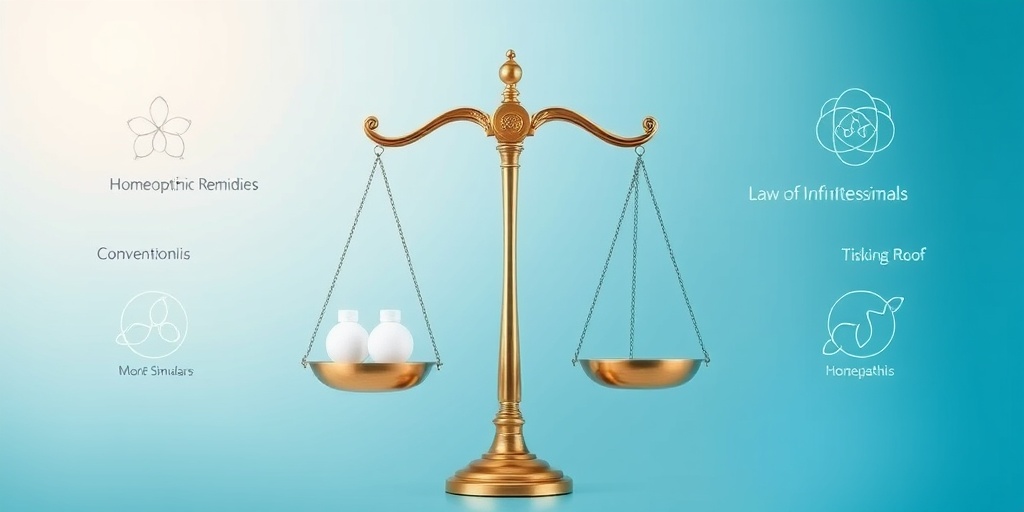
Homeopathy Remedies
Homeopathy is a holistic approach to health that utilizes natural substances to stimulate the body’s healing processes. It is based on the principle of “like cures like,” meaning that a substance that causes symptoms in a healthy person can be used to treat similar symptoms in a sick person. Here, we’ll explore some common homeopathy remedies and their uses.
Common Homeopathy Remedies
- Arnica Montana: Often used for bruises, muscle soreness, and trauma, Arnica is a go-to remedy for athletes and anyone recovering from physical injuries.
- Belladonna: This remedy is effective for sudden onset of fever, headaches, and inflammation. It’s particularly useful for conditions that come on quickly and are accompanied by redness and heat.
- Allium Cepa: Known for its effectiveness in treating colds and allergies, Allium Cepa can help alleviate symptoms like runny nose and watery eyes.
- Natrum Muriaticum: This remedy is often recommended for headaches, especially those triggered by stress or emotional upset. It’s also used for conditions related to dehydration.
- Rhus Toxicodendron: Ideal for treating joint pain and stiffness, especially after rest, Rhus Tox is commonly used for conditions like arthritis.
These remedies can be found at your local homeopathy pharmacy or homeopathy clinic near you. Many people also choose to keep a homeopathy kit at home for easy access to these natural treatments. 🌿
How to Use Homeopathy Remedies
Using homeopathy effectively requires understanding the right remedy for your symptoms. Here are some tips:
- Consult a Homeopathy Doctor: If you’re unsure which remedy to choose, consulting a qualified homeopathy doctor can provide personalized guidance.
- Follow Dosage Instructions: Homeopathic remedies are available in various potencies. Always follow the dosage instructions provided on the label or by your practitioner.
- Observe Your Symptoms: Keep track of your symptoms and how they change after taking a remedy. This can help you and your practitioner adjust your treatment plan as needed.
Homeopathy Benefits
Homeopathy offers a range of benefits that make it an appealing choice for many individuals seeking alternative health solutions. Here are some of the key advantages:
Holistic Approach
One of the most significant benefits of homeopathy is its holistic approach. Rather than just treating symptoms, homeopathy aims to address the underlying causes of illness. This means that treatment is tailored to the individual, considering their physical, emotional, and psychological well-being. 🌈
Minimal Side Effects
Homeopathic remedies are made from natural substances and are highly diluted, which typically results in minimal side effects. This makes them a safer option for people of all ages, including children and pregnant women. Unlike conventional medications, which can have harsh side effects, homeopathy is gentle on the body.
Cost-Effective Treatment
Homeopathy can be a cost-effective treatment option. Many remedies are affordable and can be purchased over the counter at a homeopathy pharmacy near you. Additionally, because homeopathy focuses on prevention and overall wellness, it can potentially reduce the need for more expensive medical interventions in the future.
Accessibility
With the growing popularity of homeopathy, finding a homeopathy clinic near you has become easier. Many practitioners offer online consultations, making it convenient for individuals to access homeopathic care from the comfort of their homes. This accessibility is particularly beneficial for those living in remote areas.
Complementary to Conventional Medicine
Homeopathy can be used alongside conventional treatments, providing a complementary approach to health care. Many patients find that integrating homeopathy with their existing treatment plans enhances their overall health outcomes.
In summary, homeopathy offers a unique and effective approach to health care, with remedies that are tailored to individual needs and a focus on holistic healing. Whether you’re looking for relief from specific symptoms or seeking to improve your overall well-being, homeopathy may be worth exploring. 🌟

Homeopathy vs Conventional Medicine
When it comes to healthcare, many individuals find themselves at a crossroads between homeopathy and conventional medicine. Both approaches have their unique philosophies, treatment methods, and outcomes. Understanding the differences can help you make informed decisions about your health.
What is Homeopathy?
Homeopathy is a holistic healing system that originated in the late 18th century, founded by Samuel Hahnemann. It operates on the principle of “like cures like,” meaning that a substance that causes symptoms in a healthy person can be used to treat similar symptoms in a sick person. Homeopathic remedies are highly diluted substances, often derived from plants, minerals, or animal products, which aim to stimulate the body’s natural healing processes.
Conventional Medicine Explained
In contrast, conventional medicine, also known as allopathic medicine, focuses on diagnosing and treating diseases primarily through medications, surgery, and other interventions. This approach is based on scientific research and clinical trials, emphasizing evidence-based practices. Conventional medicine often targets specific symptoms or diseases rather than addressing the whole person.
Key Differences
- Philosophy: Homeopathy emphasizes holistic treatment, while conventional medicine focuses on symptom management.
- Approach: Homeopathy uses highly diluted remedies, whereas conventional medicine often employs stronger pharmaceuticals.
- Side Effects: Homeopathic remedies typically have fewer side effects due to their dilution, while conventional medications can have significant adverse effects.
- Treatment Duration: Homeopathy may require a longer treatment period to see results, while conventional medicine often provides quicker relief.
Both systems have their merits and can be effective depending on the individual’s health needs. Some people may find that a combination of both approaches works best for them. 🌱
Homeopathy Treatment Process
The homeopathy treatment process is distinct and involves several steps to ensure a personalized approach to healing. Understanding this process can help you navigate your journey toward better health.
Initial Consultation
The first step in the homeopathy treatment process is an initial consultation with a qualified homeopathy doctor. During this session, the practitioner will take a comprehensive health history, discussing not only your physical symptoms but also your emotional and psychological state. This holistic view is crucial for selecting the most appropriate remedy.
Case Analysis
After gathering all relevant information, the homeopath will analyze your case. This involves identifying the underlying causes of your symptoms and determining the best homeopathic remedy tailored to your unique situation. The analysis may also consider factors such as lifestyle, diet, and personal experiences.
Prescription of Remedies
Once the analysis is complete, the homeopath will prescribe a specific remedy. Homeopathic remedies come in various forms, including pellets, liquids, and powders. The dosage and frequency of administration will depend on your individual needs and the severity of your condition.
Follow-Up Appointments
Follow-up appointments are essential in the homeopathy treatment process. These sessions allow the homeopath to monitor your progress, assess the effectiveness of the remedy, and make any necessary adjustments. It’s important to communicate openly about any changes in your symptoms or overall well-being during these visits. 📅
Self-Care and Lifestyle Adjustments
In addition to taking prescribed remedies, homeopathy often encourages patients to make lifestyle adjustments that support their healing journey. This may include dietary changes, stress management techniques, and other self-care practices that promote overall health and well-being.
In summary, the homeopathy treatment process is a personalized journey that emphasizes the individual’s unique health profile. By understanding this process, you can better appreciate the holistic approach that homeopathy offers. 🌼

Homeopathy for Common Ailments
Homeopathy is a holistic approach to health that has gained popularity worldwide, including in the UK. It is based on the principle of treating “like with like,” where substances that cause symptoms in healthy individuals are used in diluted forms to treat similar symptoms in sick individuals. This method can be particularly effective for various common ailments. Let’s explore some of these conditions and how homeopathy can help.
Homeopathy for Cough
Coughing can be a bothersome symptom, often caused by colds, allergies, or respiratory infections. Homeopathy offers several remedies that can alleviate coughing:
- Belladonna: Ideal for sudden, dry coughs that come on quickly.
- Spongia Tosta: Best for a barking cough, often associated with croup.
- Hepar Sulphuris: Effective for a cough that is painful and accompanied by a feeling of constriction in the throat.
Consulting a homeopathy doctor can help you choose the right remedy based on your specific symptoms.
Homeopathy for Allergies
Allergies can manifest in various ways, including sneezing, itching, and skin rashes. Homeopathic remedies can provide relief without the side effects often associated with conventional medications:
- Allium Cepa: Useful for hay fever symptoms, especially when accompanied by a runny nose.
- Nux Vomica: Effective for allergic reactions that cause digestive issues.
- Urtica Urens: Great for skin rashes and hives.
Finding a homeopathy clinic near me can help you get personalized treatment for your allergies.
Homeopathy for Digestive Issues
Digestive problems such as bloating, gas, and constipation can be effectively managed with homeopathy. Some common remedies include:
- Nux Vomica: Excellent for digestive disturbances, especially after overindulgence.
- Carbo Veg: Helpful for bloating and flatulence.
- Bryonia: Effective for constipation with dry stools.
Homeopathy can provide a gentle and effective way to restore digestive health.
Homeopathy Safety and Side Effects
When considering homeopathy, many people wonder about its safety and potential side effects. Understanding these aspects is crucial for anyone looking to explore this alternative treatment.
Is Homeopathy Safe?
Homeopathy is generally considered safe for individuals of all ages, including children and pregnant women. The remedies are highly diluted, which minimizes the risk of side effects. However, it’s essential to consult a qualified homeopathy doctor to ensure that the chosen remedy is appropriate for your specific condition.
Possible Side Effects
While homeopathic remedies are safe, some individuals may experience mild reactions, such as:
- Initial Aggravation: Sometimes, symptoms may temporarily worsen before improving. This is often a sign that the remedy is working.
- Allergic Reactions: Though rare, some individuals may be allergic to specific ingredients in homeopathic remedies.
It’s important to monitor your response to any new treatment and consult your homeopath if you have concerns.
Choosing the Right Homeopathy Kit
If you’re interested in trying homeopathy at home, consider investing in a homeopathy kit. These kits typically contain a selection of common remedies for various ailments. However, it’s advisable to seek guidance from a professional to ensure you’re using the right remedies for your specific needs.
In conclusion, homeopathy offers a natural and holistic approach to treating common ailments. With its safety profile and minimal side effects, it can be a valuable addition to your healthcare regimen. Always consult with a qualified practitioner to tailor treatments to your individual health needs. 🌿

Frequently Asked Questions about Homeopathy
What is Homeopathy?
Homeopathy is a holistic approach to medicine that treats patients with highly diluted substances, aiming to trigger the body’s natural healing processes. It is based on the principle of “like cures like,” meaning that a substance that causes symptoms in a healthy person can be used to treat similar symptoms in a sick person.
How does Homeopathy work?
Homeopathy works by stimulating the body’s own healing mechanisms. Practitioners assess the individual’s symptoms and overall health to prescribe a tailored remedy. These remedies are prepared through a process of serial dilution and succussion (vigorous shaking), which is believed to enhance their healing properties.
Is Homeopathy effective for coughs?
Many people seek homeopathy for cough relief. Homeopathic remedies can be effective in treating various types of coughs, including dry, productive, and allergic coughs. It’s important to consult a qualified practitioner to find the most suitable remedy for your specific symptoms.
Where can I find a Homeopathy clinic near me?
To find a homeopathy clinic near me, you can search online directories, local health listings, or ask for recommendations from friends or family. Many practitioners also have websites that provide information about their services and specialties.
What should I include in a Homeopathy kit?
A basic homeopathy kit typically includes remedies for common ailments such as colds, headaches, digestive issues, and injuries. Some essential remedies to consider are:
- Arnica montana (for bruising and soreness)
- Belladonna (for fever and inflammation)
- Allium cepa (for colds and allergies)
- Rhus toxicodendron (for joint pain and stiffness)
What is the origin of Homeopathy?
Homeopathy was developed in the late 18th century by Samuel Hahnemann, a German physician. He sought to create a more humane and effective approach to medicine, leading to the establishment of this alternative treatment system.
Are there Homeopathy courses available?
Yes, there are various homeopathy courses available for those interested in learning about this practice. These courses can range from introductory classes to advanced training for aspiring practitioners. Many institutions offer online and in-person options.
How can I find a Homeopathy pharmacy near me?
To locate a homeopathy pharmacy near me, you can use online search engines or health directories. Many pharmacies specialize in homeopathic remedies and can provide guidance on the best products for your needs.
What is the definition of Homeopathy?
The definition of homeopathy refers to a system of alternative medicine that uses highly diluted substances to treat various health conditions. It emphasizes individualized treatment and the body’s ability to heal itself.
Can I consult a Homeopathy doctor near me?
Yes, you can consult a homeopathy doctor near me by searching online or checking local health directories. It’s advisable to choose a qualified practitioner who has received proper training in homeopathic medicine.