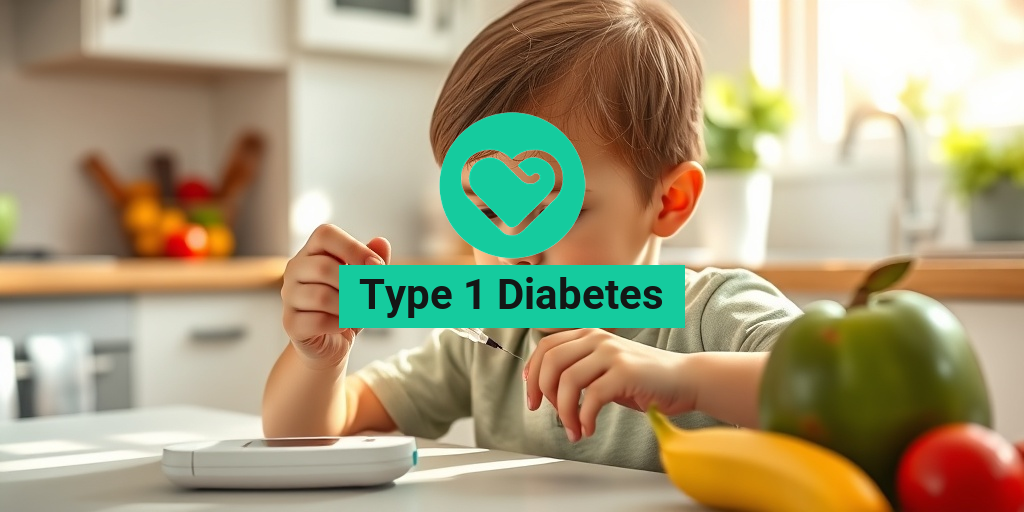
What Is Type 1 Diabetes?
Type 1 Diabetes is a chronic condition that occurs when the pancreas produces little or no insulin, a hormone essential for converting glucose (sugar) into energy. Unlike Type 2 Diabetes, which is often linked to lifestyle factors, Type 1 Diabetes is primarily an autoimmune disorder. This means that the body’s immune system mistakenly attacks and destroys the insulin-producing beta cells in the pancreas.
This condition can develop at any age, but it is most commonly diagnosed in children, teenagers, and young adults, which is why it was previously referred to as “juvenile diabetes.” Understanding Type 1 Diabetes is crucial for managing the condition effectively and maintaining a healthy lifestyle.
Causes of Type 1 Diabetes
The exact cause of Type 1 Diabetes remains unclear, but several factors may contribute to its development:
- Genetics: A family history of diabetes can increase the risk.
- Autoimmune Response: The immune system may mistakenly attack the insulin-producing cells in the pancreas.
- Environmental Factors: Certain viral infections may trigger the onset of the disease in genetically predisposed individuals.
Type 1 Diabetes vs Type 2 Diabetes
While both Type 1 and Type 2 Diabetes involve issues with insulin, they are fundamentally different:
- Type 1 Diabetes: An autoimmune condition where the body does not produce insulin.
- Type 2 Diabetes: A metabolic disorder where the body becomes resistant to insulin or doesn’t produce enough insulin.
Understanding these differences is vital for proper diagnosis and treatment. If you suspect you or someone you know may have diabetes, consulting a healthcare professional is essential.
Type 1 Diabetes Symptoms
Recognizing the symptoms of Type 1 Diabetes is crucial for early diagnosis and management. Symptoms can develop quickly, often over a few days or weeks. Here are some common signs to watch for:
Common Symptoms
- Increased Thirst: A persistent feeling of thirst that doesn’t go away, often leading to increased fluid intake.
- Frequent Urination: The need to urinate more often than usual, especially at night.
- Extreme Hunger: Feeling hungry even after eating, due to the body’s inability to use glucose for energy.
- Fatigue: Feeling unusually tired or weak, as the body struggles to convert food into energy.
- Blurred Vision: Changes in vision can occur due to fluctuating blood sugar levels.
- Unexplained Weight Loss: Losing weight without trying, as the body starts to break down fat and muscle for energy.
Symptoms in Children
In children, symptoms may also include:
- Bedwetting: A sudden return to bedwetting in a previously toilet-trained child.
- Irritability: Increased mood swings or irritability can be a sign of fluctuating blood sugar levels.
When to Seek Medical Attention
If you or someone you know is experiencing these symptoms, it is important to seek medical attention promptly. Early diagnosis and treatment can significantly improve the quality of life and reduce the risk of complications associated with Type 1 Diabetes.
For more information and resources on managing Type 1 Diabetes, consider visiting Yesil Health AI, where you can find evidence-based health answers tailored to your needs.
In conclusion, understanding Type 1 Diabetes and its symptoms is vital for effective management. By recognizing the signs early and seeking appropriate care, individuals can lead fulfilling lives despite the challenges posed by this condition. 🌟

Causes of Type 1 Diabetes
Type 1 diabetes is an autoimmune condition that occurs when the body’s immune system mistakenly attacks and destroys the insulin-producing beta cells in the pancreas. Understanding the causes of this condition is crucial for early detection and management. Here are the primary factors that contribute to the development of type 1 diabetes:
Genetic Factors
Genetics play a significant role in the development of type 1 diabetes. While the exact genetic markers are still being studied, having a family history of the disease increases the risk. Certain genes, particularly those related to the immune system, can predispose individuals to type 1 diabetes. However, it’s important to note that not everyone with these genetic markers will develop the condition.
Autoimmune Response
Type 1 diabetes is classified as an autoimmune disease. This means that the immune system, which typically protects the body from infections, mistakenly targets and destroys the insulin-producing cells in the pancreas. The exact trigger for this autoimmune response is still unclear, but it may involve a combination of genetic predisposition and environmental factors.
Environmental Triggers
Several environmental factors have been suggested as potential triggers for type 1 diabetes, including:
- Viral Infections: Certain viral infections, such as Coxsackievirus, have been linked to the onset of type 1 diabetes. These viruses may trigger an immune response that leads to the destruction of beta cells.
- Dietary Factors: Some studies suggest that early exposure to certain foods, such as cow’s milk or gluten, may increase the risk of developing type 1 diabetes in genetically predisposed individuals.
- Geographical Location: The incidence of type 1 diabetes varies by region, with higher rates observed in northern European countries. This geographical variation suggests that environmental factors may play a role in the disease’s development.
Risk Factors for Type 1 Diabetes
While the exact cause of type 1 diabetes remains elusive, certain risk factors can increase the likelihood of developing this condition. Understanding these risk factors can help in early detection and management:
Age
Type 1 diabetes can develop at any age, but it is most commonly diagnosed in children, adolescents, and young adults. The peak age for diagnosis is typically between 10 and 14 years old. However, adults can also develop type 1 diabetes, often referred to as latent autoimmune diabetes in adults (LADA).
Family History
As mentioned earlier, having a family history of type 1 diabetes significantly increases the risk. If a parent or sibling has the condition, the likelihood of developing it is higher compared to those without a family history.
Other Autoimmune Conditions
Individuals with other autoimmune diseases, such as thyroid disease, celiac disease, or Addison’s disease, are at a greater risk of developing type 1 diabetes. This correlation suggests a shared genetic or environmental predisposition to autoimmune disorders.
Ethnicity
Research indicates that certain ethnic groups are more prone to type 1 diabetes. For instance, individuals of Scandinavian descent have a higher incidence of the disease compared to those of Asian or African descent. This disparity highlights the complex interplay of genetic and environmental factors in the development of type 1 diabetes.
Low Vitamin D Levels
Some studies suggest that low levels of vitamin D may be associated with an increased risk of developing type 1 diabetes. Vitamin D plays a crucial role in immune function, and its deficiency may contribute to autoimmune responses. Ensuring adequate vitamin D levels through sunlight exposure or supplementation may be beneficial.
In summary, while the exact causes of type 1 diabetes are still being researched, a combination of genetic, autoimmune, and environmental factors contribute to its development. Recognizing the risk factors can aid in early diagnosis and management, ultimately improving the quality of life for those affected by this condition. 🌟

Diagnosing Type 1 Diabetes
Diagnosing Type 1 Diabetes is a crucial step in managing this chronic condition. Early detection can significantly improve the quality of life and reduce the risk of complications. Here’s what you need to know about the diagnostic process.
Common Symptoms to Watch For
Recognizing the symptoms of Type 1 Diabetes is essential for timely diagnosis. Some of the most common symptoms include:
- Frequent urination (polyuria)
- Excessive thirst (polydipsia)
- Extreme hunger (polyphagia)
- Unexplained weight loss
- Fatigue and weakness
- Blurred vision
If you or someone you know is experiencing these symptoms, it’s important to consult a healthcare professional promptly. Early intervention can lead to better management of the disease.
Diagnostic Tests for Type 1 Diabetes
To confirm a diagnosis of Type 1 Diabetes, healthcare providers typically conduct several tests:
- Fasting Blood Sugar Test: Measures blood sugar levels after fasting for at least 8 hours. A reading of 126 mg/dL or higher indicates diabetes.
- Random Blood Sugar Test: A blood sample taken at any time, regardless of when the person last ate. A level of 200 mg/dL or higher suggests diabetes.
- Hemoglobin A1c Test: This test provides an average blood sugar level over the past 2-3 months. An A1c of 6.5% or higher indicates diabetes.
In some cases, additional tests may be performed to differentiate between Type 1 Diabetes and Type 2 Diabetes, as the treatment and management strategies differ significantly.
Importance of Early Diagnosis
Diagnosing Type 1 Diabetes early can prevent serious complications, such as diabetic ketoacidosis (DKA), which can be life-threatening. DKA occurs when the body starts breaking down fat for energy instead of glucose, leading to a buildup of acids called ketones in the blood.
By recognizing symptoms and seeking medical advice promptly, individuals can begin treatment and management strategies that will help them lead a healthier life. 🩺
Managing Type 1 Diabetes
Once diagnosed, managing Type 1 Diabetes becomes a lifelong commitment. Effective management involves a combination of insulin therapy, lifestyle changes, and regular monitoring of blood sugar levels.
Insulin Therapy
Insulin is a vital component in managing Type 1 Diabetes since the body does not produce insulin on its own. There are several types of insulin, including:
- Rapid-acting insulin: Starts working within minutes and is typically used before meals.
- Short-acting insulin: Takes about 30 minutes to start working and lasts for several hours.
- Long-acting insulin: Provides a steady release of insulin over a longer period, usually taken once or twice a day.
Working closely with a healthcare provider to determine the right insulin regimen is crucial for effective management. 💉
Monitoring Blood Sugar Levels
Regular monitoring of blood sugar levels is essential for managing Type 1 Diabetes. This can be done through:
- Fingerstick blood tests: Using a glucometer to check blood sugar levels multiple times a day.
- Continuous Glucose Monitoring (CGM): A device that provides real-time blood sugar readings throughout the day and night.
Keeping track of blood sugar levels helps individuals make informed decisions about food, activity, and insulin administration.
Lifestyle Changes for Better Management
In addition to insulin therapy and monitoring, making healthy lifestyle choices can significantly impact the management of Type 1 Diabetes. Consider the following:
- Balanced Diet: Focus on whole foods, including fruits, vegetables, lean proteins, and whole grains. Carbohydrate counting can help manage blood sugar levels.
- Regular Exercise: Physical activity helps improve insulin sensitivity and overall health. Aim for at least 150 minutes of moderate exercise each week.
- Stress Management: Stress can affect blood sugar levels, so incorporating relaxation techniques such as yoga or meditation can be beneficial.
By adopting these lifestyle changes, individuals with Type 1 Diabetes can lead healthier, more fulfilling lives. 🌟

Type 1 Diabetes Complications
Type 1 diabetes is a chronic condition that requires careful management to prevent complications. While individuals with this condition can lead healthy lives, they are at risk for several complications if their blood sugar levels are not well controlled. Understanding these complications is crucial for effective management and prevention.
Short-Term Complications
Short-term complications of type 1 diabetes can arise quickly and may require immediate attention. The most common include:
- Hypoglycemia: This occurs when blood sugar levels drop too low, often due to excessive insulin, missed meals, or intense physical activity. Symptoms can include shakiness, confusion, sweating, and irritability. Severe hypoglycemia can lead to unconsciousness or seizures.
- Diabetic Ketoacidosis (DKA): A serious condition that occurs when the body starts breaking down fat for energy instead of glucose, leading to a buildup of acids called ketones. Symptoms include nausea, vomiting, abdominal pain, and fruity-smelling breath. DKA requires immediate medical attention.
Long-Term Complications
If not managed properly, type 1 diabetes can lead to long-term complications that affect various organs and systems in the body:
- Cardiovascular Disease: Individuals with type 1 diabetes are at a higher risk for heart disease and stroke due to damage to blood vessels caused by high blood sugar levels.
- Neuropathy: High blood sugar can damage nerves, leading to diabetic neuropathy. This condition can cause pain, tingling, or loss of sensation, particularly in the feet and hands.
- Retinopathy: Diabetes can damage the blood vessels in the retina, leading to vision problems and potentially blindness. Regular eye exams are essential for early detection.
- Kidney Damage: Diabetes can affect kidney function, leading to diabetic nephropathy. This condition can progress to kidney failure if not managed properly.
Regular monitoring of blood sugar levels, maintaining a healthy diet, and adhering to prescribed treatment plans are vital in preventing these complications. 🩺
Living with Type 1 Diabetes
Living with type 1 diabetes can be challenging, but with the right strategies and support, individuals can thrive. Here are some key aspects to consider for effective management and a fulfilling life.
Daily Management
Managing type 1 diabetes involves a daily routine that includes:
- Blood Sugar Monitoring: Regularly checking blood sugar levels helps individuals understand how their body responds to food, exercise, and insulin. Continuous glucose monitors (CGMs) can provide real-time data and alerts.
- Insulin Therapy: Since the body does not produce insulin in type 1 diabetes, individuals must administer insulin through injections or an insulin pump. Understanding how to adjust insulin doses based on food intake and activity levels is crucial.
- Healthy Eating: A balanced diet rich in whole foods, including fruits, vegetables, lean proteins, and whole grains, can help maintain stable blood sugar levels. Carbohydrate counting is often used to manage insulin doses effectively.
Emotional Well-being
Living with a chronic condition can take a toll on mental health. It’s essential to prioritize emotional well-being:
- Support Networks: Connecting with others who have type 1 diabetes can provide emotional support and practical advice. Support groups, both in-person and online, can be invaluable.
- Professional Help: Seeking help from mental health professionals can be beneficial for managing stress, anxiety, or depression related to diabetes management.
Staying Active
Physical activity is an important aspect of managing type 1 diabetes. Regular exercise can help improve insulin sensitivity and overall health. Here are some tips:
- Choose Enjoyable Activities: Whether it’s walking, swimming, or dancing, find activities that you enjoy to make exercise a regular part of your routine.
- Monitor Blood Sugar Levels: Exercise can affect blood sugar levels, so it’s important to check levels before, during, and after physical activity to prevent hypoglycemia.
Living with type 1 diabetes requires commitment and education, but with the right tools and support, individuals can lead vibrant, fulfilling lives. 🌟

Frequently Asked Questions about Type 1 Diabetes
What is Type 1 Diabetes?
Type 1 Diabetes is a chronic condition in which the pancreas produces little or no insulin, a hormone essential for converting glucose into energy. This condition typically develops in children and young adults, but it can occur at any age.
What are the symptoms of Type 1 Diabetes?
Common Type 1 diabetes symptoms include:
- Increased thirst and frequent urination
- Extreme hunger
- Unexplained weight loss
- Fatigue and weakness
- Blurred vision
How is Type 1 Diabetes treated?
The primary treatment for Type 1 diabetes involves insulin therapy, which can be administered through injections or an insulin pump. Additionally, regular monitoring of blood glucose levels, a balanced diet, and physical activity are crucial for managing the condition.
Is there a cure for Type 1 Diabetes?
Currently, there is no known cure for Type 1 diabetes. However, ongoing research is exploring potential treatments and advancements in technology that may improve management and quality of life for those affected.
What causes Type 1 Diabetes?
The exact cause of Type 1 diabetes is not fully understood, but it is believed to involve an autoimmune response where the body’s immune system attacks insulin-producing beta cells in the pancreas. Genetic factors and environmental triggers may also play a role.
What is the life expectancy for someone with Type 1 Diabetes?
With proper management and care, individuals with Type 1 diabetes can lead long and healthy lives. Advances in treatment and technology have significantly improved life expectancy and quality of life for those living with this condition.
Can children develop Type 1 Diabetes?
Yes, Type 1 diabetes in children is common and often diagnosed in childhood or adolescence. Parents should be aware of the symptoms and seek medical advice if they suspect their child may have diabetes.
How does Type 1 Diabetes differ from Type 2 Diabetes?
Type 1 diabetes vs Type 2 diabetes primarily differs in the way the body produces insulin. Type 1 is an autoimmune condition leading to little or no insulin production, while Type 2 typically involves insulin resistance and is often associated with lifestyle factors.
What is Type 1 Diabetes Mellitus?
Type 1 Diabetes Mellitus is another term for Type 1 diabetes, emphasizing the metabolic nature of the condition. It highlights the importance of insulin in glucose metabolism and energy production.