What Is a Pregnancy Center?
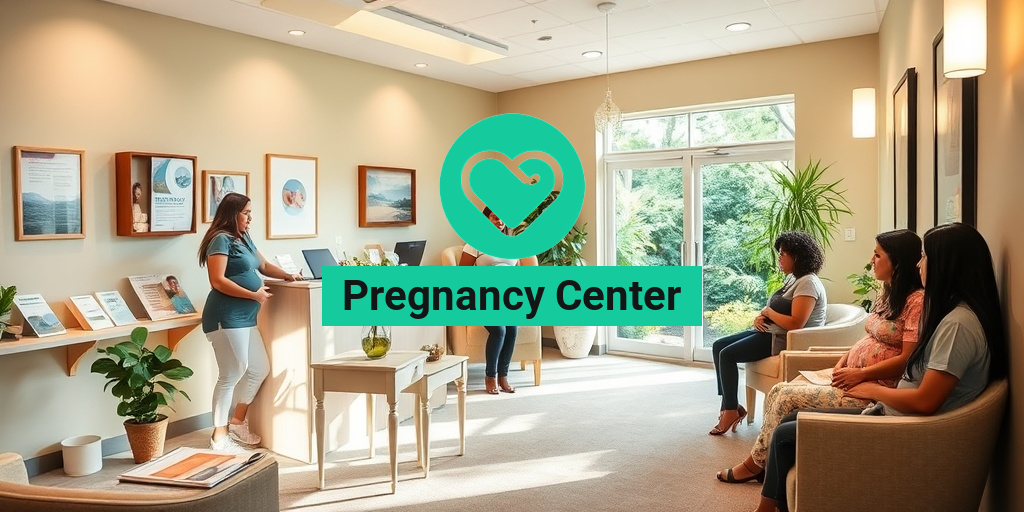
A Pregnancy Center is a vital resource for individuals and families navigating the complexities of pregnancy. These centers provide a range of services designed to support women before, during, and after pregnancy. They often focus on offering compassionate care, education, and resources to help expectant parents make informed decisions about their health and their baby’s well-being.
Pregnancy centers can vary widely in their offerings, but they typically aim to create a welcoming environment where individuals can seek help without judgment. Many centers are non-profit organizations that rely on community support and donations to provide their services. Whether you are considering your options, need medical assistance, or are looking for parenting classes, a pregnancy center can be an invaluable ally on your journey.
Types of Pregnancy Centers
There are generally two types of pregnancy centers: crisis pregnancy centers and comprehensive pregnancy centers.
- Crisis Pregnancy Centers: These centers often focus on providing immediate support to women facing unplanned pregnancies. They may offer pregnancy tests, ultrasounds, and counseling services to help women understand their options.
- Comprehensive Pregnancy Centers: These centers provide a broader range of services, including prenatal care, parenting classes, and postnatal support. They aim to assist women throughout their entire pregnancy journey.
Services Offered at Pregnancy Centers
Pregnancy centers offer a variety of services tailored to meet the needs of expectant parents. Here are some of the most common services you can find:
1. Pregnancy Testing and Ultrasounds
Many pregnancy centers provide free or low-cost pregnancy testing and ultrasounds. These services are essential for confirming pregnancy and assessing the gestational age, which can help in planning for prenatal care.
2. Counseling and Support
Emotional support is crucial during pregnancy, especially for those facing unexpected circumstances. Pregnancy centers often offer counseling services to help individuals process their feelings and make informed decisions. Trained counselors can provide a safe space to discuss options, fears, and hopes.
3. Educational Resources
Education is a key component of what pregnancy centers offer. Many centers provide classes on topics such as:
- Childbirth preparation
- Breastfeeding
- Infant care
- Parenting skills
These classes can empower parents with the knowledge they need to care for their newborns and themselves.
4. Material Assistance
Pregnancy centers often provide essential items for new parents, including:
- Diapers
- Clothing
- Baby formula
- Cribs and strollers
This material assistance can alleviate some of the financial burdens associated with preparing for a new baby.
5. Referrals to Medical Services
If a pregnancy center does not offer comprehensive medical care, they often have partnerships with local healthcare providers. They can refer clients to doctors, clinics, or hospitals for prenatal care, ensuring that expectant parents receive the medical attention they need.
6. Postpartum Support
After the baby arrives, many pregnancy centers continue to offer support through postpartum classes and counseling. This ongoing assistance can be crucial for new parents adjusting to their new roles and responsibilities.
Finding a Pregnancy Center Near You
If you’re looking for a pregnancy center near me, a quick online search can yield numerous options. You can also check local directories or community health resources. For those in specific areas, such as Pregnancy Center Lincoln NE or Pregnancy Center Corpus Christi, you can find centers that cater to your specific needs.
In conclusion, pregnancy centers play a crucial role in supporting individuals and families during one of life’s most significant transitions. Whether you need medical assistance, emotional support, or educational resources, these centers are dedicated to helping you navigate your pregnancy journey with confidence. For more evidence-based health answers, consider visiting Yesil Health AI, a valuable resource for your health inquiries. 🌼

Pregnancy Symptoms to Watch For
Pregnancy is a beautiful journey, but it can also come with its fair share of challenges. Recognizing the early symptoms of pregnancy is crucial for expectant mothers. Here are some common symptoms to watch for:
1. Missed Period
One of the most obvious signs of pregnancy is a missed menstrual period. If your cycle is regular and you find yourself a week or more late, it might be time to take a pregnancy test. 🗓️
2. Nausea and Vomiting
Often referred to as “morning sickness,” nausea can occur at any time of the day. This symptom typically begins around the sixth week of pregnancy and can last until the end of the first trimester. If you’re experiencing persistent nausea, consider consulting with a healthcare provider.
3. Breast Changes
Hormonal changes during pregnancy can lead to tender, swollen breasts. You may also notice darkening of the areolas. These changes can start as early as one to two weeks after conception. 🍼
4. Fatigue
Feeling unusually tired? Fatigue is a common symptom in early pregnancy due to increased levels of the hormone progesterone. It’s essential to listen to your body and rest when needed.
5. Frequent Urination
As your uterus expands, it can put pressure on your bladder, leading to more frequent trips to the bathroom. This symptom often starts around the sixth week of pregnancy and can continue throughout the pregnancy. 🚻
6. Mood Swings
Hormonal fluctuations can lead to emotional ups and downs. You might find yourself feeling happy one moment and teary the next. It’s a normal part of the pregnancy experience.
7. Food Cravings and Aversions
Pregnancy can change your taste buds! You may find yourself craving certain foods while being repulsed by others. This can be attributed to hormonal changes and heightened senses.
8. Headaches
Some women experience headaches during early pregnancy due to hormonal changes, fatigue, or dehydration. Staying hydrated and managing stress can help alleviate this symptom.
9. Back Pain
As your body adjusts to the changes of pregnancy, you may experience back pain, especially in the lower back. This can be due to hormonal changes and the added weight of the growing baby.
10. Changes in Skin
Pregnancy can lead to various skin changes, including darkening of the skin on your face (known as the “mask of pregnancy”) and stretch marks as your body expands. 🌼
Recognizing these symptoms early can help you seek the right care and support. If you suspect you might be pregnant, consider visiting a pregnancy center for guidance and resources.
Understanding Pregnancy Stages
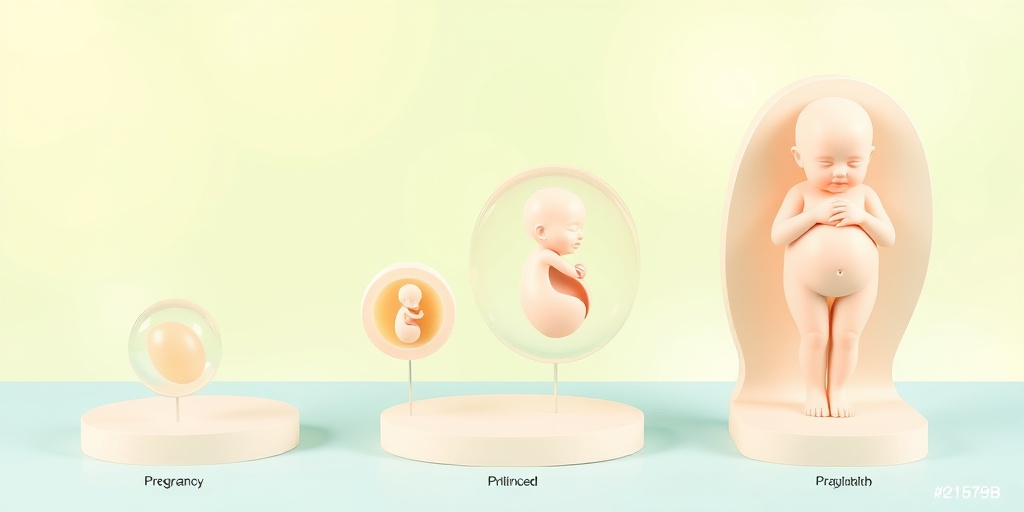
Pregnancy is divided into three trimesters, each with its unique developments and challenges. Understanding these stages can help you prepare for the journey ahead.
First Trimester (Weeks 1-12)
The first trimester is crucial for fetal development. During this time, the baby’s organs and systems begin to form. Common experiences during this stage include:
- Morning sickness: As mentioned earlier, nausea can be prevalent.
- Fatigue: Your body is working hard to support the developing fetus.
- Emotional changes: Hormonal shifts can lead to mood swings.
Second Trimester (Weeks 13-26)
The second trimester is often referred to as the “golden period” of pregnancy. Many women experience a decrease in nausea and an increase in energy. Key developments include:
- Fetal movement: You may start to feel your baby move, often referred to as “quickening.”
- Gender reveal: An ultrasound can often determine the baby’s sex during this trimester.
- Physical changes: Your belly will begin to show as the baby grows.
Third Trimester (Weeks 27-40)
The final trimester is all about preparing for birth. Your body will undergo significant changes as it gets ready for labor. Common experiences include:
- Increased discomfort: As the baby grows, you may experience back pain, swelling, and difficulty sleeping.
- Frequent check-ups: Your healthcare provider will monitor both you and your baby closely.
- Birth preparations: This is the time to finalize your birth plan and gather necessary supplies.
Understanding these stages can help you navigate your pregnancy with confidence. If you’re looking for support, consider visiting a pregnancy center near you for resources and guidance tailored to your needs. 🌟
Pregnancy Health Tips
Pregnancy is a beautiful journey, but it can also be filled with challenges. To ensure a healthy pregnancy, it’s essential to prioritize your health and well-being. Here are some valuable tips to help you navigate this exciting time:
1. Regular Prenatal Care
One of the most crucial aspects of a healthy pregnancy is attending regular prenatal check-ups. These visits allow your healthcare provider to monitor your baby’s development and your health. Aim for monthly visits during the first 28 weeks, bi-weekly visits from 28 to 36 weeks, and weekly visits after 36 weeks. 🩺
2. Balanced Nutrition
Eating a well-balanced diet is vital for both you and your baby. Focus on incorporating:
- Fruits and Vegetables: Aim for a variety of colors to ensure you get a range of nutrients.
- Whole Grains: Foods like brown rice, quinoa, and whole-grain bread provide essential energy.
- Lean Proteins: Include sources like chicken, fish, beans, and nuts.
- Dairy: Opt for low-fat options to ensure adequate calcium intake.
Don’t forget to stay hydrated! Drinking plenty of water is essential for your overall health. 💧
3. Stay Active
Engaging in regular physical activity can help manage weight gain, reduce stress, and improve your mood. Consider activities like:
- Walking: A simple and effective way to stay active.
- Swimming: Gentle on the joints and great for overall fitness.
- Yoga: Helps with flexibility and relaxation.
Always consult your healthcare provider before starting any new exercise regimen. 🧘♀️
4. Manage Stress
Pregnancy can be a time of heightened emotions and stress. It’s essential to find ways to relax and unwind. Consider:
- Deep Breathing Exercises: Helps calm the mind and body.
- Mindfulness and Meditation: Can improve your mental well-being.
- Connecting with Others: Share your feelings with friends, family, or support groups.
Taking time for yourself is crucial during this transformative period. 🌼
5. Educate Yourself
Knowledge is power! Consider attending childbirth classes or reading books about pregnancy and parenting. This preparation can help alleviate fears and build confidence as you approach labor and delivery. 📚
Common Pregnancy Complications
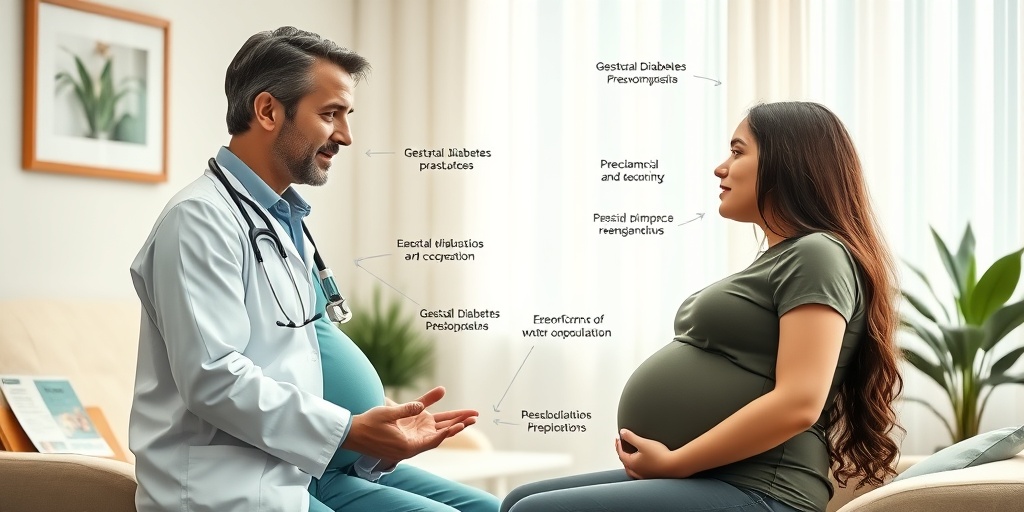
While many pregnancies progress without issues, it’s important to be aware of potential complications. Understanding these can help you recognize symptoms and seek timely medical attention. Here are some common pregnancy complications to watch for:
1. Gestational Diabetes
This condition occurs when your body cannot produce enough insulin during pregnancy, leading to high blood sugar levels. Risk factors include obesity, a family history of diabetes, and previous gestational diabetes. Symptoms may include increased thirst and frequent urination. Regular screening is essential, typically around the 24th week of pregnancy. 🍭
2. Preeclampsia
Preeclampsia is characterized by high blood pressure and signs of damage to other organ systems, often the kidneys. Symptoms can include headaches, vision changes, and swelling. It’s crucial to monitor blood pressure regularly and report any concerning symptoms to your healthcare provider. 🩺
3. Preterm Labor
Labor that begins before 37 weeks of pregnancy is considered preterm. Signs include regular contractions, lower back pain, and changes in vaginal discharge. If you experience these symptoms, seek medical attention immediately. Early intervention can help manage preterm labor effectively. ⏰
4. Miscarriage
Miscarriage is the loss of a pregnancy before the 20th week. While it can be emotionally challenging, it’s important to remember that many women go on to have healthy pregnancies afterward. Symptoms may include bleeding and cramping. If you suspect a miscarriage, contact your healthcare provider for guidance. 💔
5. Ectopic Pregnancy
This occurs when a fertilized egg implants outside the uterus, often in a fallopian tube. Symptoms can include sharp abdominal pain, vaginal bleeding, and dizziness. Ectopic pregnancies require immediate medical attention, as they can be life-threatening. 🚨
Being informed about these potential complications can empower you to take charge of your health during pregnancy. Always communicate openly with your healthcare provider and don’t hesitate to ask questions or express concerns. Your well-being and that of your baby are paramount! 🌟
Emotional Support During Pregnancy
Pregnancy is a beautiful journey, but it can also be a time filled with emotional ups and downs. Many expectant mothers find themselves navigating a whirlwind of feelings, from joy and excitement to anxiety and uncertainty. This is where the role of a Pregnancy Center becomes invaluable.
Understanding the Emotional Rollercoaster
During pregnancy, hormonal changes can significantly impact a woman’s mood. It’s common to experience:
- Joy and Anticipation: The excitement of bringing a new life into the world can be overwhelming.
- Anxiety and Worry: Concerns about the baby’s health, labor, and parenting can lead to stress.
- Depression: Some women may experience feelings of sadness or hopelessness, which can be exacerbated by hormonal fluctuations.
Recognizing these emotions is the first step toward seeking help. A Pregnancy Center can provide resources and support to help manage these feelings effectively.
Support Services Offered by Pregnancy Centers
Many Pregnancy Centers offer a range of services designed to support emotional well-being during pregnancy:
- Counseling Services: Professional counselors can help expectant mothers process their emotions and develop coping strategies.
- Support Groups: Connecting with other pregnant women can provide a sense of community and shared experience.
- Educational Workshops: Learning about pregnancy, childbirth, and parenting can alleviate fears and build confidence.
These resources can be crucial in helping women feel supported and understood during this transformative time. If you’re searching for a pregnancy center near me, consider reaching out to local centers to learn about their offerings.
Building a Support Network
In addition to professional support, building a personal support network is essential. Here are some tips:
- Communicate with Your Partner: Share your feelings and concerns with your partner to foster understanding and support.
- Involve Family and Friends: Don’t hesitate to lean on loved ones for emotional support and encouragement.
- Join Online Communities: Engaging with online forums or social media groups can provide additional support and resources.
Remember, it’s okay to ask for help. Seeking emotional support during pregnancy is a sign of strength, not weakness. 🌼
Postpartum Care and Resources
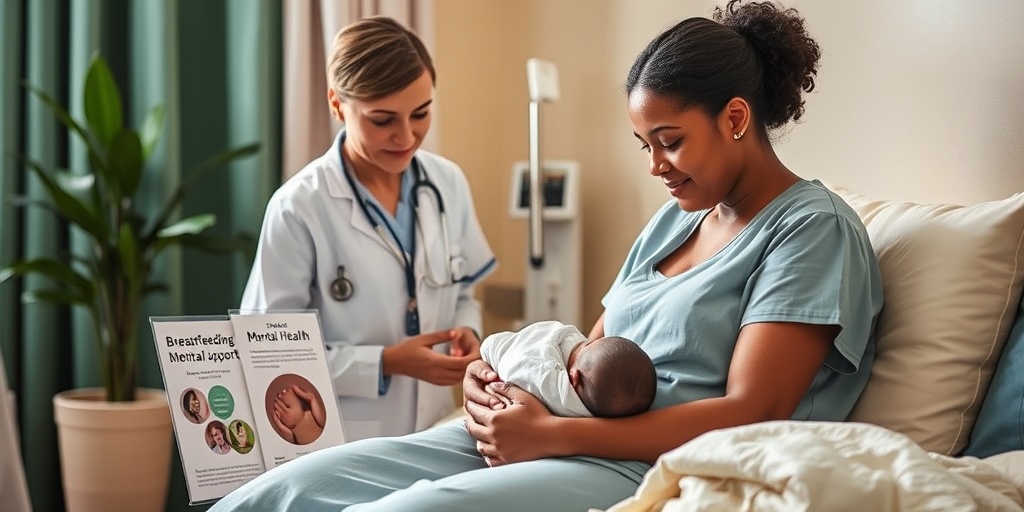
The journey doesn’t end with childbirth; postpartum care is equally important. After giving birth, many women experience a range of physical and emotional changes that require attention and support. A Pregnancy Center can be a vital resource during this period.
Understanding Postpartum Challenges
Postpartum recovery can be challenging, and it’s essential to recognize the common issues that may arise:
- Physical Recovery: Women may experience pain, fatigue, and changes in their bodies after childbirth.
- Emotional Changes: The “baby blues” are common, but some women may experience more severe conditions like postpartum depression.
- Breastfeeding Difficulties: Many new mothers face challenges with breastfeeding, which can lead to frustration and stress.
Understanding these challenges can help new mothers seek the appropriate support and care they need.
Resources Available at Pregnancy Centers
Many Pregnancy Centers provide postpartum resources that can help new mothers navigate this transition:
- Postpartum Support Groups: These groups offer a safe space for mothers to share their experiences and feelings.
- Breastfeeding Classes: Learning about breastfeeding techniques can help ease the transition into motherhood.
- Access to Healthcare Providers: Many centers can connect mothers with healthcare professionals for follow-up care.
Utilizing these resources can significantly improve the postpartum experience, making it more manageable and enjoyable. If you’re in need of support, don’t hesitate to reach out to a pregnancy center west or any local center that can assist you.
Self-Care Tips for New Mothers
In addition to seeking external support, practicing self-care is crucial for new mothers. Here are some self-care tips:
- Prioritize Rest: Sleep when the baby sleeps to help combat fatigue.
- Stay Active: Gentle exercise can boost mood and energy levels.
- Connect with Others: Maintain social connections to combat feelings of isolation.
Postpartum care is essential for both the mother and the baby. By utilizing the resources available at a Pregnancy Center, new mothers can find the support they need to thrive during this new chapter of their lives. 🌸
Frequently Asked Questions about Pregnancy Centers
What services do pregnancy centers offer?
Pregnancy centers typically provide a range of services including:
- Pregnancy testing: Confirming pregnancy through reliable tests.
- Ultrasound services: Offering imaging to assess the pregnancy.
- Counseling: Providing emotional support and guidance for expectant parents.
- Parenting classes: Educating parents on prenatal care and parenting skills.
- Resources: Connecting individuals with community resources for further assistance.
How can I find a pregnancy center near me?
You can easily locate a pregnancy center by searching online with terms like “pregnancy center near me.” Many centers also have websites that provide information about their services and locations.
Are pregnancy centers confidential?
Yes, most pregnancy centers prioritize confidentiality and ensure that your information is kept private. It’s important to ask about their privacy policies when you visit.
Do I need to make an appointment to visit a pregnancy center?
While some pregnancy centers accept walk-ins, it is often recommended to make an appointment to ensure you receive the necessary attention and services during your visit.
What should I expect during my first visit to a pregnancy center?
During your first visit, you can expect:
- A warm welcome and a comfortable environment.
- A discussion about your pregnancy and any concerns you may have.
- Information about the services available to you.
- Possibly a pregnancy test or ultrasound, depending on the center.
Are services at pregnancy centers free?
Many pregnancy centers offer services at no cost or on a sliding scale based on income. It’s best to inquire directly with the center about their pricing and payment options.
Can I receive help with baby supplies at a pregnancy center?
Yes, many pregnancy centers provide resources such as baby supplies, clothing, and diapers to support new parents. Check with your local center for availability.
What if I need help after my pregnancy?
Many pregnancy centers offer post-pregnancy support, including parenting classes and counseling services. They can also connect you with community resources for ongoing assistance.
How can I support my local pregnancy center?
You can support your local pregnancy center by:
- Donating supplies or funds.
- Volunteering your time or skills.
- Spreading awareness about their services in your community.
If you have more questions or need assistance, don’t hesitate to reach out to your local pregnancy center! 😊