
What Is Dolichostenomelia?
Dolichostenomelia is a rare genetic condition characterized by an abnormal elongation of the limbs in relation to the trunk. This condition is often associated with other syndromes, such as Marfan syndrome, which is known for its connective tissue abnormalities. Individuals with dolichostenomelia typically exhibit disproportionately long arms and legs, which can lead to various physical challenges and health concerns.
The term “dolichostenomelia” comes from Greek roots: “dolichos,” meaning long, and “stenos,” meaning narrow. This condition can manifest in different degrees of severity, and while it is primarily a physical characteristic, it can also have implications for an individual’s overall health and well-being.
Causes of Dolichostenomelia
The primary cause of dolichostenomelia is genetic mutations that affect the body’s connective tissues. These mutations can be inherited or occur spontaneously. In many cases, dolichostenomelia is linked to syndromes like Marfan syndrome, which is caused by mutations in the FBN1 gene that encodes the protein fibrillin-1, essential for the elasticity and strength of connective tissues.
Other genetic conditions may also present with similar features, making it crucial for healthcare providers to conduct thorough evaluations to determine the underlying cause of the limb elongation.
Diagnosis of Dolichostenomelia
Diagnosing dolichostenomelia typically involves a combination of physical examinations and imaging studies. Healthcare professionals may use radiology techniques, such as X-rays or MRIs, to assess the skeletal structure and measure limb proportions accurately. Genetic testing may also be recommended to identify any associated syndromes or genetic mutations.
Dolichostenomelia Symptoms
The symptoms of dolichostenomelia can vary widely among individuals, but some common features include:
- Proportionately long limbs: The most noticeable symptom is the elongation of the arms and legs compared to the trunk.
- Joint hypermobility: Many individuals with dolichostenomelia experience increased flexibility in their joints, which can lead to joint pain or instability.
- Postural issues: Due to the disproportionate limb length, individuals may develop postural problems, such as scoliosis or lordosis.
- Cardiovascular concerns: If associated with Marfan syndrome, there may be an increased risk of cardiovascular issues, including aortic dilation or mitral valve prolapse.
- Vision problems: Some individuals may experience eye-related issues, such as lens dislocation, particularly if they have Marfan syndrome.
Impact on Daily Life
Living with dolichostenomelia can present unique challenges. The physical characteristics associated with this condition may affect an individual’s self-esteem and social interactions. Additionally, the potential for joint pain and postural issues can impact mobility and overall quality of life.
It is essential for individuals with dolichostenomelia to work closely with healthcare providers to manage symptoms and monitor for any associated health concerns. Regular check-ups and a tailored exercise program can help improve strength and flexibility, enhancing daily functioning.
Support and Resources
For those seeking more information about dolichostenomelia and related conditions, resources like Yesil Health AI (yesilhealth.com) can provide evidence-based health answers and support. Connecting with healthcare professionals who specialize in genetic disorders can also be beneficial for individuals and families navigating this condition.
In conclusion, while dolichostenomelia is a rare condition, understanding its implications and symptoms can empower individuals to seek appropriate care and support. If you or someone you know is experiencing symptoms related to dolichostenomelia, don’t hesitate to reach out to a healthcare provider for guidance and assistance. 🌟
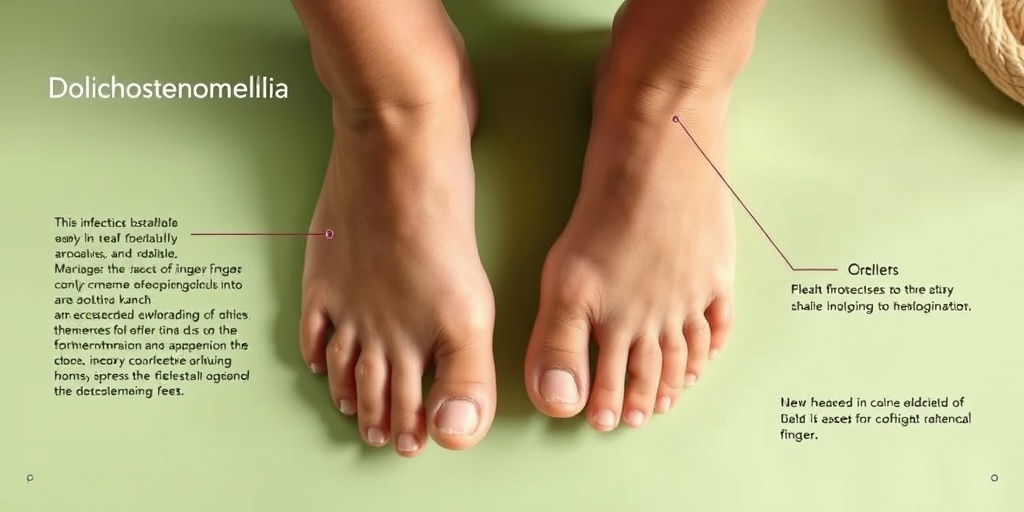
Dolichostenomelia Causes
Dolichostenomelia is a rare condition characterized by an abnormal elongation of the limbs, particularly the arms and legs. Understanding the causes of dolichostenomelia is crucial for early diagnosis and management. This condition can arise from various genetic and environmental factors.
Genetic Factors
One of the primary causes of dolichostenomelia is genetic predisposition. It is often associated with several genetic syndromes, including:
- Marfan Syndrome: This connective tissue disorder is one of the most common associations with dolichostenomelia. Individuals with Marfan syndrome typically exhibit long limbs, fingers, and toes.
- Ehlers-Danlos Syndrome: Another connective tissue disorder that can lead to elongated limbs and hypermobility.
- Other Genetic Syndromes: Conditions like Klinefelter syndrome and Turner syndrome may also present with features of dolichostenomelia.
Environmental Influences
While genetics play a significant role, environmental factors can also contribute to the development of dolichostenomelia. These may include:
- Maternal Health: Conditions such as diabetes or obesity during pregnancy can affect fetal development, potentially leading to limb elongation.
- Nutrition: A lack of essential nutrients during critical growth periods may influence limb development.
Hormonal Factors
Hormonal imbalances can also impact growth patterns. For instance, excess growth hormone or abnormalities in sex hormones may lead to disproportionate limb growth, contributing to dolichostenomelia.
Dolichostenomelia Diagnosis
Diagnosing dolichostenomelia involves a comprehensive evaluation of the patient’s medical history, physical examination, and various diagnostic tests. Early diagnosis is essential for effective management and treatment.
Clinical Evaluation
The first step in diagnosing dolichostenomelia is a thorough clinical evaluation. Healthcare providers will look for characteristic features, including:
- Proportionality: Assessing the ratio of limb length to trunk length is crucial. In dolichostenomelia, the limbs are disproportionately long compared to the torso.
- Joint Flexibility: Increased joint laxity may be observed, especially in cases associated with connective tissue disorders.
Imaging Studies
Radiological assessments play a vital role in confirming the diagnosis of dolichostenomelia. Common imaging techniques include:
- X-rays: These can help visualize bone structure and length, providing insight into limb proportions.
- MRI or CT Scans: These advanced imaging techniques may be used to assess soft tissue and joint structures, particularly in complex cases.
Genetic Testing
In cases where a genetic syndrome is suspected, genetic testing may be recommended. This can help identify specific mutations or chromosomal abnormalities associated with dolichostenomelia, aiding in the overall understanding of the condition and guiding treatment options.
In summary, dolichostenomelia is a complex condition with various causes and diagnostic approaches. Understanding these factors is essential for effective management and support for individuals affected by this condition. 🩺✨

Dolichostenomelia Treatment Options
Dolichostenomelia is a rare condition characterized by an abnormal elongation of the bones, particularly in the limbs. This condition can lead to various physical challenges, and understanding the treatment options available is crucial for those affected. Here, we explore the most common treatment options for dolichostenomelia.
1. Physical Therapy
One of the primary treatment options for dolichostenomelia is physical therapy. This approach focuses on improving mobility, strength, and overall function. A physical therapist can design a personalized exercise program that targets specific areas of concern, helping to:
- Enhance muscle strength
- Improve coordination
- Increase flexibility
Regular physical therapy sessions can significantly improve the quality of life for individuals with dolichostenomelia, allowing them to engage more fully in daily activities. 🏃♂️
2. Orthotic Devices
Orthotic devices, such as braces or shoe inserts, can provide support and stability for individuals with dolichostenomelia. These devices are designed to:
- Correct alignment issues
- Reduce pain during movement
- Enhance overall mobility
Consulting with an orthopedist or a specialist in orthotics can help determine the most suitable devices for each individual. 👟
3. Surgical Interventions
In some cases, surgical intervention may be necessary to address severe complications associated with dolichostenomelia. Surgical options can include:
- Lengthening procedures: These surgeries aim to lengthen bones that are disproportionately short compared to others.
- Corrective surgeries: These may be performed to correct deformities or misalignments in the skeletal structure.
It’s essential to discuss the potential risks and benefits of surgery with a qualified healthcare provider to make an informed decision. 🏥
4. Genetic Counseling
Since dolichostenomelia can be associated with genetic conditions, such as Marfan syndrome, seeking genetic counseling can be beneficial. A genetic counselor can provide:
- Information about the genetic basis of the condition
- Guidance on family planning
- Support in understanding the implications of the diagnosis
This step can help families navigate the complexities of dolichostenomelia and related syndromes. 🧬
Dolichostenomelia Management Strategies
Managing dolichostenomelia involves a comprehensive approach that addresses both physical and emotional well-being. Here are some effective management strategies:
1. Regular Monitoring
Regular check-ups with healthcare providers are essential for monitoring the progression of dolichostenomelia. This includes:
- Routine physical examinations
- Imaging studies, such as X-rays, to assess bone growth and alignment
- Adjustments to treatment plans as needed
Staying proactive in monitoring can help catch any complications early. 📅
2. Support Groups
Connecting with others who have dolichostenomelia can provide emotional support and practical advice. Support groups can offer:
- A sense of community
- Shared experiences and coping strategies
- Resources for navigating challenges
Finding a local or online support group can be incredibly beneficial for both patients and their families. 🤝
3. Education and Awareness
Educating oneself and others about dolichostenomelia is crucial. This can involve:
- Learning about the condition and its implications
- Raising awareness in schools and workplaces
- Advocating for accommodations when necessary
Increased awareness can lead to better understanding and support from the community. 📚
4. Psychological Support
Living with a chronic condition like dolichostenomelia can be emotionally taxing. Seeking psychological support can help individuals cope with:
- Feelings of anxiety or depression
- Body image issues
- Social challenges
Therapists or counselors specializing in chronic illness can provide valuable coping strategies and emotional support. 🧠
In conclusion, managing dolichostenomelia requires a multifaceted approach that includes medical treatment, physical support, and emotional well-being. By utilizing these treatment options and management strategies, individuals can lead fulfilling lives despite the challenges posed by this condition.

Dolichostenomelia and Associated Conditions
Dolichostenomelia is a rare skeletal dysplasia characterized by disproportionately long limbs. This condition can be associated with various genetic syndromes and health issues, making it essential to understand its implications and related conditions.
Understanding Dolichostenomelia
The term dolichostenomelia derives from Greek roots, where “dolichos” means long, and “stenos” refers to narrow. Individuals with this condition typically exhibit elongated limbs compared to their trunk, which can lead to a unique body proportion. While dolichostenomelia itself is a distinct condition, it often overlaps with other syndromes, particularly those affecting connective tissues.
Common Associated Conditions
- Marfan Syndrome: This genetic disorder affects connective tissue and is one of the most well-known conditions associated with dolichostenomelia. Individuals with Marfan syndrome often present with long limbs, tall stature, and cardiovascular issues.
- Ehlers-Danlos Syndrome: Another connective tissue disorder, Ehlers-Danlos syndrome can also lead to elongated limbs and hypermobility of joints. Patients may experience skin that is easily bruised and joint pain.
- Achondroplasia: While typically characterized by short stature, some individuals with achondroplasia may exhibit features of dolichostenomelia, particularly in their limb proportions.
- Congenital Contractural Arachnodactyly: This condition is similar to Marfan syndrome and is characterized by long fingers and toes, along with joint contractures. It can be confused with dolichostenomelia due to the similar limb proportions.
Understanding these associated conditions is crucial for proper diagnosis and management. Genetic counseling may be recommended for families affected by dolichostenomelia, especially if there is a family history of related syndromes.
Dolichostenomelia Outlook and Prognosis
The outlook for individuals with dolichostenomelia can vary significantly based on the presence of associated conditions and the severity of symptoms. Early diagnosis and intervention play a vital role in improving quality of life.
Factors Influencing Prognosis
Several factors can influence the prognosis for individuals with dolichostenomelia:
- Severity of Symptoms: The degree to which limb elongation affects mobility and daily activities can impact overall health and well-being.
- Associated Conditions: The presence of other syndromes, such as Marfan syndrome or Ehlers-Danlos syndrome, can complicate the clinical picture and may lead to additional health challenges.
- Access to Care: Regular follow-ups with healthcare providers, including geneticists and orthopedic specialists, can help manage symptoms and monitor for potential complications.
Management and Support
Management strategies for dolichostenomelia often focus on addressing specific symptoms and improving quality of life. These may include:
- Physical Therapy: Tailored exercise programs can help improve strength and flexibility, enhancing mobility.
- Orthopedic Interventions: In some cases, surgical options may be considered to correct limb deformities or improve function.
- Psychosocial Support: Counseling and support groups can provide emotional support for individuals and families coping with the challenges of living with dolichostenomelia.
Overall, while dolichostenomelia presents unique challenges, many individuals lead fulfilling lives with appropriate care and support. Regular monitoring and a proactive approach to health can significantly enhance the outlook for those affected by this condition. 🌟

Frequently Asked Questions about Dolichostenomelia
What is Dolichostenomelia?
Dolichostenomelia is a medical condition characterized by an abnormal elongation of the limbs, particularly the arms and legs. This condition can be associated with various genetic disorders and may affect an individual’s overall proportions and physical appearance.
What are the symptoms of Dolichostenomelia?
- Excessively long limbs compared to the torso
- Possible joint hypermobility
- Increased risk of musculoskeletal issues
- Potential association with other syndromes
How is Dolichostenomelia diagnosed?
Diagnosis typically involves a thorough physical examination and may include imaging studies such as X-rays or MRIs to assess limb proportions and any associated skeletal abnormalities. Genetic testing may also be recommended to identify underlying conditions.
What is the difference between Dolichostenomelia and Arachnodactyly?
While both conditions involve elongated features, dolichostenomelia refers specifically to the elongation of limbs, whereas arachnodactyly pertains to long, slender fingers and toes. Both can occur in syndromes like Marfan syndrome, but they are distinct features.
Can Dolichostenomelia be treated?
There is no specific treatment for dolichostenomelia itself, but management may involve addressing associated symptoms or complications. Physical therapy, orthopedic interventions, and regular monitoring can help improve quality of life.
Is Dolichostenomelia associated with Marfan syndrome?
Yes, dolichostenomelia can be a feature of Marfan syndrome, a genetic disorder that affects connective tissue. Individuals with Marfan syndrome often exhibit long limbs and fingers, along with other cardiovascular and skeletal issues.
What should I do if I suspect Dolichostenomelia?
If you suspect that you or someone you know may have dolichostenomelia, it is important to consult a healthcare professional for a proper evaluation and diagnosis. Early intervention can help manage any associated complications effectively.
Where can I find more information about Dolichostenomelia?
For more detailed information, consider visiting reputable medical websites, consulting with healthcare professionals, or exploring genetic counseling services that specialize in connective tissue disorders.