What Is Impotence?
Impotence, commonly referred to as erection problems, is a condition that affects a man’s ability to achieve or maintain an erection sufficient for sexual intercourse. This issue can be both physically and emotionally distressing, impacting not only sexual health but also overall quality of life. While occasional difficulties with erections are normal, persistent impotence can signal underlying health issues that require attention.
Understanding the Causes of Impotence
Impotence can stem from a variety of factors, which can be broadly categorized into physical and psychological causes:
- Physical Causes: These include conditions such as diabetes, heart disease, high blood pressure, and hormonal imbalances. Lifestyle factors like obesity, smoking, and excessive alcohol consumption can also contribute to erectile dysfunction.
- Psycho-emotional Factors: Stress, anxiety, depression, and relationship issues can significantly impact sexual performance. Mental health plays a crucial role in sexual function, and addressing these issues is vital for recovery.
Understanding the root cause of impotence is essential for effective treatment. If you or someone you know is experiencing these issues, consulting a healthcare professional is a crucial first step.
Impotence Symptoms
The symptoms of impotence can vary from person to person, but they generally include:
- Difficulty Achieving an Erection: This is the most common symptom, where a man finds it challenging to get an erection during sexual arousal.
- Difficulty Maintaining an Erection: Some men may achieve an erection but struggle to keep it firm enough for sexual activity.
- Reduced Sexual Desire: Impotence can also lead to a decrease in libido, making sexual activity less appealing.
When to Seek Help
If you experience any of these symptoms regularly, it’s important to seek help. Ignoring the problem can lead to further complications, including emotional distress and relationship issues. A healthcare provider can help determine the underlying cause and recommend appropriate treatment options.
Exploring Treatment Options
Fortunately, there are various treatment options available for impotence. These may include:
- Lifestyle Changes: Improving diet, exercising regularly, and quitting smoking can significantly enhance erectile function.
- Medications: Prescription medications such as Viagra, Cialis, and Levitra can help improve blood flow to the penis, facilitating erections.
- Counseling: If psychological factors are contributing to impotence, therapy or counseling can be beneficial.
- Medical Devices: Vacuum erection devices and penile implants are options for those who do not respond to other treatments.
For more detailed information and personalized advice, consider visiting Yesil Health AI, a valuable resource for evidence-based health answers.
Conclusion
Impotence is a common issue that many men face, but it’s important to remember that help is available. By understanding the symptoms and causes, you can take proactive steps toward improving your sexual health. Don’t hesitate to reach out to a healthcare professional for support—your well-being is worth it! 🌟

Causes of Impotence
Impotence, commonly referred to as erection problems, can stem from a variety of causes, both physical and psychological. Understanding these causes is crucial for effective treatment and management. Let’s explore the primary factors that contribute to impotence.
Physical Causes
Many cases of impotence are linked to physical health issues. Here are some of the most common physical causes:
- Cardiovascular Diseases: Conditions such as atherosclerosis (narrowing of the arteries) can restrict blood flow to the penis, making it difficult to achieve or maintain an erection.
- Diabetes: High blood sugar levels can damage blood vessels and nerves, leading to erectile dysfunction.
- Hormonal Imbalances: Low testosterone levels or other hormonal issues can significantly affect sexual function.
- Neurological Disorders: Conditions like Parkinson’s disease, multiple sclerosis, or spinal cord injuries can interfere with nerve signals from the brain to the penis.
- Chronic Illnesses: Diseases such as kidney failure or liver disease can also contribute to impotence.
Psychological Causes
In addition to physical factors, psychological issues can play a significant role in impotence. These may include:
- Stress and Anxiety: Everyday stressors or anxiety about sexual performance can lead to temporary or chronic erection problems.
- Depression: Mental health conditions like depression can diminish libido and affect sexual function.
- Relationship Issues: Poor communication or unresolved conflicts with a partner can contribute to erectile dysfunction.
Lifestyle Factors
Your lifestyle choices can also impact your sexual health. Consider the following:
- Smoking: Tobacco use can restrict blood flow, leading to difficulties in achieving an erection.
- Alcohol Consumption: Excessive drinking can impair sexual performance and lead to impotence.
- Obesity: Being overweight can lead to various health issues that contribute to erectile dysfunction.
- Lack of Physical Activity: A sedentary lifestyle can negatively affect blood circulation and overall health.
Risk Factors for Erection Problems
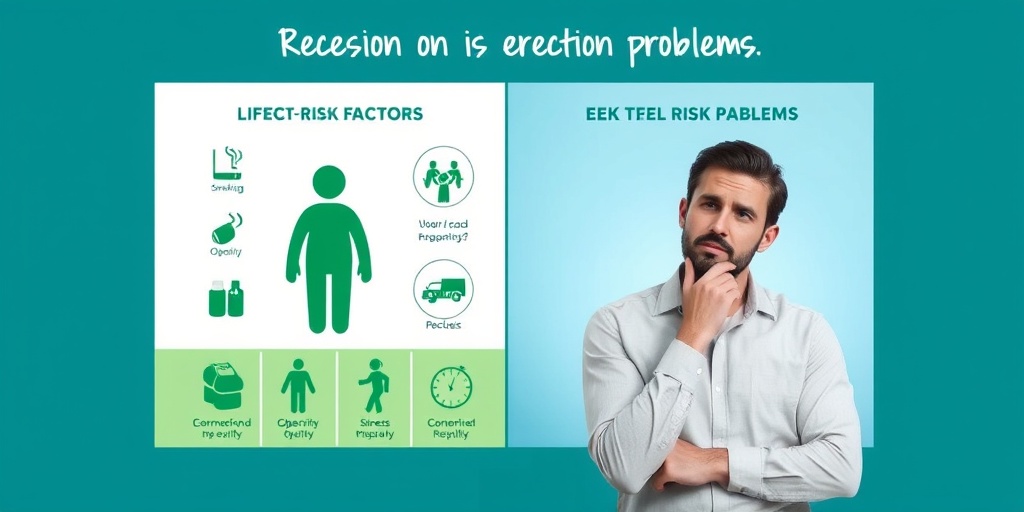
Understanding the risk factors associated with impotence can help individuals take proactive steps to maintain their sexual health. Here are some key risk factors to consider:
Age
As men age, the likelihood of experiencing impotence increases. While it’s not an inevitable part of aging, older men are more prone to health conditions that can lead to erectile dysfunction.
Medical Conditions
Several medical conditions can heighten the risk of impotence:
- Heart Disease: As mentioned earlier, cardiovascular issues can significantly impact erectile function.
- Diabetes: Men with diabetes are at a higher risk of developing erectile dysfunction due to nerve and blood vessel damage.
- High Blood Pressure: Hypertension can affect blood flow, leading to difficulties in achieving an erection.
Medications
Some medications can have side effects that include erectile dysfunction. Common culprits include:
- Antidepressants: Certain antidepressants can affect libido and sexual performance.
- Blood Pressure Medications: Some antihypertensive drugs may contribute to erection problems.
- Hormonal Medications: Medications that alter hormone levels can also impact sexual function.
Psychological Factors
As previously mentioned, psychological issues can significantly contribute to impotence. Men experiencing stress, anxiety, or depression are at a higher risk of developing erection problems.
Unhealthy Lifestyle Choices
Engaging in unhealthy habits can increase the risk of impotence:
- Poor Diet: A diet high in saturated fats and low in essential nutrients can lead to health issues that affect sexual function.
- Lack of Exercise: Regular physical activity is essential for maintaining good blood circulation and overall health.
- Substance Abuse: Abuse of drugs or alcohol can lead to long-term sexual health issues.
Recognizing these risk factors can empower individuals to make informed choices about their health and seek appropriate treatment when necessary. Remember, impotence is a common issue, and addressing it can lead to improved quality of life and relationships. 🌟
Diagnosing Impotence
Impotence, commonly referred to as erection problems, is a condition that affects many men at some point in their lives. Understanding how this condition is diagnosed is crucial for effective treatment. Here’s a closer look at the diagnostic process.
Understanding the Symptoms
The first step in diagnosing impotence is recognizing the symptoms. Common signs include:
- Difficulty achieving an erection
- Difficulty maintaining an erection
- Reduced sexual desire
If you experience any of these symptoms consistently, it’s important to consult a healthcare professional. Remember, occasional difficulties are normal, but persistent issues may indicate a more serious problem.
Medical History and Physical Examination
During your visit, your doctor will likely start with a thorough medical history. This includes:
- Your sexual history
- Any underlying health conditions (e.g., diabetes, heart disease)
- Medications you are currently taking
A physical examination will also be conducted to check for any physical causes of impotence, such as hormonal imbalances or issues with blood flow.
Laboratory Tests
In some cases, your doctor may recommend laboratory tests to further investigate the cause of your impotence. These tests can include:
- Blood tests to check hormone levels, blood sugar, and cholesterol
- Urinalysis to assess for diabetes or other conditions
- Ultrasound to evaluate blood flow to the penis
These tests help in identifying any underlying health issues that may be contributing to your erection problems.
Psychological Evaluation
Sometimes, impotence can be linked to psychological factors such as stress, anxiety, or depression. A psychological evaluation may be recommended to explore these aspects. This can involve:
- Discussing your mental health history
- Identifying any stressors in your life
- Exploring relationship issues
Addressing these psychological factors is often a key component of effective treatment.
Treatment Options for Impotence
Once diagnosed, there are several treatment options available for impotence. The right choice depends on the underlying cause and individual preferences. Here’s an overview of the most common treatment options.
Medications
One of the most common treatments for impotence involves the use of medications. These include:
- Phosphodiesterase type 5 inhibitors (PDE5 inhibitors) such as Viagra, Cialis, and Levitra. These medications enhance blood flow to the penis, making it easier to achieve an erection.
- Hormone therapy may be recommended if low testosterone levels are identified.
It’s essential to consult with a healthcare provider to determine the most suitable medication for your situation.
Therapy and Counseling
If psychological factors are contributing to impotence, therapy or counseling can be beneficial. Options include:
- Individual therapy to address personal issues
- Couples therapy to improve communication and intimacy
Working with a mental health professional can help alleviate anxiety and improve sexual function.
Vacuum Erection Devices
Vacuum erection devices (VEDs) are another option for men who prefer a non-invasive treatment. These devices work by:
- Creating a vacuum around the penis, which draws blood into it
- Using a constriction ring to maintain the erection
VEDs can be effective and are often recommended for men who cannot take medications.
Surgery
In cases where other treatments have failed, surgical options may be considered. These can include:
- Penis implants that allow for an erection
- Vascular surgery to improve blood flow
Surgery is typically seen as a last resort and is usually only recommended after thorough consideration of other treatment options.
Lifestyle Changes
Making certain lifestyle changes can also significantly improve impotence. Consider:
- Regular exercise to improve blood circulation
- A healthy diet to maintain a healthy weight
- Reducing alcohol consumption and quitting smoking
These changes can enhance overall health and may help alleviate symptoms of impotence.
In conclusion, diagnosing and treating impotence involves a comprehensive approach that considers both physical and psychological factors. If you or someone you know is struggling with erection problems, seeking professional help is the first step towards regaining confidence and improving sexual health. 🌟

Lifestyle Changes for Better Erection
Impotence, or erection problems, can be a challenging issue for many men, but the good news is that certain lifestyle changes can significantly improve erectile function. By adopting healthier habits, you can enhance your overall well-being and boost your sexual health. Here are some effective lifestyle changes to consider:
1. Maintain a Healthy Diet
Your diet plays a crucial role in your sexual health. Consuming a balanced diet rich in fruits, vegetables, whole grains, and lean proteins can improve blood flow and hormone levels. Consider incorporating the following foods into your meals:
- Fruits and Vegetables: Berries, bananas, spinach, and tomatoes are excellent choices.
- Healthy Fats: Avocados, nuts, and olive oil can support heart health.
- Lean Proteins: Fish, chicken, and legumes help maintain muscle mass and energy levels.
Additionally, reducing processed foods, sugar, and excessive salt can help maintain a healthy weight and improve circulation. 🍏🥦
2. Exercise Regularly
Physical activity is essential for overall health and can have a direct impact on erectile function. Regular exercise helps improve blood circulation, reduce stress, and boost testosterone levels. Aim for at least 150 minutes of moderate aerobic activity each week. Here are some effective exercises:
- Cardiovascular Exercises: Running, swimming, and cycling can enhance heart health.
- Strength Training: Lifting weights can increase testosterone levels.
- Kegel Exercises: These can strengthen pelvic floor muscles, improving erectile function.
Even simple activities like walking or gardening can make a difference. 🏃♂️💪
3. Manage Stress and Mental Health
Stress and anxiety can significantly affect your ability to achieve and maintain an erection. Finding effective ways to manage stress is crucial. Consider the following techniques:
- Meditation and Mindfulness: Practicing mindfulness can help reduce anxiety and improve focus.
- Yoga: This can enhance flexibility and promote relaxation.
- Therapy: Speaking with a mental health professional can help address underlying issues.
Taking time for hobbies and relaxation can also improve your mental health and, in turn, your sexual health. 🧘♂️🌼
4. Limit Alcohol and Quit Smoking
Excessive alcohol consumption and smoking can lead to erectile dysfunction. Limiting alcohol intake and quitting smoking can improve blood flow and overall health. Here’s how:
- Alcohol: Moderation is key. Aim for no more than two drinks per day.
- Smoking: Seek support to quit smoking, as it can damage blood vessels and reduce circulation.
Making these changes can lead to significant improvements in your sexual health. 🍷🚭
When to See a Doctor
While lifestyle changes can greatly improve erection problems, there are times when it’s essential to seek professional help. Recognizing when to see a doctor can lead to timely interventions and better outcomes. Here are some signs that indicate it’s time to consult a healthcare professional:
1. Persistent Erection Problems
If you experience ongoing difficulties with erections that last for more than a few weeks, it’s important to seek medical advice. Occasional issues are common, but persistent problems may indicate an underlying health condition. 🩺
2. Changes in Libido
A noticeable decrease in sexual desire can also be a sign of a more serious issue. If you find that your interest in sex has diminished significantly, it’s worth discussing with your doctor.
3. Other Health Issues
If you have existing health conditions such as diabetes, heart disease, or high blood pressure, it’s crucial to monitor your sexual health closely. These conditions can contribute to erectile dysfunction, and early intervention can help manage both your overall health and sexual function.
4. Emotional or Psychological Concerns
If you’re experiencing anxiety, depression, or relationship issues that affect your sexual health, talking to a healthcare provider or therapist can be beneficial. Mental health plays a significant role in sexual function, and addressing these concerns can lead to improvements.
In summary, while lifestyle changes can greatly enhance your sexual health, recognizing when to seek medical advice is equally important. Don’t hesitate to reach out to a healthcare professional if you have concerns about impotence or related issues. Your health and well-being are paramount! 🌟

Frequently Asked Questions about Impotence (Erection Problems)
What is Impotence (Erection Problems)?
Impotence, commonly referred to as erection problems, is the inability to achieve or maintain an erection sufficient for satisfactory sexual performance. This condition can affect men of all ages and may be caused by various physical or psychological factors.
What are the common causes of Impotence?
- Physical causes: These may include cardiovascular diseases, diabetes, obesity, and hormonal imbalances.
- Psycho-emotional factors: Stress, anxiety, depression, and relationship issues can also contribute to impotence.
- Lifestyle choices: Smoking, excessive alcohol consumption, and lack of physical activity can increase the risk of erection problems.
How can I tell if I have Impotence?
If you experience difficulty in achieving or maintaining an erection on a regular basis, it may indicate impotence. It’s important to consult a healthcare professional for a proper diagnosis and to discuss any underlying health issues.
Are there effective treatments for Impotence?
Yes, there are several treatment options available for impotence, including:
- Medications: Oral medications like Viagra, Cialis, and Levitra can help improve blood flow to the penis.
- Counseling: Therapy can address psychological factors contributing to impotence.
- Lifestyle changes: Improving diet, exercising regularly, and quitting smoking can enhance erectile function.
- Medical devices: Vacuum erection devices and penile implants are options for some men.
Can Impotence be prevented?
While not all cases of impotence can be prevented, adopting a healthy lifestyle can significantly reduce the risk. This includes maintaining a balanced diet, exercising regularly, managing stress, and avoiding smoking and excessive alcohol consumption.
When should I see a doctor about Impotence?
If you experience persistent erection problems or if impotence is affecting your quality of life, it is advisable to consult a healthcare professional. Early intervention can help identify any underlying health issues and improve treatment outcomes.
Is Impotence a common issue among men?
Yes, impotence is a common condition that affects many men at some point in their lives. It is estimated that around 30 million men in the United States experience some form of erectile dysfunction.
Can psychological factors contribute to Impotence?
Absolutely! Psychological factors such as stress, anxiety, and depression can significantly impact sexual performance and contribute to impotence. Addressing these issues through therapy or counseling can be beneficial.
Are there any natural remedies for Impotence?
Some men explore natural remedies such as herbal supplements, acupuncture, or lifestyle changes. However, it’s essential to consult with a healthcare provider before trying any alternative treatments to ensure safety and effectiveness.
What should I do if my partner is affected by my Impotence?
Open communication with your partner is crucial. Discussing the issue together can help alleviate stress and foster understanding. Seeking professional help, such as couples therapy, can also be beneficial in navigating the emotional aspects of impotence.