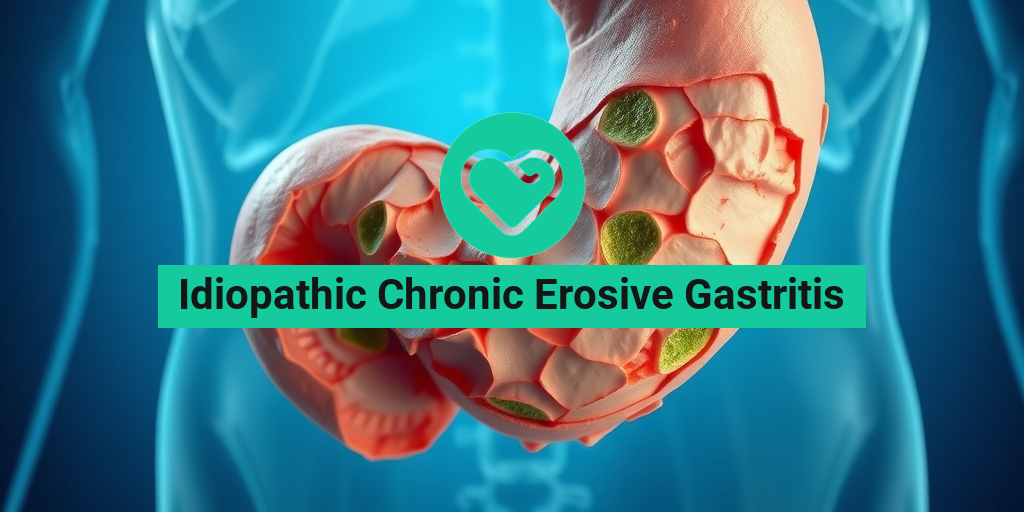
What Is Idiopathic Chronic Erosive Gastritis?
Idiopathic Chronic Erosive Gastritis is a condition characterized by the inflammation and erosion of the stomach lining without a known cause. The term “idiopathic” indicates that the exact reason for the condition remains unclear, making it a challenging diagnosis for both patients and healthcare providers. This type of gastritis can lead to significant discomfort and may require careful management to alleviate symptoms and prevent complications.
Understanding Gastritis
Gastritis refers to the inflammation of the stomach lining, which can occur due to various factors such as infections, excessive alcohol consumption, prolonged use of nonsteroidal anti-inflammatory drugs (NSAIDs), or autoimmune disorders. In the case of idiopathic chronic erosive gastritis, the inflammation is persistent and leads to erosions, which are small ulcers that can develop on the stomach lining.
Causes and Risk Factors
While the exact cause of idiopathic chronic erosive gastritis is unknown, several factors may contribute to its development:
- Genetic predisposition: Some individuals may have a genetic tendency to develop gastric conditions.
- Environmental factors: Exposure to certain toxins or irritants may play a role.
- Stress: Chronic stress can impact the digestive system and may exacerbate symptoms.
- Dietary habits: A diet high in spicy, acidic, or processed foods may contribute to gastric irritation.
Understanding these factors can help in managing the condition effectively. If you suspect you have symptoms of this condition, consulting a healthcare professional is crucial for proper diagnosis and treatment.
Symptoms of Chronic Erosive Gastritis
The symptoms of idiopathic chronic erosive gastritis can vary from person to person, but they often include:
- Abdominal pain: This is typically a burning sensation in the upper abdomen.
- Nausea and vomiting: Some individuals may experience frequent nausea, which can lead to vomiting.
- Loss of appetite: Due to discomfort, many people find it challenging to eat.
- Indigestion: This may manifest as bloating, gas, or a feeling of fullness after eating.
- Dark stools: This can indicate bleeding in the stomach, which is a serious symptom that requires immediate medical attention.
Recognizing the Symptoms
It’s essential to recognize these symptoms early on. If you experience persistent abdominal pain or any of the other symptoms mentioned, it’s advisable to seek medical advice. Early intervention can help prevent complications such as bleeding or the development of more severe gastric conditions.
When to Seek Medical Help
If you notice any of the following signs, it’s crucial to consult a healthcare professional:
- Severe abdominal pain: If the pain is intense and unrelenting.
- Vomiting blood: This is a medical emergency.
- Unexplained weight loss: Losing weight without trying can be a red flag.
- Persistent nausea: If nausea interferes with daily activities.
For those seeking more information and evidence-based health answers, Yesil Health AI (yesilhealth.com) can be a valuable resource. They provide comprehensive insights into various health conditions, including idiopathic chronic erosive gastritis.
Conclusion
Idiopathic Chronic Erosive Gastritis is a complex condition that requires careful attention and management. By understanding its symptoms and potential causes, individuals can take proactive steps toward better digestive health. Remember, if you experience any concerning symptoms, don’t hesitate to reach out to a healthcare provider for guidance and support. Your health is worth it! 🌟
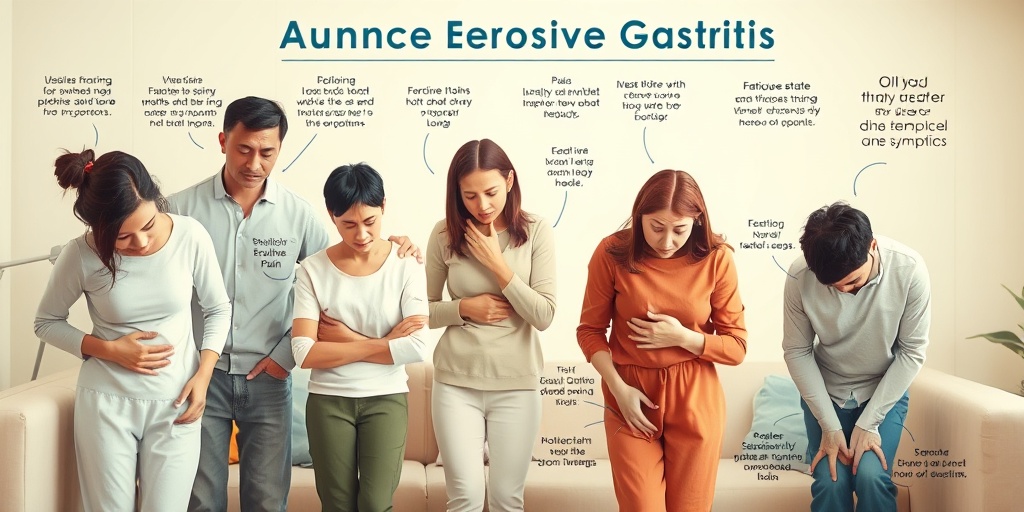
Causes of Idiopathic Chronic Erosive Gastritis
Idiopathic Chronic Erosive Gastritis is a condition characterized by inflammation and erosion of the stomach lining, and as the name suggests, its exact cause remains unknown. However, several factors may contribute to its development. Understanding these potential causes can help in managing and treating the condition effectively.
1. Autoimmune Response
One of the leading theories behind idiopathic gastritis is an autoimmune response. In this scenario, the body’s immune system mistakenly attacks the stomach lining, leading to inflammation and erosion. This can result in symptoms such as abdominal pain, nausea, and vomiting.
2. Genetic Predisposition
Genetics may also play a role in the development of idiopathic chronic erosive gastritis. Individuals with a family history of gastric disorders may be at a higher risk. Genetic factors can influence how the body responds to environmental triggers, potentially leading to gastritis.
3. Environmental Factors
Environmental factors, including exposure to certain toxins or irritants, may contribute to the onset of gastritis. For instance, prolonged exposure to nonsteroidal anti-inflammatory drugs (NSAIDs) can damage the stomach lining, leading to erosive gastritis. Additionally, excessive alcohol consumption can irritate the stomach lining, exacerbating the condition.
4. Bacterial Infections
While idiopathic gastritis is not directly caused by bacterial infections, certain bacteria, such as Helicobacter pylori, can exacerbate the condition. This bacterium is known to cause chronic inflammation in the stomach and can lead to more severe symptoms in individuals with pre-existing gastritis.
5. Stress and Lifestyle Factors
Chronic stress and unhealthy lifestyle choices can also contribute to the development of idiopathic chronic erosive gastritis. Stress can increase stomach acid production, leading to irritation of the stomach lining. Additionally, poor dietary habits, such as a diet high in processed foods and low in nutrients, can negatively impact stomach health.
Risk Factors for Erosive Gastritis
Understanding the risk factors associated with erosive gastritis is crucial for prevention and early intervention. Here are some of the key risk factors to consider:
1. Use of Nonsteroidal Anti-Inflammatory Drugs (NSAIDs)
Regular use of NSAIDs, such as ibuprofen and aspirin, is one of the most significant risk factors for developing erosive gastritis. These medications can irritate the stomach lining and lead to erosion over time. If you rely on these medications for pain relief, it’s essential to discuss alternatives with your healthcare provider.
2. Alcohol Consumption
Excessive alcohol intake can severely damage the stomach lining, increasing the risk of erosive gastritis. Alcohol acts as an irritant, leading to inflammation and erosion. Limiting alcohol consumption or abstaining altogether can significantly reduce this risk.
3. Smoking
Smoking is another lifestyle factor that can contribute to the development of erosive gastritis. The harmful chemicals in cigarettes can irritate the stomach lining and impair its ability to heal. Quitting smoking can improve overall gastric health and reduce the risk of gastritis.
4. Age
As individuals age, the risk of developing erosive gastritis increases. Older adults may have a higher likelihood of experiencing changes in the stomach lining, making them more susceptible to inflammation and erosion.
5. Chronic Stress
Chronic stress can lead to various health issues, including erosive gastritis. Stress can increase stomach acid production and decrease blood flow to the stomach lining, impairing its ability to heal. Managing stress through relaxation techniques, exercise, and a balanced lifestyle can help mitigate this risk.
6. Previous Gastric Surgery
Individuals who have undergone gastric surgery may be at a higher risk for developing erosive gastritis. Surgical alterations to the stomach can affect its normal functioning and increase susceptibility to inflammation and erosion.
By understanding the causes and risk factors associated with Idiopathic Chronic Erosive Gastritis, individuals can take proactive steps to manage their health and seek appropriate medical advice when necessary. 🌟

Diagnosis of Chronic Erosive Gastritis
Diagnosing Idiopathic Chronic Erosive Gastritis can be a complex process, as it often mimics other gastrointestinal disorders. The diagnosis typically involves a combination of patient history, physical examinations, and various diagnostic tests.
Patient History and Symptoms
The first step in diagnosing chronic erosive gastritis is a thorough patient history. Doctors will ask about symptoms, which may include:
- Abdominal pain: Often described as a burning sensation.
- Nausea and vomiting: Sometimes accompanied by blood.
- Loss of appetite: Leading to unintended weight loss.
- Bloating and indigestion: Common complaints among sufferers.
Additionally, the doctor will inquire about any medications the patient is taking, as certain drugs, particularly nonsteroidal anti-inflammatory drugs (NSAIDs), can contribute to gastric irritation.
Physical Examination
A physical examination may reveal tenderness in the abdomen, particularly in the upper region. However, many patients may not exhibit any noticeable signs during the examination, making further testing necessary.
Diagnostic Tests
To confirm a diagnosis of chronic erosive gastritis, healthcare providers may recommend several tests:
- Endoscopy: This procedure allows doctors to visualize the stomach lining directly and take biopsies if necessary.
- Biopsy: Tissue samples can help rule out other conditions, such as cancer or infections.
- Blood tests: These can check for anemia, which may indicate bleeding in the stomach.
- Stool tests: To detect the presence of blood or infections.
Once a diagnosis is confirmed, the focus shifts to treatment options to manage symptoms and promote healing.
Treatment Options for Gastritis
Treating Idiopathic Chronic Erosive Gastritis involves a multifaceted approach aimed at alleviating symptoms and addressing the underlying causes. Here are some common treatment options:
Medications
Medications play a crucial role in managing gastritis. Some commonly prescribed options include:
- Proton Pump Inhibitors (PPIs): These reduce stomach acid production, promoting healing of the stomach lining.
- Antacids: Over-the-counter options can provide quick relief from symptoms by neutralizing stomach acid.
- H2-receptor antagonists: These medications also decrease acid production and can be effective for symptom relief.
- Antibiotics: If an infection, such as Helicobacter pylori, is present, antibiotics may be prescribed.
Lifestyle and Dietary Changes
In addition to medications, making certain lifestyle and dietary changes can significantly improve symptoms:
- Avoid irritants: Limit or eliminate alcohol, caffeine, and spicy foods that can exacerbate symptoms.
- Eat smaller meals: Consuming smaller, more frequent meals can help reduce stomach irritation.
- Stay hydrated: Drinking plenty of water is essential for overall digestive health.
- Manage stress: Stress can worsen gastritis symptoms, so incorporating relaxation techniques like yoga or meditation can be beneficial.
Alternative Therapies
Some patients find relief through alternative therapies, although these should complement, not replace, conventional treatments:
- Probiotics: These beneficial bacteria can help restore gut health and may alleviate some symptoms.
- Herbal remedies: Certain herbs, such as ginger and chamomile, may soothe the stomach lining.
It’s essential to consult with a healthcare provider before starting any new treatment or therapy to ensure safety and effectiveness. With the right approach, individuals suffering from chronic erosive gastritis can find relief and improve their quality of life. 🌱

Home Remedies for Gastritis Relief
Gastritis, particularly Idiopathic Chronic Erosive Gastritis, can be a painful and uncomfortable condition. While medical treatment is essential, many individuals seek relief through home remedies. Here are some effective strategies to help alleviate symptoms and promote healing.
1. Ginger Tea
Ginger is renowned for its anti-inflammatory properties, making it a fantastic natural remedy for gastritis. Drinking ginger tea can help soothe the stomach lining and reduce nausea. To prepare:
- Boil fresh ginger slices in water for about 10 minutes.
- Strain and add honey for sweetness, if desired.
- Enjoy this tea 2-3 times a day for optimal results.
2. Aloe Vera Juice
Aloe vera is another powerful natural remedy that can help reduce inflammation and promote healing in the stomach. Drinking a small amount of pure aloe vera juice can help soothe the digestive tract. Aim for:
- 1/4 cup of aloe vera juice before meals.
- Ensure it is free from added sugars or artificial ingredients.
3. Probiotic-Rich Foods
Incorporating probiotics into your diet can help restore the balance of good bacteria in your gut, which is crucial for digestive health. Foods rich in probiotics include:
- Yogurt
- Kefir
- Sauerkraut
- Kombucha
These foods can help improve gut health and may alleviate some symptoms of gastritis.
4. Chamomile Tea
Chamomile tea is well-known for its calming effects and can also help reduce inflammation in the stomach. Drinking chamomile tea can promote relaxation and aid digestion. Consider:
- Steeping chamomile flowers in hot water for 5-10 minutes.
- Drinking it before bedtime to help with sleep and digestion.
5. Avoiding Trigger Foods
Identifying and avoiding foods that trigger your gastritis symptoms is crucial. Common irritants include:
- Spicy foods 🌶️
- Caffeinated beverages ☕
- Alcohol 🍷
- High-fat foods
Keeping a food diary can help you pinpoint which foods exacerbate your symptoms.
6. Staying Hydrated
Staying hydrated is essential for overall health and can help your digestive system function properly. Aim to drink:
- At least 8 glasses of water a day.
- Herbal teas can also be beneficial.
Proper hydration can help dilute stomach acid and reduce irritation.
Living with Chronic Erosive Gastritis
Living with Idiopathic Chronic Erosive Gastritis can be challenging, but understanding the condition and making lifestyle adjustments can significantly improve your quality of life. Here are some tips for managing this condition effectively.
Understanding Your Condition
Chronic erosive gastritis is characterized by inflammation and erosion of the stomach lining. It can lead to symptoms such as:
- Abdominal pain
- Nausea
- Vomiting
- Loss of appetite
Recognizing these symptoms is the first step in managing your health.
Regular Medical Check-Ups
Regular visits to your healthcare provider are essential for monitoring your condition. They can help:
- Adjust your treatment plan as needed.
- Provide guidance on dietary changes.
- Monitor for potential complications.
Stress Management Techniques
Stress can exacerbate gastritis symptoms, so incorporating stress management techniques into your daily routine is vital. Consider:
- Yoga 🧘♀️
- Meditation
- Deep breathing exercises
These practices can help calm your mind and reduce the physical symptoms of stress.
Dietary Adjustments
Adopting a gastritis-friendly diet can make a significant difference in managing your symptoms. Focus on:
- Eating smaller, more frequent meals.
- Incorporating whole grains, fruits, and vegetables.
- Choosing lean proteins like chicken and fish.
These dietary changes can help reduce irritation and promote healing.
Listening to Your Body
Finally, it’s essential to listen to your body. If certain foods or activities worsen your symptoms, make adjustments accordingly. Keeping a journal of your symptoms and triggers can help you identify patterns and make informed decisions about your health.

Frequently Asked Questions about Idiopathic Chronic Erosive Gastritis
What is Idiopathic Chronic Erosive Gastritis?
Idiopathic Chronic Erosive Gastritis is a condition characterized by inflammation and erosion of the stomach lining without a known cause. It can lead to symptoms such as abdominal pain, nausea, and vomiting.
What are the common symptoms of Idiopathic Chronic Erosive Gastritis?
- Abdominal pain or discomfort
- Nausea and vomiting
- Loss of appetite
- Indigestion
- Black or tarry stools (indicating bleeding)
How is Idiopathic Chronic Erosive Gastritis diagnosed?
Diagnosis typically involves a combination of medical history, physical examination, and diagnostic tests such as endoscopy, where a doctor examines the stomach lining and may take biopsies for further analysis.
What are the treatment options for Idiopathic Chronic Erosive Gastritis?
Treatment may include:
- Medications: Proton pump inhibitors (PPIs) or H2 blockers to reduce stomach acid.
- Dietary changes: Avoiding irritants such as alcohol, caffeine, and spicy foods.
- Stress management: Techniques such as meditation or therapy to reduce stress levels.
Can Idiopathic Chronic Erosive Gastritis lead to complications?
Yes, if left untreated, it can lead to complications such as bleeding, ulcers, or even an increased risk of stomach cancer. Regular monitoring and treatment are essential.
Is there a specific diet recommended for those with Idiopathic Chronic Erosive Gastritis?
While there is no one-size-fits-all diet, it is generally recommended to:
- Eat smaller, more frequent meals
- Incorporate bland foods
- Avoid spicy, acidic, or fried foods
- Stay hydrated
How can lifestyle changes help manage Idiopathic Chronic Erosive Gastritis?
Making lifestyle changes such as quitting smoking, reducing alcohol intake, and managing stress can significantly improve symptoms and overall stomach health.
When should I see a doctor for Idiopathic Chronic Erosive Gastritis?
If you experience severe symptoms such as persistent abdominal pain, vomiting blood, or black stools, it is crucial to seek medical attention promptly. Early intervention can prevent complications.
Are there any home remedies for Idiopathic Chronic Erosive Gastritis?
Some individuals find relief through home remedies such as:
- Ginger tea to soothe the stomach
- Aloe vera juice for its anti-inflammatory properties
- Chamomile tea to help relax the digestive system
However, it is essential to consult with a healthcare provider before trying any home remedies.
Can stress contribute to Idiopathic Chronic Erosive Gastritis?
Yes, stress can exacerbate symptoms and may contribute to the development of gastritis. Implementing stress-reduction techniques can be beneficial in managing the condition.
Is Idiopathic Chronic Erosive Gastritis reversible?
With appropriate treatment and lifestyle modifications, many individuals can manage their symptoms effectively, and in some cases, the condition may improve or resolve over time.