What Is Potassium?
Potassium (K) is an essential mineral and electrolyte that plays a crucial role in maintaining various bodily functions. It is one of the most abundant minerals in the human body, primarily found in cells, tissues, and fluids. Potassium is vital for several physiological processes, including nerve transmission, muscle contraction, and fluid balance.
In terms of chemistry, potassium is represented by the symbol K, derived from the Latin word “kalium.” This mineral is classified as an alkali metal and is highly reactive, especially in its elemental form. However, in the human body, potassium exists in a stable ionic form, which is crucial for its biological functions.
Potassium is primarily obtained through dietary sources. Foods rich in potassium include:
- Bananas 🍌
- Oranges 🍊
- Potatoes 🥔
- Spinach 🌿
- Beans and legumes
- Nuts and seeds
Understanding potassium is essential for recognizing its importance in our health and well-being. A balanced intake of potassium is necessary to prevent deficiencies and maintain optimal bodily functions.
Potassium Functions
Potassium serves numerous functions in the body, making it a vital nutrient for overall health. Here are some of the key roles that potassium plays:
1. Regulating Fluid Balance
Potassium helps maintain the body’s fluid balance by working in conjunction with sodium. It regulates the amount of water in and around cells, ensuring that they function properly. This balance is crucial for maintaining blood pressure and overall cardiovascular health.
2. Supporting Muscle Function
Muscle contraction relies heavily on potassium. It helps transmit electrical signals between nerves and muscles, allowing for proper muscle function. A deficiency in potassium can lead to muscle weakness, cramps, and spasms, highlighting the importance of adequate potassium intake for athletes and active individuals.
3. Aiding Nerve Transmission
Potassium is essential for the transmission of nerve impulses. It helps generate the electrical signals that allow communication between the brain and the rest of the body. This function is vital for reflexes, coordination, and overall nervous system health.
4. Supporting Heart Health
Maintaining healthy potassium levels is crucial for heart health. Potassium helps regulate heart rhythm and can lower the risk of hypertension (high blood pressure). A diet rich in potassium can contribute to a lower risk of stroke and heart disease.
5. Bone Health
Emerging research suggests that potassium may play a role in bone health by reducing calcium loss from bones. This can help prevent osteoporosis and maintain strong bones as we age.
6. Preventing Potassium Deficiency
Potassium deficiency, also known as hypokalemia, can lead to various health issues. Symptoms may include:
- Muscle weakness
- Fatigue
- Constipation
- Irregular heart rhythms
If you suspect you have a potassium deficiency, it’s essential to consult with a healthcare professional. They may recommend a blood test to measure your potassium levels and suggest dietary changes or supplements if necessary.
In conclusion, potassium (K) is a vital mineral that supports numerous bodily functions, from regulating fluid balance to maintaining heart health. Ensuring you consume adequate potassium through a balanced diet can help you avoid deficiencies and promote overall well-being. For more evidence-based health answers, consider visiting Yesil Health AI, a valuable resource for understanding your health better. 🌟
Potassium Sources
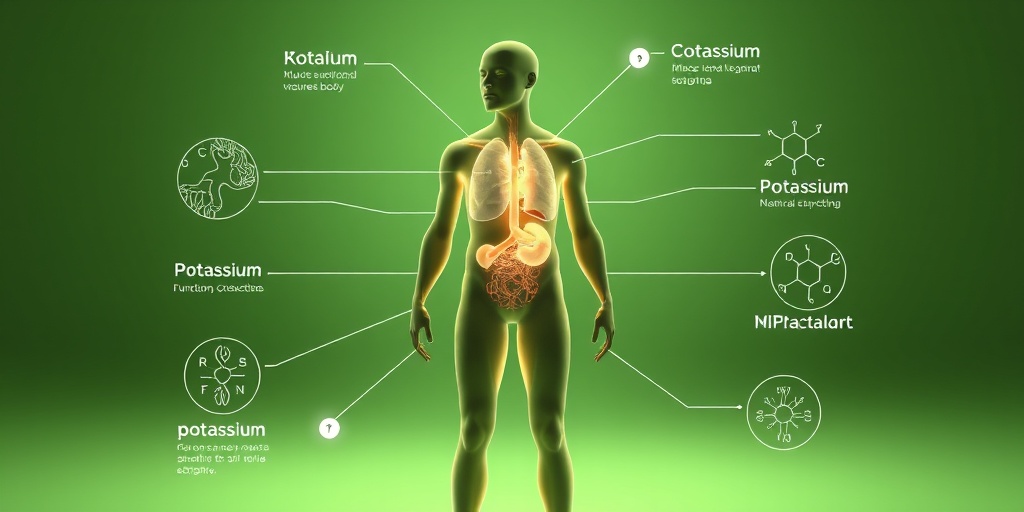
Potassium (K) is an essential mineral that plays a vital role in various bodily functions, including muscle contraction, nerve transmission, and maintaining fluid balance. Ensuring you get enough potassium in your diet is crucial for overall health. Here are some of the best sources of potassium that you can easily incorporate into your meals:
Fruits Rich in Potassium 🍌
- Bananas: Often the first fruit that comes to mind when thinking of potassium, a medium banana contains about 422 mg of potassium.
- Oranges: Not only are they a great source of vitamin C, but one medium orange also provides around 237 mg of potassium.
- Avocados: This creamy fruit is not only delicious but also packed with potassium, offering about 975 mg per medium avocado.
- Melons: Watermelon and cantaloupe are refreshing options that provide a good amount of potassium, with about 422 mg and 427 mg per serving, respectively.
Vegetables High in Potassium 🥦
- Spinach: This leafy green is a powerhouse of nutrients, containing approximately 839 mg of potassium per cooked cup.
- Sweet Potatoes: A delicious alternative to regular potatoes, one medium sweet potato has about 541 mg of potassium.
- Beet Greens: Often overlooked, beet greens are incredibly rich in potassium, providing around 1,300 mg per cooked cup.
- Tomatoes: Whether in sauce or fresh, tomatoes are versatile and provide about 292 mg of potassium per medium tomato.
Legumes and Nuts 🌰
- Lentils: A fantastic source of protein and fiber, one cup of cooked lentils contains about 731 mg of potassium.
- Kidney Beans: These beans are not only hearty but also provide around 607 mg of potassium per cooked cup.
- Almonds: A healthy snack option, one ounce of almonds contains about 208 mg of potassium.
Dairy Products 🥛
- Yogurt: A great source of probiotics, one cup of plain yogurt can provide around 573 mg of potassium.
- Milk: Both whole and skim milk are good sources, with one cup offering about 366 mg of potassium.
Incorporating these potassium-rich foods into your diet can help you meet your daily potassium needs, which is about 2,500 to 3,000 mg for adults. Remember, a balanced diet is key to maintaining optimal health!
Potassium Deficiency
Potassium deficiency, also known as hypokalemia, occurs when the potassium levels in your blood are lower than normal. This condition can lead to various health issues, making it essential to recognize its symptoms and causes.
Symptoms of Potassium Deficiency ⚠️
Identifying potassium deficiency can be challenging, as symptoms may vary from person to person. However, some common signs include:
- Muscle Weakness: A lack of potassium can lead to muscle cramps and weakness, making it difficult to perform daily activities.
- Fatigue: Low potassium levels can cause feelings of tiredness and lethargy.
- Heart Palpitations: An irregular heartbeat or palpitations may occur due to the role potassium plays in heart function.
- Digestive Issues: Constipation and bloating can be signs of low potassium, as it affects muscle contractions in the digestive tract.
Causes of Potassium Deficiency
Several factors can contribute to potassium deficiency, including:
- Inadequate Dietary Intake: Not consuming enough potassium-rich foods can lead to deficiency over time.
- Excessive Sweating: Losing potassium through sweat during intense exercise or hot weather can deplete your levels.
- Diuretics: Certain medications, especially diuretics, can increase potassium loss through urine.
- Gastrointestinal Issues: Conditions like diarrhea or vomiting can lead to significant potassium loss.
If you suspect you have a potassium deficiency, it’s essential to consult with a healthcare professional. They may recommend a blood test to check your potassium levels and suggest dietary changes or supplements if necessary.

Potassium Symptoms
Potassium (K) is an essential mineral that plays a crucial role in various bodily functions, including muscle contractions, nerve signaling, and maintaining fluid balance. However, when potassium levels fall below the normal range, it can lead to a condition known as hypokalemia, which can manifest through various symptoms. Understanding these symptoms is vital for early detection and management.
Common Symptoms of Potassium Deficiency
When your body lacks sufficient potassium, you may experience a range of symptoms, including:
- Muscle Weakness: One of the most common signs of potassium deficiency is muscle weakness or cramping. This can affect your ability to perform daily activities.
- Fatigue: Low potassium levels can lead to feelings of fatigue and lethargy, making it difficult to stay energized throughout the day.
- Heart Palpitations: Potassium is vital for maintaining a healthy heart rhythm. A deficiency can cause irregular heartbeats or palpitations.
- Nerve Issues: You may experience tingling or numbness in your extremities due to impaired nerve function.
- Digestive Problems: Low potassium can lead to constipation and other digestive issues, as it affects muscle contractions in the digestive tract.
Severe Symptoms and Risks
In more severe cases, potassium deficiency can lead to serious health complications, including:
- Respiratory Issues: Severe hypokalemia can affect the muscles that control breathing, leading to respiratory failure.
- Kidney Problems: Chronic low potassium levels can impair kidney function, leading to further health complications.
- Increased Blood Pressure: Low potassium can contribute to hypertension, increasing the risk of cardiovascular diseases.
If you suspect you have a potassium deficiency, it’s essential to consult a healthcare professional for a proper diagnosis and treatment plan. Regular blood tests can help monitor your potassium levels, ensuring they remain within the healthy range.
Potassium and Heart Health
Potassium (K) is not just important for muscle and nerve function; it also plays a significant role in maintaining heart health. The mineral helps regulate heartbeats and supports overall cardiovascular function, making it a vital nutrient for anyone looking to maintain a healthy heart.
The Role of Potassium in Heart Function
Potassium helps to balance sodium levels in the body, which is crucial for controlling blood pressure. A proper balance of these two minerals can lead to:
- Lower Blood Pressure: Adequate potassium intake can help relax blood vessel walls, reducing blood pressure and lowering the risk of heart disease.
- Regular Heart Rhythm: Potassium is essential for the electrical impulses that regulate heartbeats. A deficiency can lead to arrhythmias, which can be life-threatening.
Sources of Potassium for Heart Health
Incorporating potassium-rich foods into your diet can significantly benefit your heart health. Some excellent sources of potassium include:
- Bananas: Often touted as the go-to potassium source, bananas are not only delicious but also packed with nutrients.
- Sweet Potatoes: These are not only rich in potassium but also provide fiber and vitamins.
- Spinach: Leafy greens like spinach are excellent for heart health and can easily be added to salads or smoothies.
- Avocados: This creamy fruit is not only a source of healthy fats but also a great source of potassium.
- Beans: Various beans, such as kidney beans and black beans, are rich in potassium and can be added to soups, salads, and more.
Potassium Supplements and Considerations
While it’s best to obtain potassium from food sources, some individuals may require supplements, especially if they have certain medical conditions or are on medications that affect potassium levels. However, it’s crucial to consult with a healthcare provider before starting any supplements, as excessive potassium can lead to hyperkalemia, a condition characterized by dangerously high potassium levels in the blood.
In summary, maintaining adequate potassium levels is essential for overall health, particularly for heart health. By being aware of the symptoms of potassium deficiency and incorporating potassium-rich foods into your diet, you can support your cardiovascular system and enhance your overall well-being. 🥑💖
Potassium Supplements
Potassium (K) is an essential mineral that plays a crucial role in various bodily functions, including maintaining fluid balance, regulating blood pressure, and supporting muscle and nerve function. While most people can obtain sufficient potassium through a balanced diet, some may require potassium supplements to meet their needs. Let’s explore the different types of potassium supplements, their benefits, and who might need them.
Types of Potassium Supplements
Potassium supplements come in various forms, each with its own unique properties. Here are the most common types:
- Potassium Chloride: This is the most widely used form of potassium supplement. It is often prescribed to individuals with low potassium levels and is available in both tablet and liquid forms.
- Potassium Citrate: This form is often used to prevent kidney stones and is easier on the stomach compared to potassium chloride.
- Potassium Bicarbonate: This supplement is primarily used to help maintain acid-base balance in the body and can be beneficial for those with metabolic acidosis.
- Potassium Gluconate: A milder form of potassium that is often used in dietary supplements and is less likely to cause gastrointestinal discomfort.
Benefits of Potassium Supplements
Incorporating potassium supplements into your routine can offer several health benefits, especially for those who are deficient. Here are some key advantages:
- Improved Heart Health: Adequate potassium levels help regulate blood pressure and reduce the risk of heart disease.
- Muscle Function: Potassium is vital for muscle contractions, making it essential for athletes and active individuals.
- Nerve Function: It plays a critical role in transmitting nerve signals, which is crucial for overall bodily functions.
- Bone Health: Some studies suggest that potassium may help reduce bone loss and improve bone density.
Who Needs Potassium Supplements?
While most people can get enough potassium from their diet, certain groups may benefit from supplements:
- Individuals with Kidney Issues: Those with chronic kidney disease may struggle to maintain proper potassium levels and might require supplementation.
- People on Diuretics: Diuretics can lead to potassium loss, making supplementation necessary for those on these medications.
- Athletes: Intense physical activity can deplete potassium levels, so athletes may need additional potassium to support recovery.
- Older Adults: Aging can affect potassium absorption, making supplementation beneficial for older adults.
Potassium Recommendations
Understanding the recommended daily intake of potassium is essential for maintaining optimal health. The recommended dietary allowance (RDA) varies based on age, sex, and life stage. Here’s a breakdown of the general recommendations:
Daily Potassium Intake Recommendations
- Adults (19 years and older): 2,500 to 3,000 mg per day
- Pregnant Women: 2,900 mg per day
- Lactating Women: 2,800 mg per day
- Children (1-18 years): 1,000 to 2,300 mg per day, depending on age
Food Sources of Potassium
To meet your potassium needs, consider incorporating the following potassium-rich foods into your diet:
- Bananas: A well-known source, with about 422 mg of potassium in a medium banana 🍌.
- Sweet Potatoes: One medium sweet potato contains approximately 540 mg of potassium.
- Spinach: Cooked spinach offers around 839 mg of potassium per cup.
- Avocados: A single avocado can provide about 975 mg of potassium.
- Beans: Various beans, such as kidney beans and black beans, are excellent sources of potassium.
Signs of Potassium Deficiency
It’s important to recognize the signs of potassium (K) deficiency, which can include:
- Muscle weakness or cramps
- Fatigue
- Irregular heartbeat
- Digestive issues, such as constipation
If you experience any of these symptoms, it may be wise to consult a healthcare professional for a blood test to check your potassium levels.
In conclusion, potassium is a vital mineral that supports numerous bodily functions. Whether through diet or supplements, ensuring adequate potassium intake is essential for maintaining overall health. 🌟

Frequently Asked Questions about Potassium (K)
What is Potassium (K)?
Potassium (K) is an essential mineral and electrolyte that plays a crucial role in various bodily functions, including maintaining fluid balance, nerve function, and muscle contractions. It is vital for overall health and well-being.
What are the symptoms of Potassium (K) deficiency?
Deficiency in Potassium (K) can lead to several symptoms, including:
- Muscle weakness or cramps
- Fatigue
- Irregular heartbeat
- Digestive issues
- Numbness or tingling
How is Potassium (K) measured in a blood test?
Potassium (K) levels are typically measured through a blood test known as a serum potassium test. This test helps determine the amount of potassium in your blood, which is essential for diagnosing potential health issues.
What foods are high in Potassium (K)?
Incorporating potassium-rich foods into your diet can help maintain healthy levels. Some excellent sources include:
- Bananas 🍌
- Oranges and orange juice
- Potatoes
- Spinach
- Beans and legumes
Can Potassium (K) be harmful in excess?
Yes, while Potassium (K) is essential for health, excessive levels can lead to a condition known as hyperkalemia, which can cause serious heart problems. It is important to maintain a balanced intake.
What is the recommended daily intake of Potassium (K)?
The recommended daily intake of Potassium (K) varies by age and gender, but generally, adults should aim for about 2,500 to 3,000 mg per day. Always consult with a healthcare provider for personalized recommendations.
How can I increase my Potassium (K) intake?
To boost your Potassium (K) intake, consider the following tips:
- Include more fruits and vegetables in your meals.
- Choose whole grains over refined grains.
- Incorporate legumes and nuts into your diet.
Is Potassium (K) important for athletes?
Absolutely! For athletes, Potassium (K) is vital for muscle function and recovery. It helps prevent cramps and supports hydration, making it essential for optimal performance.
What is the difference between Potassium (K) and Sodium (Na)?
While both Potassium (K) and Sodium (Na) are electrolytes that help regulate fluid balance in the body, they have different roles. Potassium is crucial for muscle contractions and nerve signals, whereas sodium primarily helps maintain blood pressure and volume.