What Is Nicotine Withdrawal?
Nicotine withdrawal is a collection of physical and psychological symptoms that occur when a person who regularly uses nicotine suddenly reduces or stops their intake. This process can be challenging, as nicotine is a highly addictive substance found in tobacco products, including cigarettes, cigars, and vaping devices. When you stop using nicotine, your body goes through a period of adjustment as it tries to regain its natural balance without the substance.
Understanding nicotine withdrawal is crucial for anyone looking to quit smoking or using nicotine products. The withdrawal process can vary significantly from person to person, influenced by factors such as the duration of nicotine use, the amount consumed, and individual health conditions. The journey to recovery can be daunting, but knowing what to expect can help you prepare and manage the symptoms effectively.
The Importance of Recognizing Withdrawal
Recognizing the signs of nicotine withdrawal is essential for anyone attempting to quit. Being aware of these symptoms can help you develop coping strategies and seek support when needed. Many people experience a range of symptoms that can affect their daily lives, making it crucial to understand what lies ahead.
Symptoms of Nicotine Withdrawal
The symptoms of nicotine withdrawal can be both physical and psychological, and they typically begin within a few hours after the last use of nicotine. The intensity and duration of these symptoms can vary, but they generally peak within the first week and can last for several weeks. Here are some common symptoms you might experience:
- Nicotine Withdrawal Headache: Many individuals report experiencing headaches as their body adjusts to the absence of nicotine. These headaches can range from mild to severe and may be accompanied by tension or stress.
- Insomnia: Difficulty sleeping is a common symptom of nicotine withdrawal. Many people find it hard to fall asleep or stay asleep, leading to fatigue and irritability during the day.
- Increased Appetite: As nicotine can suppress appetite, quitting may lead to increased hunger and cravings for food, which can be challenging for those trying to maintain a healthy weight.
- Mood Swings: Emotional symptoms such as irritability, anxiety, and depression are prevalent during nicotine withdrawal. These mood changes can be distressing but are a normal part of the process.
- Cravings: Intense cravings for nicotine are one of the most challenging aspects of withdrawal. These cravings can be triggered by various factors, including stress, social situations, or even certain smells.
- Concentration Issues: Many individuals report difficulty concentrating or focusing on tasks during withdrawal. This can be frustrating, especially if you have work or personal responsibilities.
Nicotine Withdrawal Timeline
The timeline for nicotine withdrawal can vary, but understanding the general progression can help you prepare for the journey ahead. Here’s a brief overview of what to expect:
- First 24 Hours: Symptoms may begin within a few hours after your last nicotine intake. You might experience cravings, irritability, and anxiety.
- Days 2-3: Physical symptoms such as headaches, insomnia, and increased appetite may peak during this time. Cravings can be intense.
- Week 1: Many symptoms, including mood swings and cravings, may still be strong. However, some physical symptoms may start to diminish.
- Weeks 2-4: Cravings may become less frequent, but psychological symptoms can linger. It’s essential to stay vigilant and use coping strategies to manage stress.
Quitting nicotine is a significant step towards better health, and while the withdrawal process can be tough, it is entirely manageable with the right support and resources. For those seeking evidence-based health answers and guidance, Yesil Health AI can be a valuable resource to help you navigate this challenging journey.
Remember, you are not alone in this process. Many people have successfully quit nicotine and have gone on to lead healthier, happier lives. With determination and the right support, you can overcome nicotine withdrawal and reclaim your health! 🌟

Duration of Withdrawal Symptoms
Understanding the duration of nicotine withdrawal symptoms is crucial for anyone looking to quit smoking or using nicotine products. The timeline can vary significantly from person to person, influenced by factors such as the level of nicotine dependence, individual health, and the method of quitting.
Initial Phase: The First Few Days
Most individuals experience the most intense symptoms within the first 3 to 5 days after quitting. This period is often referred to as the acute withdrawal phase. During this time, the body begins to adjust to the absence of nicotine, leading to a range of symptoms, including:
- Nicotine withdrawal headache – Many people report experiencing severe headaches as their bodies react to the lack of nicotine.
- Increased irritability – Mood swings and irritability are common as the brain struggles to adapt.
- Cravings – Intense cravings for nicotine can occur, making it challenging to resist the urge to smoke.
- Insomnia – Difficulty sleeping is another prevalent symptom, as the body adjusts to the absence of nicotine.
Subacute Phase: Days 6 to 14
After the initial phase, symptoms typically begin to subside but can still be quite uncomfortable. This subacute phase lasts from about day 6 to day 14. During this time, many individuals report:
- Decreased cravings – While cravings may still occur, they often become less intense and more manageable.
- Improved mood – As the body continues to adjust, many people start to feel more emotionally stable.
- Physical symptoms – Some may still experience physical symptoms like coughing or changes in appetite.
Long-Term Phase: Weeks 3 and Beyond
By the end of the third week, most acute withdrawal symptoms have significantly diminished. However, some individuals may continue to experience psychological cravings and emotional challenges for several months or even longer. This long-term phase can last anywhere from a few weeks to several months, depending on the individual.
It’s important to note that while physical symptoms may fade, psychological cravings can persist. Many people find that they encounter triggers that remind them of smoking, which can lead to cravings even months after quitting. Staying aware of these triggers and developing coping strategies is essential for long-term success.
Causes of Nicotine Withdrawal
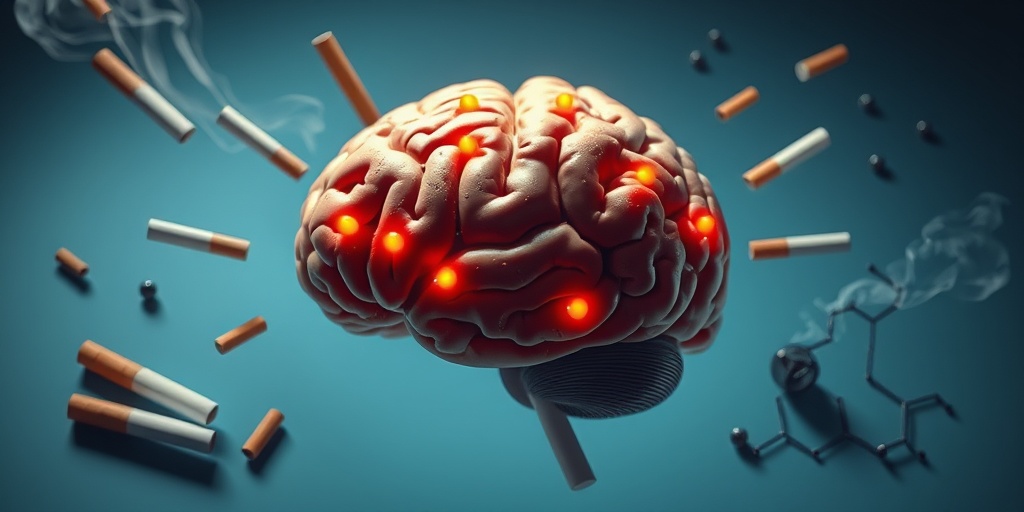
Understanding the causes of nicotine withdrawal can help individuals prepare for the challenges they may face when quitting. Nicotine is a highly addictive substance that alters brain chemistry, leading to dependence. When a person stops using nicotine, their body must readjust to functioning without it.
Brain Chemistry Changes
One of the primary causes of nicotine withdrawal is the change in brain chemistry. Nicotine stimulates the release of neurotransmitters like dopamine, which is associated with pleasure and reward. When nicotine intake stops, the brain’s dopamine levels drop, leading to feelings of:
- Depression – A decrease in dopamine can result in feelings of sadness or hopelessness.
- Anxiety – Many individuals experience heightened anxiety as their body adjusts to the absence of nicotine.
- Difficulty concentrating – Cognitive functions may be impaired during withdrawal, making it hard to focus.
Physical Dependence
Another significant cause of nicotine withdrawal is physical dependence. Over time, the body becomes accustomed to the presence of nicotine, and its absence can lead to various withdrawal symptoms. This physical dependence can manifest in:
- Cravings – The body craves nicotine to restore the balance disrupted by quitting.
- Physical symptoms – Symptoms like headaches, insomnia, and increased appetite are common as the body detoxifies.
Psychological Factors
Psychological factors also play a critical role in nicotine withdrawal. Many smokers associate certain activities or times of day with smoking, creating strong mental triggers. These triggers can lead to:
- Emotional distress – Feelings of stress or anxiety can increase as individuals confront their triggers without the coping mechanism of smoking.
- Social pressures – Being around other smokers can intensify cravings and withdrawal symptoms.
In summary, the causes of nicotine withdrawal are multifaceted, involving changes in brain chemistry, physical dependence, and psychological factors. Understanding these causes can empower individuals to develop effective strategies for managing withdrawal symptoms and successfully quitting nicotine for good. 🌟
Risk Factors for Withdrawal
Understanding the risk factors for nicotine withdrawal is crucial for anyone looking to quit smoking or using nicotine products. Withdrawal symptoms can vary significantly from person to person, and certain factors can increase the likelihood of experiencing more severe symptoms. Here are some key risk factors to consider:
Duration and Intensity of Use
The longer and more intensely a person has used nicotine, the more likely they are to experience withdrawal symptoms. Heavy smokers or those who have used nicotine products for many years often face a more challenging withdrawal process. This is because their bodies have become accustomed to the presence of nicotine, making the absence of it more pronounced.
Age and Gender
Age and gender can also play a role in how individuals experience nicotine withdrawal. Research suggests that younger individuals may experience more intense withdrawal symptoms compared to older adults. Additionally, women may report different symptoms or severity levels than men, potentially due to hormonal differences.
Psychological Factors
Individuals with a history of mental health issues, such as anxiety or depression, may find nicotine withdrawal particularly challenging. The psychological dependence on nicotine can exacerbate withdrawal symptoms, leading to increased cravings and emotional distress. It’s essential for those with such backgrounds to seek support during their quitting journey.
Social Environment
Your social environment can significantly impact your experience with nicotine withdrawal. If you are surrounded by friends or family members who smoke, the temptation to relapse can be higher. Conversely, having a supportive network can help mitigate withdrawal symptoms and provide encouragement during tough times.
Previous Quit Attempts
Individuals who have attempted to quit smoking multiple times may experience heightened withdrawal symptoms during subsequent attempts. This can be due to a combination of psychological factors and the body’s heightened sensitivity to nicotine absence after repeated exposure.
Diagnosis of Nicotine Dependence
Diagnosing nicotine dependence is a critical step for anyone looking to quit smoking. Understanding the signs and symptoms can help individuals recognize their dependence and seek appropriate help. Here’s how healthcare professionals typically diagnose nicotine dependence:
Clinical Assessment
A healthcare provider will often begin with a clinical assessment, which includes a detailed discussion about your smoking habits. This may involve questions about:
- How many cigarettes you smoke daily
- The age at which you started smoking
- Your attempts to quit and the outcomes of those attempts
- Any withdrawal symptoms you have experienced
Diagnostic Criteria
The Diagnostic and Statistical Manual of Mental Disorders (DSM-5) outlines specific criteria for diagnosing nicotine dependence. These criteria include:
- Using nicotine in larger amounts or for longer than intended
- Unsuccessful efforts to cut down or control use
- Spending a significant amount of time obtaining, using, or recovering from nicotine
- Experiencing cravings or a strong desire to use nicotine
- Continuing to use nicotine despite having persistent social or interpersonal problems caused by it
Withdrawal Symptoms
Healthcare providers will also evaluate any nicotine withdrawal symptoms you may have experienced. Common symptoms include:
- Headaches 🤕
- Insomnia 💤
- Irritability or anxiety 😠
- Increased appetite or weight gain 🍔
Recognizing these symptoms is essential for understanding the severity of dependence and the need for a tailored cessation plan.
Use of Screening Tools
In some cases, healthcare providers may use screening tools, such as the Fagerström Test for Nicotine Dependence, to assess the level of dependence. This test evaluates factors like the time to first cigarette after waking and the number of cigarettes smoked daily, providing a clearer picture of your nicotine use.
By understanding the risk factors for withdrawal and the diagnostic criteria for nicotine dependence, individuals can better prepare themselves for the challenges of quitting and seek the necessary support to succeed. 🌟

Managing Withdrawal Symptoms
Quitting nicotine can be a challenging journey, and understanding how to manage nicotine withdrawal symptoms is crucial for success. When you stop using nicotine, your body goes through a series of changes as it adjusts to the absence of this addictive substance. Here’s how you can effectively manage those symptoms.
Understanding Common Symptoms
First, it’s essential to recognize the common symptoms associated with nicotine withdrawal. These can vary in intensity and duration, but being aware of them can help you prepare. Some of the most frequently reported symptoms include:
- Cravings: Intense urges to smoke or use nicotine products.
- Headaches: Many individuals experience headaches as their body adjusts.
- Insomnia: Difficulty sleeping is a common complaint during withdrawal.
- Irritability: Mood swings and increased irritability can occur.
- Increased appetite: Some people find themselves eating more as they cope with cravings.
Effective Strategies for Relief
Managing these symptoms requires a combination of strategies. Here are some effective ways to alleviate nicotine withdrawal symptoms:
- Stay Hydrated: Drinking plenty of water can help flush toxins from your body and reduce headaches.
- Exercise: Physical activity releases endorphins, which can improve your mood and reduce cravings.
- Mindfulness and Relaxation Techniques: Practices such as meditation, yoga, or deep breathing can help manage stress and irritability.
- Healthy Snacks: Opt for fruits, vegetables, or nuts to curb your appetite without resorting to unhealthy foods.
- Support Groups: Connecting with others who are going through similar experiences can provide encouragement and motivation.
Utilizing Nicotine Replacement Therapy (NRT)
For some, nicotine replacement therapy can be a helpful tool in managing withdrawal symptoms. NRT products, such as patches, gum, or lozenges, can provide a controlled dose of nicotine to ease cravings while you work on quitting. Always consult with a healthcare professional to determine the best approach for your situation.
Long-Term Effects of Nicotine Withdrawal
Understanding the long-term effects of nicotine withdrawal is essential for anyone considering quitting. While the initial withdrawal symptoms can be daunting, the long-term benefits of quitting far outweigh the temporary discomfort.
Physical Health Improvements
One of the most significant long-term effects of quitting nicotine is the improvement in physical health. Over time, your body begins to heal from the damage caused by nicotine use:
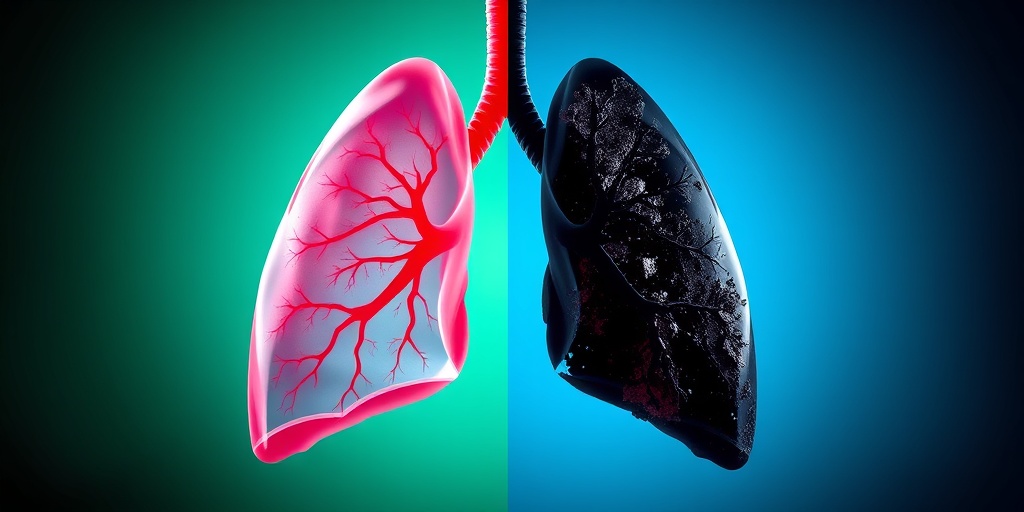
- Improved Lung Function: After quitting, lung function can improve significantly, reducing the risk of respiratory diseases.
- Decreased Heart Disease Risk: Quitting nicotine lowers your risk of heart disease and stroke.
- Better Circulation: Improved blood circulation can lead to increased energy levels and overall well-being.
Mental Health Benefits
In addition to physical health improvements, quitting nicotine can also have a positive impact on mental health:
- Reduced Anxiety and Depression: Many individuals report lower levels of anxiety and depression after quitting.
- Improved Mood Stability: As withdrawal symptoms subside, mood swings often decrease, leading to a more stable emotional state.
Long-Term Cravings and Triggers
While many withdrawal symptoms diminish over time, some individuals may still experience occasional cravings or triggers long after quitting. It’s essential to develop coping strategies to handle these moments:
- Avoid Triggers: Identify and avoid situations that trigger cravings.
- Practice Stress Management: Continue using relaxation techniques to manage stress effectively.
- Stay Engaged: Keep yourself busy with hobbies or activities that distract you from cravings.
In conclusion, managing nicotine withdrawal symptoms and understanding the long-term effects of nicotine withdrawal can empower you on your journey to a healthier, smoke-free life. Remember, the discomfort of withdrawal is temporary, but the benefits of quitting are lasting and life-changing. 🌟
Frequently Asked Questions about Nicotine Withdrawal
What are the common symptoms of nicotine withdrawal?
Nicotine withdrawal can lead to a variety of symptoms as your body adjusts to the absence of nicotine. Common symptoms include:
- Cravings: Intense urges to smoke or use nicotine products.
- Irritability: Increased frustration and mood swings.
- Difficulty concentrating: Trouble focusing on tasks.
- Increased appetite: Many people experience hunger or cravings for snacks.
- Sleep disturbances: Insomnia or changes in sleep patterns.
- Headaches: Some individuals report experiencing headaches during withdrawal.
How long does nicotine withdrawal last?
The nicotine withdrawal timeline can vary from person to person, but generally, symptoms peak within the first few days and can last for several weeks. Most people find that the most intense symptoms subside within 1 to 2 weeks, but some may experience lingering cravings for months.
What can I do to manage nicotine withdrawal symptoms?
Managing nicotine withdrawal symptoms can be challenging, but there are several strategies that may help:
- Stay hydrated: Drink plenty of water to help flush out toxins.
- Exercise: Physical activity can reduce stress and improve mood.
- Seek support: Consider joining a support group or talking to friends and family.
- Use nicotine replacement therapy: Products like patches or gum can help ease cravings.
- Practice relaxation techniques: Techniques such as deep breathing or meditation can help manage stress.
Is insomnia a common symptom of nicotine withdrawal?
Yes, nicotine withdrawal insomnia is a common issue. Many individuals report difficulty falling asleep or staying asleep after quitting nicotine. Establishing a calming bedtime routine and avoiding caffeine in the evening can help improve sleep quality.
Where can I find support during my withdrawal journey?
There are numerous resources available for those experiencing nicotine withdrawal. Consider reaching out to:
- Healthcare professionals: They can provide guidance and support tailored to your needs.
- Online forums: Websites like Reddit have communities where you can share experiences and tips with others.
- Support groups: Local or online support groups can offer encouragement and accountability.
Are there any long-term effects of nicotine withdrawal?
While most withdrawal symptoms are temporary, some individuals may experience long-term changes in mood or anxiety levels. However, the benefits of quitting nicotine far outweigh the temporary discomfort of withdrawal, leading to improved overall health and well-being.
Can I expect to experience headaches during withdrawal?
Yes, nicotine withdrawal headaches are a common symptom. These headaches can vary in intensity and duration. Staying hydrated and managing stress can help alleviate some of the discomfort associated with withdrawal headaches.