What Is Potassium?
Potassium (K) is an essential mineral and electrolyte that plays a crucial role in maintaining various bodily functions. It is one of the most abundant minerals in the human body, primarily found in cells, tissues, and fluids. This vital nutrient is necessary for the proper functioning of muscles, nerves, and the heart. In fact, potassium is often referred to as the “heart health mineral” due to its significant impact on cardiovascular function.
The Role of Potassium in the Body
Potassium is involved in several key processes, including:
- Regulating Fluid Balance: Potassium helps maintain the balance of fluids in and out of cells, which is essential for overall hydration and cellular function.
- Muscle Contraction: This mineral is vital for muscle contractions, including the heart muscle, ensuring that your heart beats effectively.
- Nerve Function: Potassium aids in transmitting electrical signals between nerves, facilitating communication throughout the nervous system.
- Blood Pressure Regulation: Adequate potassium intake can help lower blood pressure by counteracting the effects of sodium.
In summary, potassium is not just a mineral; it is a powerhouse nutrient that supports numerous bodily functions. Understanding its importance can help you make informed dietary choices to maintain optimal health.
Potassium Benefits
Incorporating potassium-rich foods into your diet can yield numerous health benefits. Here are some of the most notable advantages:
1. Supports Heart Health ❤️
One of the most significant benefits of potassium is its role in promoting heart health. By helping to regulate blood pressure and maintain a healthy heartbeat, potassium can reduce the risk of cardiovascular diseases. Studies have shown that individuals with higher potassium intake tend to have lower blood pressure levels, which is crucial for preventing heart-related issues.
2. Aids in Muscle Function 💪
Potassium is essential for muscle contraction and function. Whether you’re an athlete or someone who enjoys physical activity, maintaining adequate potassium levels can help prevent muscle cramps and enhance performance. It ensures that your muscles receive the necessary signals to contract and relax effectively.
3. Enhances Bone Health 🦴
Research suggests that potassium may play a role in maintaining bone density. By neutralizing metabolic acids that can lead to bone loss, potassium helps preserve bone strength. This is particularly important as we age, as maintaining bone health can prevent conditions like osteoporosis.
4. Improves Kidney Function 🧡
Potassium is vital for kidney health, as it helps regulate fluid balance and filter waste products from the blood. Adequate potassium levels can support kidney function and reduce the risk of kidney stones. However, individuals with kidney disease should monitor their potassium intake closely, as excessive levels can be harmful.
5. Supports Digestive Health 🌱
Potassium plays a role in maintaining healthy digestion by promoting proper muscle contractions in the digestive tract. This can help prevent issues such as constipation and bloating. Additionally, potassium-rich foods often contain fiber, which further supports digestive health.
6. May Help Reduce Stroke Risk 🧠
Several studies have indicated that a diet high in potassium may be associated with a lower risk of stroke. The mineral’s ability to regulate blood pressure and improve overall cardiovascular health contributes to this protective effect.
7. Balances Electrolytes ⚖️
Potassium works in tandem with other electrolytes, such as sodium and magnesium, to maintain proper fluid balance and nerve function. This balance is crucial for overall health and well-being, especially during physical activity or in hot weather.
In conclusion, potassium (K) is a vital nutrient that offers a wide range of health benefits. From supporting heart health to enhancing muscle function, ensuring you get enough potassium in your diet is essential for maintaining overall wellness. Foods rich in potassium include bananas, oranges, potatoes, spinach, and avocados. For more evidence-based health answers and tips on how to incorporate potassium into your diet, visit Yesil Health AI.

Potassium Sources
Potassium (K) is an essential mineral that plays a vital role in various bodily functions, including maintaining fluid balance, regulating blood pressure, and supporting muscle and nerve function. To ensure you get enough potassium in your diet, it’s important to know where to find it. Here are some of the best sources of potassium:
Fruits Rich in Potassium 🍌
- Bananas: Often the first fruit that comes to mind, bananas are not only delicious but also packed with approximately 422 mg of potassium per medium-sized fruit.
- Oranges: A refreshing source of potassium, one medium orange contains about 237 mg of potassium.
- Avocados: This creamy fruit is a potassium powerhouse, providing around 975 mg per medium avocado.
- Melons: Watermelon and cantaloupe are hydrating fruits that also offer a good amount of potassium, with about 422 mg and 427 mg per serving, respectively.
Vegetables Packed with Potassium 🥦
- Spinach: This leafy green is not only rich in iron but also contains about 839 mg of potassium per cooked cup.
- Sweet Potatoes: A nutritious alternative to regular potatoes, one medium sweet potato has around 540 mg of potassium.
- Beet Greens: Often overlooked, beet greens provide a whopping 1,300 mg of potassium per cooked cup!
- Tomatoes: Whether in sauce or fresh, tomatoes are a versatile source of potassium, offering about 292 mg per medium tomato.
Legumes and Nuts 🌰
- Beans: Varieties like kidney beans and black beans are excellent sources, with around 600 mg of potassium per cup when cooked.
- Lentils: These tiny powerhouses provide about 731 mg of potassium per cooked cup.
- Nuts: Almonds and pistachios are not only great snacks but also contain significant amounts of potassium, with about 200 mg per ounce.
Dairy Products 🥛
- Yogurt: A delicious and healthy option, one cup of plain yogurt can provide around 573 mg of potassium.
- Milk: Both cow’s milk and fortified plant-based milks are good sources, with about 366 mg of potassium per cup.
Incorporating these potassium-rich foods into your diet can help you maintain optimal health and prevent deficiencies. Remember, a balanced diet is key to ensuring you get enough of this essential mineral!
Potassium Deficiency
Potassium (K) deficiency, also known as hypokalemia, occurs when the potassium levels in your body fall below the normal range. This condition can lead to a variety of health issues, making it crucial to recognize its symptoms and causes.
Symptoms of Potassium Deficiency ⚠️
Identifying potassium deficiency can be challenging, as symptoms may vary from person to person. However, some common signs include:
- Muscle Weakness: A lack of potassium can lead to muscle cramps and weakness, making everyday activities more difficult.
- Fatigue: Low potassium levels can cause feelings of tiredness and lethargy, impacting your overall energy levels.
- Heart Palpitations: Potassium is essential for maintaining a healthy heartbeat. Deficiency can lead to irregular heart rhythms.
- Digestive Issues: Constipation and bloating may occur due to impaired muscle contractions in the digestive tract.
Causes of Potassium Deficiency
Understanding the causes of potassium deficiency is essential for prevention. Some common factors include:
- Inadequate Dietary Intake: Not consuming enough potassium-rich foods can lead to deficiency.
- Excessive Sweating: Heavy sweating during exercise or hot weather can result in significant potassium loss.
- Diuretics: Certain medications, especially diuretics, can increase potassium excretion through urine.
- Gastrointestinal Issues: Conditions like diarrhea or vomiting can lead to rapid potassium loss from the body.
If you suspect you have a potassium deficiency, it’s important to consult with a healthcare professional. They may recommend a blood test to check your potassium levels and suggest dietary changes or supplements if necessary.
Potassium Symptoms
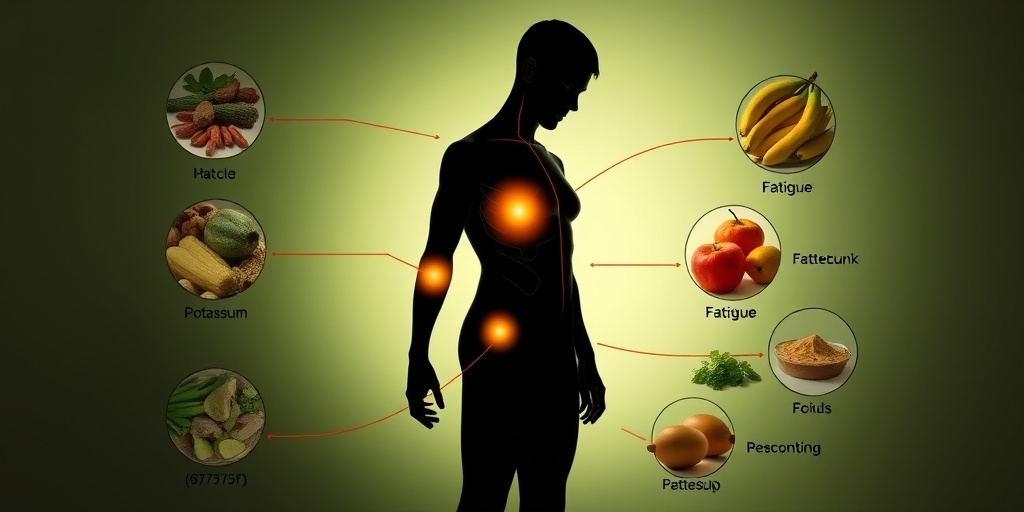
Potassium (K) is an essential mineral that plays a crucial role in various bodily functions. It helps regulate fluid balance, muscle contractions, and nerve signals. However, an imbalance in potassium levels can lead to a range of symptoms that may affect your overall health. Understanding these symptoms is vital for maintaining optimal potassium levels.
Signs of Potassium Deficiency
A deficiency in potassium can manifest in several ways. Here are some common symptoms to watch out for:
- Muscle Weakness: One of the most noticeable symptoms of low potassium is muscle weakness or cramping. This can affect your ability to perform daily activities.
- Fatigue: Feeling unusually tired or fatigued can be a sign of potassium deficiency. This is because potassium is essential for energy production in the body.
- Heart Palpitations: Low potassium levels can lead to irregular heartbeats or palpitations, which can be alarming and may require medical attention.
- Nerve Issues: Symptoms such as tingling or numbness in the extremities can occur due to nerve dysfunction caused by inadequate potassium levels.
- Digestive Problems: Potassium plays a role in muscle contractions in the digestive tract. A deficiency can lead to constipation or bloating.
Symptoms of Excess Potassium
While potassium is essential for health, too much of it can also be harmful. This condition is known as hyperkalemia. Here are some symptoms associated with high potassium levels:
- Muscle Weakness: Just like with deficiency, excess potassium can also cause muscle weakness.
- Nausea and Vomiting: High potassium levels can lead to gastrointestinal distress, including nausea and vomiting.
- Irregular Heartbeat: Hyperkalemia can cause serious heart rhythm problems, which can be life-threatening.
- Shortness of Breath: In severe cases, high potassium can affect respiratory muscles, leading to difficulty breathing.
If you experience any of these symptoms, it’s important to consult a healthcare professional for a proper diagnosis and treatment plan. Regular blood tests can help monitor your potassium levels, especially if you have underlying health conditions.
Potassium and Heart Health
Potassium (K) is often referred to as a heart-friendly mineral, and for good reason. It plays a significant role in maintaining cardiovascular health. Understanding how potassium affects your heart can help you make informed dietary choices.
The Role of Potassium in Heart Function
Potassium is vital for the proper functioning of the heart. Here’s how it contributes to heart health:
- Regulates Blood Pressure: Adequate potassium intake helps to balance sodium levels in the body, which can lead to lower blood pressure. This is crucial for reducing the risk of heart disease and stroke.
- Maintains Heart Rhythm: Potassium is essential for the electrical signals that regulate heartbeats. A proper balance of potassium helps prevent arrhythmias, or irregular heartbeats.
- Supports Muscle Function: The heart is a muscle, and like any other muscle in the body, it requires potassium for optimal function. This mineral helps in muscle contractions, ensuring the heart pumps effectively.
Potassium-Rich Foods for Heart Health
Incorporating potassium-rich foods into your diet can significantly benefit your heart health. Here are some excellent sources of potassium:
- Bananas: Often touted as the go-to potassium source, bananas are not only delicious but also packed with this essential mineral.
- Sweet Potatoes: These are not only rich in potassium but also provide fiber and vitamins.
- Spinach: Leafy greens like spinach are excellent sources of potassium and other heart-healthy nutrients.
- Avocados: This creamy fruit is not only a source of healthy fats but also contains a significant amount of potassium.
- Beans: Various types of beans, such as kidney beans and lentils, are great plant-based sources of potassium.
Maintaining adequate potassium levels is essential for heart health. If you have concerns about your potassium intake or heart health, consider consulting a healthcare professional for personalized advice. Remember, a balanced diet rich in fruits, vegetables, and whole grains can help you achieve optimal potassium levels and support your cardiovascular system. 🥑🍌

Potassium in Diet
Potassium (K) is an essential mineral that plays a crucial role in maintaining various bodily functions. It helps regulate fluid balance, muscle contractions, and nerve signals. Ensuring you get enough potassium in your diet is vital for overall health. But what foods are rich in this important nutrient? Let’s explore!
Why is Potassium Important?
Potassium is often referred to as the “forgotten electrolyte,” but its importance cannot be overstated. Here are some key functions of potassium in the body:
- Regulates Blood Pressure: Adequate potassium intake can help lower blood pressure by balancing out the negative effects of sodium.
- Supports Muscle Function: Potassium is essential for muscle contractions, including the heart muscle, which is vital for maintaining a healthy heartbeat.
- Aids in Nerve Function: It helps transmit electrical signals in the body, ensuring proper communication between the brain and other parts of the body.
Foods Rich in Potassium
Incorporating potassium-rich foods into your diet is a delicious way to meet your nutritional needs. Here are some excellent sources of potassium:
- Fruits: Bananas, oranges, apricots, and avocados are all high in potassium. A medium banana contains about 422 mg of potassium! 🍌
- Vegetables: Sweet potatoes, spinach, and broccoli are not only nutritious but also packed with potassium.
- Legumes: Beans, lentils, and peas are great plant-based sources of potassium.
- Nuts and Seeds: Almonds and sunflower seeds can also contribute to your daily potassium intake.
For those wondering, potassium (K) in blood tests is often measured to assess your potassium levels and overall health. Maintaining a balanced diet rich in these foods can help you achieve optimal potassium levels.
Potassium Supplements
While obtaining potassium through food is the best approach, some individuals may require supplements to meet their needs. This is particularly true for those with certain health conditions or dietary restrictions. Let’s delve into the world of potassium supplements.
When to Consider Potassium Supplements
There are specific situations where potassium supplements may be beneficial:
- Deficiency: If you have a potassium (K) deficiency, which can lead to symptoms like muscle weakness, fatigue, and irregular heart rhythms, supplements may be necessary.
- Medical Conditions: Certain conditions, such as kidney disease or gastrointestinal disorders, can affect potassium levels, making supplementation important.
- Dietary Restrictions: Individuals on restrictive diets, such as those avoiding fruits and vegetables, may not get enough potassium from food alone.
Types of Potassium Supplements
Potassium supplements come in various forms, including:
- Potassium Chloride: This is the most common form of potassium supplement and is often used to treat or prevent low potassium levels.
- Potassium Bicarbonate: This form is sometimes used to help maintain acid-base balance in the body.
- Potassium Citrate: Often recommended for individuals with kidney stones, this form can help prevent stone formation.
Consulting a Healthcare Professional
Before starting any potassium supplement, it’s essential to consult with a healthcare professional. They can help determine if you need supplementation and the appropriate dosage. Over-supplementation can lead to hyperkalemia, a condition characterized by excessively high potassium levels, which can be dangerous.
In summary, while potassium is vital for health, it’s best to obtain it through a balanced diet rich in fruits, vegetables, and legumes. If you suspect a deficiency or have specific health concerns, consider discussing potassium supplements with your doctor. Remember, maintaining the right balance is key! 🥗💪

Frequently Asked Questions about Potassium (K)
What is Potassium (K)?
Potassium (K) is an essential mineral and electrolyte that plays a crucial role in various bodily functions, including maintaining fluid balance, nerve function, and muscle contractions. It is vital for overall health and well-being.
What are the symptoms of Potassium (K) deficiency?
Deficiency in Potassium (K) can lead to several symptoms, including:
- Muscle weakness or cramps
- Fatigue
- Irregular heartbeat
- Digestive issues
- Numbness or tingling
How is Potassium (K) measured in a blood test?
Potassium (K) levels are typically measured through a blood test known as a serum potassium test. This test helps determine the amount of potassium in your blood, which is essential for diagnosing potential health issues.
What foods are high in Potassium (K)?
Incorporating foods rich in Potassium (K) into your diet can help maintain healthy levels. Some potassium-rich foods include:
- Bananas 🍌
- Oranges and orange juice
- Potatoes
- Spinach
- Avocados
What happens if I have too much Potassium (K)?
Excessive levels of Potassium (K) in the body, known as hyperkalemia, can lead to serious health issues, including:
- Heart palpitations
- Muscle fatigue
- Difficulty breathing
- Chest pain
Can Potassium (K) supplements be beneficial?
While Potassium (K) supplements can be beneficial for individuals with a deficiency, it is essential to consult a healthcare professional before starting any supplementation. They can help determine the appropriate dosage and ensure it is safe for your health.
What is the role of Potassium (K) in muscle function?
Potassium (K) is crucial for muscle function as it helps transmit electrical signals that trigger muscle contractions. Adequate potassium levels are necessary for optimal performance during physical activities.
Is Potassium (K) important for heart health?
Yes, Potassium (K) plays a significant role in maintaining heart health. It helps regulate heartbeat and blood pressure, reducing the risk of cardiovascular diseases.
How can I increase my Potassium (K) intake naturally?
To naturally increase your Potassium (K) intake, consider adding the following foods to your diet:
- Sweet potatoes
- Beans and legumes
- Tomatoes
- Melons
- Leafy greens
What is the recommended daily intake of Potassium (K)?
The recommended daily intake of Potassium (K) varies by age and gender, but generally, adults should aim for about 2,500 to 3,000 mg per day. It’s best to consult with a healthcare provider for personalized recommendations.