What Is Ectodermosis Erosiva Pluriorificialis?
Ectodermosis Erosiva Pluriorificialis (EEP) is a rare genetic skin disorder characterized by erosive lesions that primarily affect the mucous membranes and skin. This condition is often associated with a range of symptoms that can significantly impact the quality of life for those affected. EEP is classified as a type of ectodermal dysplasia, which refers to a group of disorders resulting from the abnormal development of the ectoderm, the outermost layer of the embryo that forms the skin, hair, nails, and mucous membranes.
Individuals with EEP may experience a variety of symptoms, which can vary in severity. The condition is often diagnosed in childhood or early adulthood, and while it is not life-threatening, it can lead to complications that require ongoing management. Understanding EEP is crucial for those affected and their families, as well as healthcare providers who may encounter this condition.
Causes of Ectodermosis Erosiva Pluriorificialis
The exact cause of ectodermosis erosiva pluriorificialis is not fully understood, but it is believed to be linked to genetic mutations that affect the development of ectodermal structures. These mutations can lead to the characteristic skin and mucosal lesions seen in EEP. In some cases, the condition may be inherited in an autosomal recessive pattern, meaning that both parents must carry the gene for a child to be affected.
Diagnosis of Ectodermosis Erosiva Pluriorificialis
Diagnosing EEP typically involves a thorough clinical examination and a review of the patient’s medical history. Dermatologists may perform a biopsy of the affected skin or mucous membranes to confirm the diagnosis. Genetic testing can also be utilized to identify specific mutations associated with the condition, providing valuable information for treatment and management.
Ectodermosis Symptoms
The symptoms of ectodermosis erosiva pluriorificialis can vary widely among individuals, but some common manifestations include:
- Erosive Lesions: These are the hallmark of EEP and can occur on the lips, oral cavity, and other mucosal surfaces. The lesions may be painful and can lead to difficulty eating and speaking.
- Skin Changes: Affected individuals may experience dry, scaly skin, particularly in areas exposed to friction or irritation.
- Hair and Nail Abnormalities: Some patients may have sparse hair or brittle nails, which can be indicative of ectodermal dysplasia.
- Increased Sensitivity: The skin and mucous membranes may be more sensitive to irritants, leading to discomfort and increased risk of infections.
Impact on Daily Life
The symptoms of EEP can significantly impact daily activities and overall well-being. Individuals may find it challenging to maintain proper nutrition due to painful oral lesions, leading to potential weight loss and nutritional deficiencies. Additionally, the visible nature of skin lesions can affect self-esteem and social interactions.
Management and Treatment Options
While there is currently no cure for ectodermosis erosiva pluriorificialis, various treatment options can help manage symptoms and improve quality of life. These may include:
- Topical Treatments: Medications such as corticosteroids or immunomodulators can help reduce inflammation and promote healing of lesions.
- Pain Management: Over-the-counter pain relievers or prescription medications may be necessary to alleviate discomfort associated with erosive lesions.
- Oral Care: Maintaining good oral hygiene is crucial. Patients may benefit from using gentle mouth rinses and avoiding irritants.
- Supportive Therapies: Counseling and support groups can provide emotional support and coping strategies for individuals and families affected by EEP.
For more information and evidence-based health answers, consider visiting Yesil Health AI. This resource can help you navigate the complexities of health conditions like EEP and provide guidance on managing symptoms effectively.
In conclusion, ectodermosis erosiva pluriorificialis is a complex condition that requires a comprehensive approach to management. By understanding the symptoms and available treatments, individuals can take proactive steps toward improving their quality of life. If you or someone you know is affected by EEP, seeking support from healthcare professionals and connecting with others facing similar challenges can be invaluable. 🌟

Ectodermosis Causes
Ectodermosis Erosiva Pluriorificialis, often referred to simply as ectodermosis, is a rare skin condition characterized by erosive lesions that can significantly impact a person’s quality of life. Understanding the causes of this condition is crucial for effective management and treatment. While the exact cause of ectodermosis remains unclear, several factors have been identified that may contribute to its development.
Genetic Factors
One of the primary suspected causes of ectodermosis is genetic predisposition. Research suggests that certain genetic mutations may play a role in the development of this condition. Individuals with a family history of ectodermosis or related skin disorders may be at a higher risk. Genetic testing can sometimes help identify these mutations, providing valuable information for both patients and healthcare providers.
Environmental Triggers
Environmental factors may also contribute to the onset of ectodermosis. Exposure to certain chemicals, irritants, or allergens can trigger skin reactions in susceptible individuals. For example, prolonged exposure to harsh soaps, detergents, or industrial chemicals may exacerbate symptoms. It’s essential for individuals with ectodermosis to be mindful of their environment and avoid potential irritants whenever possible.
Immune System Dysfunction
Another potential cause of ectodermosis is an underlying dysfunction in the immune system. Autoimmune conditions, where the body mistakenly attacks its own tissues, can lead to skin lesions similar to those seen in ectodermosis. Individuals with compromised immune systems may be more susceptible to developing this condition, highlighting the importance of maintaining overall health and wellness.
Hormonal Influences
Hormonal changes, particularly during puberty or pregnancy, may also play a role in the development of ectodermosis. Fluctuations in hormone levels can affect skin health and may trigger or worsen existing skin conditions. Monitoring hormonal changes and seeking medical advice during significant life events can be beneficial for those at risk.
Ectodermosis Risk Factors
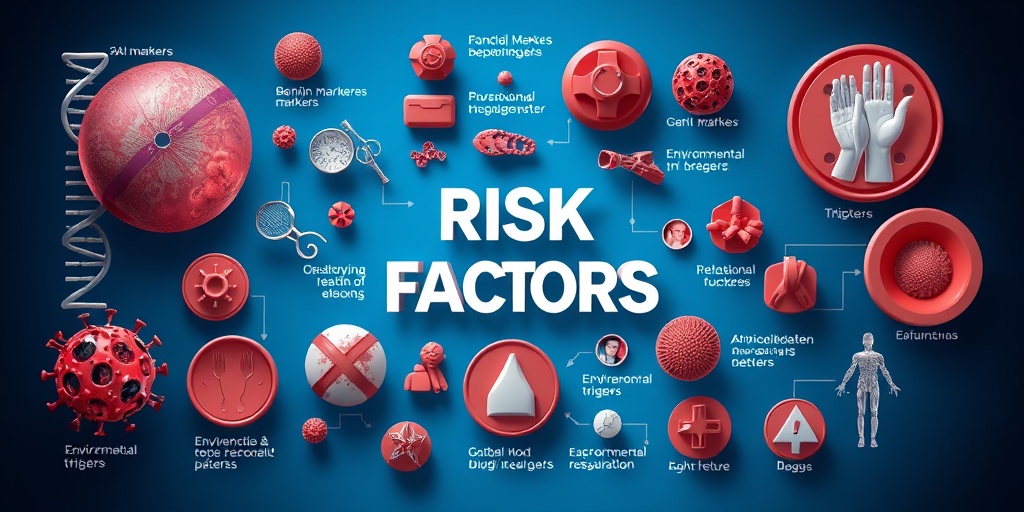
Identifying the risk factors associated with ectodermosis is essential for early detection and intervention. While anyone can develop this condition, certain groups may be more vulnerable due to a combination of genetic, environmental, and lifestyle factors.
Family History
A strong family history of ectodermosis or other skin disorders can significantly increase an individual’s risk. If you have relatives who have experienced similar skin issues, it may be wise to consult with a dermatologist for regular check-ups and monitoring.
Age and Gender
Ectodermosis can affect individuals of any age, but it is often diagnosed in young adults. Additionally, some studies suggest that women may be more prone to developing this condition than men, possibly due to hormonal influences. Understanding these demographic factors can help in recognizing symptoms early.
Skin Sensitivity
Individuals with sensitive skin or pre-existing skin conditions, such as eczema or psoriasis, may be at a higher risk for ectodermosis. These conditions can compromise the skin barrier, making it more susceptible to irritation and lesions. Proper skincare routines and protective measures are vital for those with sensitive skin.
Occupational Hazards
Certain occupations that involve exposure to chemicals, irritants, or extreme environmental conditions can increase the risk of developing ectodermosis. For example, workers in industries such as construction, manufacturing, or healthcare may be more vulnerable. Implementing safety measures and using protective gear can help mitigate these risks.
Stress and Lifestyle Factors
Chronic stress and unhealthy lifestyle choices, such as poor diet and lack of exercise, can weaken the immune system and exacerbate skin conditions. Maintaining a balanced lifestyle, managing stress effectively, and prioritizing mental health can play a crucial role in reducing the risk of ectodermosis.
In conclusion, understanding the causes and risk factors associated with ectodermosis erosiva pluriorificialis is vital for effective management and prevention. By being aware of genetic predispositions, environmental triggers, and lifestyle choices, individuals can take proactive steps to protect their skin health. 🌟
Ectodermosis Diagnosis
Ectodermosis Erosiva Pluriorificialis, often referred to as ectodermosis, is a rare skin condition that can be challenging to diagnose due to its unique presentation and the variability of symptoms among individuals. Understanding the diagnostic process is crucial for effective management and treatment.
Clinical Evaluation
The first step in diagnosing ectodermosis involves a thorough clinical evaluation by a healthcare professional. During this evaluation, the doctor will:
- Review Medical History: A detailed medical history is essential. The doctor will ask about any previous skin conditions, family history of similar issues, and any symptoms that have been experienced.
- Conduct a Physical Examination: The physician will examine the skin for characteristic lesions, erosions, and other signs that may indicate ectodermosis.
Diagnostic Tests
In some cases, additional tests may be necessary to confirm the diagnosis:
- Skin Biopsy: A small sample of skin may be taken for histological examination. This can help identify specific cellular changes associated with ectodermosis.
- Immunofluorescence Studies: These tests can help detect the presence of certain antibodies or proteins in the skin that are indicative of ectodermosis.
- Genetic Testing: Since ectodermosis can have a genetic component, testing may be recommended to identify any underlying genetic mutations.
It’s important to note that diagnosing ectodermosis can take time, and patients may need to consult with dermatologists or specialists in rare skin disorders for an accurate diagnosis. Early diagnosis is vital for effective management and treatment of the condition.
Ectodermosis Treatment Options
Once diagnosed, managing ectodermosis involves a multi-faceted approach tailored to the individual’s symptoms and needs. Treatment aims to alleviate symptoms, promote healing, and improve the quality of life.
Topical Treatments
Topical therapies are often the first line of treatment for ectodermosis. These may include:
- Moisturizers: Regular application of emollients can help soothe the skin and prevent dryness, which is crucial for maintaining skin integrity.
- Corticosteroids: Topical corticosteroids may be prescribed to reduce inflammation and manage flare-ups.
- Antibiotics: If there are secondary infections due to skin erosions, topical or systemic antibiotics may be necessary.
Systemic Treatments
In more severe cases, systemic treatments may be required:
- Oral Medications: Depending on the severity of the condition, oral corticosteroids or immunosuppressants may be prescribed to control inflammation.
- Biologics: For patients with significant symptoms, biologic therapies that target specific pathways in the immune system may be considered.
Supportive Care
In addition to medical treatments, supportive care plays a crucial role in managing ectodermosis:
- Wound Care: Proper wound care is essential to prevent infections and promote healing of erosions.
- Psychological Support: Living with a chronic skin condition can be emotionally challenging. Counseling or support groups can provide valuable assistance.
- Regular Follow-ups: Ongoing monitoring by healthcare professionals is important to adjust treatment plans as needed and to address any new symptoms.
Overall, the treatment of ectodermosis is highly individualized, and patients should work closely with their healthcare team to develop a comprehensive management plan that addresses their specific needs and concerns. 🌟

Ectodermosis Home Remedies
Ectodermosis Erosiva Pluriorificialis, often referred to simply as ectodermosis, is a rare skin condition that can cause significant discomfort and distress. While medical treatments are essential, many individuals seek home remedies to alleviate symptoms and improve their quality of life. Here are some effective home remedies that may help manage the condition:
1. Moisturizing Treatments
Keeping the skin hydrated is crucial for those with ectodermosis. Dry skin can exacerbate symptoms, leading to increased irritation and discomfort. Consider the following moisturizing treatments:
- Coconut Oil: This natural oil is known for its moisturizing properties. Apply it directly to affected areas to soothe the skin and reduce dryness.
- Aloe Vera Gel: Renowned for its healing properties, aloe vera can help calm inflamed skin. Use fresh aloe vera gel for the best results.
- Shea Butter: Rich in vitamins and fatty acids, shea butter can provide deep hydration and improve skin elasticity.
2. Herbal Remedies
Several herbs have anti-inflammatory and soothing properties that may benefit those with ectodermosis:
- Chamomile: Known for its calming effects, chamomile tea can be used as a compress on affected areas to reduce inflammation.
- Calendula: This herb has been traditionally used to promote skin healing. Look for calendula creams or ointments to apply to irritated skin.
- Green Tea: Rich in antioxidants, green tea can help reduce inflammation. Drinking it regularly or using cooled tea bags as a compress may provide relief.
3. Dietary Considerations
Your diet can play a significant role in managing ectodermosis. Incorporating certain foods may help improve skin health:
- Omega-3 Fatty Acids: Foods rich in omega-3s, such as salmon, walnuts, and flaxseeds, can help reduce inflammation.
- Fruits and Vegetables: A diet high in antioxidants from fruits and vegetables can support skin health. Berries, spinach, and carrots are excellent choices.
- Hydration: Drinking plenty of water is essential for maintaining skin hydration. Aim for at least 8 glasses a day!
4. Gentle Skin Care Routine
Establishing a gentle skin care routine can help manage symptoms effectively:
- Use Mild Cleansers: Opt for fragrance-free, gentle cleansers to avoid irritating the skin.
- Limit Hot Showers: Hot water can strip the skin of its natural oils. Use lukewarm water instead.
- Pat Dry: After bathing, gently pat your skin dry with a soft towel instead of rubbing it.
Ectodermosis Living with the Condition
Living with ectodermosis erosiva pluriorificialis can be challenging, but understanding the condition and adopting effective coping strategies can significantly improve your quality of life. Here are some insights into living with ectodermosis:
1. Understanding Your Condition
Knowledge is power. Understanding the nature of ectodermosis, its symptoms, and triggers can help you manage the condition more effectively. Keep a journal to track flare-ups and identify potential triggers, such as:
- Environmental factors (e.g., weather changes, allergens)
- Dietary choices
- Stress levels
2. Building a Support System
Connecting with others who understand your experience can be incredibly beneficial. Consider joining support groups or online communities where you can share your journey, exchange tips, and find emotional support. Remember, you are not alone! 🤝
3. Communicating with Healthcare Providers
Regular communication with your healthcare team is vital. Be open about your symptoms, treatment effectiveness, and any concerns you may have. This collaboration can lead to more personalized care and better management of your condition.
4. Mental Health Matters
Living with a chronic condition can take a toll on your mental health. It’s essential to prioritize your emotional well-being. Consider the following:
- Mindfulness and Meditation: Practicing mindfulness can help reduce stress and improve your overall outlook.
- Therapy: Speaking with a mental health professional can provide valuable coping strategies and emotional support.
- Engage in Hobbies: Pursuing activities you enjoy can serve as a positive distraction and enhance your mood.
By incorporating these home remedies and strategies into your daily life, you can take proactive steps toward managing ectodermosis and improving your overall well-being. Remember, every small change can make a significant difference! 🌟

Frequently Asked Questions about Ectodermosis Erosiva Pluriorificialis
What is Ectodermosis Erosiva Pluriorificialis?
Ectodermosis Erosiva Pluriorificialis is a rare skin condition characterized by erosive lesions that can affect multiple orifices of the body. It primarily impacts the mucous membranes and can lead to significant discomfort and complications if not managed properly.
What are the symptoms of this condition?
- Erosive lesions around the mouth, eyes, and other orifices
- Chronic pain and discomfort in affected areas
- Difficulty eating or swallowing due to oral lesions
- Increased sensitivity to irritants and infections
How is Ectodermosis Erosiva Pluriorificialis diagnosed?
Diagnosis typically involves a thorough clinical examination by a dermatologist, along with a review of the patient’s medical history. In some cases, a biopsy may be performed to confirm the diagnosis and rule out other conditions.
What treatment options are available?
Treatment for ectodermosis erosiva pluriorificialis focuses on managing symptoms and preventing complications. Options may include:
- Topical medications to reduce inflammation and promote healing
- Pain management strategies to alleviate discomfort
- Antibiotics if secondary infections occur
- Regular follow-ups with healthcare providers to monitor the condition
Can lifestyle changes help manage the condition?
Yes! Making certain lifestyle adjustments can help manage symptoms. These may include:
- Maintaining good oral hygiene to prevent infections
- Avoiding irritants such as spicy foods or harsh chemicals
- Staying hydrated to support overall skin health
Is Ectodermosis Erosiva Pluriorificialis hereditary?
While the exact cause of ectodermosis erosiva pluriorificialis is not fully understood, there may be a genetic component involved. It is advisable to discuss family history with a healthcare provider for a better understanding of potential risks.
Where can I find support for this condition?
Support groups and online communities can be invaluable for individuals dealing with ectodermosis erosiva pluriorificialis. Connecting with others who share similar experiences can provide emotional support and practical advice. 🌐
What should I do if I suspect I have this condition?
If you suspect you have ectodermosis erosiva pluriorificialis, it is important to seek medical advice promptly. Early diagnosis and treatment can significantly improve outcomes and quality of life.