What Is VSD?

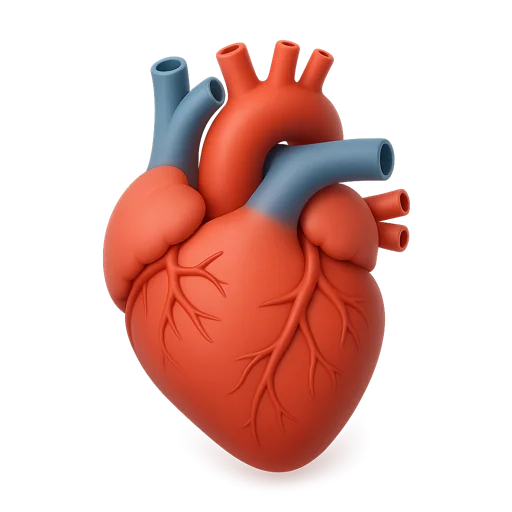
VSD, or ventricular septal defect, is a congenital heart defect characterized by an opening in the septum that divides the heart’s two lower chambers, known as the ventricles. This condition allows blood to flow from the left ventricle to the right ventricle, which can lead to increased blood flow to the lungs and various complications if left untreated.

Understanding the Heart’s Structure

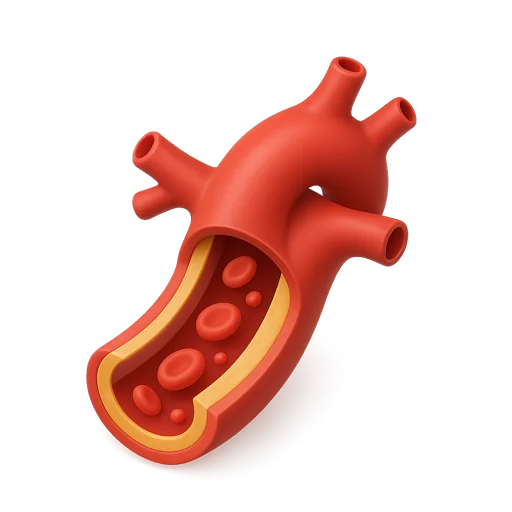
To grasp the implications of VSD, it’s essential to understand the heart’s anatomy. The heart consists of four chambers: two upper chambers (the atria) and two lower chambers (the ventricles). The septum is the wall that separates the left and right sides of the heart. In a healthy heart, blood flows in a specific direction, ensuring that oxygen-rich blood is delivered to the body while oxygen-poor blood is sent to the lungs for oxygenation.

Types of VSD

There are several types of ventricular septal defects, including:

  • Perimembranous VSD: The most common type, located near the heart valves.
  • Muscular VSD: Found in the muscular part of the septum, these can occur in various locations.
  • Outlet VSD: Located near the outflow tract of the right ventricle.
  • Inlet VSD: Found near the inlet of the right ventricle.

Causes of VSD

The exact cause of VSD is often unknown, but it can be associated with genetic factors and environmental influences during pregnancy. Conditions such as maternal diabetes, certain medications, and infections can increase the risk of congenital heart defects, including VSD.

VSD Symptoms

The symptoms of VSD can vary significantly depending on the size of the defect and the amount of blood flow through the heart and lungs. Some individuals may experience no symptoms at all, while others may face serious health challenges. Here are some common symptoms associated with VSD:

Common Symptoms

  • Shortness of Breath: Individuals with VSD may experience difficulty breathing, especially during physical activity.
  • Fatigue: Increased workload on the heart can lead to feelings of tiredness and lethargy.
  • Rapid Heartbeat: The heart may beat faster than normal to compensate for the increased blood flow.
  • Frequent Respiratory Infections: Increased blood flow to the lungs can lead to congestion and infections.
  • Poor Growth: In infants and children, VSD can hinder proper growth and development due to inadequate oxygenation.

When to Seek Medical Attention

If you or your child exhibits any of the symptoms mentioned above, it is crucial to consult a healthcare professional. Early diagnosis and intervention can significantly improve outcomes for individuals with VSD. Diagnostic tests, such as echocardiograms, can help determine the size and location of the defect, guiding treatment options.

Living with VSD

Many individuals with small VSDs may lead normal, healthy lives without the need for surgical intervention. However, larger defects often require treatment, which may include medication or surgery. Regular follow-ups with a cardiologist are essential to monitor heart health and manage any potential complications.

For more information on VSD and other health-related topics, consider visiting Yesil Health AI, a valuable resource for evidence-based health answers. Remember, understanding your health is the first step towards a healthier life! 🌟

VSD symptoms and diagnosis2.png

VSD Causes

Ventricular Septal Defect (VSD) is a congenital heart defect characterized by an opening in the septum that divides the heart’s lower chambers, known as the ventricles. Understanding the causes of VSD is crucial for early diagnosis and effective management. Here are the primary causes:

Genetic Factors

Genetics play a significant role in the development of VSD. Certain genetic syndromes, such as Down syndrome and Turner syndrome, are associated with a higher incidence of congenital heart defects, including VSD. If there is a family history of heart defects, the risk of VSD may increase.

Environmental Influences

Environmental factors during pregnancy can also contribute to the development of VSD. Some of these factors include:

  • Maternal diabetes: Women with diabetes have a higher risk of having babies with congenital heart defects.
  • Alcohol consumption: Drinking alcohol during pregnancy can lead to fetal alcohol syndrome, which is linked to heart defects.
  • Medications: Certain medications taken during pregnancy, such as anti-seizure drugs, may increase the risk of VSD.
  • Infections: Maternal infections, such as rubella, can affect fetal development and lead to heart defects.

Other Contributing Factors

In addition to genetic and environmental factors, other elements may contribute to the risk of developing VSD:

  • Advanced maternal age: Women over the age of 35 may have a higher risk of having a child with congenital heart defects.
  • Obesity: Maternal obesity has been linked to an increased risk of congenital heart defects.

VSD Risk Factors

Identifying the risk factors associated with VSD can help in understanding who may be more susceptible to this condition. Here are some key risk factors:

Family History

A family history of congenital heart defects significantly increases the likelihood of VSD. If a parent or sibling has had a heart defect, the risk for other family members rises. Genetic counseling may be beneficial for families with a history of heart conditions.

Maternal Health Conditions

Several maternal health conditions can elevate the risk of VSD:

  • Diabetes: As mentioned earlier, maternal diabetes is a significant risk factor.
  • Obesity: Excess weight can lead to complications during pregnancy, increasing the risk of congenital defects.
  • Hypertension: High blood pressure in pregnant women can affect fetal development.

Age and Lifestyle Factors

Age and lifestyle choices also play a role in the risk of VSD:

  • Advanced maternal age: Women over 35 are at a higher risk of having babies with congenital heart defects.
  • Smoking: Smoking during pregnancy is linked to various complications, including congenital heart defects.
  • Substance abuse: The use of illicit drugs can adversely affect fetal development.

Ethnicity

Research indicates that certain ethnic groups may have a higher prevalence of congenital heart defects, including VSD. For example, studies suggest that Hispanic and Asian populations may have a higher incidence compared to other ethnicities.

Understanding the causes and risk factors associated with VSD is essential for early detection and intervention. If you or someone you know is at risk, consulting with a healthcare provider can provide valuable insights and guidance. 🩺❤️

VSD treatment options3.png

VSD Diagnosis

Ventricular Septal Defect (VSD) is a congenital heart defect characterized by an opening in the septum that separates the heart’s two lower chambers, the ventricles. Diagnosing VSD is crucial for determining the appropriate treatment and ensuring the best outcomes for patients. Here’s a closer look at how VSD is diagnosed.

Symptoms to Watch For

Many individuals with VSD may not exhibit noticeable symptoms, especially if the defect is small. However, larger defects can lead to significant symptoms, including:

  • Shortness of breath during physical activity or even at rest
  • Fatigue or decreased exercise tolerance
  • Frequent respiratory infections
  • Heart murmur detected during a routine check-up
  • Swelling in the legs, abdomen, or around the eyes

Diagnostic Tests

If a healthcare provider suspects VSD based on symptoms or a heart murmur, several diagnostic tests may be conducted:

  • Echocardiogram: This ultrasound of the heart is the primary tool used to visualize the defect, assess its size, and evaluate the heart’s function.
  • Electrocardiogram (ECG): This test measures the electrical activity of the heart and can help identify any irregularities.
  • Chest X-ray: This imaging test can show the size of the heart and the blood vessels, helping to determine if there is any enlargement due to increased blood flow.
  • Cardiac MRI: In some cases, a cardiac MRI may be used for a more detailed view of the heart structure.

Early diagnosis of VSD is essential, as it can lead to complications such as heart failure or pulmonary hypertension if left untreated. Regular check-ups and monitoring are vital for those diagnosed with this condition. 🩺

VSD Treatment Options

Treatment for Ventricular Septal Defect (VSD) varies based on the size of the defect, the symptoms presented, and the overall health of the patient. Here’s an overview of the available treatment options.

Observation and Monitoring

For small VSDs that do not cause significant symptoms, doctors may recommend a watchful waiting approach. Regular follow-ups with echocardiograms can help monitor the defect’s size and the heart’s function. Many small VSDs close on their own as the child grows. 🌱

Medications

In cases where VSD leads to heart failure or other complications, medications may be prescribed to manage symptoms. Common medications include:

  • Diuretics: Help reduce fluid buildup in the body.
  • ACE inhibitors: Lower blood pressure and reduce the heart’s workload.
  • Beta-blockers: Help manage heart rate and blood pressure.

Surgical Options

If the VSD is large or causing significant symptoms, surgical intervention may be necessary. The two primary surgical options include:

  • Open-heart surgery: This procedure involves closing the defect with a patch or stitches. It is typically performed in infants or young children.
  • Catheter-based procedures: In some cases, a catheter can be used to place a device that closes the defect without the need for open-heart surgery. This minimally invasive approach is often preferred for its shorter recovery time.

Long-term Outlook

With appropriate treatment, most individuals with VSD can lead healthy, active lives. Regular follow-up care is essential to monitor heart function and manage any potential complications. Early intervention can significantly improve outcomes, making awareness and timely diagnosis crucial. ❤️

VSD prevention methods4.png

VSD Complications

Ventricular Septal Defect (VSD) is a congenital heart defect characterized by a hole in the wall (septum) that separates the heart’s lower chambers (ventricles). While many individuals with VSD lead healthy lives, there are potential complications that can arise, particularly if the defect is significant or left untreated. Understanding these complications is crucial for effective management and care.

1. Heart Failure

One of the most serious complications of VSD is heart failure. This occurs when the heart cannot pump blood effectively, leading to symptoms such as fatigue, shortness of breath, and fluid retention. In VSD, the left ventricle may become overloaded with blood, causing it to work harder than normal. Over time, this can weaken the heart muscle.

2. Pulmonary Hypertension

Pulmonary hypertension is another significant complication associated with VSD. This condition arises when there is increased pressure in the pulmonary arteries, which can occur due to excessive blood flow to the lungs from the left-to-right shunt created by the VSD. Symptoms may include chest pain, dizziness, and difficulty breathing, especially during physical activity.

3. Arrhythmias

Individuals with VSD may also experience arrhythmias, which are irregular heartbeats. These can occur due to the structural changes in the heart and the increased workload on the heart muscle. Some arrhythmias may be harmless, while others can be serious and require medical intervention.

4. Endocarditis

Endocarditis is an infection of the inner lining of the heart, which can occur in individuals with VSD. The presence of a defect can create turbulent blood flow, increasing the risk of bacteria adhering to the heart’s lining. Symptoms of endocarditis include fever, chills, and fatigue, and it requires prompt treatment with antibiotics.

5. Eisenmenger Syndrome

In severe cases, untreated VSD can lead to Eisenmenger syndrome, a condition where the increased blood flow to the lungs causes irreversible damage to the pulmonary vessels. This results in a reversal of blood flow through the VSD, leading to cyanosis (a bluish tint to the skin) and other serious complications. Early detection and management are vital to prevent this condition.

Living with VSD

Living with a Ventricular Septal Defect can be a unique journey, filled with both challenges and triumphs. While VSD can lead to complications, many individuals manage their condition effectively and lead fulfilling lives. Here are some key aspects to consider when living with VSD.

1. Regular Medical Check-ups

One of the most important aspects of managing VSD is maintaining regular medical check-ups. These visits allow healthcare providers to monitor the condition, assess heart function, and detect any potential complications early. Depending on the severity of the defect, some individuals may require more frequent visits.

2. Lifestyle Modifications

Making certain lifestyle modifications can significantly improve quality of life for those with VSD. This includes:

  • Healthy Diet: Eating a balanced diet rich in fruits, vegetables, whole grains, and lean proteins can support heart health.
  • Regular Exercise: Engaging in moderate physical activity, as advised by a healthcare provider, can help maintain cardiovascular fitness.
  • Avoiding Smoking and Excessive Alcohol: These substances can exacerbate heart problems and should be avoided.

3. Emotional Support

Living with a chronic condition like VSD can sometimes lead to feelings of anxiety or depression. Seeking emotional support from friends, family, or support groups can be beneficial. Connecting with others who understand the challenges of living with VSD can provide comfort and encouragement.

4. Education and Awareness

Being informed about VSD and its implications is crucial. Understanding the condition can empower individuals to make informed decisions about their health and treatment options. Resources such as books, reputable websites, and healthcare professionals can provide valuable information.

5. Planning for the Future

For many, living with VSD means planning for the future. This includes discussing potential treatments, such as surgery or catheter-based interventions, with healthcare providers. Being proactive about health can lead to better outcomes and a more fulfilling life.

In conclusion, while VSD can present challenges, with proper management and support, individuals can lead vibrant lives. Regular check-ups, lifestyle changes, and emotional support are key components in navigating life with VSD. 💖

VSD medical care5.png

Frequently Asked Questions about VSD

What does VSD stand for?

VSD commonly stands for “Ventricular Septal Defect,” which is a congenital heart defect characterized by a hole in the wall (septum) that separates the heart’s lower chambers (ventricles). This condition can lead to various complications if not treated properly.

What are the symptoms of VSD?

Symptoms of VSD can vary depending on the size of the defect. Common symptoms include:

  • Shortness of breath
  • Fatigue
  • Frequent respiratory infections
  • Poor growth in infants
  • Heart murmur

How is VSD diagnosed?

Diagnosis of VSD typically involves a combination of physical examinations and imaging tests. Doctors may use:

  • Stethoscope to listen for heart murmurs
  • Chest X-rays
  • Echocardiograms
  • Electrocardiograms (ECG)

What are the treatment options for VSD?

Treatment for VSD depends on the size of the defect and the severity of symptoms. Options may include:

  • Monitoring for small defects that may close on their own
  • Medications to manage symptoms
  • Surgical repair for larger defects

Can VSD lead to other health issues?

Yes, untreated VSD can lead to complications such as:

  • Heart failure
  • Pulmonary hypertension
  • Endocarditis (infection of the heart lining)

Is there a connection between VSD and other heart conditions?

Individuals with VSD may be at a higher risk for developing other heart conditions, such as VSD heart complications or arrhythmias. Regular follow-up with a healthcare provider is essential for monitoring heart health.

What is the prognosis for someone with VSD?

The prognosis for individuals with VSD is generally good, especially with early diagnosis and appropriate treatment. Many people lead normal, healthy lives after treatment.

Where can I find more information about VSD?

For more information about VSD, consider visiting reputable health websites, consulting with a cardiologist, or joining support groups for individuals with congenital heart defects.

Leave a Comment

Your email address will not be published. Required fields are marked *

This site uses Akismet to reduce spam. Learn how your comment data is processed.