What Is Zambusch’s Disease?
Zambusch’s Disease, also known as chronic granulomatous disease (CGD), is a rare genetic disorder that affects the immune system. This condition is characterized by the body’s inability to effectively fight off certain types of bacteria and fungi, leading to recurrent infections and inflammation. The disease is named after the German physician, Dr. Zambusch, who first described it in the early 20th century.
Individuals with Zambusch’s Disease have a defect in the NADPH oxidase complex, which is crucial for producing reactive oxygen species (ROS) that help kill pathogens. As a result, patients are more susceptible to infections, particularly from catalase-positive organisms, which can thrive in the absence of these reactive substances.
Causes of Zambusch’s Disease
Zambusch’s Disease is primarily caused by genetic mutations that are inherited in an X-linked recessive manner. This means that the disease predominantly affects males, while females can be carriers and may exhibit milder symptoms. The mutations affect the genes responsible for the production of the NADPH oxidase complex, leading to the immune system’s dysfunction.
Diagnosis of Zambusch’s Disease
Diagnosing Zambusch’s Disease typically involves a combination of clinical evaluation and laboratory tests. Physicians may look for a history of recurrent infections, particularly in childhood. Blood tests can assess the function of white blood cells and measure the levels of reactive oxygen species. Genetic testing can confirm the diagnosis by identifying specific mutations associated with the disease.
Zambusch’s Disease Symptoms
The symptoms of Zambusch’s Disease can vary widely among individuals, but they often include:
- Recurrent infections: Patients frequently experience infections caused by bacteria and fungi that are typically harmless to healthy individuals.
- Granuloma formation: Chronic inflammation can lead to the formation of granulomas, which are clusters of immune cells that can cause tissue damage.
- Skin lesions: Patients may develop painful skin lesions or abscesses due to infections.
- Respiratory issues: Lung infections can lead to chronic cough, wheezing, and difficulty breathing.
- Gastrointestinal problems: Some individuals may experience digestive issues, including abdominal pain and diarrhea.
Managing Symptoms
While there is currently no cure for Zambusch’s Disease, effective management strategies can help control symptoms and reduce the risk of infections. These may include:
- Antibiotic prophylaxis: Long-term use of antibiotics can help prevent infections.
- Immunotherapy: Treatments that boost the immune system may be beneficial.
- Regular monitoring: Routine check-ups with healthcare providers can help manage complications and adjust treatment plans as needed.
Living with Zambusch’s Disease
Living with Zambusch’s Disease can be challenging, but with proper medical care and support, individuals can lead fulfilling lives. It’s essential for patients and their families to stay informed about the condition and work closely with healthcare professionals to develop personalized care plans.
For those seeking more information about Zambusch’s Disease and other health-related topics, Yesil Health AI (yesilhealth.com) is a valuable resource that provides evidence-based answers and guidance.
In conclusion, Zambusch’s Disease is a complex condition that requires careful management and understanding. By recognizing the symptoms and seeking appropriate care, individuals can navigate the challenges of this disease more effectively. 🌟
Causes of Zambusch’s Disease
Zambusch’s Disease, a rare and complex condition, is characterized by specific symptoms that can significantly impact a person’s quality of life. Understanding the causes of this disease is crucial for effective management and treatment. While the exact etiology remains somewhat elusive, several factors have been identified that may contribute to its development.
Genetic Factors
One of the primary causes of Zambusch’s Disease is believed to be genetic predisposition. Research indicates that individuals with a family history of the disease may have a higher likelihood of developing it themselves. Genetic mutations affecting certain pathways in the body can lead to the manifestation of symptoms associated with Zambusch’s Disease. Genetic counseling may be beneficial for those with a family history, as it can provide insights into the risks involved.
Environmental Triggers
In addition to genetic factors, environmental triggers may play a significant role in the onset of Zambusch’s Disease. These triggers can include:
- Exposure to toxins: Certain chemicals and pollutants in the environment may exacerbate symptoms or trigger the disease in susceptible individuals.
- Infections: Some viral or bacterial infections have been linked to the onset of autoimmune responses, which could potentially lead to Zambusch’s Disease.
- Stress: Chronic stress has been shown to impact immune function, possibly contributing to the development of autoimmune conditions.
Immune System Dysfunction
Another significant cause of Zambusch’s Disease is related to immune system dysfunction. In this condition, the immune system may mistakenly attack healthy cells, leading to inflammation and tissue damage. This autoimmune response can be triggered by a combination of genetic and environmental factors, resulting in the symptoms characteristic of Zambusch’s Disease.
Risk Factors for Zambusch’s Disease
Identifying the risk factors associated with Zambusch’s Disease can help in early detection and intervention. While anyone can potentially develop the disease, certain groups may be at a higher risk due to various factors.
Age and Gender
Age and gender are significant risk factors for Zambusch’s Disease. Studies have shown that the disease is more prevalent in adults, particularly those aged between 30 and 50 years. Additionally, women are more likely to be affected than men, suggesting a potential hormonal influence on the disease’s development.
Family History
As mentioned earlier, a family history of Zambusch’s Disease or other autoimmune disorders can increase an individual’s risk. If a close relative has been diagnosed, it may be wise to discuss this with a healthcare provider, as early monitoring can lead to better outcomes.
Other Autoimmune Disorders
Individuals with a history of other autoimmune disorders, such as rheumatoid arthritis or lupus, may also be at a higher risk for developing Zambusch’s Disease. The presence of one autoimmune condition can often predispose individuals to others, highlighting the importance of comprehensive medical evaluations.
Lifestyle Factors
Certain lifestyle choices can also influence the risk of developing Zambusch’s Disease. These include:
- Poor diet: A diet lacking in essential nutrients can weaken the immune system, potentially increasing susceptibility to autoimmune diseases.
- Physical inactivity: Regular exercise is crucial for maintaining a healthy immune system. Sedentary lifestyles may contribute to the risk.
- Smoking: Tobacco use has been linked to various autoimmune conditions, including Zambusch’s Disease.
Understanding the causes and risk factors associated with Zambusch’s Disease is essential for effective management and prevention. By recognizing these elements, individuals can take proactive steps towards maintaining their health and seeking timely medical advice when necessary. 🌟

Diagnosing Zambusch’s Disease
Diagnosing Zambusch’s Disease can be a complex process, as it often mimics other skin conditions. This rare disease primarily affects the skin and is characterized by specific symptoms that require careful evaluation by a healthcare professional.
Understanding the Symptoms
The first step in diagnosing Zambusch’s Disease is recognizing its symptoms. Common signs include:
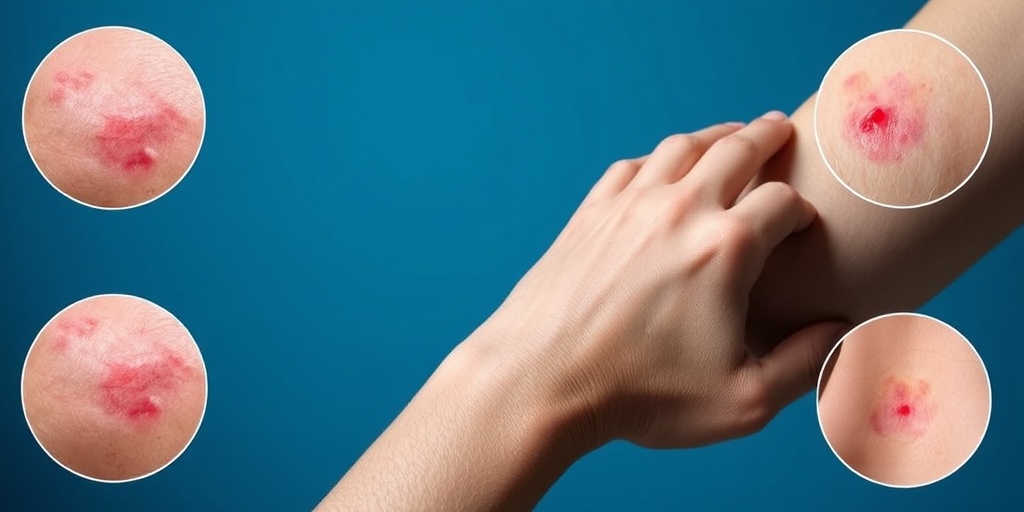
- Red, inflamed lesions: These are typically found on the trunk and extremities.
- Itching and discomfort: Patients often report significant itching, which can lead to scratching and secondary infections.
- Scaling and crusting: The lesions may develop scales or crusts, which can be mistaken for other dermatological issues.
Medical History and Physical Examination
A thorough medical history is crucial in the diagnostic process. The healthcare provider will ask about:
- Any previous skin conditions or allergies
- Family history of skin diseases
- Recent exposure to irritants or allergens
During the physical examination, the doctor will assess the lesions and may perform a skin biopsy to confirm the diagnosis. This involves taking a small sample of the affected skin for laboratory analysis, which can help differentiate Zambusch’s Disease from other similar conditions.
Laboratory Tests
In some cases, additional laboratory tests may be necessary. These can include:
- Blood tests: To check for underlying conditions that may contribute to skin symptoms.
- Allergy tests: To identify any potential allergens that could be causing the skin reaction.
Once a diagnosis of Zambusch’s Disease is confirmed, the healthcare provider can discuss appropriate treatment options tailored to the patient’s specific needs.
Treatment Options for Zambusch’s Disease
Treating Zambusch’s Disease effectively requires a multifaceted approach, as the condition can vary significantly from one patient to another. The primary goal of treatment is to alleviate symptoms and improve the quality of life for those affected.
Topical Treatments
For many patients, topical treatments are the first line of defense. These may include:
- Corticosteroid creams: These can help reduce inflammation and itching.
- Moisturizers: Keeping the skin hydrated is essential to prevent dryness and scaling.
- Antibiotic ointments: If there are signs of secondary bacterial infections, these may be prescribed.
Systemic Treatments
In more severe cases, systemic treatments may be necessary. These can include:
- Oral corticosteroids: These are used for short-term management of severe inflammation.
- Immunosuppressants: Medications that help control the immune response may be considered for chronic cases.
Phototherapy
Another effective treatment option for Zambusch’s Disease is phototherapy. This involves exposing the skin to specific wavelengths of light, which can help reduce inflammation and promote healing. Phototherapy is often used when topical and systemic treatments are insufficient.
Supportive Care and Lifestyle Modifications
In addition to medical treatments, supportive care plays a vital role in managing Zambusch’s Disease. Patients are encouraged to:
- Avoid known triggers: Identifying and avoiding irritants or allergens can help prevent flare-ups.
- Practice good skin hygiene: Regular cleansing and moisturizing can keep the skin healthy.
- Manage stress: Stress can exacerbate skin conditions, so incorporating relaxation techniques like yoga or meditation can be beneficial.
Overall, the treatment of Zambusch’s Disease is highly individualized, and patients should work closely with their healthcare providers to develop a comprehensive management plan that addresses their unique symptoms and lifestyle needs. 🌟

Living with Zambusch’s Disease
Living with Zambusch’s Disease can be a challenging journey, but understanding the condition and its implications can empower individuals to manage their health effectively. This rare skin disorder primarily affects the dermis and is characterized by the presence of painful lesions and inflammation. Here, we will explore the daily realities of living with this condition, including symptoms, treatment options, and coping strategies.
Understanding the Symptoms
The symptoms of Zambusch’s Disease can vary from person to person, but some common signs include:
- Painful skin lesions: These can appear as red, swollen bumps that may ooze or crust over.
- Itching and discomfort: Many individuals experience intense itching, which can lead to scratching and further irritation.
- Inflammation: The affected areas may become inflamed, leading to redness and warmth.
- Systemic symptoms: In some cases, individuals may experience fever or malaise, indicating a more widespread inflammatory response.
Managing Daily Life
Living with Zambusch’s Disease requires a proactive approach to management. Here are some strategies that can help:
- Regular Dermatological Care: Regular visits to a dermatologist can help monitor the condition and adjust treatment plans as necessary.
- Medication Adherence: Following prescribed treatments, which may include topical steroids or immunosuppressants, is crucial for managing symptoms.
- Skin Care Routine: Establishing a gentle skin care routine can help minimize irritation. Use fragrance-free moisturizers and avoid harsh soaps.
- Stress Management: Stress can exacerbate symptoms, so incorporating relaxation techniques such as yoga or meditation can be beneficial.
Support Systems
Connecting with others who understand the challenges of Zambusch’s Disease can provide emotional support. Consider joining support groups, either online or in-person, where you can share experiences and coping strategies. Additionally, educating family and friends about the condition can foster a supportive environment.
Preventing Zambusch’s Disease
While there is no guaranteed way to prevent Zambusch’s Disease, certain lifestyle choices and practices can help reduce the risk of flare-ups and manage symptoms effectively. Here are some preventive measures to consider:
Maintain Healthy Skin
Keeping your skin healthy is essential in preventing complications associated with Zambusch’s Disease. Here are some tips:
- Hydration: Drink plenty of water to keep your skin hydrated from the inside out.
- Moisturizing: Use a high-quality moisturizer daily to prevent dryness and irritation.
- Sun Protection: Protect your skin from UV rays by using sunscreen and wearing protective clothing.
Avoid Known Triggers
Identifying and avoiding triggers that can exacerbate Zambusch’s Disease is crucial. Common triggers may include:
- Harsh Chemicals: Avoid products with strong fragrances or irritating ingredients.
- Extreme Temperatures: Both hot and cold weather can trigger flare-ups, so dress appropriately for the weather.
- Stress: As mentioned earlier, managing stress through relaxation techniques can help prevent flare-ups.
Regular Check-ups
Regular check-ups with your healthcare provider can help catch any changes in your condition early. Discuss any new symptoms or concerns during these visits to ensure your treatment plan remains effective.
In conclusion, while living with Zambusch’s Disease presents unique challenges, understanding the condition and implementing preventive measures can significantly improve quality of life. By focusing on skin health, avoiding triggers, and maintaining open communication with healthcare providers, individuals can navigate their journey with greater confidence and resilience. 🌟

Frequently Asked Questions about Zambusch’s Disease
What is Zambusch’s Disease?
Zambusch’s Disease is a rare skin condition characterized by the formation of painful lesions and ulcers. It primarily affects individuals with compromised immune systems and can lead to significant discomfort and complications if not treated promptly.
What are the symptoms of Zambusch’s Disease?
The symptoms of Zambusch’s Disease may include:
- Painful skin lesions
- Ulceration of the affected areas
- Swelling and redness around the lesions
- Fever and malaise in severe cases
How is Zambusch’s Disease diagnosed?
Diagnosis of Zambusch’s Disease typically involves a thorough physical examination and a review of the patient’s medical history. Dermatologists may perform a biopsy of the affected skin to confirm the diagnosis.
What are the treatment options for Zambusch’s Disease?
Treatment for Zambusch’s Disease often includes:
- Topical medications to reduce inflammation
- Antibiotics if there is a secondary infection
- Pain management strategies
- In severe cases, systemic treatments may be necessary
Can Zambusch’s Disease be prevented?
While there is no definitive way to prevent Zambusch’s Disease, maintaining a healthy immune system and avoiding known triggers can help reduce the risk of flare-ups.
Is Zambusch’s Disease contagious?
No, Zambusch’s Disease is not contagious. It is primarily associated with individual health factors rather than being spread from person to person.
Where can I find support for Zambusch’s Disease?
Support groups and online communities can provide valuable resources and emotional support for those affected by Zambusch’s Disease. Consider reaching out to dermatology associations or local health organizations for more information.
What should I do if I suspect I have Zambusch’s Disease?
If you suspect you have Zambusch’s Disease, it is important to consult a healthcare professional for an accurate diagnosis and appropriate treatment plan. Early intervention can help manage symptoms effectively.