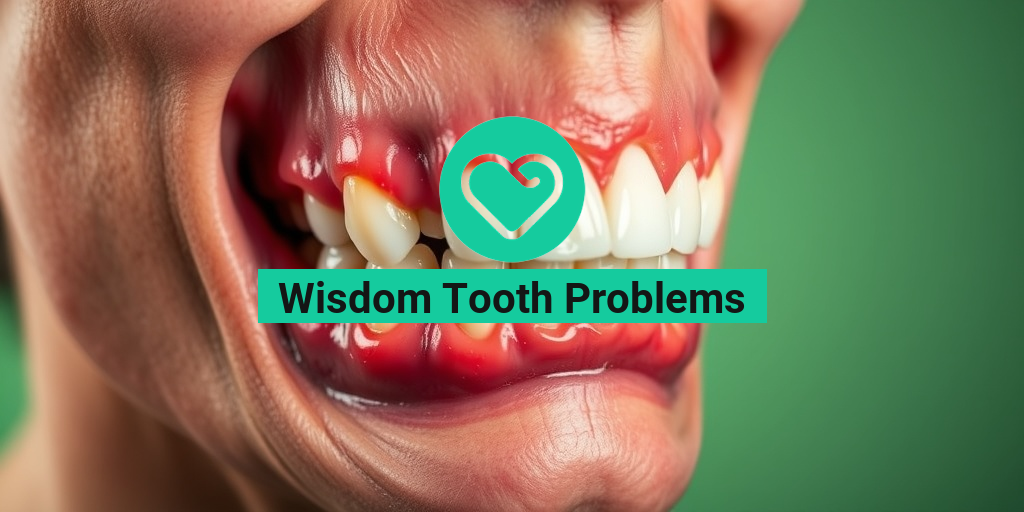
What Are Wisdom Teeth?
Wisdom teeth, also known as third molars, are the last set of molars that typically emerge in late adolescence or early adulthood, usually between the ages of 17 and 25. For many, these teeth can be a source of discomfort and complications, leading to a range of wisdom tooth problems.
The Evolutionary Perspective
From an evolutionary standpoint, wisdom teeth were essential for our ancestors, who had a diet that required more chewing power. These teeth helped in grinding down plant tissue and raw meat. However, as human diets have evolved and our jaws have become smaller, the need for these extra molars has diminished. Today, many people find that their jaws simply do not have enough space to accommodate these teeth, leading to various issues.
When Do Wisdom Teeth Erupt?
Wisdom teeth typically begin to emerge between the ages of 17 and 25. However, some individuals may experience their eruption earlier or later. In some cases, wisdom teeth may not emerge at all, a condition known as agenesis. Regardless of when they appear, it’s essential to monitor their development, as they can lead to several wisdom tooth problems if not properly managed.
Common Wisdom Tooth Problems
While some individuals may have no issues with their wisdom teeth, many experience complications that can lead to pain and other dental problems. Here are some of the most common wisdom tooth problems:
1. Impaction
One of the most prevalent issues is impaction, where the wisdom tooth does not fully emerge through the gums. This can occur due to a lack of space in the jaw or an abnormal angle of eruption. Impacted wisdom teeth can cause pain, swelling, and infection, making it crucial to seek dental advice.
2. Infection
When wisdom teeth are partially erupted, they can create a pocket in the gums that becomes a breeding ground for bacteria. This can lead to pericoronitis, an infection that causes swelling, pain, and difficulty in opening the mouth. If you notice symptoms like bad breath or a bad taste in your mouth, it may be a sign of infection.
3. Cysts and Tumors
In some cases, impacted wisdom teeth can lead to the formation of cysts or tumors in the jawbone. These growths can damage the surrounding teeth and bone structure, necessitating surgical intervention. Regular dental check-ups can help in early detection of such issues.
4. Crowding of Teeth
As wisdom teeth push through the gums, they can exert pressure on adjacent teeth, leading to crowding and misalignment. This can undo years of orthodontic work and may require additional treatments to correct. If you notice changes in your bite or alignment, consult your dentist.
5. Wisdom Tooth Problems During Pregnancy
Pregnant women may experience unique challenges with wisdom teeth. Hormonal changes can affect gum health, making infections more likely. If you’re pregnant and experiencing discomfort from your wisdom teeth, it’s essential to consult with your healthcare provider to determine the best course of action.
6. Wisdom Teeth Problems in Your 40s and Beyond
Interestingly, wisdom teeth can continue to pose problems later in life. Many individuals in their 40s and even 50s may experience issues such as decay or gum disease related to their wisdom teeth. Regular dental check-ups become increasingly important as we age to monitor these potential complications.
Solutions for Wisdom Tooth Problems
If you’re facing wisdom tooth problems, there are several solutions available:
- Regular Dental Check-ups: Routine visits to your dentist can help monitor the development of your wisdom teeth and catch any issues early.
- Oral Hygiene: Maintaining good oral hygiene can help prevent infections and other complications.
- Surgical Removal: In cases of severe impaction or infection, your dentist may recommend surgical extraction of the wisdom teeth.
For more information on managing wisdom tooth problems, consider visiting Yesil Health AI, a valuable resource for evidence-based health answers.
In conclusion, while wisdom teeth can be a source of discomfort and complications, understanding the potential problems and seeking timely dental care can help you maintain your oral health. If you have any concerns about your wisdom teeth, don’t hesitate to reach out to your dentist! 🦷✨
Symptoms of Wisdom Tooth Issues
Wisdom tooth problems can manifest in various ways, often leading to discomfort and confusion. Recognizing the symptoms early can help you seek timely treatment and avoid complications. Here are some common signs that you might be experiencing issues with your wisdom teeth:
1. Pain and Discomfort
The most obvious symptom of wisdom tooth problems is pain. This pain can be localized around the back of your mouth, where the wisdom teeth are located. It may start as a dull ache and can escalate to sharp, intense pain. If you notice:
- Pain that radiates to your jaw, ear, or neck
- Throbbing sensations that worsen when chewing or biting
- Persistent discomfort that doesn’t subside with over-the-counter pain relievers
It’s essential to consult a dentist if you experience these symptoms.
2. Swelling and Inflammation
Another common symptom is swelling in the gums surrounding the wisdom teeth. This can be accompanied by redness and tenderness. If you notice:
- Swollen gums that feel sensitive to touch
- Difficulty opening your mouth due to swelling
- Visible pus or discharge from the gums
These signs may indicate an infection or impaction, requiring immediate dental attention.
3. Bad Breath and Unpleasant Taste
Persistent bad breath or a foul taste in your mouth can also signal wisdom tooth problems. This can occur due to food particles getting trapped around the wisdom teeth or an infection. If you find yourself:
- Experiencing a metallic or bitter taste
- Having bad breath that doesn’t improve with brushing or mouthwash
It’s crucial to address these symptoms, as they can indicate underlying issues.
4. Difficulty Opening Your Mouth
Limited jaw movement can be another symptom of wisdom tooth issues. If you struggle to open your mouth fully or experience pain when doing so, it may be due to swelling or impaction. This can affect your ability to eat and speak comfortably.
5. Headaches and Earaches
Sometimes, wisdom tooth pain can radiate beyond the mouth. You might experience:
- Frequent headaches that seem to originate from the jaw area
- Pain in the ears or a feeling of fullness
These symptoms can be misleading, as they may not seem directly related to dental issues. However, they can be a sign of wisdom tooth complications.
Causes of Wisdom Tooth Pain
Understanding the causes of wisdom tooth pain can help you manage and prevent future issues. Here are some common reasons why you might experience discomfort:
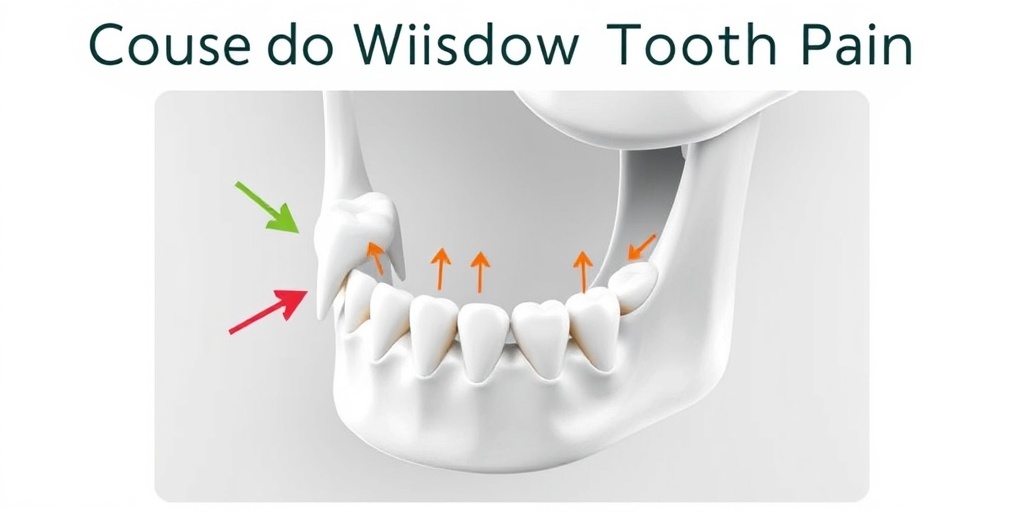
1. Impaction
One of the leading causes of wisdom tooth pain is impaction. This occurs when the wisdom teeth do not have enough space to emerge properly, leading to:
- Partial eruption, where the tooth breaks through the gum but is not fully visible
- Complete impaction, where the tooth remains trapped beneath the gum line
Impacted wisdom teeth can cause significant pain and may lead to infections if not addressed.
2. Infection
When wisdom teeth are partially erupted, they can create pockets where bacteria can thrive, leading to infections. Symptoms of infection may include:
- Swelling and redness around the gums
- Pus or discharge from the affected area
- Fever and general malaise
Infections can escalate quickly, making it essential to seek dental care promptly.
3. Cysts and Tumors
In rare cases, wisdom teeth can lead to the formation of cysts or tumors in the jaw. These growths can cause pain and swelling and may require surgical intervention. If you notice:
- Persistent swelling that doesn’t improve
- Changes in the shape of your jaw
Consulting a dentist is crucial to rule out serious conditions.
4. Gum Disease
Wisdom teeth can contribute to gum disease, especially if they are difficult to clean. Plaque buildup around the wisdom teeth can lead to:
- Gingivitis, characterized by swollen and bleeding gums
- Periodontitis, a more severe form of gum disease that can affect the bone
Maintaining good oral hygiene is vital to prevent these issues.
5. Age-Related Changes
As we age, our dental health can change, leading to wisdom tooth problems later in life. Adults in their 40s and beyond may experience:
- Increased risk of impaction due to bone density changes
- Higher likelihood of gum disease and tooth decay
Regular dental check-ups can help monitor these changes and address any emerging issues.
Diagnosis of Wisdom Tooth Problems
Wisdom tooth problems can arise at any age, often leading to discomfort and complications if left untreated. Understanding how these issues are diagnosed is crucial for effective management. Here’s what you need to know about the diagnosis of wisdom tooth problems.
Common Symptoms to Watch For
Identifying wisdom tooth problems often starts with recognizing the symptoms. Here are some common signs that may indicate an issue:
- Pain or Discomfort: This is the most prevalent symptom. Pain may occur in the back of the mouth, jaw, or even radiate to the ear.
- Swelling and Inflammation: The gums around the wisdom teeth may become swollen and tender.
- Difficulty Opening the Mouth: Some individuals experience restricted jaw movement due to swelling.
- Bad Breath: Persistent bad breath can be a sign of infection or decay.
- Headaches: Pain from wisdom teeth can sometimes lead to headaches.
Dental Examination
If you suspect you have wisdom tooth problems, the first step is to visit your dentist for a thorough examination. During this visit, your dentist will:
- Review Your Medical History: Discuss any previous dental issues or surgeries.
- Conduct a Physical Examination: The dentist will check for signs of swelling, infection, or decay.
- Take X-rays: X-rays are crucial for visualizing the position of the wisdom teeth and determining if they are impacted or causing other dental issues.
Identifying Impacted Wisdom Teeth
One of the most common wisdom tooth problems is impaction, where the teeth do not fully emerge through the gums. This can lead to various complications, including:
- Infection: Bacteria can accumulate around partially erupted teeth, leading to infections.
- Cysts: Impacted teeth can form cysts, which may damage surrounding teeth and bone.
- Alignment Issues: Wisdom teeth can push against adjacent teeth, causing misalignment.
To diagnose impaction, your dentist will rely heavily on X-ray results and clinical findings. If you’re experiencing symptoms, don’t hesitate to seek professional advice! 🦷
Treatment Options for Wisdom Teeth
Once diagnosed, the next step is determining the appropriate treatment for wisdom tooth problems. Treatment options vary based on the severity of the issue and the patient’s overall health.
Monitoring and Observation
In some cases, if the wisdom teeth are not causing significant problems, your dentist may recommend a watchful waiting approach. This involves:
- Regular Check-ups: Frequent dental visits to monitor the condition of the wisdom teeth.
- Maintaining Oral Hygiene: Keeping the area clean to prevent infections.
Non-Surgical Treatments
For mild symptoms, non-surgical treatments may be effective. These can include:
- Medications: Over-the-counter pain relievers can help manage discomfort.
- Antibiotics: If an infection is present, your dentist may prescribe antibiotics to clear it up.
- Saltwater Rinses: Rinsing with warm salt water can reduce inflammation and promote healing.
Surgical Options
If the wisdom teeth are impacted or causing significant problems, surgical intervention may be necessary. Common surgical options include:
- Wisdom Tooth Extraction: This is the most common procedure, where the problematic teeth are removed.
- Bone Grafting: In cases where bone loss has occurred, grafting may be needed to restore the area.
Recovery from wisdom tooth extraction typically involves some swelling and discomfort, but following your dentist’s post-operative care instructions can help speed up the healing process. 🏥
Long-Term Solutions
For those experiencing wisdom tooth problems later in life, especially in your 40s or 50s, it’s essential to consider long-term dental health. Regular dental check-ups and maintaining good oral hygiene can prevent future complications. Additionally, discussing any concerns with your dentist can help tailor a plan that suits your needs.
In conclusion, understanding the diagnosis and treatment options for wisdom tooth problems is vital for maintaining oral health. If you experience any symptoms, don’t hesitate to consult your dentist for a comprehensive evaluation! 🦷✨
Home Remedies for Wisdom Tooth Pain
Experiencing wisdom tooth problems can be quite uncomfortable, especially when it comes to pain. Fortunately, there are several effective home remedies that can help alleviate discomfort and promote healing. Here are some tried-and-true methods to consider:
1. Salt Water Rinse
A simple yet effective remedy is a salt water rinse. This solution can help reduce inflammation and kill bacteria in the mouth. To prepare, mix one teaspoon of salt in a glass of warm water and rinse your mouth several times a day.
2. Cold Compress
Applying a cold compress to the outside of your cheek can help numb the pain and reduce swelling. Wrap ice in a cloth or use a cold pack, and apply it for 15-20 minutes at a time. This method is particularly useful for wisdom tooth problems in adults who are experiencing significant discomfort.
3. Clove Oil
Clove oil is known for its natural analgesic properties. Applying a small amount of clove oil directly to the affected area can provide temporary relief from pain. Just be cautious not to use too much, as it can cause irritation.
4. Peppermint Tea
Drinking peppermint tea or using peppermint tea bags as a compress can also help soothe pain. The menthol in peppermint has a cooling effect that can ease discomfort and reduce inflammation.
5. Garlic
Garlic has natural antibacterial properties and can help fight infection. Chewing on a clove of garlic or applying crushed garlic to the affected area may provide relief from pain and help prevent further complications.
6. Over-the-Counter Pain Relievers
While not a home remedy in the strictest sense, over-the-counter pain relievers like ibuprofen or acetaminophen can be effective in managing pain associated with wisdom tooth problems. Always follow the recommended dosage and consult with a healthcare professional if you have any concerns.
Preventing Wisdom Tooth Complications
Preventing complications related to wisdom tooth problems is crucial for maintaining oral health. Here are some strategies to help you avoid issues:
1. Regular Dental Check-ups
One of the best ways to prevent wisdom tooth problems is to schedule regular dental check-ups. Your dentist can monitor the development of your wisdom teeth and identify any potential issues before they become serious.
2. Maintain Good Oral Hygiene
Practicing good oral hygiene is essential. Brush your teeth at least twice a day and floss daily to remove food particles and plaque buildup around your wisdom teeth. This can help prevent infections and other complications.
3. Be Aware of Symptoms
Understanding the symptoms of wisdom tooth problems can help you take action before complications arise. Common symptoms include:
- Pain or discomfort in the back of the mouth
- Swelling and redness in the gums
- Difficulty opening your mouth
- Bad breath or an unpleasant taste in the mouth
4. Consider Early Removal
For some individuals, especially those in their 40s or older, early removal of wisdom teeth may be recommended to prevent future complications. Discuss with your dentist whether this option is suitable for you.
5. Avoid Smoking and Alcohol
Smoking and excessive alcohol consumption can hinder healing and increase the risk of complications after wisdom tooth removal. If you are facing wisdom teeth problems later in life, consider reducing or eliminating these habits.
6. Follow Post-Operative Care Instructions
If you have had your wisdom teeth removed, following your dentist’s post-operative care instructions is vital. This includes taking prescribed medications, avoiding certain foods, and attending follow-up appointments.
By implementing these preventive measures, you can significantly reduce the risk of experiencing wisdom tooth problems and maintain a healthy smile! 😁
Frequently Asked Questions about Wisdom Tooth Problems
What are the common symptoms of wisdom tooth problems?
Wisdom tooth problems can manifest in various ways. Common symptoms include:
- Pain or discomfort in the back of the mouth
- Swelling around the jaw or gums
- Difficulty opening the mouth
- Bad breath or an unpleasant taste in the mouth
- Headaches or earaches
Can wisdom tooth problems occur during pregnancy?
Yes, wisdom tooth problems during pregnancy can occur. Hormonal changes can affect oral health, making pregnant individuals more susceptible to dental issues. It’s essential to consult a dentist if you experience any discomfort.
What are the risks of wisdom tooth problems in adults?
As adults age, they may face unique challenges with their wisdom teeth. Wisdom tooth problems in adults can lead to:
- Infection due to impaction
- Cysts or tumors around the tooth
- Damage to adjacent teeth
- Gum disease if not properly cared for
How do wisdom teeth problems change in your 40s?
In your 40s, wisdom teeth problems may become more pronounced due to wear and tear on the teeth and gums. Issues such as decay or gum disease can exacerbate discomfort and lead to more serious complications.
What solutions are available for wisdom teeth problems?
There are several solutions for addressing wisdom teeth problems, including:
- Regular dental check-ups to monitor the condition of wisdom teeth
- Extraction if the teeth are impacted or causing pain
- Medication for pain relief and infection control
- Oral hygiene practices to prevent further complications
What should I expect after wisdom tooth removal?
After wisdom teeth removal, some common experiences include:
- Swelling and discomfort in the jaw
- Bleeding that should subside within a few hours
- Difficulty eating solid foods for a few days
- Follow-up care instructions from your dentist
Are wisdom teeth problems common in people over 50?
Yes, wisdom teeth problems at age 50 can still occur. Issues such as decay, gum disease, and impaction can affect older adults, making it crucial to maintain regular dental visits.