What Is Vulvar Cancer?
Vulvar cancer is a rare type of cancer that occurs on the external genitalia of women, specifically the vulva. The vulva includes the labia, clitoris, and the opening of the vagina. Although it accounts for only about 4% of all gynecological cancers, understanding vulvar cancer is crucial for early detection and effective treatment.
There are several types of vulvar cancer, with squamous cell carcinoma being the most common. This type of cancer typically develops in the thin, flat cells that line the vulva. Other less common types include melanoma, adenocarcinoma, and basal cell carcinoma. The exact cause of vulvar cancer is not fully understood, but certain risk factors can increase the likelihood of developing this condition.
Risk Factors for Vulvar Cancer
Several factors may contribute to the development of vulvar cancer, including:
- Age: Most cases occur in women over the age of 50.
- Human Papillomavirus (HPV): Infection with high-risk strains of HPV is a significant risk factor.
- Smoking: Tobacco use has been linked to various cancers, including vulvar cancer.
- Chronic Skin Conditions: Conditions like lichen sclerosus can increase the risk.
- Weakened Immune System: Women with compromised immune systems are at a higher risk.
Being aware of these risk factors can help women take proactive steps in monitoring their health. Regular gynecological check-ups are essential for early detection.
Vulvar Cancer Symptoms
Recognizing the symptoms of vulvar cancer is vital for early diagnosis and treatment. Many symptoms can be mistaken for other conditions, so it’s important to consult a healthcare provider if you experience any of the following:
Common Symptoms of Vulvar Cancer
- Unusual Lumps or Growths: A lump on the vulva that persists or changes in size or shape.
- Itching or Burning: Persistent itching or burning sensations in the vulvar area.
- Changes in Skin Color: Darkening or discoloration of the vulvar skin.
- Pain or Discomfort: Pain during intercourse or discomfort in the vulvar region.
- Bleeding or Discharge: Unexplained bleeding or discharge from the vulva.
If you notice any of these symptoms, it’s crucial to seek medical advice promptly. Early detection can significantly improve treatment outcomes.
When to See a Doctor
It’s essential to consult a healthcare professional if you experience any of the symptoms mentioned above, especially if they persist for more than a few weeks. Regular screenings and check-ups can help catch any abnormalities early on. Remember, while these symptoms can be indicative of vulvar cancer, they can also be associated with other benign conditions.
For more information on vulvar cancer, including treatment options and support resources, consider visiting Yesil Health AI. This platform offers evidence-based health answers and can guide you through your health concerns.
In conclusion, understanding vulvar cancer and its symptoms is crucial for women’s health. By staying informed and proactive, you can take charge of your health and seek timely medical attention when necessary. Remember, knowledge is power! 💪

Risk Factors for Vulvar Cancer
Understanding the risk factors associated with vulvar cancer is crucial for early detection and prevention. While the exact cause of vulvar cancer remains unclear, certain factors can increase the likelihood of developing this condition. Here are some of the primary risk factors:
Age
Vulvar cancer is more common in older women, particularly those over the age of 65. The risk increases with age, making regular check-ups and awareness of symptoms essential for older populations.
Human Papillomavirus (HPV) Infection
One of the most significant risk factors for vulvar cancer is infection with the human papillomavirus (HPV). This sexually transmitted virus is known to cause changes in the cells of the vulva, which can lead to cancer. Women with a history of HPV-related conditions, such as genital warts or cervical dysplasia, should be particularly vigilant.
Smoking
Smoking is another major risk factor. Women who smoke are at a higher risk of developing vulvar cancer compared to non-smokers. The harmful chemicals in tobacco can damage the cells in the vulvar area, increasing the likelihood of cancerous changes.
Chronic Skin Conditions
Chronic inflammatory conditions, such as lichen sclerosus and lichen planus, can also elevate the risk of vulvar cancer. These conditions cause changes in the skin that may predispose women to cancerous growths.
Weakened Immune System
A weakened immune system, whether due to conditions like HIV/AIDS or immunosuppressive medications, can increase the risk of vulvar cancer. A healthy immune system plays a vital role in identifying and eliminating abnormal cells before they can develop into cancer.
Family History
Having a family history of vulvar or other gynecological cancers can also be a risk factor. Genetic predispositions can play a significant role in the likelihood of developing vulvar cancer, making it essential for women with a family history to discuss their risks with healthcare providers.
Causes of Vulvar Cancer
The exact causes of vulvar cancer are not fully understood, but several factors have been identified that contribute to its development. Here are some of the primary causes:
HPV Infection
As mentioned earlier, HPV is a leading cause of vulvar cancer. Certain strains of HPV, particularly types 16 and 18, are known to be high-risk and are linked to various cancers, including vulvar cancer. Vaccination against HPV can significantly reduce the risk of developing this cancer.
Genetic Mutations
Genetic mutations, particularly in the BRCA1 and BRCA2 genes, can increase the risk of several cancers, including vulvar cancer. Women with these mutations may benefit from genetic counseling and regular screenings.
Long-term Skin Conditions
Chronic skin conditions like lichen sclerosus can lead to changes in the vulvar skin that may predispose women to cancer. These conditions often require ongoing management and monitoring by a healthcare professional.
Hormonal Factors
Hormonal changes, particularly those related to menopause, can also play a role in the development of vulvar cancer. The decrease in estrogen levels can lead to thinning of the vulvar skin, making it more susceptible to damage and cancerous changes.
Environmental Factors
Exposure to certain environmental factors, such as chemicals and irritants, may contribute to the risk of vulvar cancer. Women who work in industries with high exposure to carcinogenic substances should take precautions to minimize their risk.
In summary, while the exact causes of vulvar cancer are still being researched, understanding the risk factors can empower women to take proactive steps in their health management. Regular check-ups and awareness of symptoms are key to early detection and treatment. 🌸
Diagnosis of Vulvar Cancer
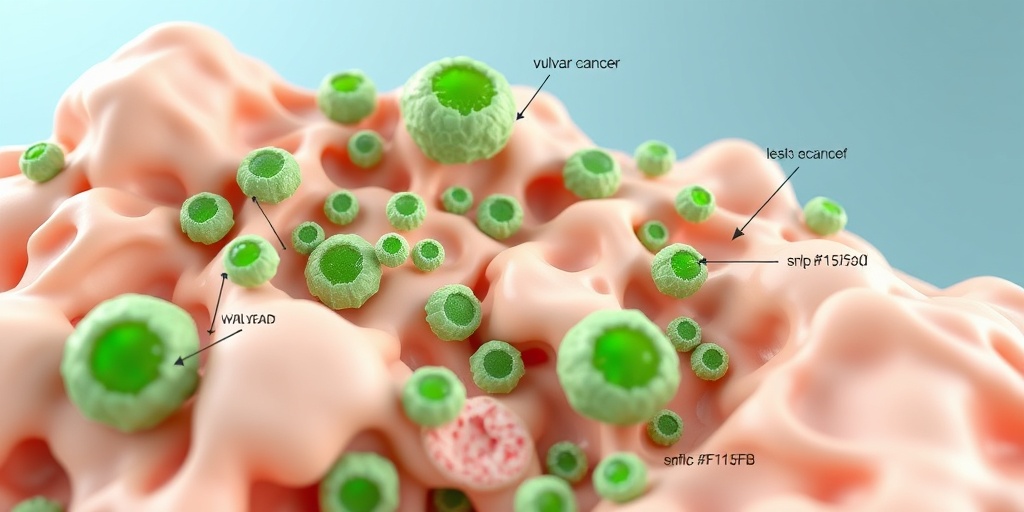
Diagnosing vulvar cancer can be a complex process, as it often shares symptoms with other conditions. Early detection is crucial for effective treatment, so understanding the diagnostic steps is essential for women who may be at risk.
Initial Consultation and Symptoms
The first step in diagnosing vulvar cancer typically involves a visit to a healthcare provider. During this consultation, the doctor will ask about any symptoms you may be experiencing. Common vulvar cancer symptoms include:
- Persistent itching or irritation in the vulvar area
- Unusual lumps or growths on the vulva
- Changes in skin color or texture
- Pain during intercourse
- Abnormal bleeding or discharge
If you notice any of these symptoms, it’s important to seek medical advice promptly. Your doctor may perform a physical examination and ask about your medical history, including any risk factors such as HPV infection or a history of skin conditions.
Diagnostic Tests
If vulvar cancer is suspected, your doctor may recommend several diagnostic tests:
- Biopsy: This is the most definitive test for diagnosing vulvar cancer. A small sample of tissue is removed from the vulva and examined under a microscope for cancerous cells.
- Colposcopy: If abnormalities are found, a colposcopy may be performed. This procedure uses a special magnifying instrument to closely examine the vulva and surrounding areas.
- Imaging Tests: In some cases, imaging tests such as MRI or CT scans may be ordered to determine if the cancer has spread to nearby tissues or lymph nodes.
Once the diagnosis is confirmed, your healthcare provider will discuss the vulvar cancer treatment options available based on the specific characteristics of the cancer and your overall health.
Stages of Vulvar Cancer
Understanding the stages of vulvar cancer is essential for determining the most effective treatment plan. Staging describes how far the cancer has spread and helps guide treatment decisions.
Overview of Staging
Vulvar cancer is typically staged using the TNM system, which assesses:
- T (Tumor): The size and extent of the primary tumor.
- N (Nodes): Whether the cancer has spread to nearby lymph nodes.
- M (Metastasis): Whether the cancer has spread to distant parts of the body.
Stage Breakdown
The stages of vulvar cancer are categorized as follows:
- Stage I: The cancer is confined to the vulva and has not spread to nearby lymph nodes.
- Stage II: The cancer has spread to nearby tissues but remains within the vulva. There may be involvement of nearby lymph nodes.
- Stage III: The cancer has spread to nearby lymph nodes and may have invaded surrounding tissues.
- Stage IV: The cancer has spread to distant lymph nodes or other organs, such as the bladder or rectum.
Each stage has specific treatment implications, and understanding your stage can help you and your healthcare team make informed decisions about your care.
Importance of Staging
Staging is not just a technicality; it plays a crucial role in:
- Determining the vulvar cancer treatment options available
- Assessing prognosis and survival rates
- Guiding follow-up care and monitoring
By understanding the stages of vulvar cancer, patients can better navigate their treatment journey and engage in discussions with their healthcare providers about the best course of action. Remember, early detection and accurate staging significantly improve outcomes! 🌟
Vulvar Cancer Treatment Options
When diagnosed with vulvar cancer, understanding the available treatment options is crucial for patients and their families. Treatment plans are often tailored to the individual, depending on the stage of the cancer, the patient’s overall health, and personal preferences. Here’s a breakdown of the most common treatment options available for vulvar cancer.
Surgery
Surgery is often the primary treatment for vulvar cancer. The type of surgery performed can vary based on the extent of the cancer:
- Local excision: This involves removing the cancerous tissue along with a margin of healthy tissue.
- Vulvectomy: In cases where the cancer is more extensive, a partial or total vulvectomy may be necessary, which involves removing part or all of the vulva.
- Lymphadenectomy: If cancer has spread to the lymph nodes, these may also be removed during surgery.
Recovery from surgery can vary, and patients may experience pain, swelling, or changes in sensation in the vulvar area. It’s essential to discuss post-operative care with your healthcare team.
Radiation Therapy
Radiation therapy uses high-energy rays to kill cancer cells. It can be used in several ways:
- Adjuvant therapy: After surgery, radiation may be used to eliminate any remaining cancer cells.
- Palliative treatment: For advanced stages, radiation can help relieve symptoms and improve quality of life.
Patients may receive external beam radiation or internal radiation (brachytherapy), depending on their specific situation.
Chemotherapy
Chemotherapy involves the use of drugs to kill cancer cells. While it is not the primary treatment for vulvar cancer, it may be recommended in certain cases, such as:
- When cancer has spread beyond the vulva.
- As a neoadjuvant treatment to shrink tumors before surgery.
Common side effects of chemotherapy include nausea, fatigue, and hair loss, but these can vary based on the specific drugs used.
Targeted Therapy and Immunotherapy
Emerging treatments like targeted therapy and immunotherapy are being explored for vulvar cancer. These therapies aim to specifically target cancer cells or enhance the body’s immune response against cancer. While still under research, they offer hope for more effective treatment options in the future.
Living with Vulvar Cancer
Receiving a diagnosis of vulvar cancer can be overwhelming, but many individuals find ways to cope and maintain a fulfilling life. Here are some strategies for living with vulvar cancer:
Emotional Support
Dealing with cancer can take a toll on mental health. Seeking emotional support is vital. Consider:
- Joining support groups where you can connect with others facing similar challenges.
- Talking to a therapist or counselor who specializes in cancer care.
- Engaging in mindfulness practices like meditation or yoga to reduce stress.
Managing Symptoms and Side Effects
Patients may experience various symptoms and side effects from treatment. Here are some tips for managing them:
- Pain management: Discuss pain relief options with your healthcare provider, including medications and alternative therapies.
- Skin care: Radiation therapy can cause skin irritation. Use gentle, fragrance-free products to soothe the skin.
- Nutrition: Eating a balanced diet can help maintain strength and energy levels during treatment.
Staying Informed
Knowledge is power. Stay informed about your condition and treatment options. Regularly communicate with your healthcare team and ask questions to understand your treatment plan better. This proactive approach can help you feel more in control of your health journey.
Maintaining a Positive Outlook
While it’s natural to feel anxious or fearful, focusing on positive aspects of life can improve your overall well-being. Engage in activities you enjoy, spend time with loved ones, and celebrate small victories along the way. 🌼
Living with vulvar cancer is undoubtedly challenging, but with the right support and resources, many individuals find ways to navigate their journey with resilience and hope. 💪

Frequently Asked Questions about Vulvar Cancer
What is Vulvar Cancer?
Vulvar cancer is a rare type of cancer that occurs on the external female genitalia, specifically the vulva. It can develop from various types of cells and may present in different forms, including squamous cell carcinoma, melanoma, and others.
What are the common symptoms of Vulvar Cancer?
Some of the vulvar cancer symptoms may include:
- Persistent itching or irritation in the vulvar area
- Changes in the color or texture of the skin
- Unusual lumps or growths
- Pain or discomfort during intercourse
- Bleeding or discharge not related to menstruation
How is Vulvar Cancer diagnosed?
Diagnosis typically involves a physical examination, followed by a biopsy of any suspicious areas. Additional imaging tests may be conducted to determine the extent of the disease.
What are the treatment options for Vulvar Cancer?
Treatment for vulvar cancer may include:
- Surgery to remove the cancerous tissue
- Radiation therapy
- Chemotherapy
- Targeted therapy, depending on the specific type of cancer
What causes Vulvar Cancer?
The exact causes of vulvar cancer are not fully understood, but several risk factors have been identified, including:
- Human papillomavirus (HPV) infection
- Smoking
- Age (more common in older women)
- Chronic inflammatory conditions
What is the staging of Vulvar Cancer?
Vulvar cancer staging is crucial for determining the extent of the disease and the appropriate treatment plan. Stages range from I (localized) to IV (advanced), based on the size of the tumor and whether it has spread to nearby lymph nodes or other organs.
Where can I find more information about Vulvar Cancer?
For more detailed information, you can visit reputable medical websites, consult with healthcare professionals, or refer to organizations specializing in cancer research and education.
Are there any support groups for Vulvar Cancer patients?
Yes, there are various support groups and online communities where patients and their families can share experiences, seek advice, and find emotional support. Connecting with others who understand the journey can be incredibly beneficial.