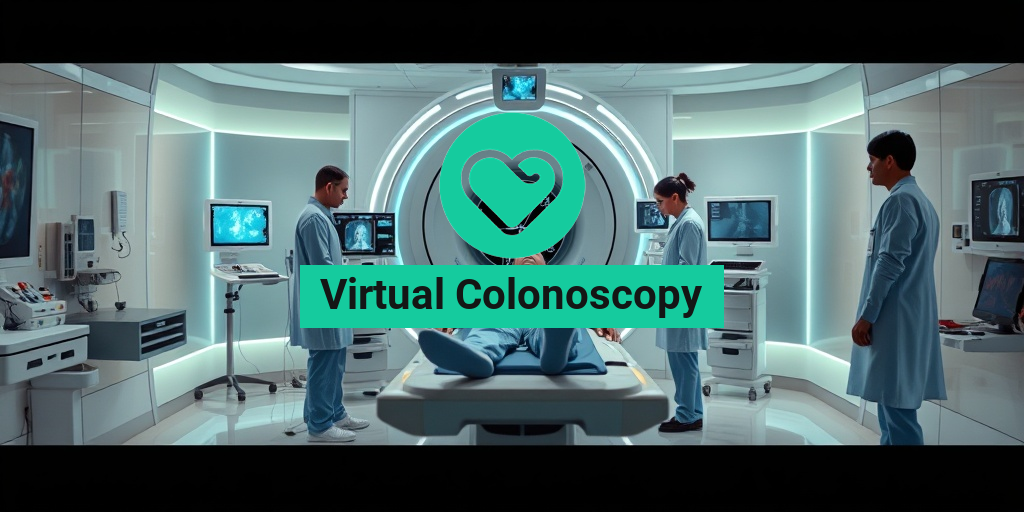
What Is Virtual Colonoscopy?
Virtual colonoscopy, also known as CT colonography, is a non-invasive imaging procedure that uses advanced computer technology and X-ray equipment to create detailed images of the colon and rectum. Unlike traditional colonoscopy, which involves inserting a flexible tube with a camera into the rectum, virtual colonoscopy employs a CT scanner to produce high-resolution images of the colon from outside the body.
This innovative procedure is primarily used for screening and diagnosing colorectal conditions, including polyps and cancers. It is particularly beneficial for individuals who may be hesitant to undergo a traditional colonoscopy due to discomfort or anxiety. With virtual colonoscopy, patients can receive a thorough examination of their colon without the need for sedation or invasive instruments.
How Does Virtual Colonoscopy Work?
The process of virtual colonoscopy typically involves the following steps:
- Preparation: Similar to traditional colonoscopy, patients must undergo bowel preparation to ensure the colon is clear of any stool. This usually involves a special diet and the use of laxatives.
- Imaging: During the procedure, patients lie on a table that slides into a CT scanner. Air is gently introduced into the colon to expand it, allowing for clearer images. The scanner then takes multiple X-ray images from different angles.
- Image Analysis: A radiologist analyzes the images to identify any abnormalities, such as polyps or tumors.
Overall, virtual colonoscopy is a quick and efficient way to assess colon health, making it an appealing option for many patients. 🌟
Benefits of Virtual Colonoscopy
Virtual colonoscopy offers several advantages over traditional colonoscopy, making it an increasingly popular choice for colorectal screening. Here are some of the key benefits:
1. Non-Invasive Procedure
One of the most significant benefits of virtual colonoscopy is its non-invasive nature. Patients do not need to undergo sedation, and there is no need for the insertion of a long, flexible tube. This can lead to a more comfortable experience for those who may be anxious about traditional methods.
2. Quick and Efficient
The entire virtual colonoscopy procedure typically takes less than 30 minutes, making it a time-efficient option for busy individuals. Additionally, the imaging process itself is rapid, allowing for quick diagnosis and follow-up.
3. Lower Risk of Complications
Since virtual colonoscopy does not involve any invasive instruments, the risk of complications, such as perforation of the colon, is significantly reduced. This makes it a safer alternative for many patients, especially those with certain health conditions.
4. Comprehensive Imaging
Virtual colonoscopy provides detailed 3D images of the colon, allowing radiologists to detect even small polyps or abnormalities that may be missed during a traditional colonoscopy. This comprehensive imaging can lead to earlier detection of potential issues, improving patient outcomes.
5. No Recovery Time
After a virtual colonoscopy, patients can typically resume their normal activities immediately. There is no need for recovery time associated with sedation, making it a convenient option for those with busy schedules.
6. Accessibility
For individuals who may have difficulty accessing traditional colonoscopy services, virtual colonoscopy can be a more accessible option. Many healthcare facilities now offer this service, and patients can easily search for virtual colonoscopy near me to find local providers.
7. Cost-Effective
While the cost of virtual colonoscopy can vary depending on location and insurance coverage, it is often more affordable than traditional colonoscopy, especially when considering the potential costs associated with complications from invasive procedures.
In conclusion, virtual colonoscopy is a valuable tool in colorectal screening, offering numerous benefits that make it an attractive option for many patients. If you’re considering this procedure, it’s essential to consult with your healthcare provider to determine if it’s the right choice for you. For more evidence-based health answers, you can visit Yesil Health AI. 🩺
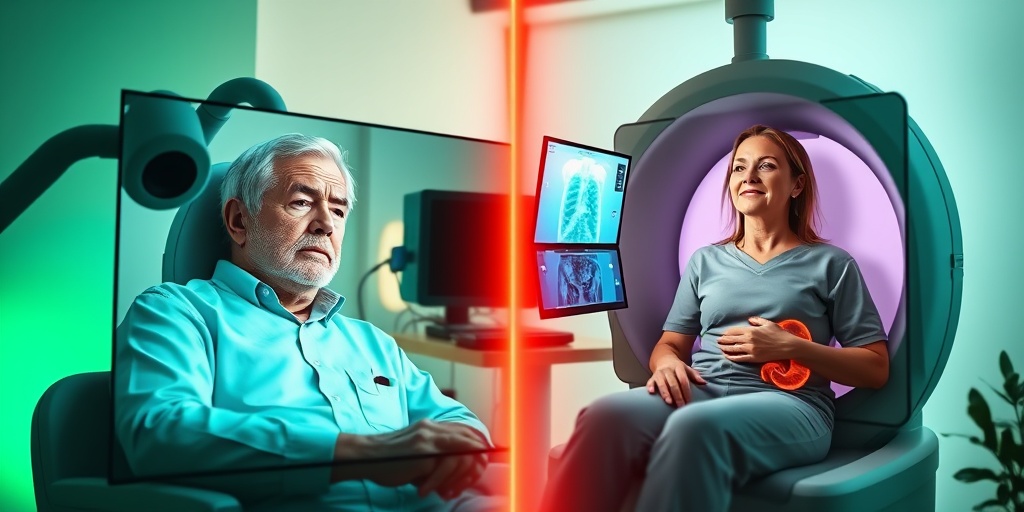
Virtual Colonoscopy Procedure
Virtual colonoscopy, also known as CT colonography, is a non-invasive imaging technique that uses advanced CT scanning technology to create detailed images of the colon and rectum. This procedure is an excellent alternative for those who may be apprehensive about traditional colonoscopy methods. Let’s delve into how the virtual colonoscopy procedure works and what you can expect during the process.
How Does Virtual Colonoscopy Work?
During a virtual colonoscopy, a CT scanner takes multiple images of your colon from various angles. These images are then processed by a computer to create a 3D representation of the colon. Here’s a step-by-step breakdown of the procedure:
- Preparation: Before the procedure, you will need to follow specific dietary restrictions and possibly take a laxative to ensure your colon is clear.
- Positioning: You will lie on a table that slides into the CT scanner. A small tube may be inserted into your rectum to inflate the colon with air or carbon dioxide, which helps to provide clearer images.
- Scanning: The CT scanner will take images of your colon. The entire process usually takes about 10 to 15 minutes.
- Post-Procedure: After the scan, you can typically resume your normal activities immediately.
Benefits of Virtual Colonoscopy
There are several advantages to choosing virtual colonoscopy over traditional methods:
- Minimally Invasive: Virtual colonoscopy is less invasive than traditional colonoscopy, which requires sedation and the insertion of a long, flexible tube.
- Quick Recovery: Since sedation is not usually required, recovery time is minimal, allowing you to return to your daily routine almost immediately.
- Comfort: Many patients find virtual colonoscopy to be more comfortable, as it involves less physical manipulation.
However, it’s essential to note that while virtual colonoscopy is effective for detecting polyps and other abnormalities, it may not be suitable for everyone. Always consult with your healthcare provider to determine the best screening method for your individual needs.
Preparation for Virtual Colonoscopy
Proper preparation is crucial for a successful virtual colonoscopy. The clearer your colon is, the better the images will be, which aids in accurate diagnosis. Here’s what you need to know about preparing for the procedure.
Dietary Restrictions
In the days leading up to your virtual colonoscopy, you will need to follow specific dietary guidelines:
- Low-Fiber Diet: About three days before the procedure, switch to a low-fiber diet. This includes avoiding whole grains, nuts, seeds, and raw fruits and vegetables.
- Clear Liquid Diet: The day before your procedure, you will typically be required to consume only clear liquids. This includes water, broth, clear juices, and gelatin. Avoid any liquids that are red or purple, as they can mimic blood in the colon.
Laxatives and Bowel Preparation
To ensure your colon is completely clear, your doctor may prescribe a laxative or an oral preparation solution. Here’s how to manage this part of the prep:
- Timing: Follow your doctor’s instructions on when to take the laxative. It’s usually recommended to take it the evening before your procedure.
- Hydration: Drink plenty of clear fluids to stay hydrated during the preparation process.
Day of the Procedure
On the day of your virtual colonoscopy, here are a few additional tips:
- Arrive Early: Arrive at the facility early to complete any necessary paperwork and relax before the procedure.
- Wear Comfortable Clothing: Opt for loose-fitting clothing that is easy to remove, as you will need to change into a gown.
- Discuss Medications: Inform your healthcare provider about any medications you are taking, as some may need to be adjusted before the procedure.
By following these preparation steps, you can help ensure that your virtual colonoscopy goes smoothly and provides the most accurate results possible. Remember, this procedure is a vital tool in the early detection of colorectal issues, so don’t hesitate to discuss it with your healthcare provider! 🩺

Virtual Colonoscopy vs. Traditional Colonoscopy
When it comes to screening for colorectal cancer, two primary methods are often discussed: virtual colonoscopy and traditional colonoscopy. Both procedures aim to detect abnormalities in the colon, but they differ significantly in their approach, preparation, and patient experience. Let’s dive into the key differences between these two methods.
What is Traditional Colonoscopy?
A traditional colonoscopy involves the insertion of a flexible tube equipped with a camera into the rectum to examine the entire colon. This procedure allows doctors to not only visualize the colon but also to perform biopsies or remove polyps during the examination.
What is Virtual Colonoscopy?
Virtual colonoscopy, also known as CT colonography, utilizes advanced imaging technology to create detailed images of the colon and rectum. Instead of a physical tube, this method employs a CT scanner to produce 3D images, allowing for a non-invasive examination.
Key Differences
- Invasiveness: Traditional colonoscopy is invasive, requiring sedation and the insertion of a scope. In contrast, virtual colonoscopy is non-invasive and typically does not require sedation.
- Preparation: Both procedures require bowel preparation, but the specifics may vary. Traditional colonoscopy often necessitates a more rigorous prep to ensure the colon is clear, while virtual colonoscopy prep may be slightly less intensive.
- Duration: A traditional colonoscopy usually takes about 30 minutes to an hour, while virtual colonoscopy can be completed in about 10 to 15 minutes.
- Findings: Traditional colonoscopy allows for immediate intervention if polyps or abnormalities are found, whereas virtual colonoscopy may require a follow-up traditional colonoscopy for any detected issues.
- Cost: The cost of a virtual colonoscopy may vary, but it is often less expensive than a traditional colonoscopy, especially when considering the potential for additional procedures.
In summary, while both methods serve the same purpose, the choice between virtual colonoscopy and traditional colonoscopy often depends on individual patient needs, preferences, and medical history. 🩺
Virtual Colonoscopy Risks
Like any medical procedure, virtual colonoscopy comes with its own set of risks and considerations. Understanding these risks is crucial for making an informed decision about your colorectal cancer screening options.
Radiation Exposure
One of the primary concerns with virtual colonoscopy is the exposure to radiation. Since this procedure uses a CT scan, patients are subjected to a small amount of radiation. However, the risk is generally considered low, especially when weighed against the benefits of early cancer detection.
False Positives
Another risk associated with virtual colonoscopy is the potential for false positives. This occurs when the imaging detects abnormalities that may not be cancerous, leading to unnecessary anxiety and possibly invasive follow-up procedures. It’s essential to discuss the likelihood of false positives with your healthcare provider.
Inability to Intervene
Unlike traditional colonoscopy, where doctors can immediately remove polyps or take biopsies, virtual colonoscopy does not allow for direct intervention. If any abnormalities are found, a follow-up traditional colonoscopy will be necessary, which can add to the overall time and cost of the screening process.
Preparation Risks
The bowel preparation required for virtual colonoscopy can also pose risks. Some patients may experience dehydration or electrolyte imbalances due to the laxatives used in the prep process. It’s crucial to follow the preparation instructions carefully and consult with your doctor if you have any concerns.
Conclusion
While virtual colonoscopy offers a less invasive alternative to traditional methods, it is essential to weigh the risks and benefits. Discussing your options with a healthcare professional can help you make the best choice for your health and peace of mind. 🩺💡
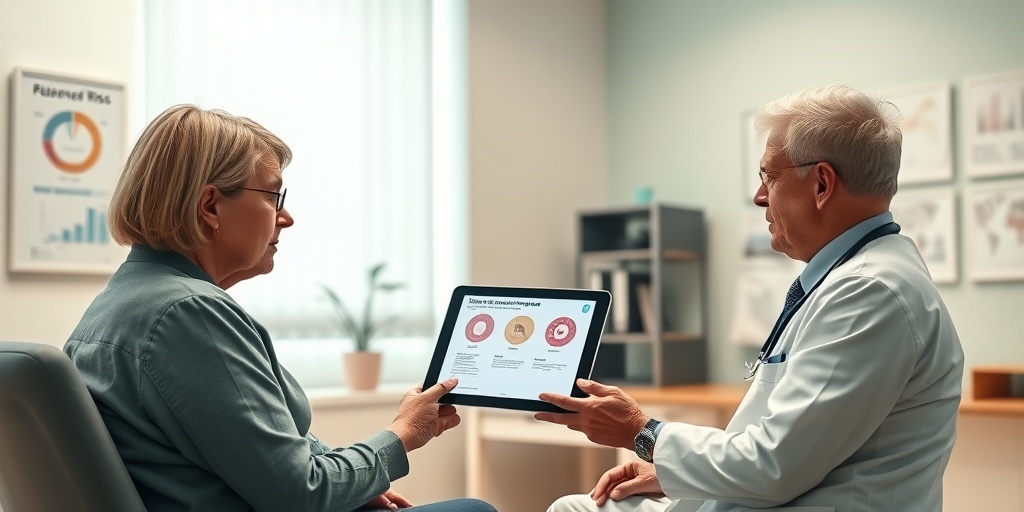
Interpreting Virtual Colonoscopy Results
After undergoing a virtual colonoscopy, understanding the results is crucial for your health. This non-invasive procedure, also known as CT colonography, uses advanced imaging technology to create detailed pictures of the colon and rectum. Here’s what you need to know about interpreting your results.
What to Expect from Your Results
Your healthcare provider will analyze the images generated during the virtual colonoscopy procedure. The results typically focus on identifying any abnormalities, such as:
- Polyps: These are growths on the lining of the colon that can be benign or precursors to cancer.
- Diverticula: Small pouches that can form in the colon wall, which may lead to diverticulitis.
- Inflammation: Signs of inflammatory bowel disease or other conditions.
- Colon Cancer: Detection of tumors or suspicious lesions that may require further investigation.
Understanding the Report
Your report will typically include a summary of findings, including:
- Normal Findings: If everything appears normal, your doctor may recommend routine screenings in the future.
- Abnormal Findings: If polyps or other issues are detected, your doctor may suggest a follow-up colonoscopy for further evaluation.
It’s essential to discuss your results with your healthcare provider, who can explain the implications and recommend the next steps based on your individual health needs. Remember, early detection is key in preventing serious conditions like colon cancer! 🩺
Post-Procedure Care and Follow-Up
Immediate Post-Procedure Care
One of the benefits of a virtual colonoscopy is that it is a minimally invasive procedure, which means recovery is usually quick. However, you may experience some mild discomfort or bloating due to the air used to inflate the colon during the procedure. Here are some tips for post-procedure care:
- Hydration: Drink plenty of fluids to help flush out any remaining contrast material and reduce bloating.
- Diet: Start with light meals and gradually return to your normal diet as tolerated.
- Rest: Take it easy for the rest of the day, especially if you feel any discomfort.
Follow-Up Appointments
Depending on your results, your doctor may schedule a follow-up appointment to discuss findings and any necessary next steps. Here’s what to expect:
- Further Testing: If polyps or abnormalities are found, a traditional colonoscopy may be recommended for biopsy or removal.
- Regular Screenings: If your results are normal, your doctor will advise on when to schedule your next screening, typically every 5 to 10 years, depending on your risk factors.
- Monitoring Symptoms: Be vigilant about any changes in your bowel habits or symptoms, and report them to your healthcare provider.
When to Seek Medical Attention
While complications from a virtual colonoscopy are rare, it’s important to be aware of any concerning symptoms that may arise post-procedure. Contact your doctor if you experience:
- Severe abdominal pain
- Persistent bloating or discomfort
- Blood in your stool
- Fever or chills
By following these guidelines and maintaining open communication with your healthcare provider, you can ensure a smooth recovery and stay proactive about your colon health. Remember, early detection and regular screenings are vital in preventing serious health issues! 🌟

Frequently Asked Questions about Virtual Colonoscopy
What is a Virtual Colonoscopy?
A Virtual Colonoscopy, also known as CT colonography, is a non-invasive imaging procedure that uses CT scans to create detailed images of the colon and rectum. It is an alternative to traditional colonoscopy for screening and diagnosing colorectal conditions.
How is the Virtual Colonoscopy procedure performed?
During the virtual colonoscopy procedure, a small tube is inserted into the rectum to inflate the colon with air or carbon dioxide. This allows for clearer images to be captured by the CT scanner. The entire process typically takes about 10 to 15 minutes.
What preparation is needed for a Virtual Colonoscopy?
Proper virtual colonoscopy prep is essential for accurate results. Patients are usually required to follow a special diet and take laxatives the day before the procedure to ensure the colon is clear of any stool.
How does Virtual Colonoscopy compare to traditional colonoscopy?
While both procedures aim to detect abnormalities in the colon, virtual colonoscopy vs traditional colonoscopy differs in several ways. Traditional colonoscopy involves inserting a flexible tube with a camera into the colon, allowing for direct visualization and potential biopsy. In contrast, virtual colonoscopy is less invasive and does not allow for tissue sampling during the procedure.
What are the costs associated with Virtual Colonoscopy?
The virtual colonoscopy cost can vary based on location, healthcare provider, and insurance coverage. It’s advisable to check with your insurance company and local facilities for specific pricing information.
Where can I find a Virtual Colonoscopy near me?
To find a virtual colonoscopy near me, you can search online for local radiology clinics or hospitals that offer this service. Many healthcare providers now list their imaging services on their websites.
Is Virtual Colonoscopy covered by the NHS?
In some cases, virtual colonoscopy NHS may be available as part of colorectal cancer screening programs. However, coverage can vary, so it’s best to consult with your healthcare provider for specific information regarding availability and eligibility.
Are there any risks associated with Virtual Colonoscopy?
While virtual colonoscopy is generally considered safe, there are some risks, including exposure to radiation and the possibility of false positives or negatives. Discussing these risks with your healthcare provider can help you make an informed decision.
Can Virtual Colonoscopy detect polyps or cancer?
Yes, virtual colonoscopy is effective in detecting polyps and colorectal cancer. It can identify abnormalities in the colon, but if polyps are found, a traditional colonoscopy may be needed for removal and biopsy.